October 2026 Monthly Review: Professional Transitions and Industry Engagement in Prague and Hamburg

The month of October 2026 served as a period of strategic consolidation for travel industry professionals, characterized by a return to home-base operations in Prague, Czech Republic, and targeted attendance at key industry summits in Germany. The month was marked by the Traverse 26 conference in Hamburg, a significant event for digital media creators, and the launch of new educational initiatives aimed at the seasonal tourism market. Beyond professional obligations, the period provided an opportunity for local cultural engagement in Central Europe and a reassessment of long-term personal health and fitness infrastructure.
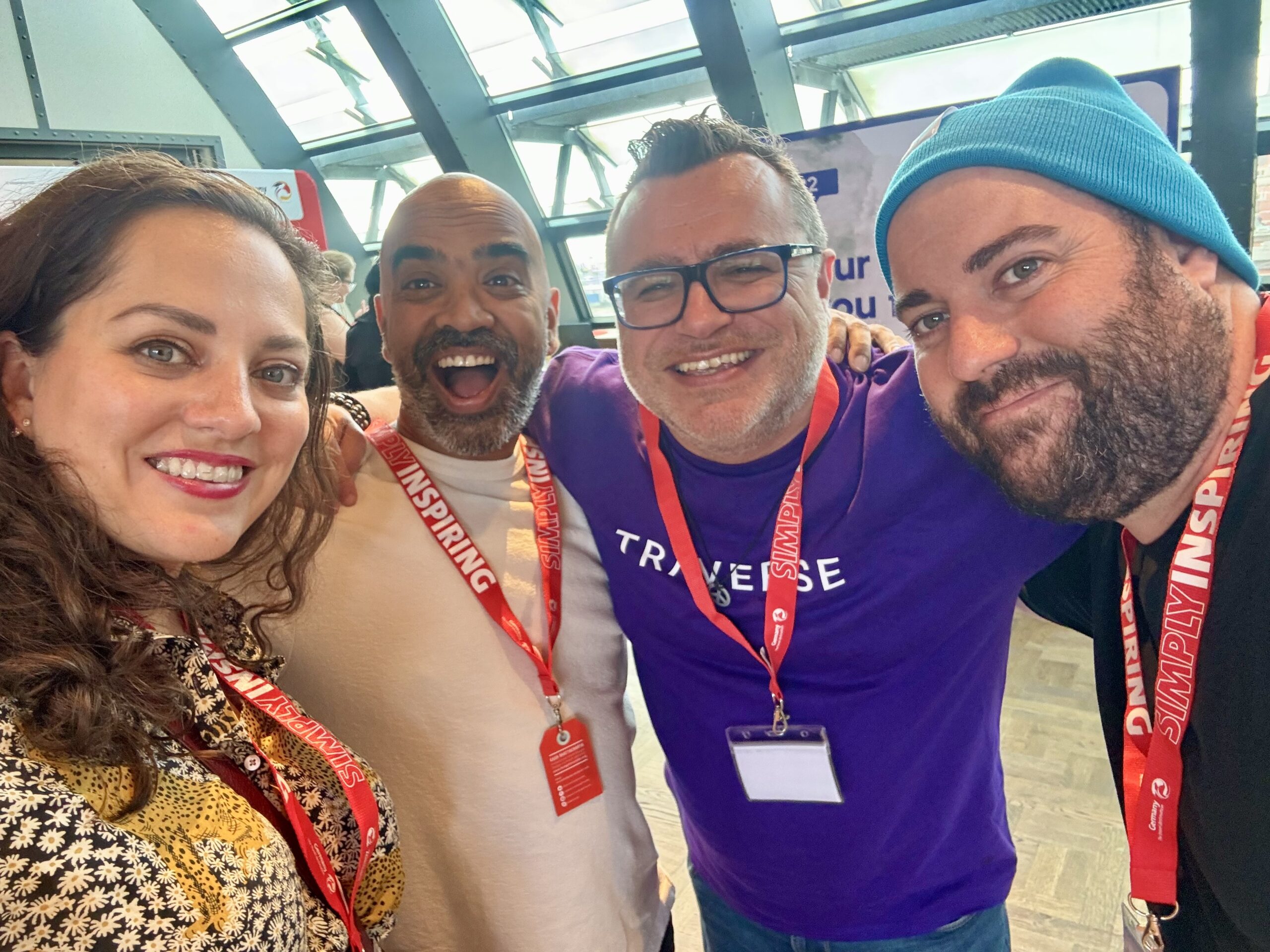
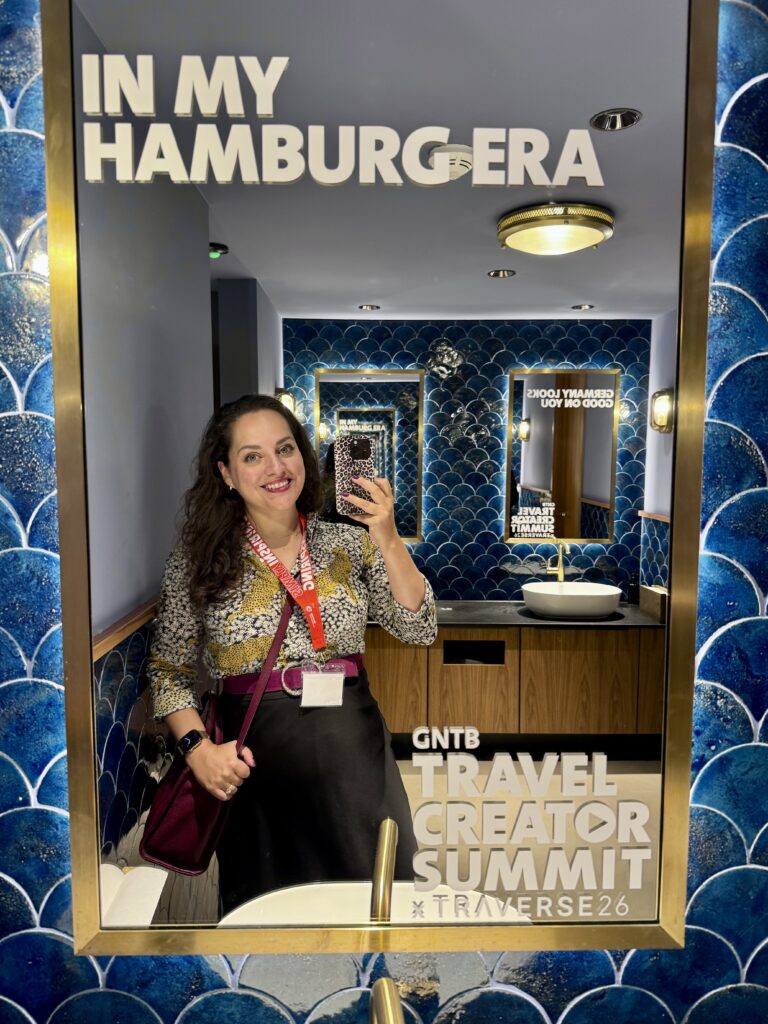
The Traverse 26 Summit: Industry Trends in Hamburg
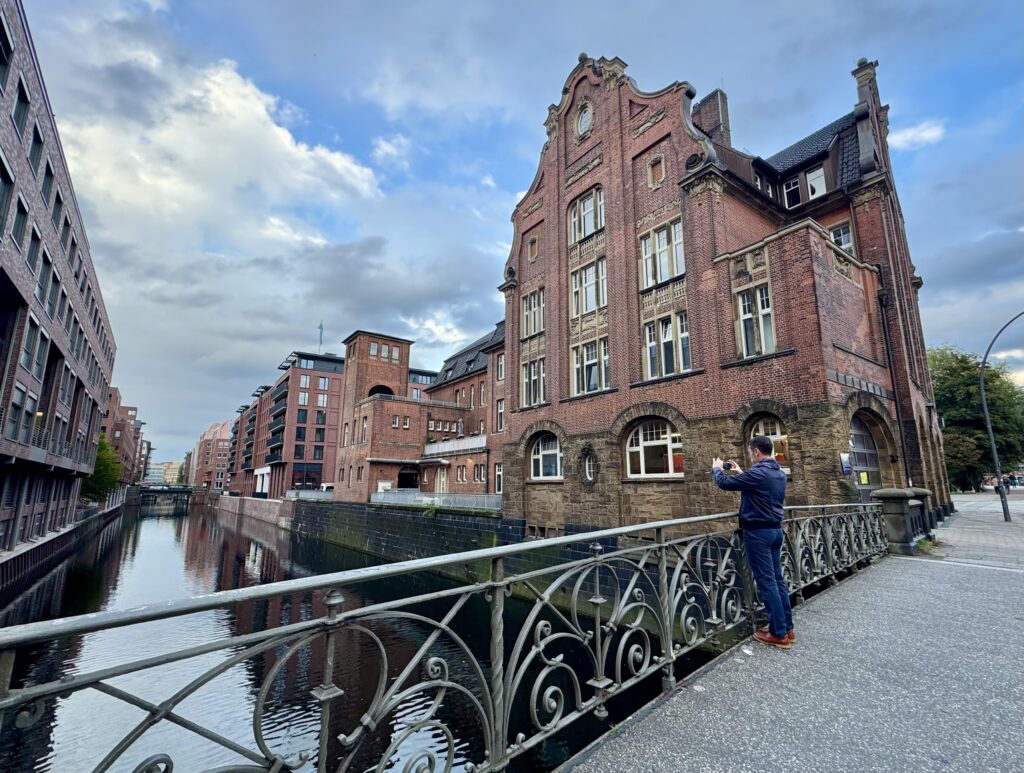
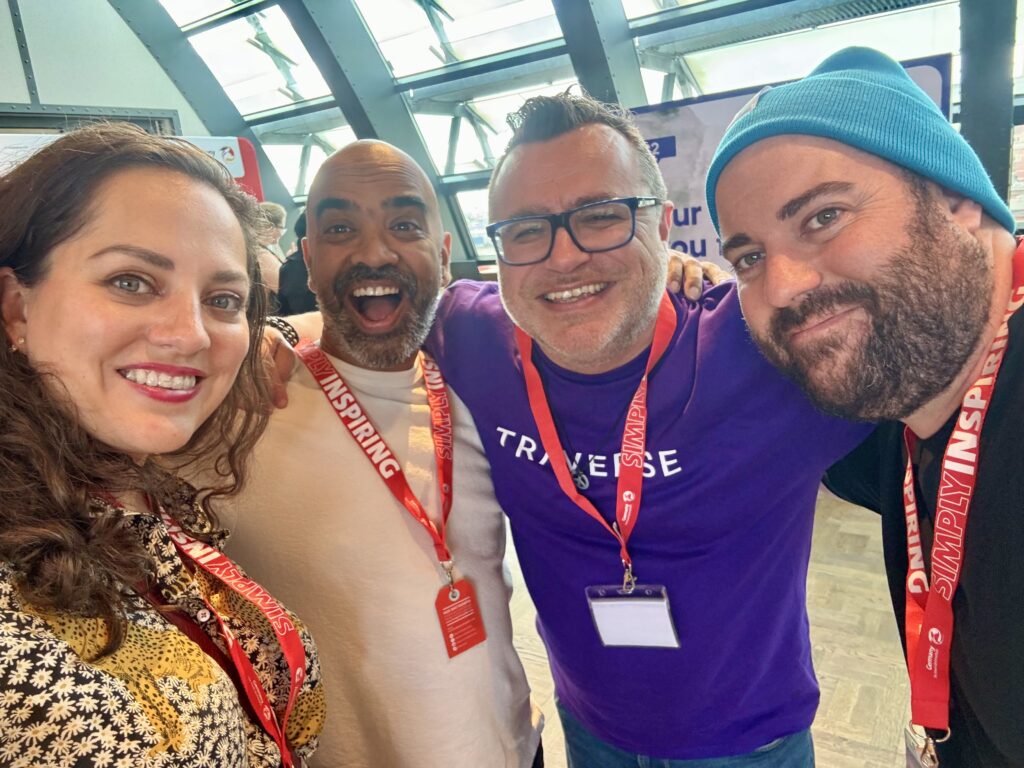
The centerpiece of the month’s travel schedule was the Traverse 26 conference held in Hamburg, Germany. Traverse has historically functioned as a pivotal nexus for travel content creators, marketers, and tourism boards to discuss the evolving landscape of digital storytelling. The choice of Hamburg as a host city underscores its growing importance as a hub for both creative media and traditional tourism infrastructure.
Industry analysts note that Hamburg’s appeal to the creator economy is rooted in its diverse architectural landscape and its status as a repository of historical cultural landmarks, most notably its deep-seated Beatles history and the internationally recognized Miniatur Wunderland. For attendees, the summit provided a platform to address the saturation of social media platforms and the shift toward more specialized, niche-focused travel content. The collaborative nature of the event facilitated cross-border networking, which remains essential in a post-pandemic travel environment where regional tourism board budgets are increasingly tied to measurable digital ROI.
Strategic Shifts in Personal Health and Wellness
A significant development throughout October was the systematic restructuring of personal wellness routines, specifically targeting the challenges associated with women’s health and mid-life physiology. The shift toward a specialized training regimen reflects a broader trend among high-performance individuals who have moved away from the "all-encompassing" luxury fitness model—typified by high-end chains like Equinox—toward localized, high-intensity, and personalized coaching.
The impetus for this change, as reported by various industry wellness consultants, often stems from the limitations identified during international travel. The inability to maintain mobility and physical comfort in non-Western environments—such as the requirement to sit on the floor for extended periods in traditional Southeast Asian settings—has prompted a move toward functional fitness. The transition from large-scale, high-amenity gyms to smaller, accessible facilities near one’s residence represents a pivot toward "fitness as a utility," prioritizing proximity and consistency over luxury amenities.
Cultural Preservation and Urban Dynamics in Prague
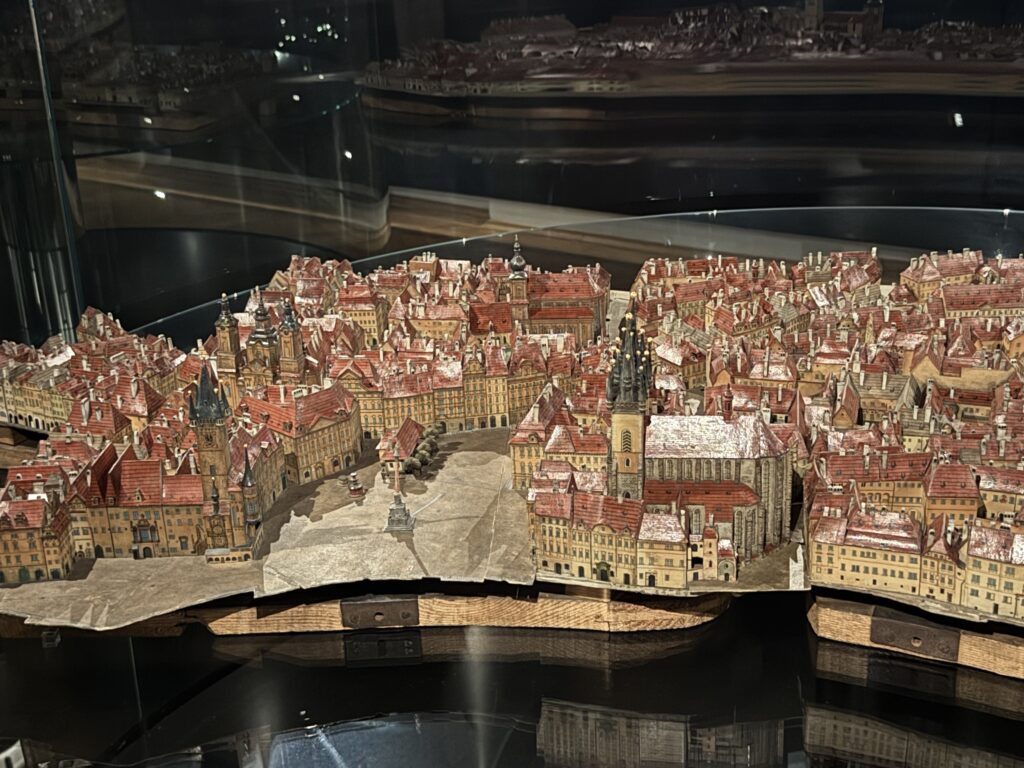
While the professional focus remained on international summits, the domestic environment in Prague provided a lens into urban preservation. The visit to the Museum of Prague, specifically to view the 19th-century paper model of the city constructed by Antonín Langweil, highlights the historical significance of urban planning. Langweil’s model, a feat of historical cartography and craftsmanship, serves as a benchmark for how cities maintain their identity amidst rapid modernization.
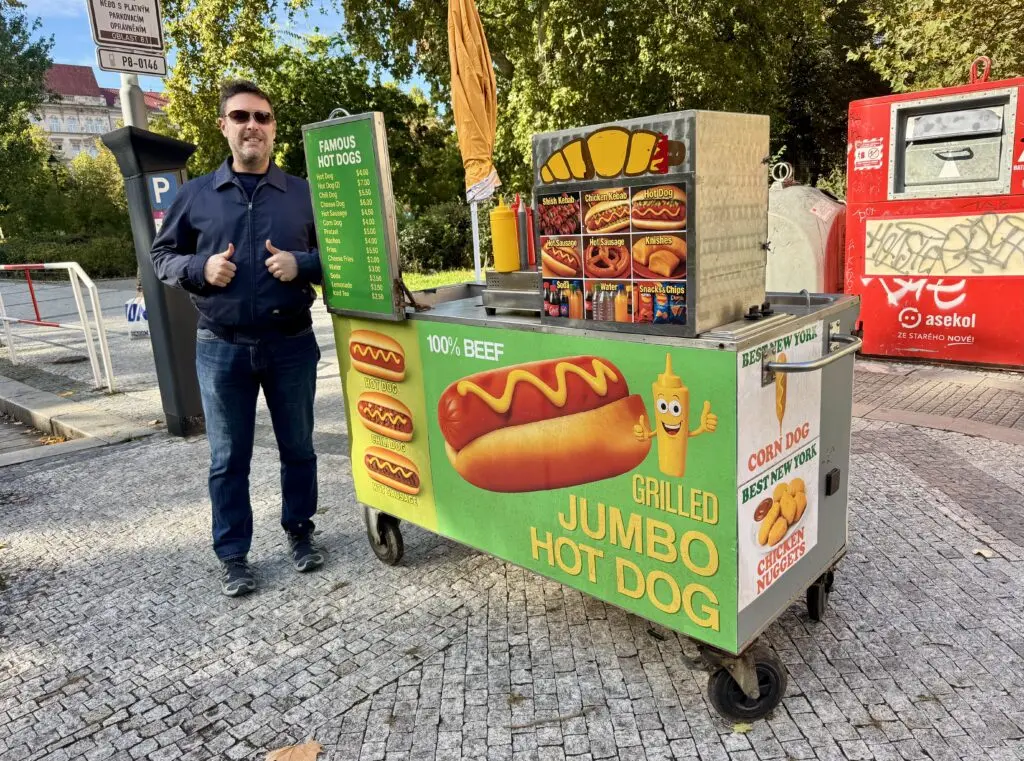
Conversely, the neighborhood of Karlín recently became the site of a film production team attempting to recreate a New York City aesthetic. This practice—often referred to as "location doubling"—highlights the economic benefits cities gain by hosting international film crews, though it also raises questions regarding the authenticity of urban representation. The juxtaposition of a historic Czech neighborhood with synthetic, often inaccurate, tropes of New York City, such as the implementation of non-standardized street food carts, underscores the ongoing tension between local reality and global cinematic perception.
Expanding the Educational Marketplace
October also saw the official launch of the Christmas Markets Masterclass, a 75-minute educational program designed to professionalize the planning process for seasonal tourism. The timing of this launch, mid-October, is statistically aligned with the consumer travel planning cycle, where interest in European winter travel peaks.
The masterclass addresses a critical gap in the travel advisory market: the logistical complexity of navigating multiple European border crossings and varying regional holiday customs. By synthesizing a decade of field research, the program offers a structured framework for travelers. The shift toward live, interactive, digital workshops represents an emerging business model for creators looking to monetize expertise through direct-to-consumer educational platforms, rather than relying exclusively on affiliate marketing or brand partnerships.
Media Consumption and Literary Analysis
The month’s intellectual and media intake provided insights into current cultural discourse. The literary focus included Long Division by Kiese Laymon, a novel that utilizes magical realism and non-linear timelines to explore the complexities of Black identity, Southern history, and the socio-political impact of natural disasters like Hurricane Katrina. The work’s unconventional structure, which requires the reader to physically manipulate the text, serves as a commentary on the fragmentation of historical narratives.
Additionally, the reading of In the Shadow of Eight: Surviving the Reality of My Childhood by Collin Gosselin sparked broader discussions regarding the ethics of reality television and the long-term impact on child participants in the industry. The memoir serves as a case study for the lack of legislative oversight in the early 2000s regarding child labor in media, a topic that has since prompted significant policy debates in various jurisdictions.
Future Outlook and November Projections
As the calendar transitions into November, the focus shifts toward the opening of the Christmas market season. The planned visitation to Plzeň, a city historically significant for its brewing heritage, reflects a trend toward secondary-city tourism. While major capitals often experience over-tourism during the festive season, smaller hubs like Plzeň offer a more sustainable model for both the local economy and the visitor experience.
Concert programming in Prague, featuring acts such as Jessie Ware and Pitbull, illustrates the city’s continued relevance as a stop on international touring circuits. These events serve as vital economic drivers for the city’s hospitality sector during the shoulder season.

Summary of Impact
October 2026 demonstrated a clear trend toward decentralization—whether through localized gym memberships, specialized digital education, or a preference for secondary-market tourism. The industry at large is currently moving toward a model that values granular expertise and sustainable, local engagement over the high-volume, generalized travel models that dominated the previous decade. As the year concludes, these shifts suggest that the future of travel and lifestyle content will be defined by personal accountability, niche knowledge, and a deeper engagement with the local context of one’s home and temporary residences alike.
The successful implementation of the Christmas Markets Masterclass and the sustained growth of professional networks in cities like Hamburg indicate that despite a volatile global climate, the demand for high-quality, actionable, and culturally authentic travel intelligence remains robust. As we look toward the remainder of the quarter, the industry is poised to leverage these trends to provide more value-driven experiences for the end-user.