The Evolution of the Las Vegas Luxury Landscape
The trajectory of Las Vegas luxury has been defined by three distinct eras of development. The first, beginning in the late 1940s with the opening of The Flamingo, established the template for the standalone resort. The second, characterized by the 1990s "megaresort" explosion, saw the rise of themed properties like The Mirage, which shifted the focus toward massive scale and theatrical entertainment. The modern era, however, is defined by hyper-exclusivity and the integration of ultra-luxury "hotels within hotels."

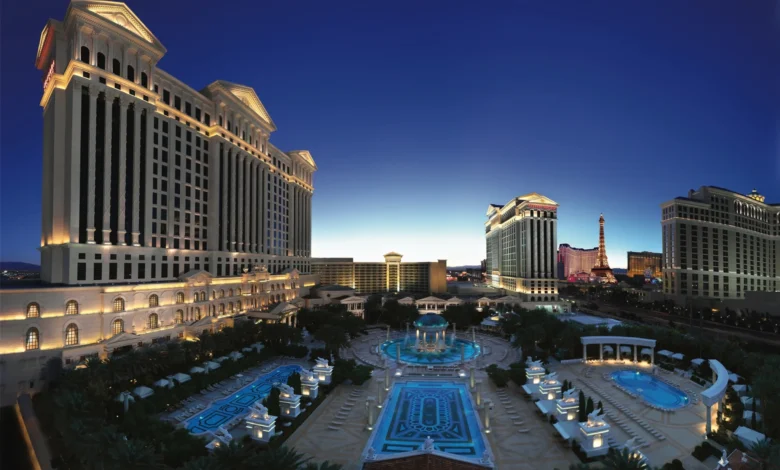
Today, properties such as the Wynn Las Vegas, The Cosmopolitan, and the various iterations of the Caesars Palace campus represent the pinnacle of this evolution. These venues operate on a business model that treats the room not as a primary product, but as a gateway to an ecosystem of high-net-worth services. This includes private jet concierge services, bespoke gaming salons, and personal butler departments that operate 24 hours a day to cater to the specific requirements of the international elite.
Chronology of Modern Luxury Development
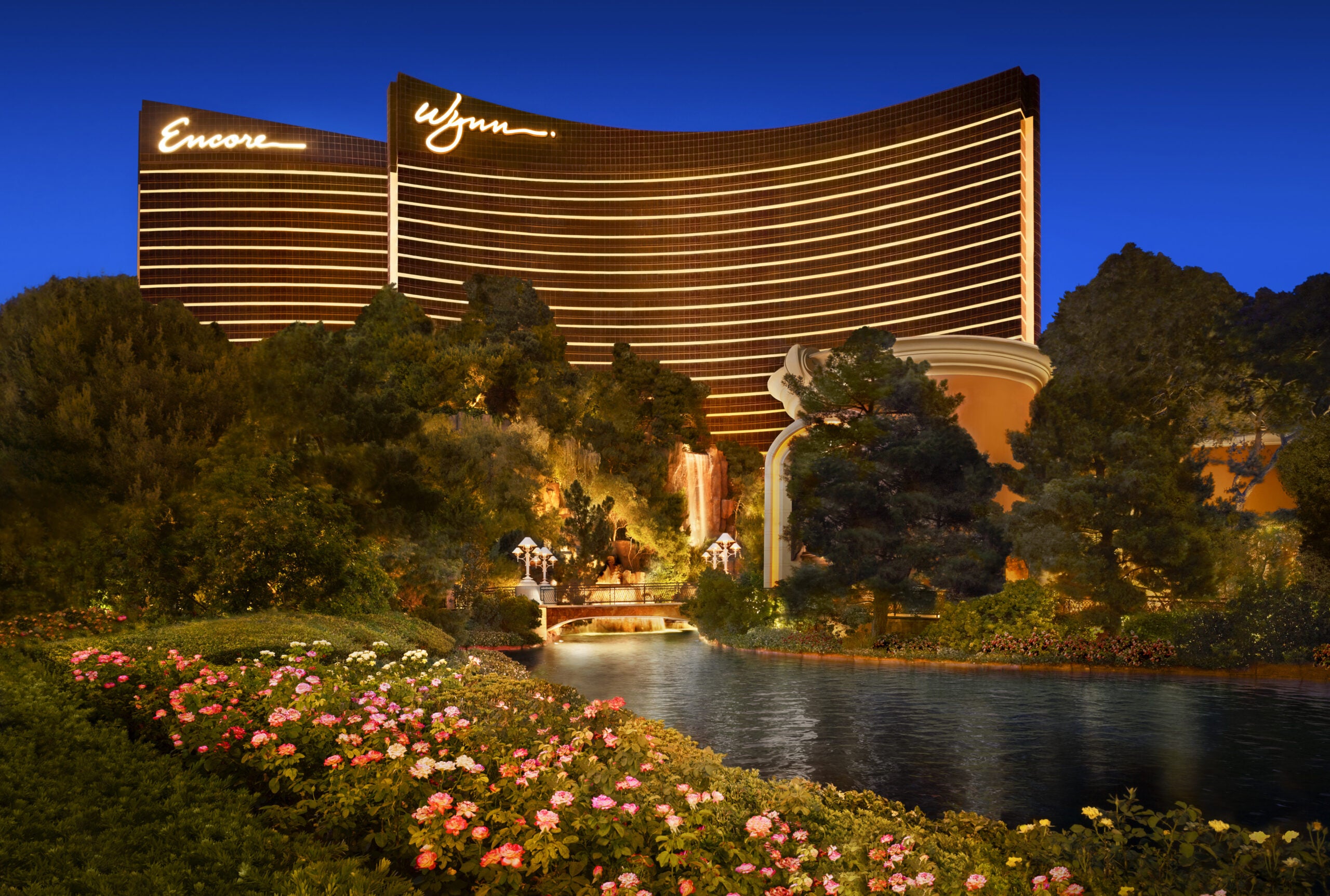
The current standard for luxury in Las Vegas is a direct result of capital investments made over the last two decades. In 2005, the opening of Wynn Las Vegas set a new gold standard for interior design and guest service, signaling a pivot toward high-end retail and fine dining as essential components of the hotel experience. This was followed in 2008 by the opening of Encore, which introduced the concept of the boutique-style villa retreat within a massive resort framework.

The 2010s saw the emergence of the "city center" model, most notably with the development of the Aria Resort & Casino. This period solidified the necessity of LEED-certified sustainable luxury and digital integration in room controls, marking a shift toward smart-room technology that is now standard in all top-tier suites. Most recently, the debut of properties like Resorts World and the continued renovation of legacy suites at Caesars Palace illustrate a commitment to maintaining the city’s status as a top-tier global destination for luxury travelers.
Architectural and Design Philosophies of Elite Suites
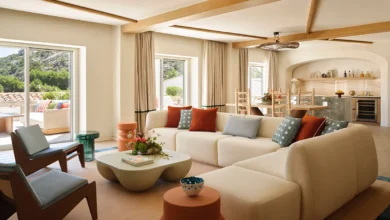
The most exclusive suites in Las Vegas—often referred to as "sky villas" or "mansions"—are characterized by a design philosophy that prioritizes total self-sufficiency. These suites often exceed 5,000 square feet and feature amenities that were once unheard of in a commercial hotel setting. Private infinity pools overlooking the Strip, dedicated elevators with private entry points to bypass the casino floor, and personal cinema rooms are now considered essential features for top-tier accommodations.

From an architectural standpoint, the design of these spaces serves a functional purpose: the containment of the guest. By providing a full kitchen, a private dining room for catered events, and dedicated spa treatment areas within the suite, the resorts successfully capture more revenue from the guest while ensuring absolute privacy. Data indicates that guests who utilize these high-end suites have an average length of stay 30% longer than standard resort guests, providing a steady stream of revenue through premium service add-ons.
Supporting Data: The Economic Footprint of Luxury Travel
The luxury segment of the Las Vegas market is a significant driver of the local economy. According to reports from the Las Vegas Convention and Visitors Authority (LVCVA), the average daily rate (ADR) for rooms at the city’s top-tier resorts has seen a compound annual growth rate (CAGR) of approximately 4.2% over the last five years. Despite global economic fluctuations, demand for "ultra-luxe" inventory—suites priced at $5,000 per night and above—remains resilient.

Furthermore, the integration of luxury retail is a vital component. The high-end shopping corridors within resorts like the Wynn and the Bellagio generate billions in annual sales, with brands reporting that Las Vegas locations frequently rank in the top five for global sales performance. This synergy between the hotel stay and the luxury retail experience creates a closed-loop economic environment that is highly resistant to market volatility.
Official Perspectives and Operational Standards
Industry experts and hotel management firms emphasize that the definition of luxury in Las Vegas has shifted from "gold-plated opulence" to "curated, frictionless service." In discussions regarding guest satisfaction, representatives from major hospitality groups note that the primary metric for success is the ability to anticipate guest needs before they are articulated. This is achieved through sophisticated data management systems that track guest preferences—from preferred pillow types to specific minibar requests—across their history of stays.
"The goal is to remove every point of friction," notes a senior director of operations for a major Strip resort. "When a guest enters a suite that costs more than an average monthly mortgage payment, they are not looking for a room; they are looking for a sanctuary that understands their lifestyle." This commitment to service excellence is supported by rigorous training programs, where staff are often trained in the standards of Forbes Travel Guide and Michelin-star service protocols.
Implications and Future Trends
The future of luxury hospitality in Las Vegas is currently focused on the integration of artificial intelligence and personalized wellness. As health-conscious travel becomes a priority for the affluent, resorts are increasingly incorporating "wellness suites"—rooms equipped with high-end air purification systems, circadian lighting, and in-room fitness equipment from premium brands.

Moreover, the impact of these luxury properties extends beyond the physical space. The competition for the "world’s best suite" encourages constant innovation, which filters down to lower-tier rooms. As top-tier resorts upgrade their amenities, the standard of service and comfort throughout the entire hotel property is forced to elevate, benefiting the broader tourism market.
However, the rapid expansion of luxury inventory poses challenges, including the sustainable management of resources in an arid climate and the necessity of maintaining staffing levels that can meet the high expectations of elite travelers. As the city prepares for future international events and an increasing influx of global visitors, the focus remains on balancing massive scale with individual attention.

Conclusion: The Enduring Allure of the Strip
The landscape of Las Vegas luxury is a testament to the city’s unique ability to reinvent itself. By continuously setting new benchmarks for design, service, and convenience, the resorts of the Las Vegas Strip have secured their position as the premier destination for those seeking an elevated experience. Whether through the expansive, high-tech suites of the modern era or the personalized butler services that recall a bygone age of hospitality, the hotels of Las Vegas ensure that the concept of excess remains not just a cliché, but a tangible, luxurious reality for those who book their stay at the top of the market. For the traveler, the choice is no longer just about where to sleep; it is about which immersive world to enter, with each property offering a distinct interpretation of what it means to live, even if only for a weekend, in the lap of modern luxury.