Geographically situated just 90 miles south of Key West, Florida, Cuba has long occupied a unique space in the geopolitical landscape of the Western Hemisphere. Despite its physical proximity to the United States, decades of economic embargoes, shifting diplomatic ties, and distinct domestic policies have rendered the Caribbean nation a distant and complex destination for international travelers. For decades, navigating entry requirements, currency systems, and local customs required careful planning, a reality that persists for contemporary visitors exploring the island.
The modern landscape of Cuban tourism and daily life is defined by a delicate balance between rich cultural heritage and persistent economic hurdles. As travelers look toward visiting the island, understanding the realities of its financial infrastructure, legal frameworks, and everyday social dynamics is more critical than ever.

The Evolution of U.S.-Cuba Travel Regulations
Travel regulations governing movement between the United States and Cuba have experienced significant volatility over the past several decades. While commercial air travel and certain categories of purposeful exchange were temporarily expanded during the historic diplomatic thaw initiated in late 2014 by President Barack Obama and Cuban leader Raúl Castro, subsequent administrations altered course.
The policy shifts implemented during the late 2010s systematically rolled back several previously established pathways, prohibiting group people-to-people educational travel and banning cruise ship arrivals from U.S. ports. Consequently, pure tourism remains strictly unauthorized under U.S. federal law.
Instead, American citizens and residents wishing to visit Cuba must legally qualify under one of twelve specific General License categories authorized by the U.S. Department of the Treasury’s Office of Foreign Assets Control (OFAC). These designated categories include:

- Family visits
- Official business of the U.S. government, foreign governments, and certain intergovernmental organizations
- Journalistic activity
- Professional research and professional meetings
- Educational activities
- Religious activities
- Public performances, clinics, workshops, athletic and other competitions, and exhibitions
- Support for the Cuban people
- Humanitarian projects
- Activities of private foundations or research or educational institutes
- Exportation, importation, or transmission of information or informational materials
- Certain export transactions authorized under existing guidelines
Failing to meet the strict criteria of these authorized categories can result in legal penalties, making comprehensive pre-trip verification essential for any traveler holding U.S. citizenship.
Chronology of Diplomatic and Economic Shifts
To fully grasp the current state of Cuba’s tourism and economic sectors, it is necessary to examine the historical timeline of recent policy interventions and financial reforms:
- Early 2000s: Educational travel exceptions are introduced under U.S. regulations, permitting limited academic exchanges.
- 2011: The Obama administration broadens permissible travel categories to include religious, cultural, and people-to-people educational exchanges.
- December 17, 2014: Presidents Barack Obama and Raúl Castro jointly announce the historic intent to normalize diplomatic relations and ease economic restrictions.
- 2016: Subsequent policy adjustments begin tightening travel parameters, signaling a return to stricter enforcement of the trade embargo.
- 2021: The Cuban government implements a major monetary unification program, officially eliminating the convertible peso (CUC) and establishing the Cuban peso (CUP) as the nation’s primary currency, alongside subsequent reforms introducing new exchange mechanisms.
- Present Day: Travelers encounter a heavily cash-reliant economy, evolving digital infrastructure challenges, and complex dual-currency dynamics.
Financial Realities: Navigating Cuba’s Cash Economy
One of the most profound transformations for visitors and residents alike centers on Cuba’s monetary system. The dual-currency era, which long confused tourists utilizing the former convertible peso (CUC), came to a definitive end with monetary reforms that unified the system around the Cuban peso (CUP).

For international visitors, modern travel to Cuba demands meticulous financial preparation. The island remains predominantly a cash-based economy. Due to international banking regulations, standard foreign credit and debit cards issued by many global financial institutions frequently fail to process at Cuban point-of-sale terminals or ATMs.
Travelers are strongly advised to arrive with sufficient physical currency—such as Euros, Canadian Dollars, or U.S. Dollars—to exchange for local tender upon arrival. Furthermore, because official exchange rates and financial policies are subject to regulatory updates, consulting up-to-date travel advisories immediately prior to departure is critical to avoid unexpected financial disruptions.
Socioeconomic Impacts on Local Communities
The interplay between international tourism, state-run industries, and private enterprise shapes the daily economic experiences of Cuban citizens. Observers note a stark contrast between individuals employed by the state—such as educators, healthcare professionals, and engineers—who typically receive fixed monthly wages, and those operating within the private sector.

Private workers, including independent taxi drivers, guesthouse proprietors, and operators of paladares (privately owned family restaurants), often earn income connected to the tourism sector and foreign currency inflows. While this private entrepreneurship has flourished following regulatory updates permitting small-business ownership, it has also widened income disparities within local communities.
Despite these economic pressures, the social fabric of Cuba remains defined by exceptional community resilience and hospitality. Independent travelers frequently report high levels of personal safety when navigating urban centers like Havana. The visible presence of local law enforcement, coupled with a cultural emphasis on communal solidarity, contributes to an environment where violent crime against tourists remains rare. Nevertheless, visitors are routinely advised to exercise standard urban awareness to deter opportunistic petty theft.
Infrastructure, Shortages, and Tourism Realities
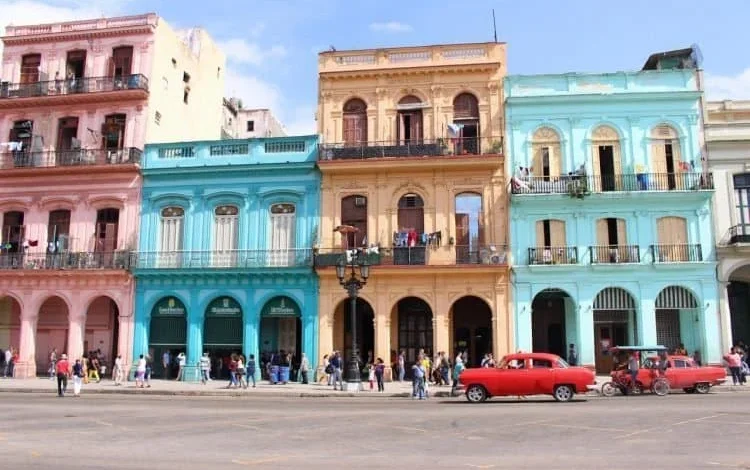
Tourism infrastructure in Cuba presents a unique juxtaposition of historic charm and operational challenges. Visitors continue to be drawn to Havana’s colonial architecture, vintage 1950s automobiles, vibrant musical heritage, and scenic coastal landscapes. The explosive growth of private eateries and homestays (casas particulares) has significantly expanded lodging and dining options compared to previous decades.

At the same time, the island periodically experiences infrastructural strains, including localized energy shortages, restricted internet connectivity, and occasional supply chain bottlenecks for basic consumer goods. These realities require independent travelers to maintain a flexible itinerary and a patient mindset.
Broader Implications and Future Outlook
The trajectory of Cuba’s development hinges on a complex matrix of domestic economic reforms and shifting international geopolitics. As bilateral talks remain slow and susceptible to electoral cycles in foreign partner nations, the overarching trade embargo continues to shape the daily lives of everyday citizens.
For researchers, historians, and adventurous travelers alike, visiting Cuba offers an unfiltered look at a society preserving its rich cultural identity while actively negotiating the pressures of modern globalization. Prospective visitors must approach the destination with thorough preparation, cultural sensitivity, and an awareness of the logistical frameworks required to navigate the island responsibly.