The Commodification of Culture: How Social Media and Modern Tourism Are Redefining Indigenous Exchanges

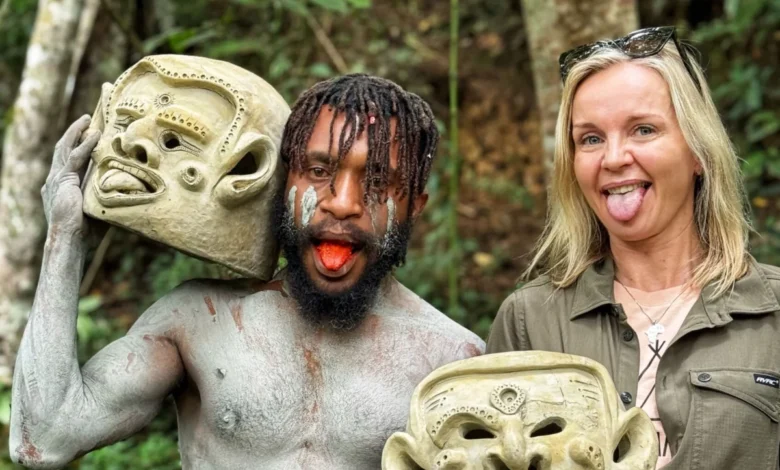
In an era defined by ubiquitous digital connectivity, budget airlines, and the relentless pursuit of online visibility, the intersection of global travel and Indigenous communities has entered a contentious new phase. While international tourism has long promised to bridge cultural divides, the rise of content creation has introduced a complex dilemma: where does meaningful cultural exchange end, and the commodification of human beings begin? This tension has become a central focus for cultural anthropologists, tourism operators, and Indigenous rights advocates alike, as viral algorithms increasingly reward the exoticization of traditional ways of life.
The debate has gained urgent traction following observations from cultural anthropologist Anniina Sandberg, the founder and CEO of Visit Natives. Drawing on more than two decades of fieldwork and collaborative tourism initiatives alongside groups such as the Maasai and Hadzabe in Tanzania, the Sámi in Norway, Berber communities in Morocco, and Indigenous tribes in Papua New Guinea, Sandberg has charted the shifting landscape of global travel. Her insights point to an urgent need to re-evaluate how modern tourists, content creators, and travel agencies interact with some of the world’s most vulnerable populations.
The Digital Shift: From Cultural Understanding to Clickbait
For decades, sustainable tourism discourse primarily centered on environmental footprints, economic fairness, and the preservation of tangible heritage. However, the proliferation of smartphones, high-speed mobile internet, and social media platforms like TikTok, Instagram, and YouTube has shifted the paradigm. Today, travelers possess the technological capability to broadcast intimate cultural interactions to a global audience in real-time, often without fully considering the social fallout.
Sandberg’s concerns crystallized vividly after she shared online documentation of her time visiting the Hadzabe hunter-gatherers in Tanzania. While the original intent was to foster cross-cultural appreciation, a significant portion of the digital response strayed into troubling territory. Rather than engaging with the community’s complex social structures, ecological knowledge, or historical resilience, many online commentators reduced the Hadzabe to sources of amusement and entertainment.
This phenomenon highlights a broader structural issue within modern media consumption: the flattening of rich, multifaceted cultures into two-dimensional stereotypes designed to maximize algorithmic engagement. When human lives and ancient traditions are packaged into brief, sensationalized clips for digital validation, the foundational respect required for genuine cultural exchange is eroded. Consequently, Indigenous groups risk being reframed not as sovereign communities with distinct identities, but as passive products designed for tourist consumption and digital clout.

Chronology and Evolution of Indigenous-Led Tourism
To understand the current friction between travelers and Indigenous populations, it is necessary to examine the historical trajectory of cultural tourism over the past several decades.
During the late 20th century, cultural tourism largely operated through structured, institutional channels. Travelers typically engaged with Indigenous communities through regulated museum exhibits, government-sponsored cultural centers, or heavily supervised day tours managed by external operators. While these early models often suffered from paternalism and a lack of local autonomy, they generally maintained a clear boundary between the visitor and the daily lives of the hosts.
By the early 2000s, a growing demand for authenticity prompted a shift toward community-based tourism (CBT). Travelers increasingly sought out immersive experiences, desiring to step outside the standard resort bubble. Pioneering organizations, including Sandberg’s Visit Natives, emerged during this period to champion models where Indigenous communities retained operational control, economic benefits, and a decisive voice in how they presented their heritage to outsiders.
However, the 2010s and 2020s introduced the disruptive force of ubiquitous social media and the creator economy. The traditional gatekeepers of travel publishing—such as guidebooks and documentary filmmakers—were largely bypassed. Instead, individual travelers and micro-influencers became primary conduits of cultural representation. This democratization of media creation empowered many travelers to share diverse perspectives, but it simultaneously eliminated professional editorial oversight, leaving marginalized communities vulnerable to unchecked exploitation, voyeurism, and digital misrepresentation.
The Mechanics of Exploitation: Convenience Versus Reciprocity
A core argument raised by cultural experts is the fundamental mismatch between standardized tourist itineraries and authentic human connection. Conventional tourism is frequently engineered around convenience. Travelers arrive on tight schedules, participate in scripted activities, capture photographic evidence of their visit, and depart, all while leaving minimal disruption to their own comfort but maximum disruption to the local rhythm of life.
Under this transactional model, traditional ceremonies, attire, and daily routines are frequently adapted to fit the expectations and schedules of visiting parties. This creates a performative loop where Indigenous peoples act out simplified versions of their culture to satisfy the commercial demands of the ticket-holder.

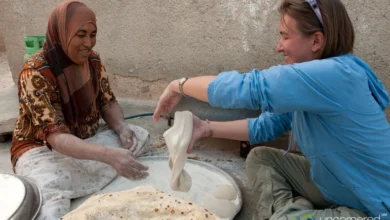
In contrast, advocates for ethical tourism argue that genuine cultural exchange mirrors the dynamics of hospitality found anywhere in the world: it is reciprocal, unhurried, and built on shared domestic spaces. Organizations operating under this ethical framework eschew rapid-fire day excursions in favor of multi-day integrations. By sharing meals, engaging in unscripted conversations, and sleeping under the same roof, travelers transition from being detached spectators to active participants in a shared human experience. This approach fosters mutual understanding and dismantles the power imbalances inherent in traditional sightseeing.
The Complexities of Consent in the Digital Age
A critical flashpoint in modern ethical travel is the issue of consent, particularly regarding photography and videography. While basic travel etiquette generally dictates that visitors should ask permission before taking a picture, the realities of the digital ecosystem render this standard inadequate.
In many remote Indigenous communities, residents may possess a profound understanding of their immediate environment, yet remain entirely unfamiliar with the mechanics of the internet, social media algorithms, or the permanent, borderless reach of global digital platforms. A community member may readily grant verbal permission for a photograph, assuming the image is intended for a private family album or a localized physical publication, completely unaware that the same image could be broadcast to millions of strangers, monetized by third-party creators, or stripped of its original context.
This asymmetry in knowledge creates a significant ethical vulnerability. True informed consent requires far more than a transactional nod; it necessitates comprehensive transparency regarding how images and stories will be utilized, fair economic compensation where applicable, and the absolute assurance that Indigenous individuals maintain ongoing agency over their own digital likeness and cultural property.
Industry Responsibility and the Need for Standards
While individual tourists bear personal responsibility for their conduct, experts emphasize that the burden of protection cannot rest on travelers alone. The broader tourism industry—including international agencies, tour operators, booking platforms, and hospitality enterprises—plays a pivotal role in establishing the norms of cross-cultural engagement.
Many Indigenous communities face severe systemic pressures, including land dispossession, economic marginalization, and climate-induced livelihood disruptions. These vulnerabilities can compel communities to accept tourism arrangements that offer short-term financial relief while compromising their long-term cultural and social well-being.

To counteract these pressures, industry analysts advocate for the establishment of binding international codes of conduct for travel operators working with Indigenous populations. Such standards would mandate rigorous cultural sensitivity training for travelers, require verifiable proof of community consent for promotional materials, and ensure equitable revenue-sharing models that directly fund local self-determination and heritage preservation initiatives.
Broader Impact and Economic Implications
The stakes of this cultural debate extend far beyond matters of etiquette; they strike at the heart of self-determination, human dignity, and economic justice for Indigenous populations worldwide. When tourism is managed ethically and community-led, it can serve as a powerful economic engine that validates traditional knowledge, revitalizes endangered languages, and funds environmental conservation efforts.
Conversely, unchecked commodification risks eroding social cohesion within communities, stoking internal divisions over the distribution of tourism revenues, and cementing harmful cultural stereotypes in the global consciousness. The financial gains realized by external content creators or tour agencies rarely trickle down to compensate for the intangible cultural losses sustained by the host community.
Conclusion: Redefining the Future of Ethical Travel
The ongoing dialogue sparked by anthropologists and Indigenous advocates does not suggest that travel to remote or Indigenous communities should cease. Rather, it challenges travelers to fundamentally reframe their motivations and methodologies.
Ultimately, the issue is not whether visitors should explore the rich mosaic of human diversity or document their journeys, but whether those interactions are anchored in mutual respect, dignity, and true reciprocity. By prioritizing human connection over algorithmic engagement, respecting the boundaries of informed consent, and supporting community-led tourism frameworks, travelers can help ensure that cultural exchange remains a bridge of mutual understanding rather than an instrument of exploitation.