A Comprehensive Guide to Haggling in Morocco: Master the Art of the Souk and Find the Best Souvenirs

The traditional art of negotiation remains an integral commercial and cultural practice within the Kingdom of Morocco, governing nearly all transactions within its historic marketplaces, or souks. Navigating these labyrinthine commercial hubs requires a nuanced understanding of local etiquette, monetary logistics, and regional craftsmanship. Recent travel data from late 2026 indicates that international tourism to Morocco continues to surge, drawing thousands of visitors eager to acquire authentic regional goods—ranging from hand-woven Berber carpets to fine leatherware and artisanal ceramics. However, cultural expectations surrounding pricing can present a steep learning curve for foreign travelers accustomed to fixed-price retail environments.
Understanding Market Dynamics and Regional Specialization

Moroccan commerce is deeply rooted in geographical specialization, meaning that the origin of a product heavily dictates both its authenticity and its baseline value. According to recent commercial insights gathered across Marrakech, Tinghir, Erfoud, and Fes, specific regions hold monopolies on distinct artisanal crafts.
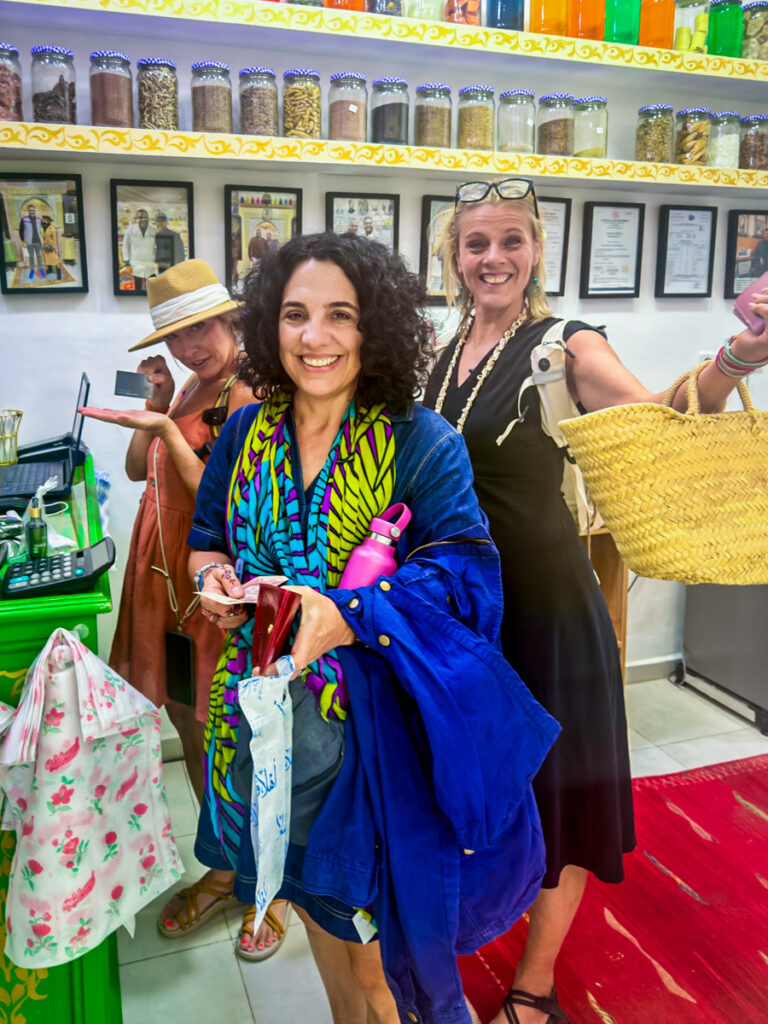
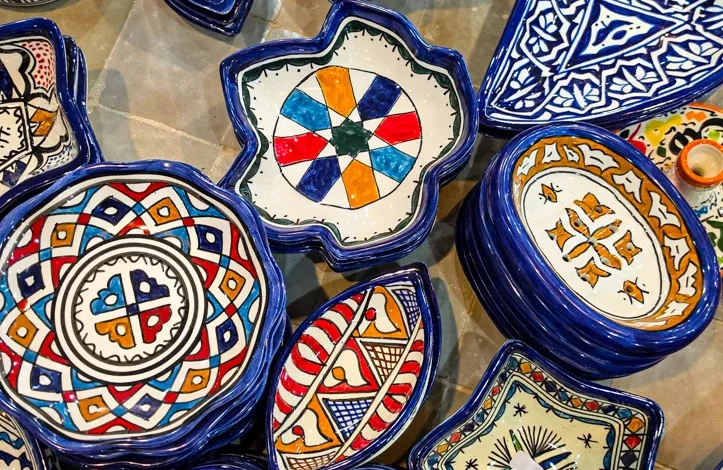
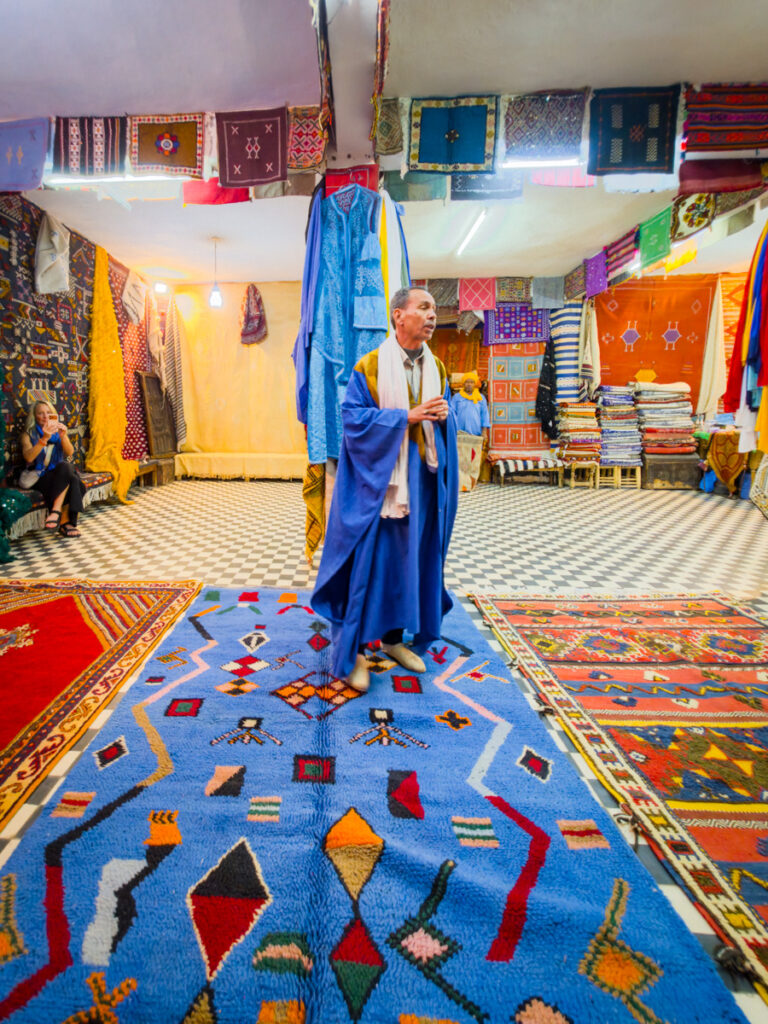
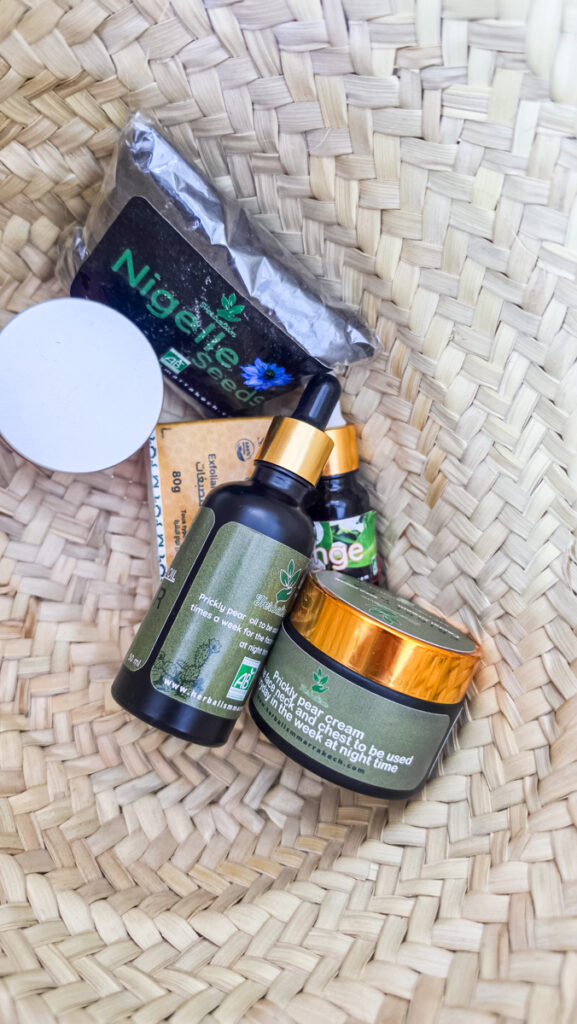
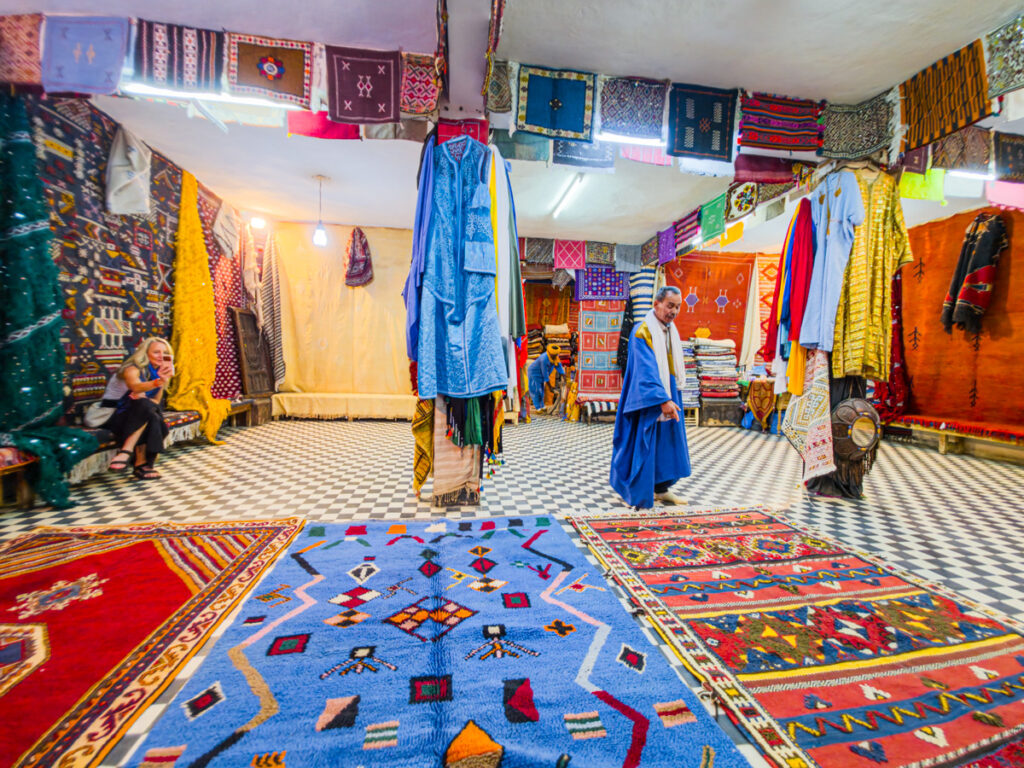
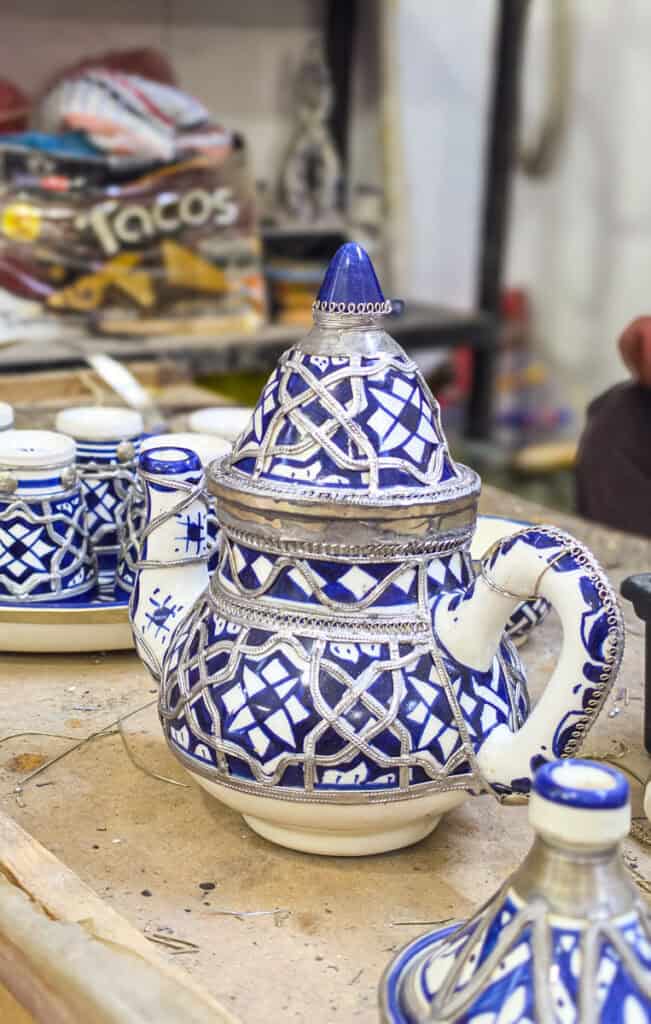
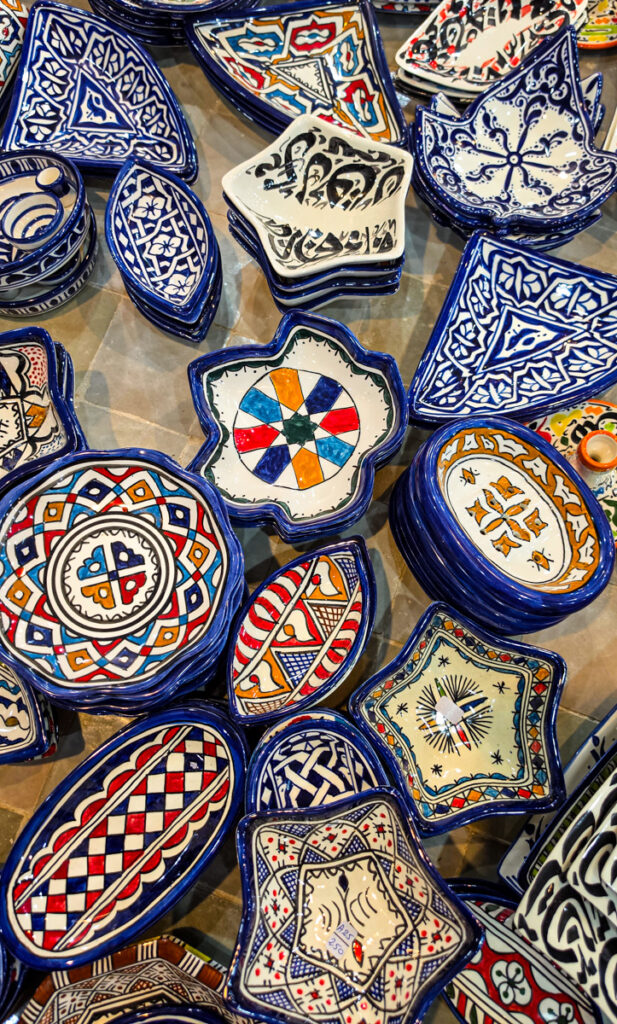
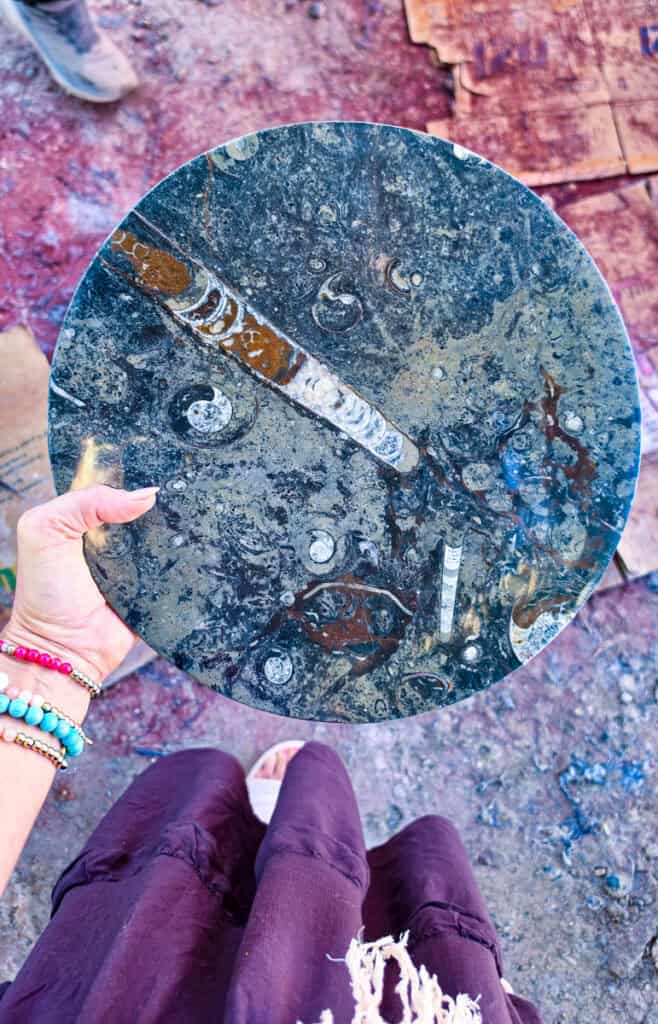
Argan oil, derived exclusively from the kernels of the endemic argan tree of southwestern Morocco, along with traditional spices, are predominantly sourced within the bustling souks of Marrakech. Conversely, monumental hand-knotted carpets are best acquired either through certified women’s cooperatives along the transit routes toward the Sahara Desert—such as in Tinghir—or directly from established merchant guilds. Further north, the city of Fes is universally recognized as the epicentre for intricate zellige mosaic tilework, lead-free ceramics, and supple, vegetable-tanned leather goods. Meanwhile, the desert outpost of Erfoud serves as the primary trade center for ancient marine fossils and crystalline mineral formations.
The Chronology and Etiquette of the Negotiation Process
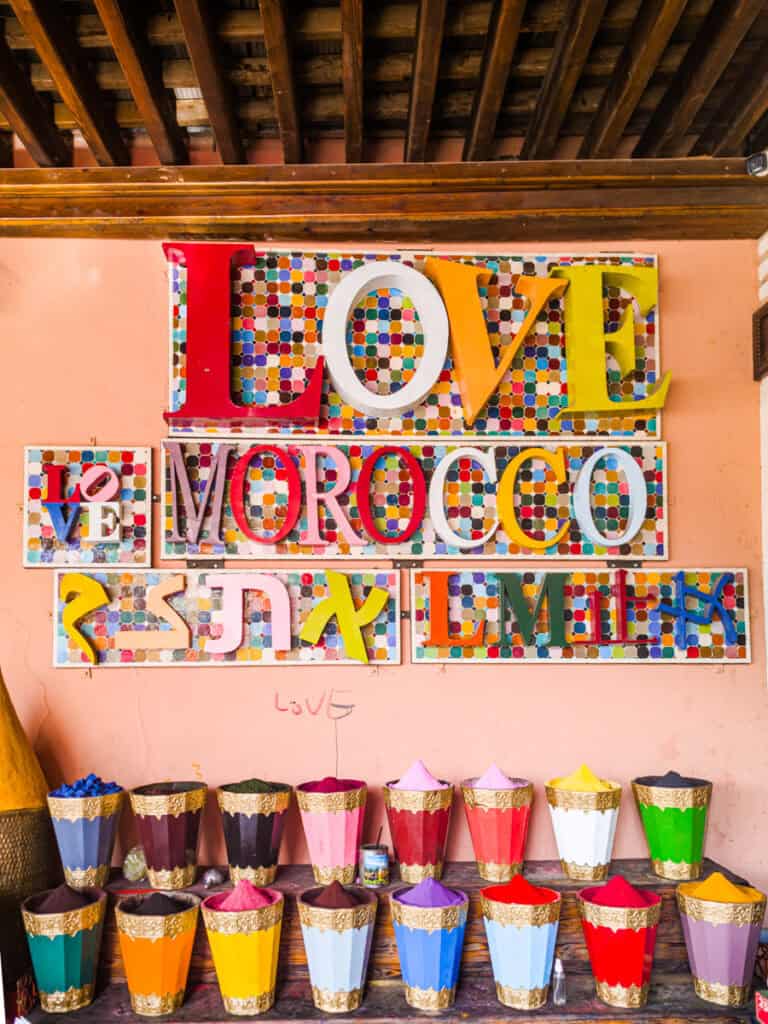
Haggling within Moroccan marketplaces is not merely a financial transaction; it is structured as a social exchange built on mutual respect, patience, and conversational rapport. Commercial interactions typically adhere to an unwritten protocol that both parties anticipate and respect.
Market activity generally commences with the opening of the souks between 9:00 AM and 9:30 AM local time. Local merchants attach traditional significance to the first sale of the day, often referred to as "fetouh," believing it sets a fortunate precedent for subsequent trade. Consequently, morning shoppers occasionally encounter more receptive pricing structures.
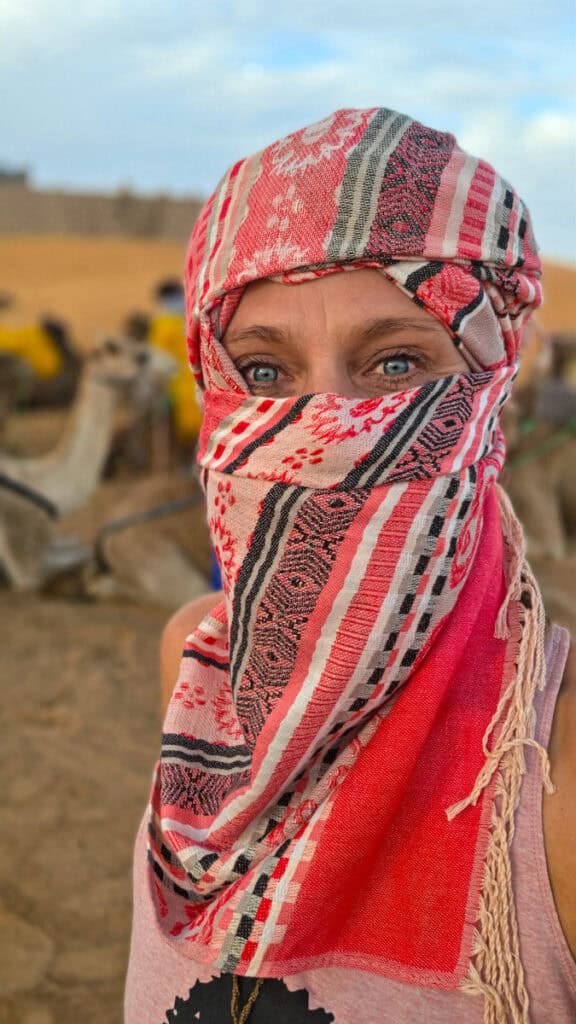
When entering into a negotiation, standard practice dictates that a prospective buyer opens with an offer approximating one-third of the vendor’s initial asking price. Through a polite, measured exchange of counter-offers, both parties typically converge on a final transaction value resting near 50 percent of the original quote. Experienced guides emphasize that maintaining a cheerful, relaxed demeanor is paramount; aggressive bargaining or overt frustration is considered a breach of cultural etiquette and invariably stalls negotiations. If an agreement cannot be reached, walking away remains an accepted and respected conclusion to the interaction.

Economic Implications and Currency Logistics
Practical financial preparedness is essential for international visitors engaging in Moroccan commerce. Despite the expansion of digital infrastructure in major urban centers, cash remains the dominant medium of exchange within traditional souks and rural cooperatives. Point-of-sale card terminals are frequently unreliable, and remote regions—such as desert encampments—lack automated teller machine (ATM) access.
Furthermore, the Moroccan dirham operates as a closed currency, meaning it cannot be acquired outside the nation’s borders and is subject to strict export controls regulated by the Office des Changes. Current financial regulations permit travelers to depart the country carrying a maximum of 2,000 dirhams in physical cash. Travelers are strongly advised to retain all official ATM and currency exchange receipts, as border and exchange authorities frequently require documentation before converting residual dirhams back into foreign tender.

Logistical Challenges of International Shipping and Customs

The acquisition of large-scale artisanal goods, particularly hand-woven carpets and substantial leather furniture, introduces complex logistical challenges regarding transport and international trade regulations.
Many established cooperatives and merchant houses offer direct international shipping services. Consumer protection advocates advise buyers to secure comprehensive agreements in writing—detailing delivery timelines, insurance coverage, and total shipping costs—prior to finalizing any transaction. Additionally, photographic documentation of the specific item purchased serves as a vital safeguard to ensure the correct merchandise is ultimately delivered.

From a regulatory standpoint, international buyers must navigate destination customs frameworks. For travelers returning to the United States, goods carried personally in accompanying luggage contribute toward standard duty-free exemptions, typically valued at $800 per resident. However, items shipped separately are subject to distinct regulatory oversight, and shifting customs policies regarding low-value exemptions mean that importers may incur supplementary duties and administrative processing fees upon delivery.
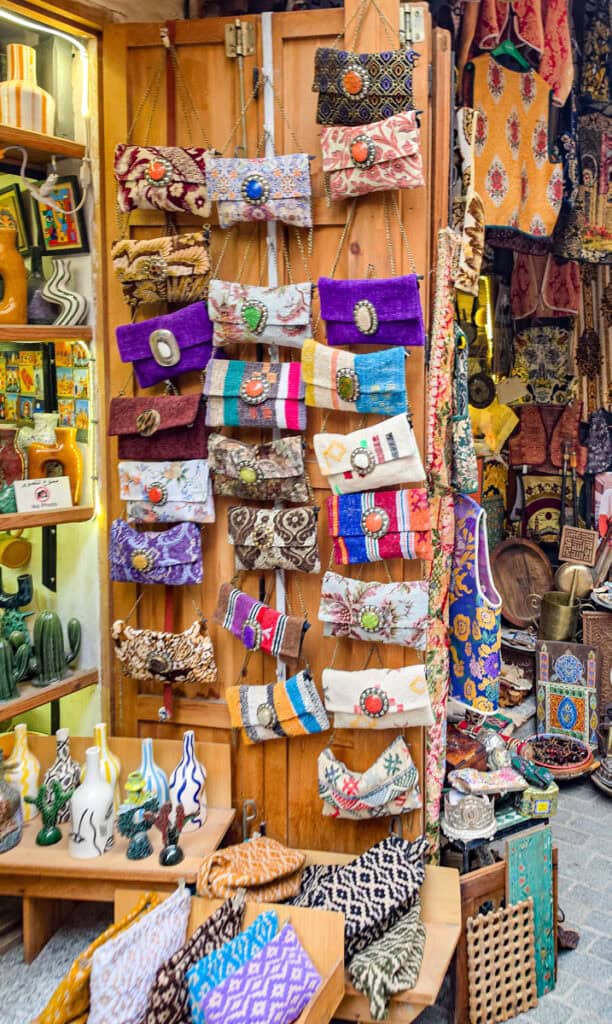
Broader Cultural and Economic Impact
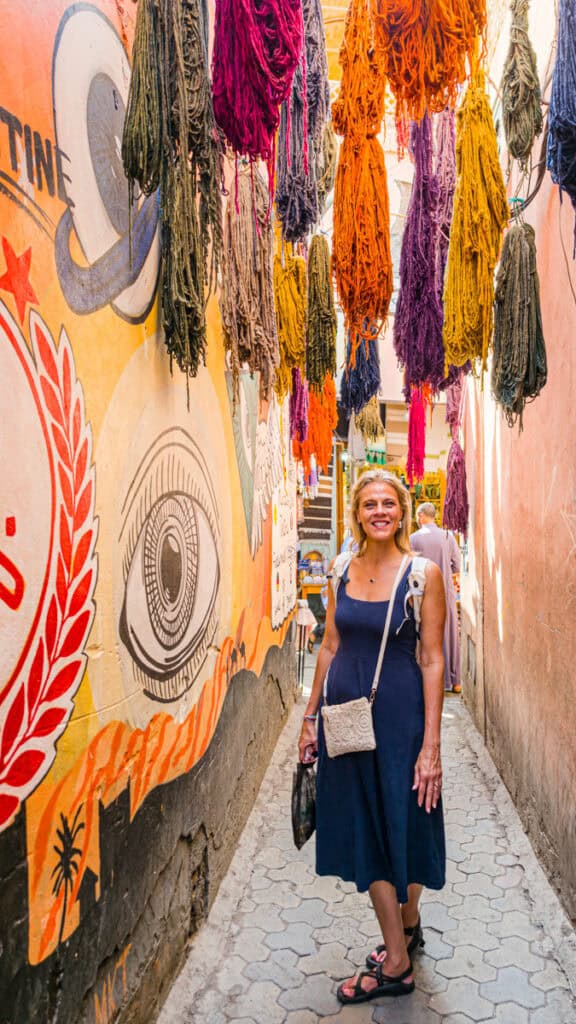
The burgeoning market for authentic Moroccan handicrafts plays a vital role in supporting local micro-economies, particularly through women-run cooperatives in rural areas. By decentralizing manufacturing and retail away from mass-market tourist hubs, these cooperatives ensure that a significantly higher percentage of revenue directly benefits the artisans and their communities.
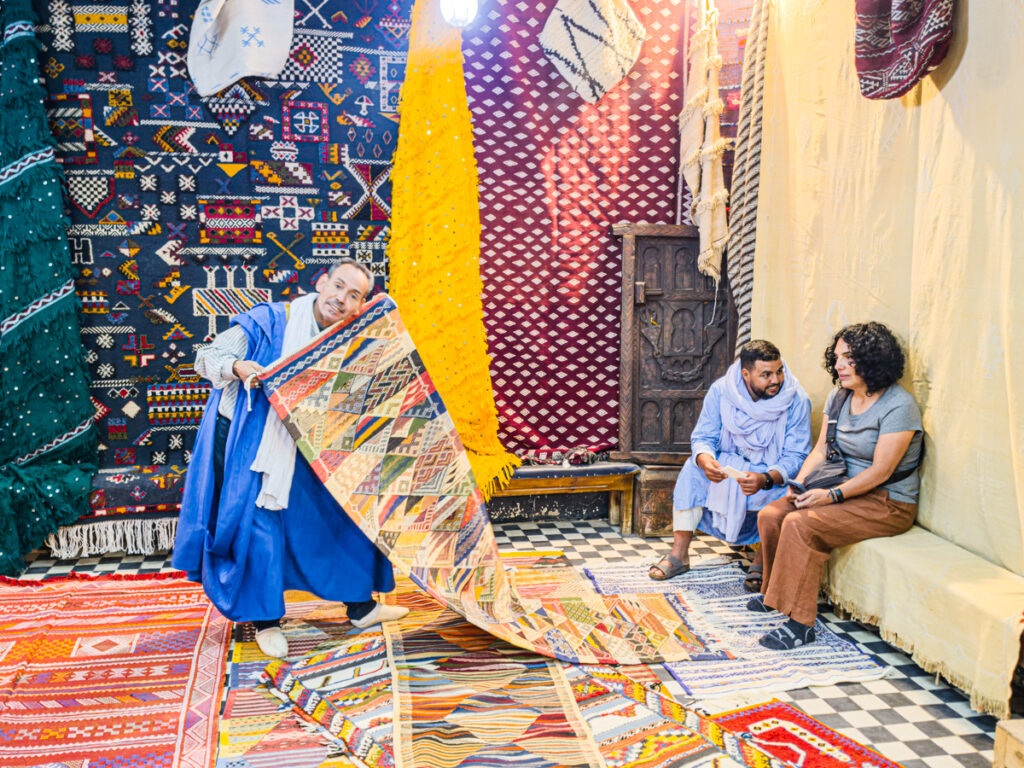
Experts note that while the mechanics of haggling can occasionally induce anxiety among uninitiated tourists, approaching the process with cultural awareness transforms commercial exchanges into meaningful cross-cultural dialogues. As Morocco solidifies its status as a premier global travel destination, preserving the integrity of these ancient trade traditions remains essential for sustaining both the national heritage and the livelihoods of generations of traditional craftsmen and weavers.