From Global Nomads to Permanent Residents: How Sinking Roots in Bulgaria Transformed Two Travelers Health and Daily Routines

After more than 15 years of continuous international mobility, long-term travel veterans Dariece and Nick have officially transitioned from perpetual nomads to legal residents of Bulgaria, marking a profound shift in their lifestyle, health paradigms, and daily routines. Having spent over a decade and a half navigating international airports, short-term vacation rentals, and unpredictable culinary landscapes, the couple’s relocation to the Balkan nation represents a growing trend among remote workers and digital entrepreneurs seeking stability over constant transit.

The decision to establish a permanent base in Bulgaria—specifically moving from a multi-year stint near Plovdiv to the mountainous region of Bansko—highlights a broader socio-economic movement. As the global digital nomad demographic matures, many pioneers of the 2008 remote work boom are confronting the cumulative physical toll of transient living. By adopting a structured residential routine centered around wellness infrastructure, the couple has implemented ten foundational lifestyle modifications aimed at mitigating the chronic health disruptions associated with long-term travel.
The Cumulative Toll of Perpetual Travel and the Quest for Stability
The modern remote work lifestyle, while offering geographical freedom, historically forces compromises in nutrition, sleep hygiene, and preventative healthcare. Frequent shifts in time zones, variable mattress quality, and reliance on convenience-driven dining options frequently compromise metabolic and neurological health. For the past decade and a half, the couple operated without a fixed domestic infrastructure, a lifestyle that initially felt invigorating in their twenties but gradually introduced systemic fatigue as they entered their forties.

Statistical analyses from occupational health studies consistently demonstrate that lack of routine significantly elevates cortisol levels, disrupts circadian rhythms, and impedes long-term cardiovascular conditioning. Recognizing these vulnerabilities, the transition to Bulgarian residency provided an opportunity to build a predictable, health-centric daily architecture. Their relocation is part of a wider demographic shift of remote professionals choosing Eastern Europe for its affordable cost of living, robust natural spa infrastructure, and favorable tax residency programs.
Infrastructure of Wellness: Saunas, Mineral Pools, and Thermal Therapy
Central to the couple’s new health regimen is structured thermal and mineral therapy, readily accessible due to Bulgaria’s rich geological landscape. The country boasts hundreds of natural mineral springs, particularly concentrated in regions like Bansko and the surrounding Blagoevgrad province.

- Weekly Sauna Protocols: Incorporating regular dry and infrared sauna sessions has become a cornerstone of their physical maintenance. Clinical research supports the physiological efficacy of regular thermal exposure, which mimics moderate cardiovascular exercise by elevating heart rate, improving endothelial function, and facilitating the excretion of heavy metals through perspiration.
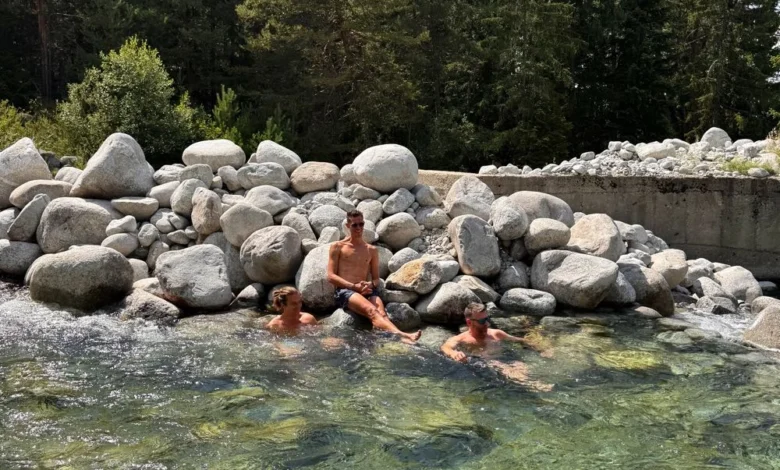
- Mineral Spring Hydrotherapy: The region’s thermal waters, naturally abundant in magnesium, calcium, sulfur, and bicarbonate, offer documented musculoskeletal and dermatological benefits. Regular immersion in these naturally heated basins provides active recovery for muscle tissue following rigorous alpine activity.
- Natural Cold Water Plunges: Complementing thermal therapy with cryotherapy, Nick utilizes the local mountain streams and alpine plunge pools for cold-water immersion. Scientific literature highlights that controlled cold exposure triggers norepinephrine release, reduces systemic inflammation, and enhances psychological resilience through acute endocrine stimulation.
Sleep Optimization and Biological Data Tracking
Recognizing that restorative sleep is the prerequisite for all physical recovery, the residents prioritized ergonomic remediation within their living spaces. Recognizing the detrimental effects of substandard mattresses encountered during their nomadic years—which frequently lead to micro-arousals and chronic musculoskeletal strain—the couple integrated biometric tracking devices, including the Oura Ring and Apple Watch, to quantify sleep architecture, REM cycles, and heart rate variability (HRV).
Furthermore, the integration of Hair Tissue Mineral Analysis (HTMA) allowed for a precision-health approach rather than generalized supplementation. By analyzing cellular mineral retention and heavy metal accumulation over time, they tailored their nutritional intake to address specific intracellular deficiencies identified through laboratory diagnostics. This data-driven methodology reflects a modern convergence of travel lifestyle design and functional medicine.

Active Lifestyles: Alpine Endurance and Multi-Session Movement
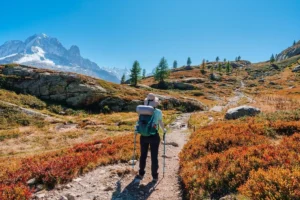
Living adjacent to the Pirin National Park has fundamentally transformed their physical activity levels. The geographical positioning at the foot of high-altitude mountain ranges facilitates daily micro-workouts integrated naturally into the day.
Their daily protocol typically incorporates:

- Early morning mobility work and stretching.
- Moderate-to-high-intensity alpine hiking across rugged topography, serving as both cardiovascular conditioning and weight-bearing exercise.
- Midday strength training sessions at local municipal gym facilities.
- Evening recovery walks to promote active digestion and cortisol clearance.
This multi-session movement pattern counters the sedentary hazards of laptop-based remote labor, significantly improving insulin sensitivity and joint mobility compared to their previous urban-hopping lifestyle.
Nutritional Autonomy and Conscious Consumption
A primary structural advantage of permanent residency is access to a functional domestic kitchen and proximity to local agrarian markets. Constant travel inherently restricts culinary autonomy, forcing reliance on restaurant dining where ingredient sourcing, sodium content, and cooking oils remain outside consumer control.

By preparing the vast majority of their meals domestically, the couple regained oversight of their macronutrient intake, emphasizing locally sourced proteins, seasonal vegetables, and unrefined ingredients. Concurrently, their relationship with alcohol underwent a structural revision. While continuing to appreciate the viticulture of the Balkan and neighboring Aegean regions, consumption transitioned from a social habit dictated by transient nomad culture to an intentional, infrequent practice integrated with meals or specific social gatherings. Epidemiological studies consistently indicate that moderating alcohol intake past middle age yields substantial improvements in hepatic function, sleep architecture, and long-term metabolic health.
Sociological Implications: Community Integration and Mental Well-Being
Beyond physiological biomarkers, the transition to permanent residency underscores the critical role of social capital in holistic health outcomes. Public health research consistently demonstrates that chronic isolation—a frequent byproduct of perpetual travel—correlates with heightened inflammatory markers and reduced longevity.

Bansko has evolved into a recognized hub for international remote workers, blending a stable local Bulgarian population with an established community of entrepreneurs and long-term expatriates. Establishing roots in a predictable geographic location allowed the couple to transition from superficial networking to deep, reciprocal community engagement. Regular participation in local social structures, collaborative outdoor excursions, and neighborhood dinners provides the psychological stability necessary to sustain long-term professional and personal productivity.
Broader Implications for the Digital Nomad Ecosystem
The trajectory of these long-term travelers serves as a case study for the maturation of the global remote workforce. As the initial generation of digital nomads ages, the sustainability of living entirely out of a suitcase is increasingly called into question.

The successful pivot demonstrated by establishing residency in Bulgaria highlights a viable blueprint for remote professionals globally: combining the geographical and financial arbitrage of living abroad with the biological necessity of fixed routines, robust healthcare tracking, and community integration. Ultimately, the synthesis of natural thermal infrastructure, precision nutrition, rigorous physical training, and stable social frameworks illustrates that geographical freedom does not inherently require the sacrifice of long-term physiological well-being.