The demand for premium indoor aquatic facilities has seen a significant surge as luxury hospitality providers increasingly prioritize year-round wellness and family-oriented recreational amenities. While seasonal outdoor pools traditionally dictated the travel calendar for families and leisure seekers, the development of sophisticated indoor natatoriums, glass-enclosed solariums, and integrated water parks has effectively decoupled high-quality swimming experiences from regional weather constraints. These climate-controlled environments are now critical infrastructure for global hospitality brands, designed to sustain occupancy rates during off-peak seasons and inclement weather periods.
The Evolution of the Indoor Aquatic Experience
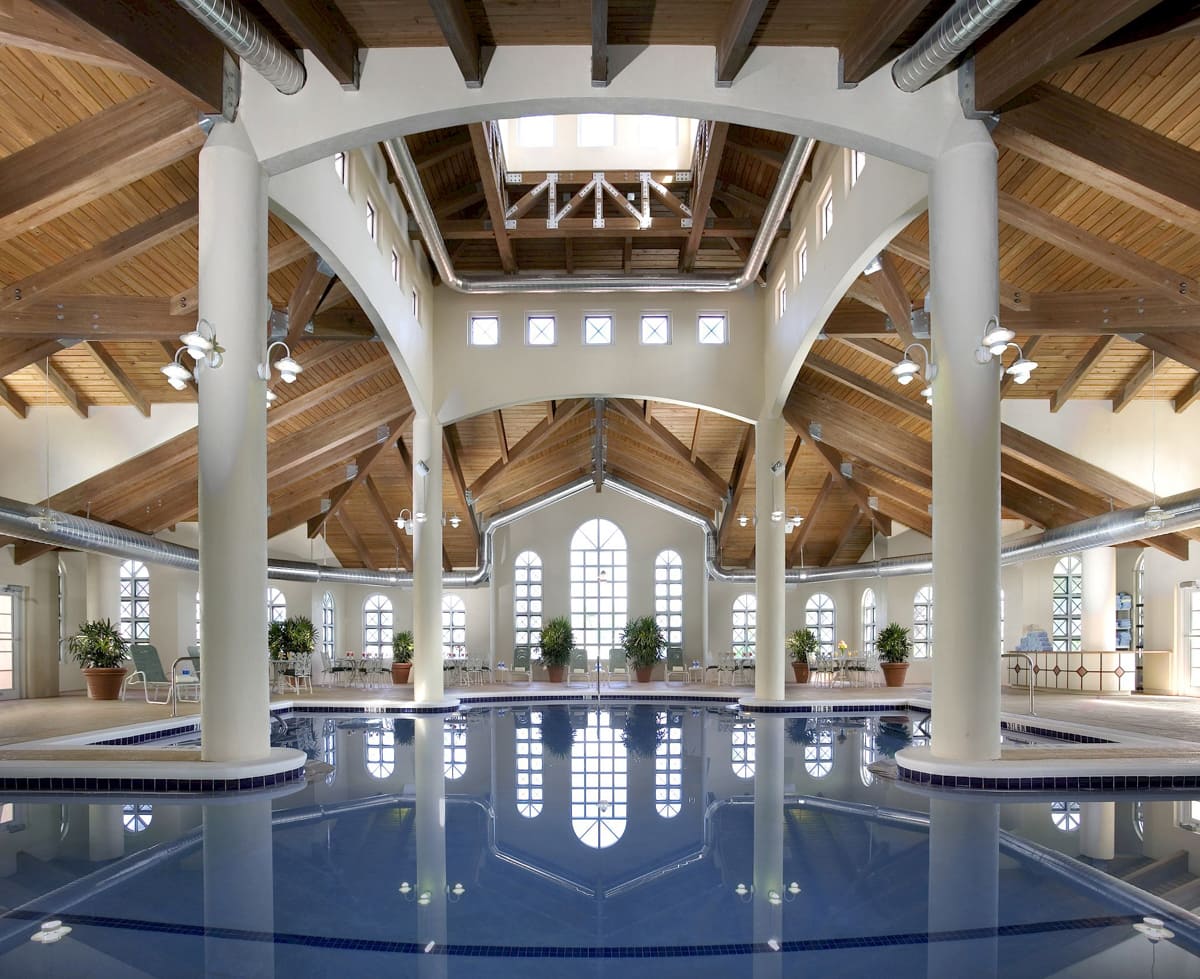
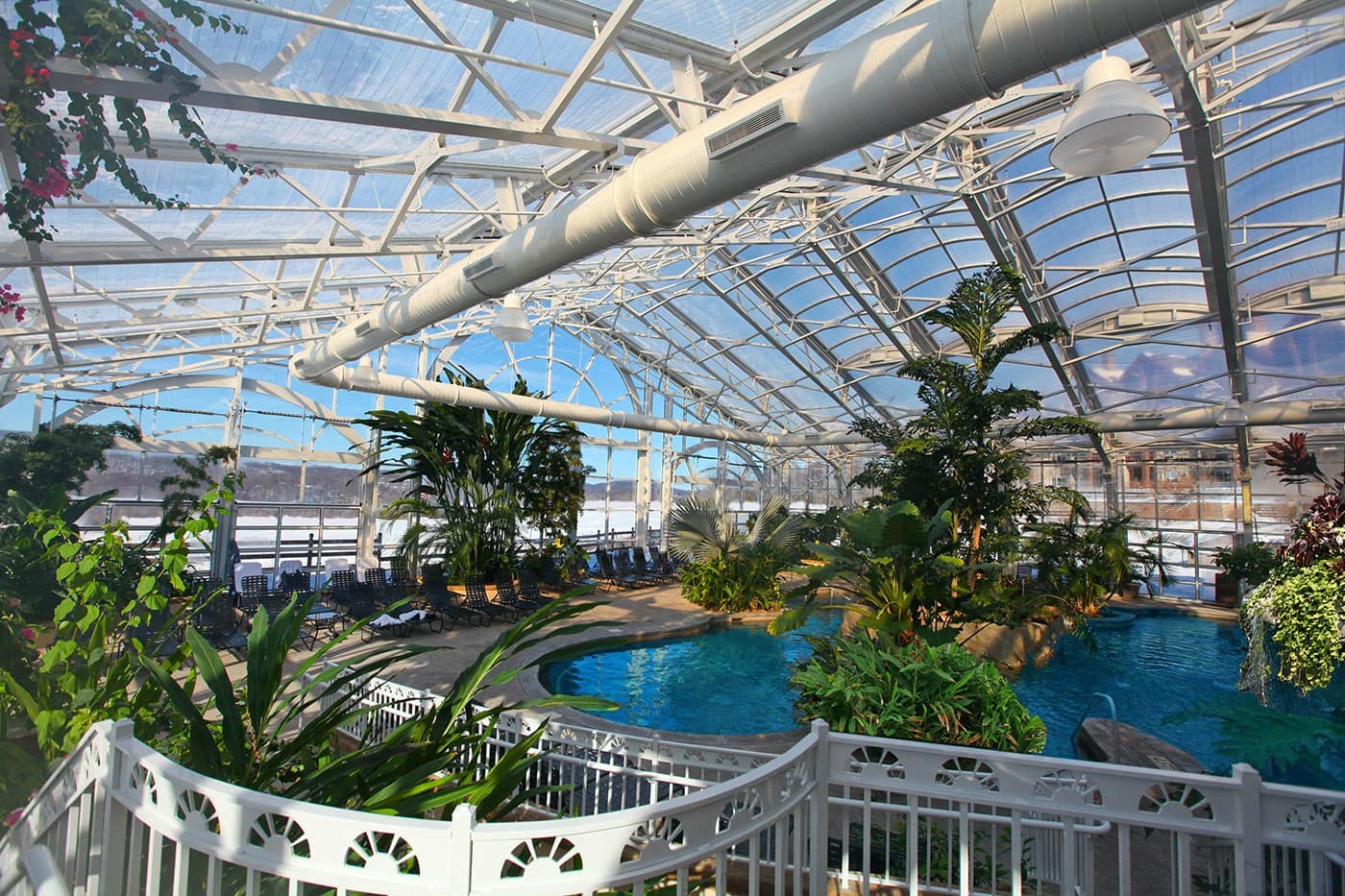
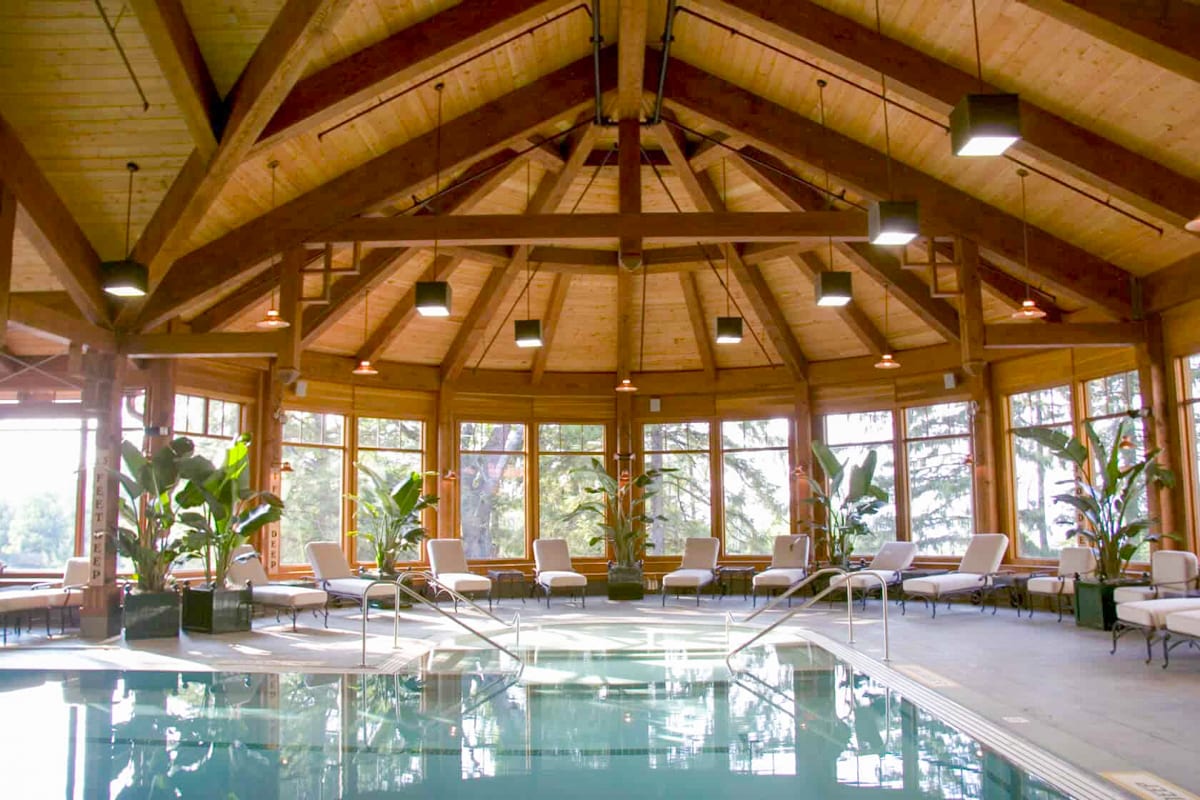
The modern hotel pool has undergone a architectural shift. Early 20th-century hotel pools were often utilitarian, basement-level spaces. Today, industry standards emphasize "biophilic" design, which incorporates natural light, vertical gardens, and high-performance climate control. This shift is best exemplified by properties like the Grand Cascades Lodge in New Jersey, which pioneered the use of German Foiltec roofing—a material that allows near-total light transmission while maintaining a consistent interior temperature of 82 to 86 degrees Fahrenheit. This technology enables guests to experience the sensation of an outdoor environment while protected from external environmental factors.
Iconic Architectural and Wellness Highlights
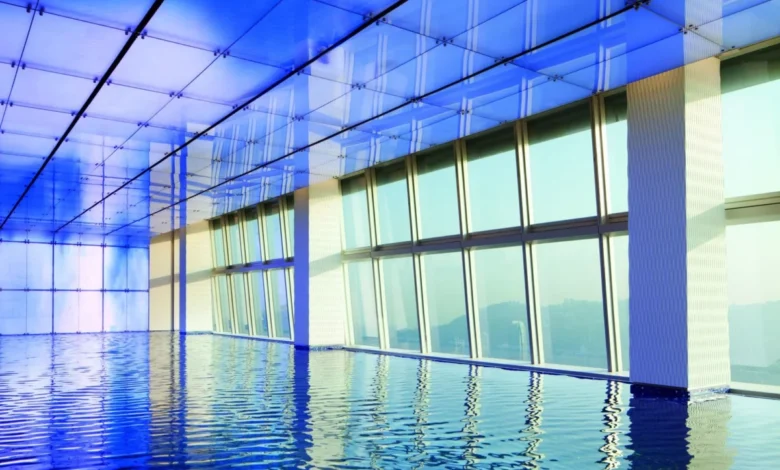
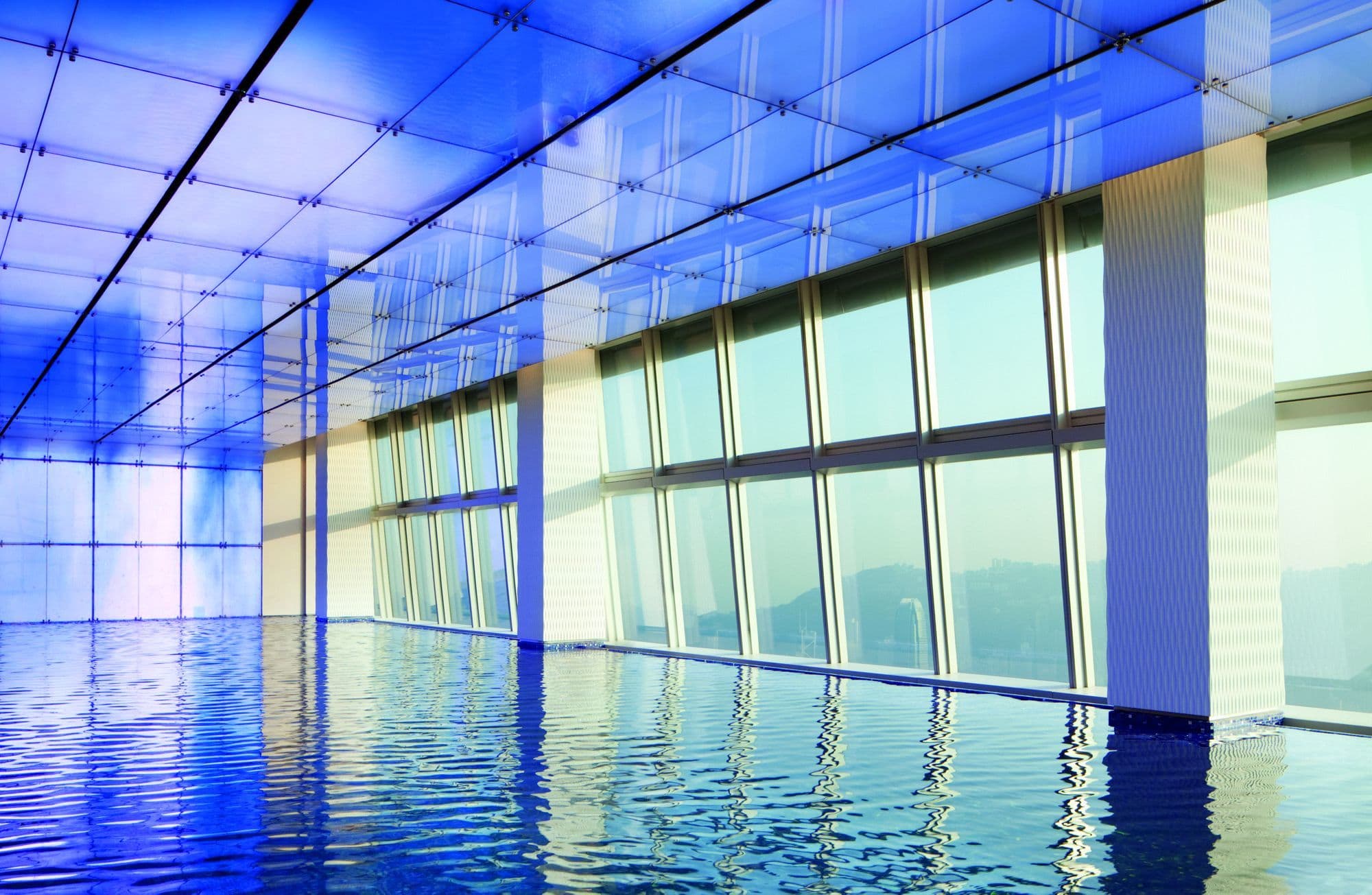
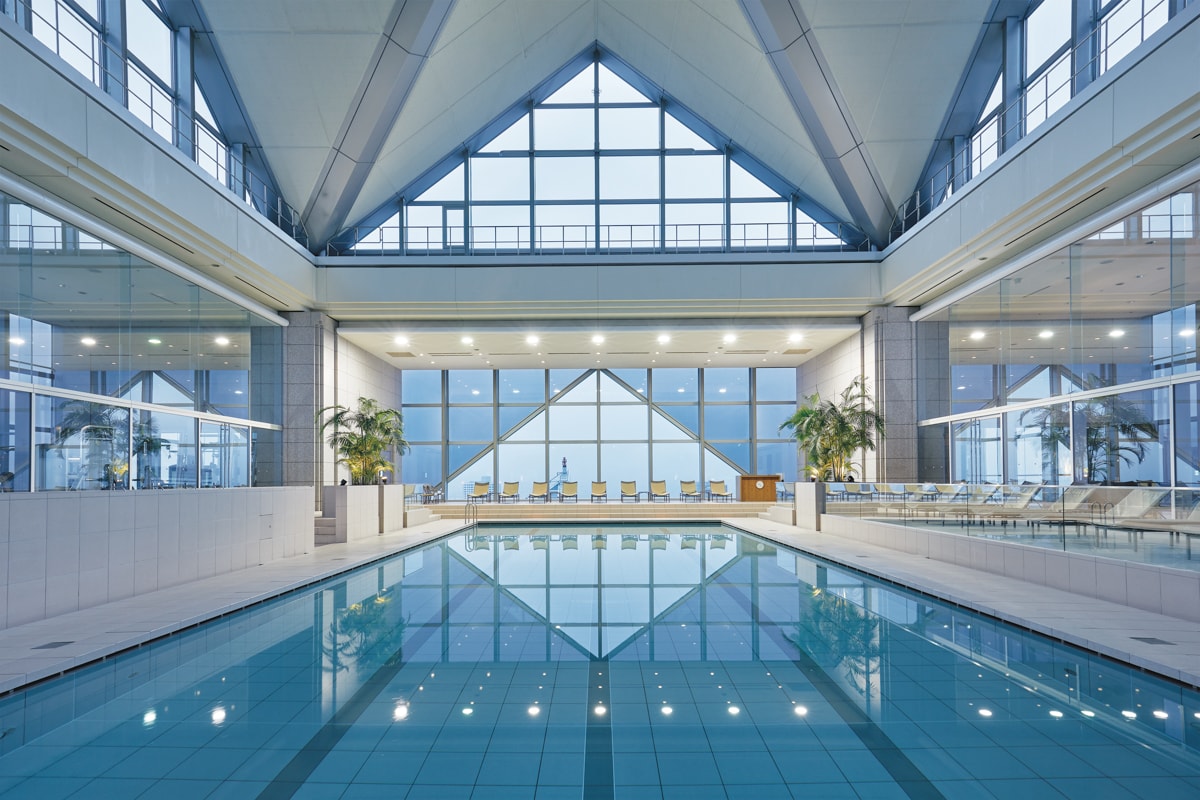
Global hospitality leaders have utilized these pools as architectural centerpieces. At the Ritz-Carlton Hong Kong, the pool occupies the 118th floor, representing the extreme end of the vertical luxury market. This facility, part of a larger health and fitness complex, utilizes high-definition LCD projection technology to simulate natural environments, such as swaying palm trees and moving clouds, enhancing the sensory experience for guests at high altitudes.
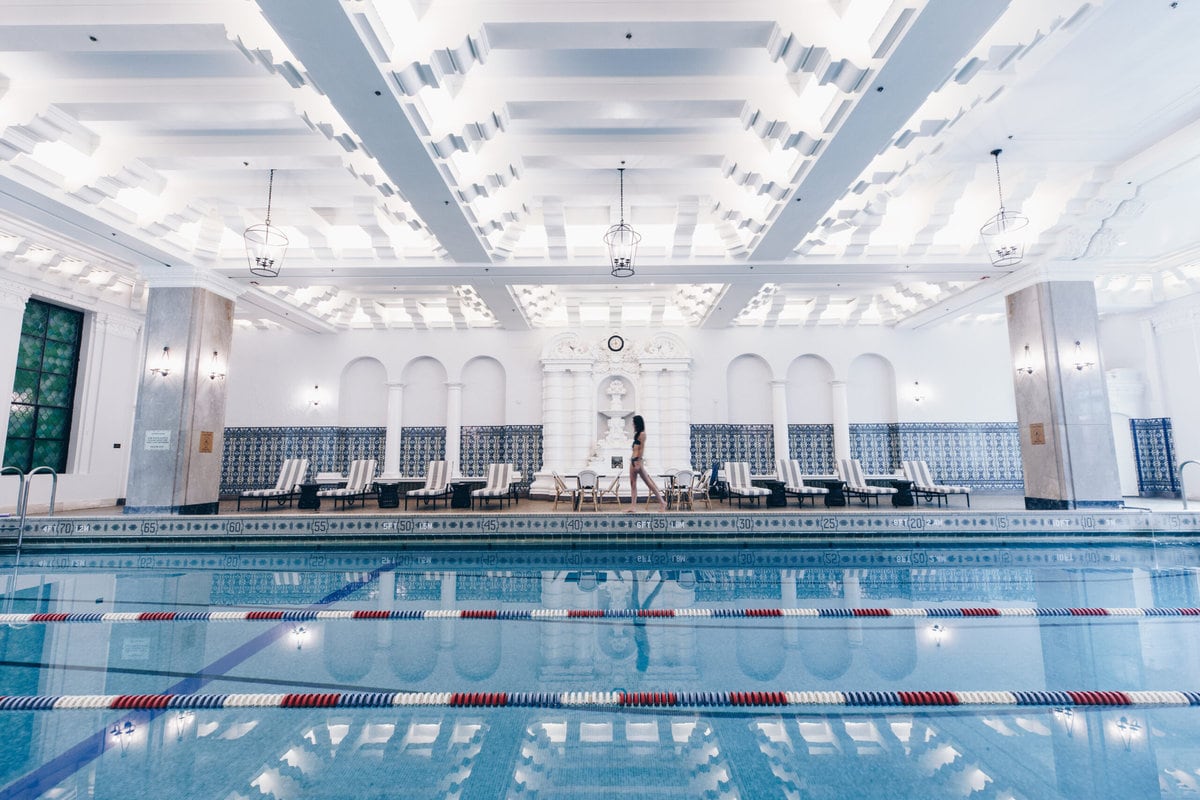
In contrast, historic properties have focused on restoration. The InterContinental Chicago Magnificent Mile features a pool originally constructed in 1929 as part of the Medinah Athletic Club. The facility retains its authentic Spanish Majolica tiles and a terracotta fountain of Neptune, serving as a primary case study for how historic preservation can coexist with modern luxury travel expectations. Similarly, the Royal Sonesta Boston in Cambridge utilizes a saltwater electrolytic system, reflecting a growing industry trend toward chemical-free water sanitation, which is increasingly requested by health-conscious travelers.
Family-Centric Water Infrastructure
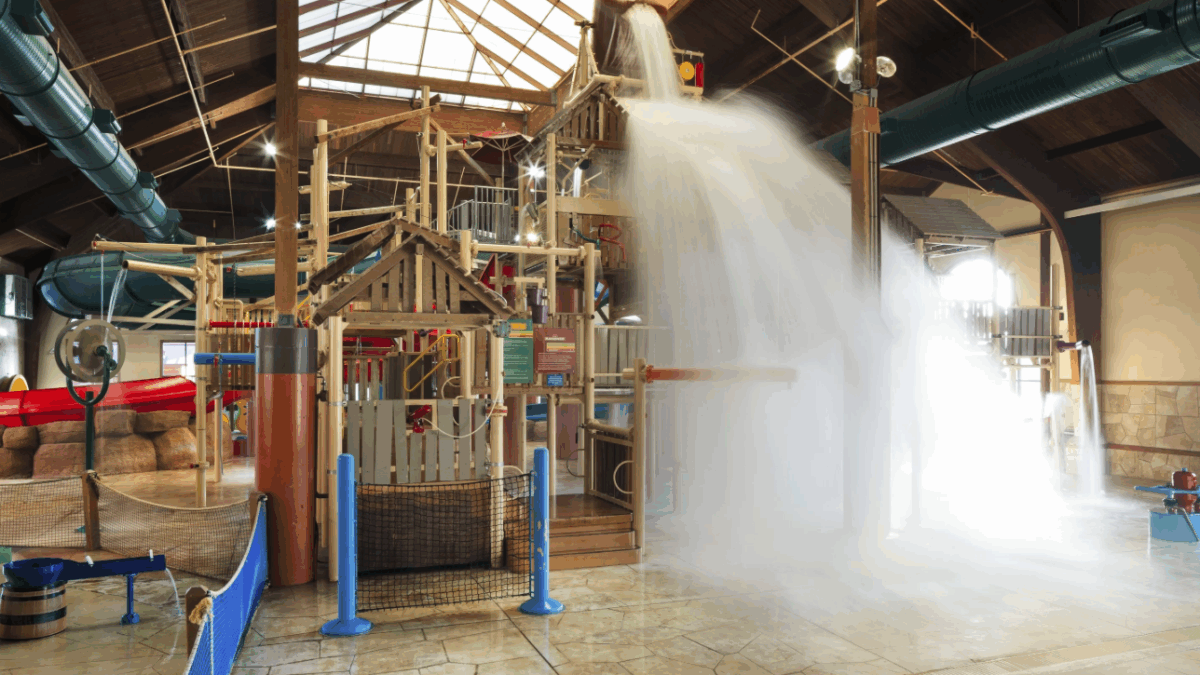
For the family travel sector, the focus has shifted toward the "resort-within-a-resort" model. Facilities such as the Great Wolf Lodge in Wisconsin Dells and the Wilderness at the Smokies Resort in Tennessee function as self-contained water parks. These resorts operate under strict safety mandates, including the mandatory presence of trained lifeguards and the widespread availability of life-saving equipment.
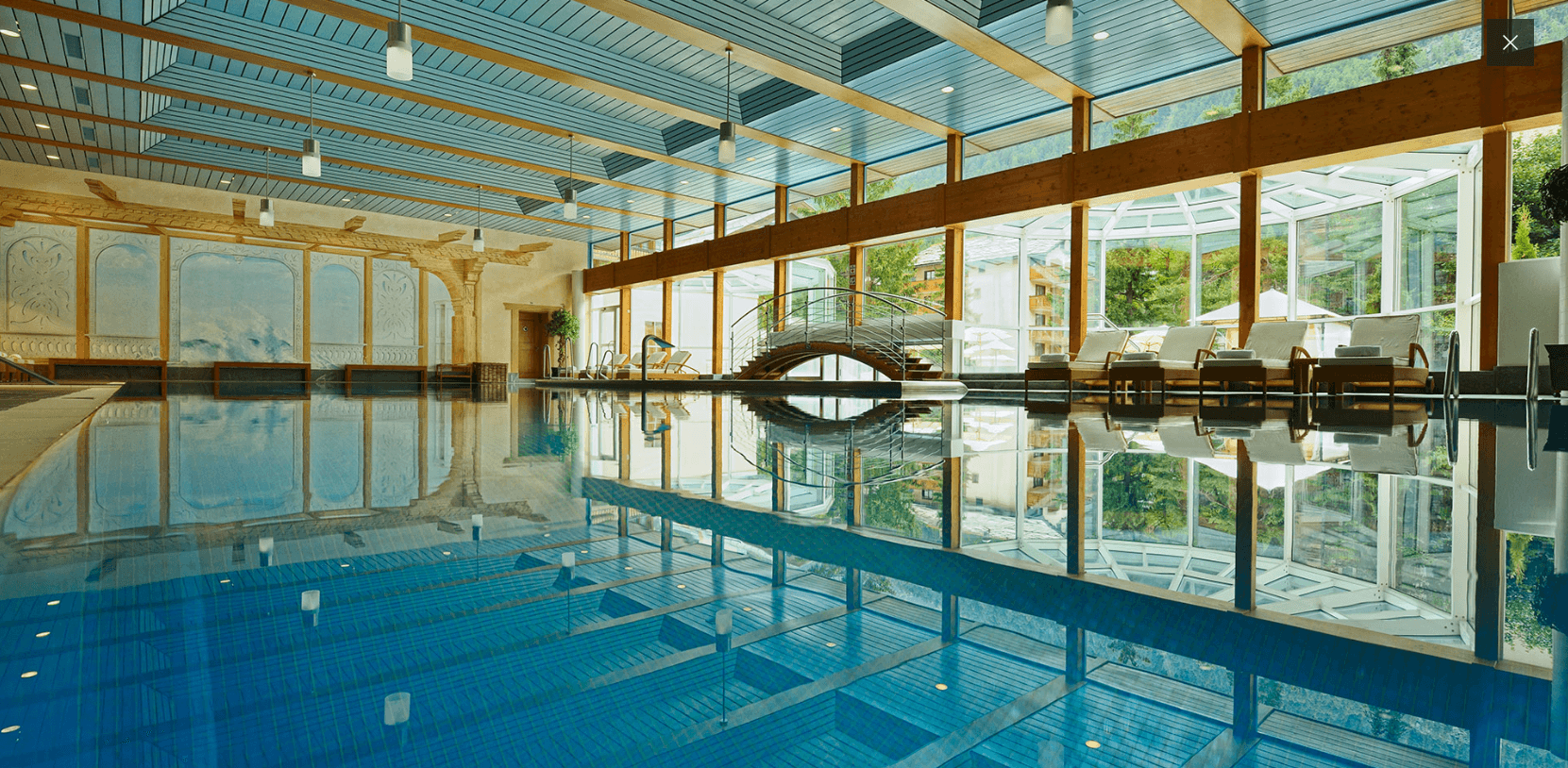
The economic impact of these facilities is notable. Internal industry data suggests that hotels with large-scale, climate-controlled water parks report higher average daily rates (ADR) and extended average lengths of stay (ALOS) compared to similar properties without such amenities. This is particularly true in regions where the winter season historically leads to a slump in tourism, such as the Northeast United States and the Alpine regions of Switzerland.
Regional Case Studies in Aquatic Luxury
The following properties represent the diverse spectrum of indoor swimming, ranging from high-altitude luxury to family-focused recreation:
- The Peninsula Chicago (Chicago, Illinois): Featuring floor-to-ceiling windows with views of Lake Michigan, this half-Olympic-sized pool is a staple of the city’s luxury market, balancing professional training capabilities with high-end relaxation.
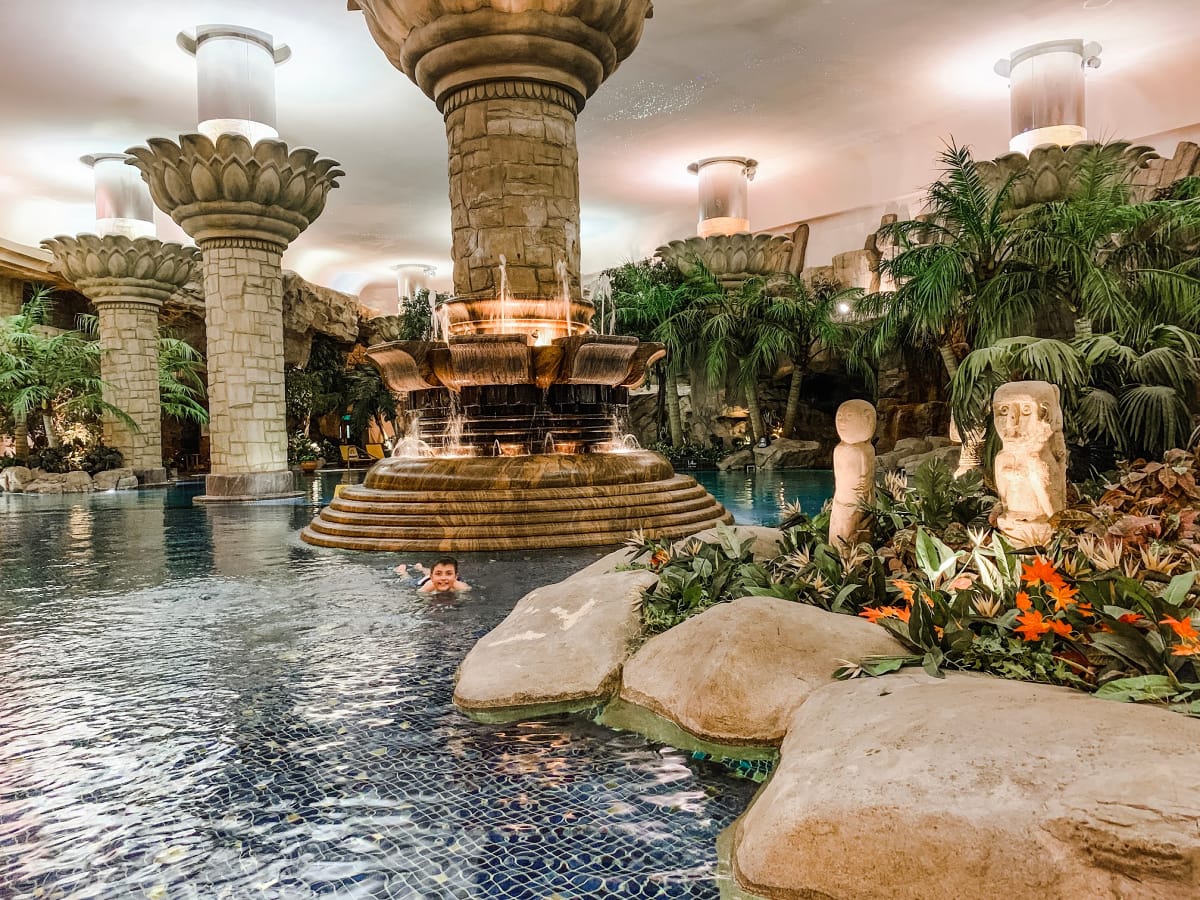
- Grand Hyatt Beijing (Beijing, China): The Club Oasis is designed with a tropical theme, utilizing massive interior columns and sophisticated lighting to simulate an equatorial environment in a temperate urban center.
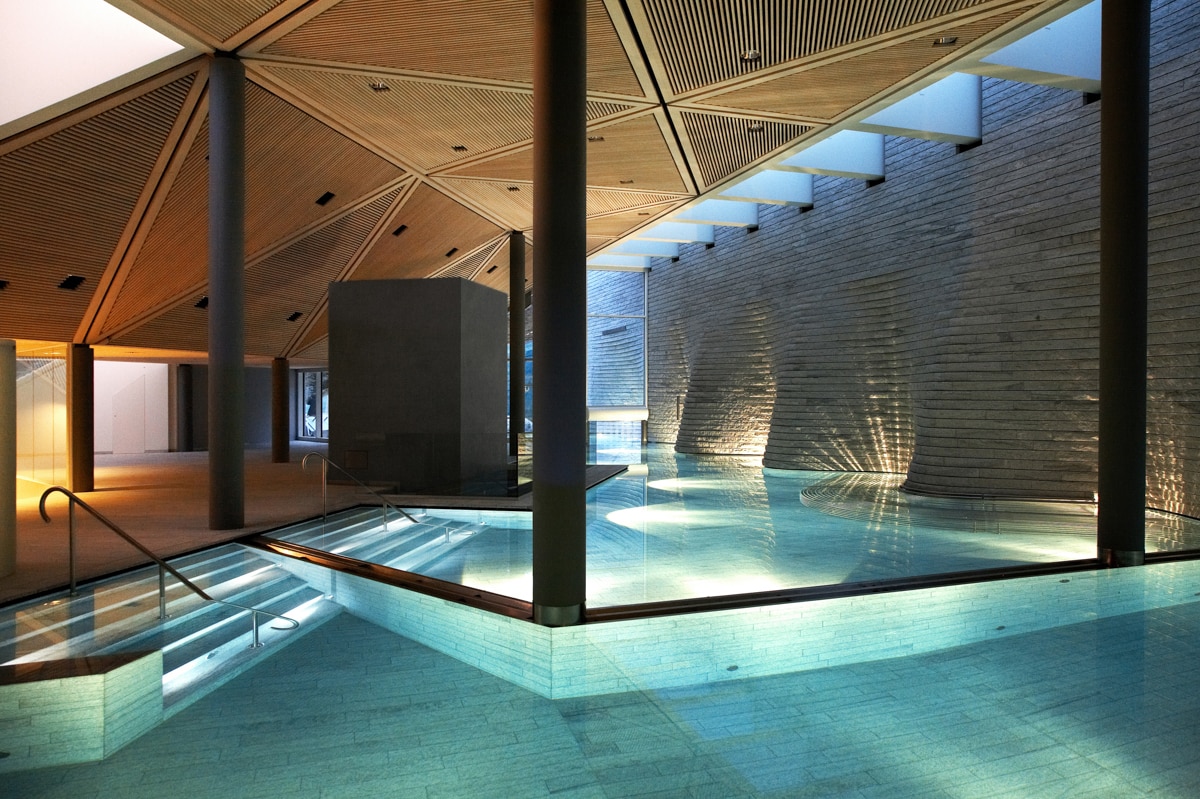
- Hotel Mont Cervin Palace (Zermatt, Switzerland): This property offers a rare indoor-outdoor hybrid experience at the base of the Matterhorn, allowing guests to swim while viewing snowfall from a thermally stable environment.
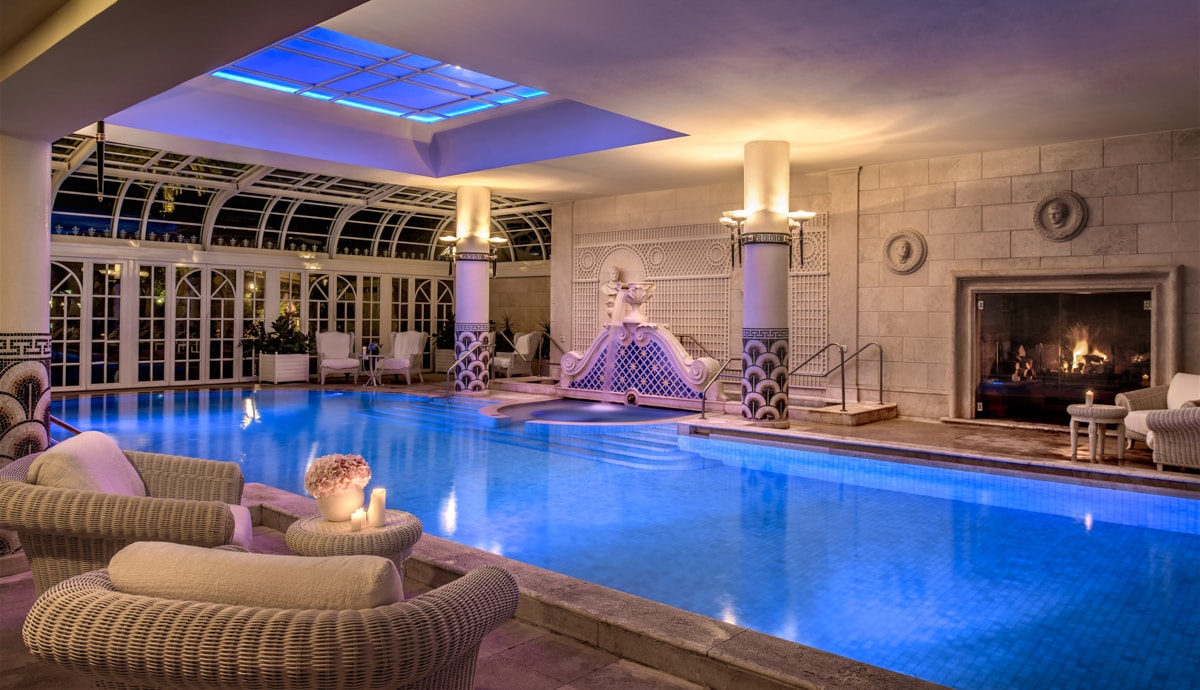
- Waldorf Astoria Rome Cavalieri (Rome, Italy): This hotel utilizes a glass atrium to house its pool, which is integrated with a private Mediterranean park, demonstrating the integration of indoor infrastructure with traditional European landscape design.
- Park Hyatt Tokyo (Tokyo, Japan): Globally recognized for its cinematic appearance in film, this facility on the 47th floor remains a benchmark for urban, high-rise wellness centers.
Operational Standards and Safety Protocols
The operation of these pools requires significant ongoing investment in mechanical and filtration systems. Unlike outdoor pools, which rely on natural evaporation and solar heating, indoor facilities must manage high humidity levels to prevent structural degradation and mold growth. Standard operating procedures at these properties typically include:
- Air Quality Management: Advanced dehumidification systems that maintain a humidity range between 50% and 60%.
- Water Quality Maintenance: Continuous monitoring of pH levels and chemical balance, often supplemented by UV light or ozone filtration to minimize chlorine reliance.
- Safety Surveillance: Implementation of rotational lifeguard coverage, particularly in properties that cater to children, such as the Hershey Lodge in Pennsylvania.
Broader Economic and Travel Implications
The shift toward permanent indoor swimming facilities has broader implications for the travel industry. As global climate patterns become more volatile, travelers are increasingly prioritizing "weather-proof" destinations. Hotels that invest in these aquatic environments are effectively insulating themselves against seasonal revenue fluctuations.
Furthermore, the integration of spa services—such as the hydro-massage pools at the Rome Cavalieri or the mineral-enriched pools at One Aldwych—demonstrates an industry-wide move toward "holistic hospitality." In this model, the pool is not merely a place to swim, but a core component of a guest’s medical and mental health regimen during their stay.

Future Trends in Aquatic Design
Looking ahead, industry experts anticipate a greater emphasis on sustainability. The cost of heating massive volumes of water and maintaining climate control for large interior spaces is significant. Consequently, new hotel construction is increasingly incorporating geothermal heating for pools and solar-thermal arrays to offset the energy consumption of these indoor environments.
Additionally, the rise of "smart pools"—which utilize sensors to monitor occupancy levels and adjust water chemistry in real-time—is expected to become standard in luxury hotels. These advancements will likely continue to elevate the guest experience, ensuring that even in the most challenging climates, the luxury of a swimming experience remains accessible.
For the modern traveler, the availability of a high-quality indoor pool is no longer a luxury but a baseline expectation for high-end properties. Whether it is the high-altitude infinity pools of Hong Kong or the massive, kid-friendly domes of the American Midwest, the development of these spaces reflects a sophisticated understanding of guest needs: a desire for comfort, safety, and a seamless connection to leisure, regardless of the view outside the window. As the hospitality industry continues to innovate, the indoor pool will remain a definitive marker of a property’s commitment to guest wellness and operational excellence.
Related posts: