The renaissance of rail travel in the United States has transitioned from a niche hobby into a sophisticated sector of the luxury tourism industry. While the national rail network primarily serves as a utility for transit, a collection of private operators and specialized Amtrak services have carved out a market for travelers seeking elegance, panoramic vistas, and gourmet culinary experiences. This shift reflects a broader global trend where the journey itself—rather than the destination—becomes the primary value proposition for affluent travelers.
The Southwest: Where Landscapes Meet Luxury
The Rocky Mountaineer’s Rockies to the Red Rocks route, launched in 2021, currently stands as the benchmark for high-end rail excursions in the American Southwest. Connecting Denver, Colorado, to Moab, Utah, this two-day transit avoids the traditional overnight sleeper car model, opting instead for a "land-cruise" format. Passengers spend their nights in curated luxury hotels in Glenwood Springs, ensuring that every hour of daylight is dedicated to viewing the dramatic canyon transitions through oversized glass-dome windows.
The service levels—SilverLeaf and SilverLeaf Plus—are structured to offer escalating degrees of exclusivity. SilverLeaf Plus, in particular, provides access to a dedicated lounge car and an outdoor viewing platform, coupled with premium beverage service and sommelier-curated wine pairings. From an economic perspective, the operation represents a significant investment in regional infrastructure, as it requires coordination between private hospitality brands and existing freight-heavy rail lines.
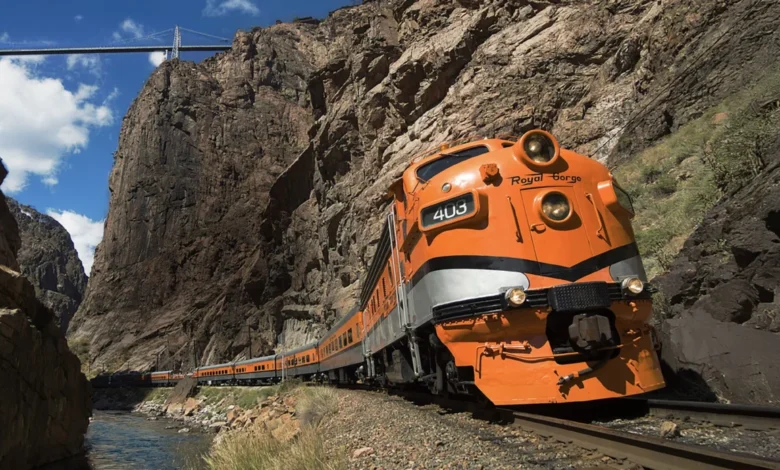
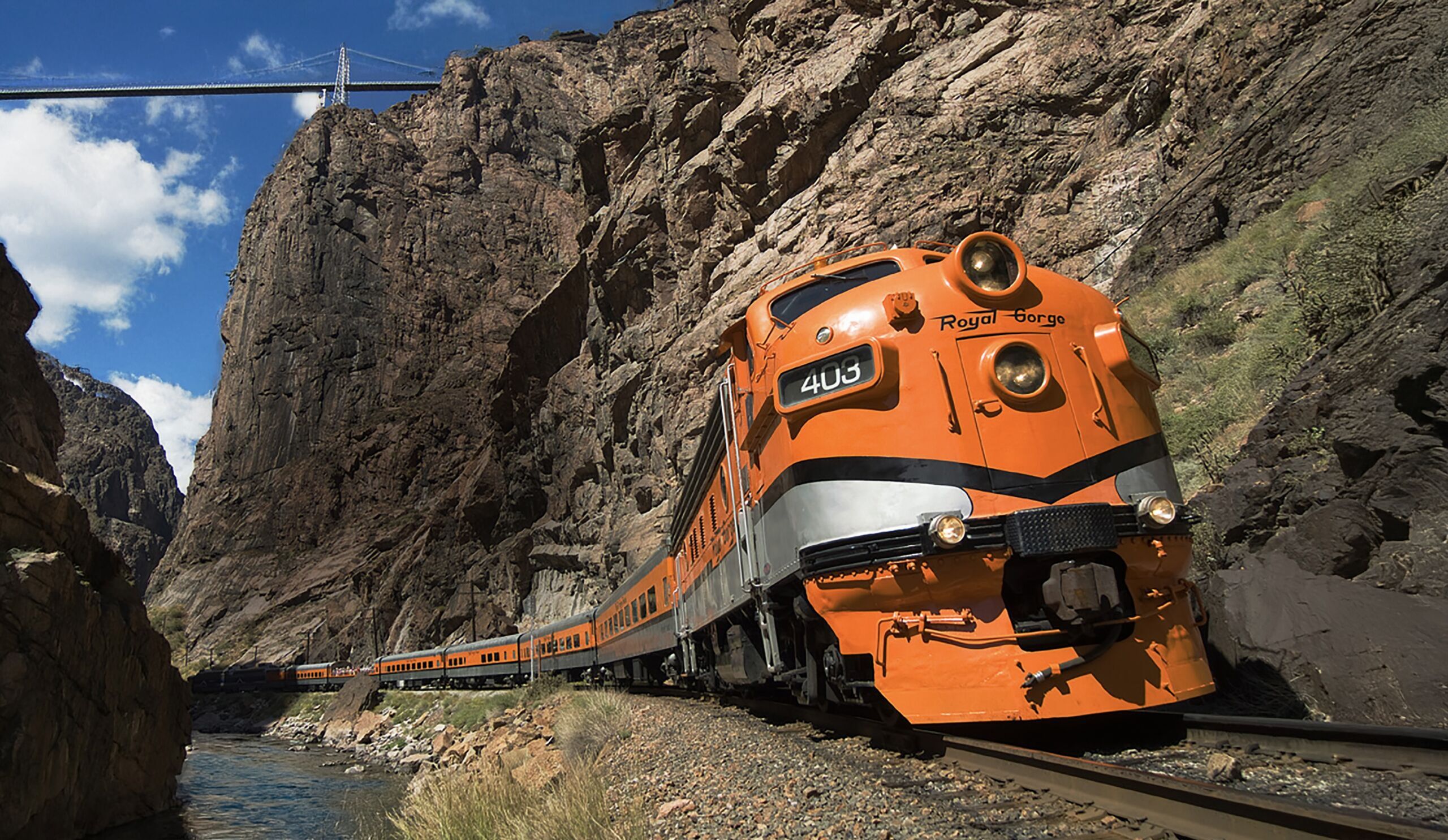
In contrast, the Royal Gorge Route Railroad in Cañon City, Colorado, leans into the intimacy of the Arkansas River valley. Operating daily, this route serves both casual tourists and high-end diners. The First Class Dinner Train is the flagship offering, providing a three-course, award-winning culinary experience within a historic vista dome car. The logistical precision required to navigate the narrow 1,200-foot-deep gorge while serving fine dining is a hallmark of the company’s operational excellence.
For those seeking a more nostalgic experience, the Cumbres and Toltec Scenic Railroad offers a high-altitude journey between Chama, New Mexico, and Antonito, Colorado. Operating from late May through October, the historic Parlor Car provides a turn-of-the-century aesthetic. The route is technically demanding, utilizing narrow-gauge steam locomotives that are maintained by a dedicated historical society, preserving a vital piece of 19th-century American engineering.

New England and the Mid-Atlantic: Heritage and Sophistication
The luxury rail market in the Northeast is defined by its focus on dining and seasonal scenery. The Cape Cod Central Railroad’s Dinner Train operates out of Buzzards Bay, emphasizing a four-course, candlelit experience. By offering a "Platinum Class" in a restored 1917 lounge car, the company targets an older, affluent demographic seeking a refined environment. This service operates on a seasonal basis, mirroring the peak tourism windows of the Cape.
Vermont’s Green Mountain Railroad, also known as the Vermont Rail System, caters to a similar market with a focus on cocktail culture and regional gastronomy. The "Cocktails on the Rails" service, limited to 18 passengers per excursion, offers a level of exclusivity that few other operators can match. By restricting capacity, the railroad ensures a personalized atmosphere that justifies a premium price point.
In the Mid-Atlantic, the Virginia Scenic Railway has successfully integrated historical preservation with modern luxury. Their 2025 introduction of the Shenandoah, a vintage 1948 Budd Company dome car—formerly owned by musician Merle Haggard—serves as a mobile museum. The train facilitates two distinct roundtrips: the Alleghany Special and the Blue Ridge Flyer. The presence of such historic rolling stock is a major draw for rail enthusiasts, effectively bridging the gap between historical education and luxury hospitality.
National Parks and the Grand Canyon
Amtrak’s Empire Builder route provides a rare, all-inclusive luxury experience through the heart of the Northern Rockies. By stopping at the East Glacier Park station, it offers direct access to the Glacier Park Lodge. The introduction of the "Bedroom Suite" category has redefined Amtrak’s premium offerings. These suites, which combine two adjoining bedrooms, offer private showers and toilets, priority boarding, and dedicated first-class attendants. This service is a logistical feat, requiring the integration of luxury passenger cars into the larger Amtrak long-distance network.
The Grand Canyon Railway remains the most accessible luxury option for park visitors. Running from Williams, Arizona, to the South Rim, the railway provides a seven-hour roundtrip experience. The "Luxury Dome Class" and "Luxury Parlor Class" allow passengers to bypass the crowds of the national park’s roads, offering a quiet, climate-controlled perspective of the high desert. The operational data indicates that these premium classes are frequently booked months in advance, underscoring a strong demand for seamless travel experiences into protected federal lands.
West Coast and Alaskan Frontiers
The Napa Valley Wine Train operates on a model of "formal luxury." The Legacy Experience, a six-hour journey, is indicative of the industry’s shift toward experiential travel. By partnering with local wineries, the train acts as a mobile extension of the valley’s viticulture industry. The requirement for formal attire adds a layer of exclusivity that separates it from more rugged, adventure-based rail lines.
In Alaska, the Alaska Railroad’s Goldstar Service represents the pinnacle of wilderness luxury. Both the Denali Star and the Coastal Classic routes feature glass-dome cars that allow for 360-degree viewing of the sub-arctic terrain. The inclusion of meals and adult beverages in the ticket price simplifies the experience for travelers who may be navigating the remote Alaskan interior. The sheer scale of these routes—covering hundreds of miles of pristine wilderness—makes them unique within the global rail market.
Analytical Perspective: The Future of Rail Luxury
The proliferation of these luxury routes suggests a long-term shift in how Americans view train travel. Historically, the decline of passenger rail in the mid-20th century was driven by the rise of the personal automobile and the commercial airline industry. However, the current luxury rail resurgence suggests a "re-commodification" of the train journey.
Industry analysts point to several factors driving this growth:
- The "Slow Travel" Movement: A growing consumer preference for minimizing carbon footprints while maximizing the quality of the journey.
- Operational Partnerships: The success of the Rocky Mountaineer in the U.S. demonstrates that private, high-margin rail operations are viable when integrated with existing hospitality infrastructure.
- Historical Preservation: Many of these routes rely on the restoration of vintage cars, which creates a "unique value proposition" that modern aviation cannot replicate.
From a legislative standpoint, the continued support for these scenic railroads is often tied to local economic development. In many rural towns—such as Glenwood Springs, Colorado, or Chama, New Mexico—the train acts as a primary economic anchor, bringing in high-spending tourists who utilize local hotels and restaurants.
While the longest routes in the U.S. remain under the purview of Amtrak—such as the California Zephyr, which spans 2,438 miles between Chicago and Emeryville—the luxury sector is increasingly dominated by independent or boutique operators. These companies provide a level of service, culinary quality, and localized storytelling that large, government-subsidized networks often struggle to maintain.
As of late 2026, the luxury rail market remains in a phase of expansion. Prospective travelers should note that demand for premium classes—particularly dome cars and private suites—consistently outpaces supply. Advanced planning, often six to twelve months out, is recommended for the most exclusive excursions. By blending the mechanics of mid-century engineering with the expectations of 21st-century service, these luxury trains have successfully secured a permanent, albeit premium, niche in the American tourism landscape.