Navigating the Alpine Culture: A Guide to Mountain Town Etiquette and Essential Gear for the Modern Traveler

Mountain towns in winter represent a distinct cultural ecosystem characterized by specialized jargon, unique weather-management strategies, and a high barrier to entry for the uninitiated. For travelers accustomed to urban environments, the transition to high-altitude resort life can feel disjointed. The lexicon of the slopes—terms like "skinning" (the act of using climbing skins on skis to ascend a mountain) or "slaying" (a colloquialism for proficiently navigating difficult terrain)—often creates a perceived divide between local residents and seasonal visitors. However, beneath the surface of specialized vernacular and technical outdoor gear lies a social structure governed by practical necessity and a reliance on high-performance utility.
The Evolution of Mountain Tourism and Economic Impact
The contemporary mountain town economy is a complex structure built upon a foundation of seasonal tourism. According to data from the National Ski Areas Association (NSAA), the U.S. ski industry has experienced a significant shift toward diversified, year-round visitation. During the 2023-2024 season, U.S. ski resorts reported approximately 60.7 million skier visits. This influx of travelers serves as the primary economic engine for these remote municipalities. For residents, this reliance on tourism is a double-edged sword: while visitors sustain local hospitality and retail sectors, the sheer volume of traffic necessitates a strict adherence to local etiquette to maintain communal harmony.
Historical context reveals that mountain towns were not always the high-cost destinations seen today. Many began as mining outposts before pivoting to recreation in the mid-20th century. As lift ticket prices at premier resorts have surpassed the $200-per-day threshold, the socioeconomic landscape has transformed. This shift has placed a higher premium on "technical competency"—the ability to dress appropriately, navigate local transit, and understand the logistics of high-altitude environments.
The Technical Dress Code: Function Over Fashion
In mountain communities, clothing is treated as a survival tool rather than a stylistic statement. The prevailing aesthetic—often described as "sloppy" by outside observers—is actually a highly engineered approach to climate regulation. The core of this system is the layering principle: a moisture-wicking base layer, an insulating mid-layer, and a protective outer shell.
The importance of technical fabrics cannot be overstated. Materials such as merino wool and synthetic fibers are preferred because they retain their insulating properties when damp, whereas cotton absorbs moisture, leading to rapid heat loss and potential hypothermia in sub-freezing conditions. This functional requirement is the reason behind the ubiquitous presence of the "puffy" jacket.
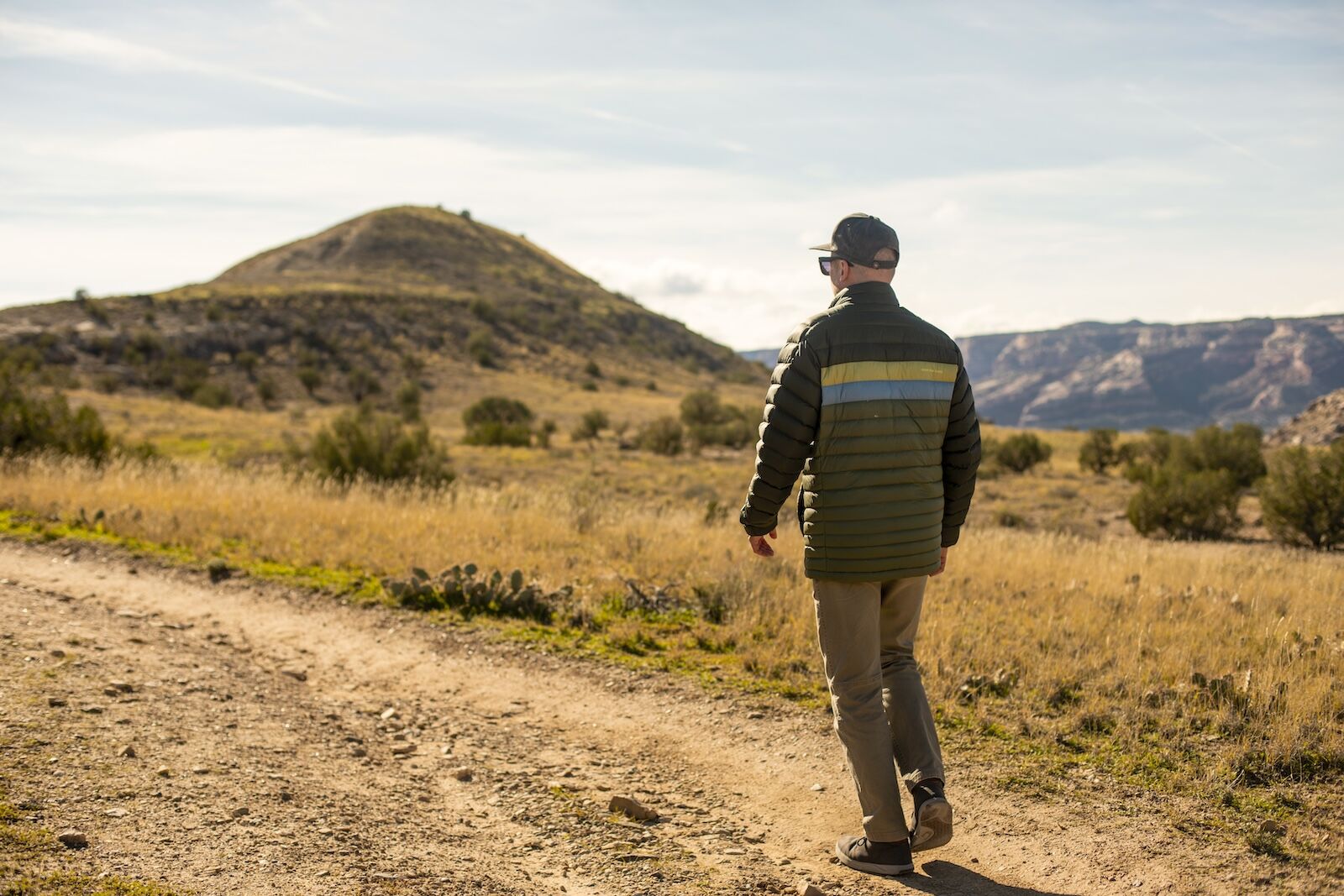
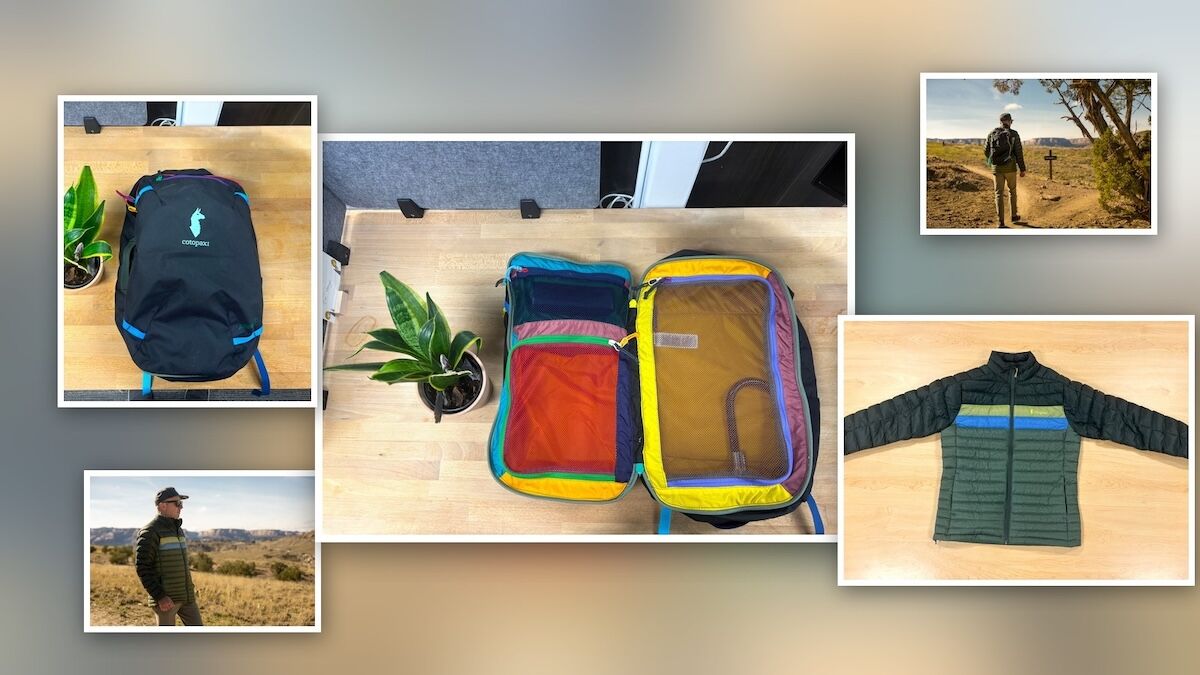
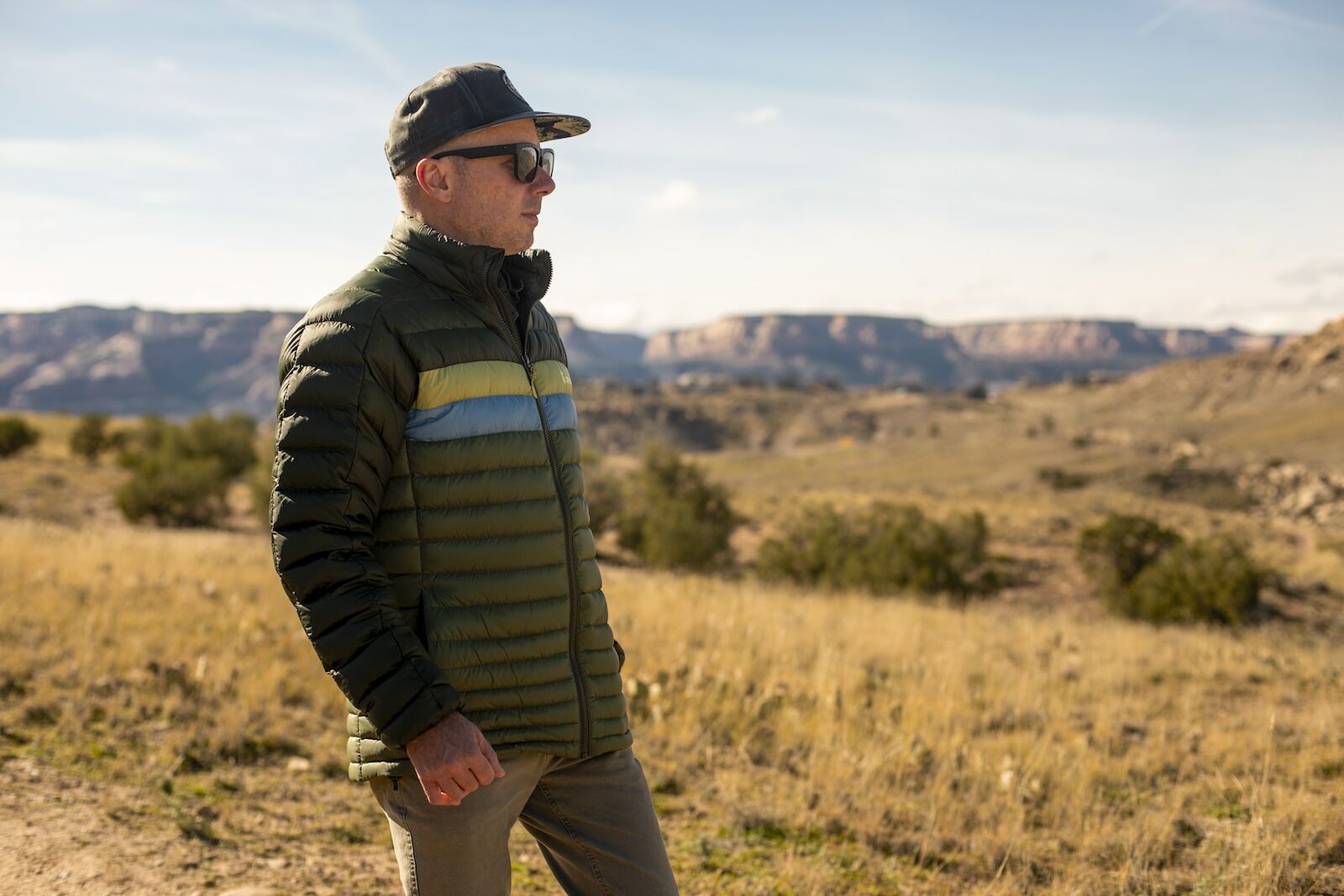
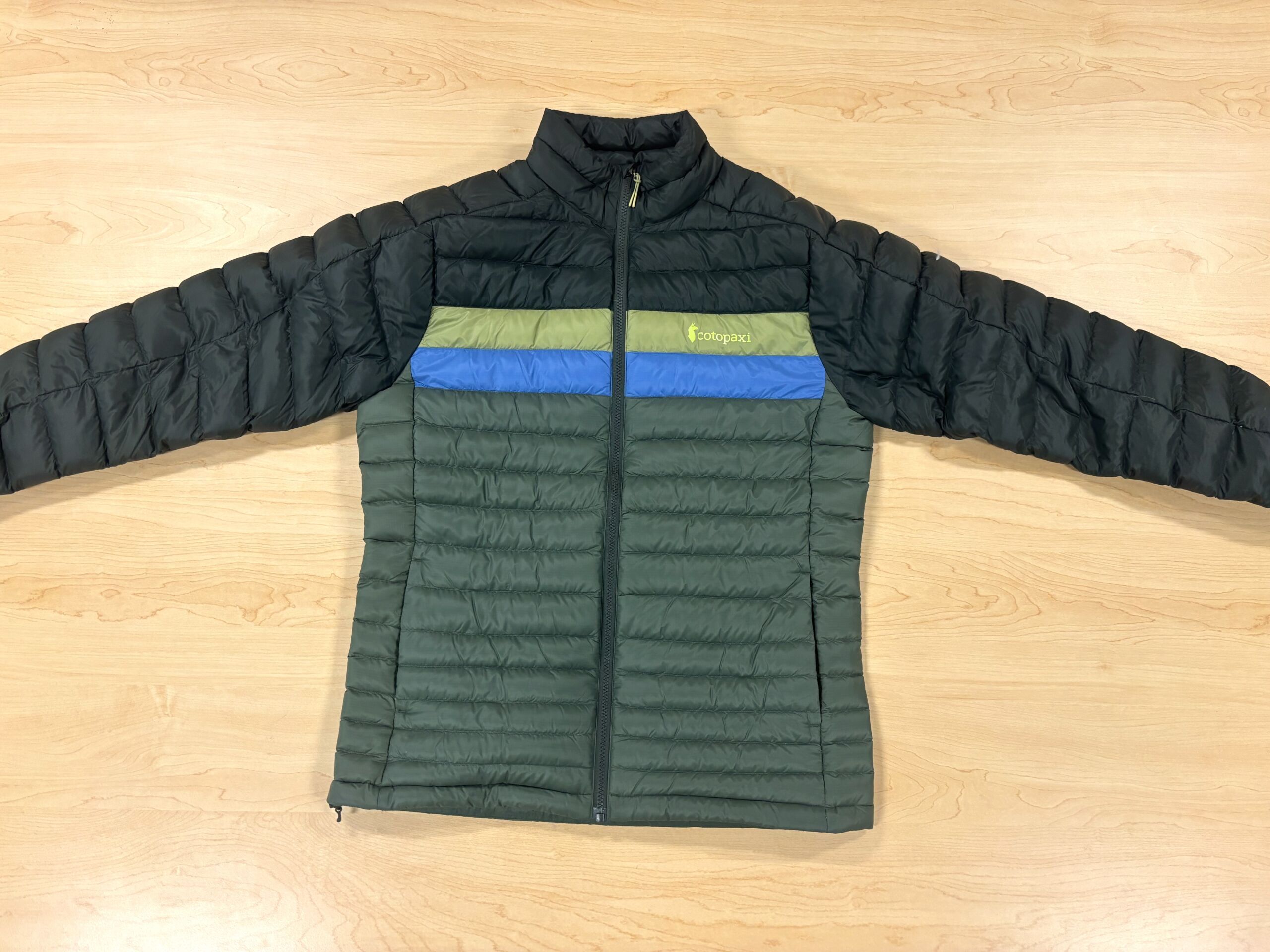
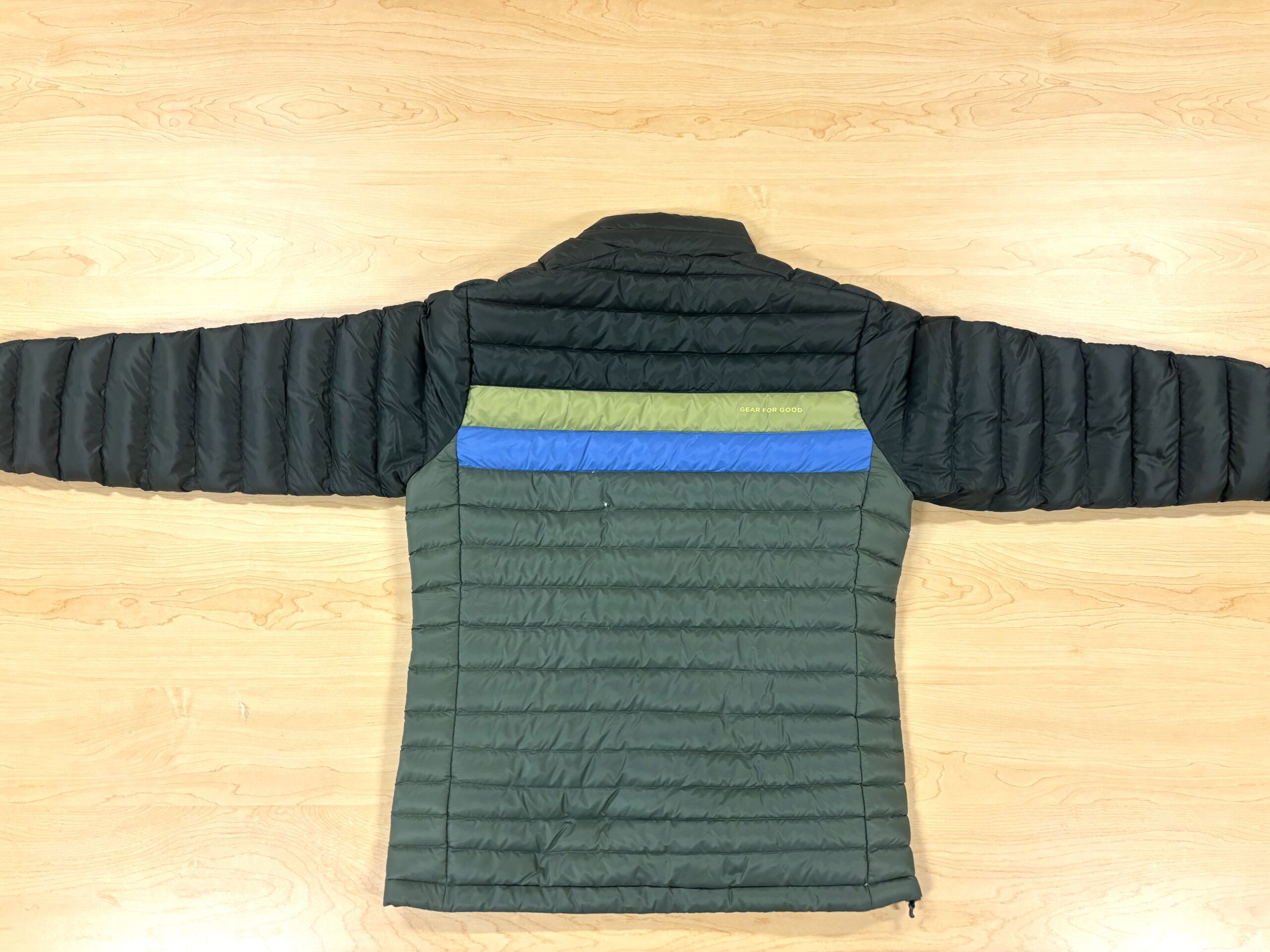
Industry standards for such outerwear, like the Cotopaxi Fuego Down Hooded Jacket, emphasize "fill power"—a measure of the loft or fluffiness of down insulation, which correlates to its ability to trap heat. An 800-fill rating, for example, denotes a high warmth-to-weight ratio, essential for travelers who require versatility in fluctuating temperatures. Furthermore, the industry is currently transitioning away from legacy chemical treatments; the movement toward PFAS-free DWR (Durable Water Repellent) coatings reflects a broader commitment to environmental stewardship within the outdoor apparel sector.
Logistics and the "Daily Carry"
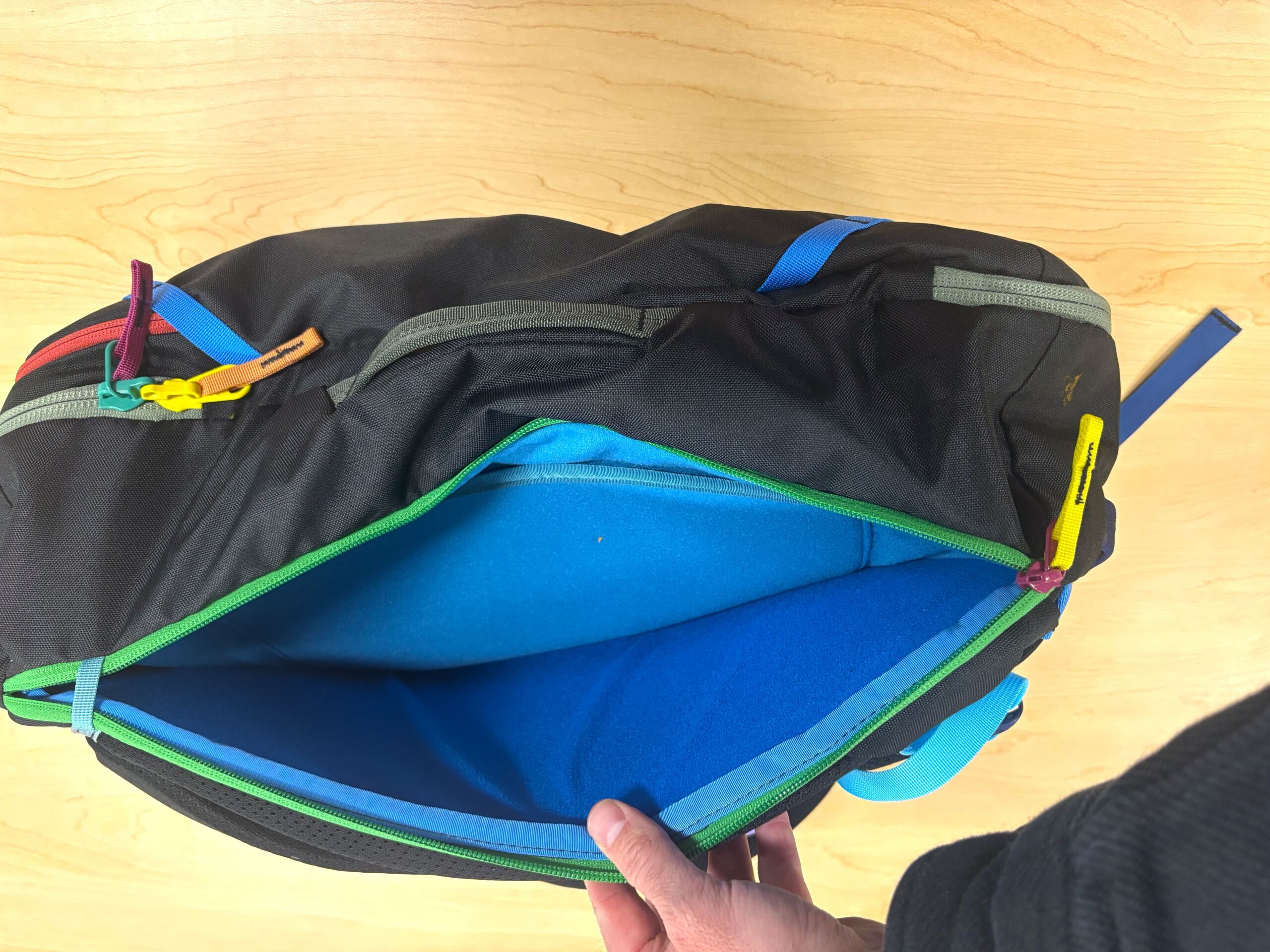
The gear used by residents serves as an indicator of a visitor’s preparedness. In mountain coffee shops, the backpack has largely replaced the briefcase or messenger bag. The ideal pack must be rugged enough to withstand slush and snow while remaining functional for air travel. Features such as clamshell openings, which allow for full access to interior contents, and padded laptop compartments, have become standard requirements for the modern mountain commuter.
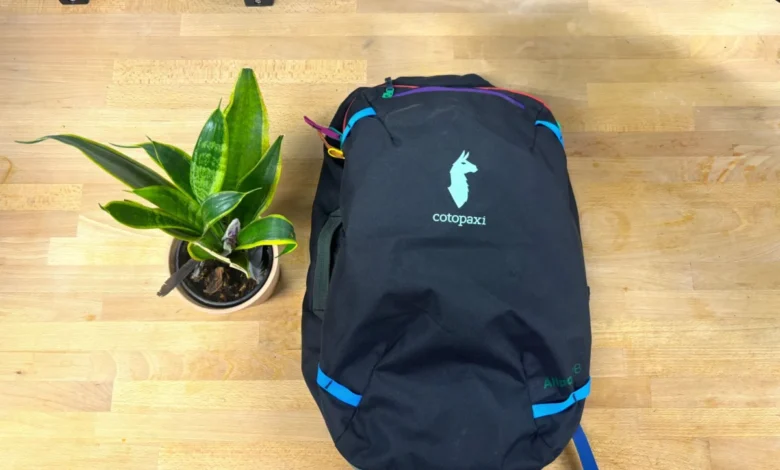
The Cotopaxi Allpa 28L Travel Pack serves as a case study in modern gear design. By utilizing deadstock nylon—leftover material from other manufacturing runs—brands are addressing the issue of industrial waste. This approach not only provides a unique aesthetic to each product but also appeals to the growing consumer demand for circular economy practices in manufacturing.
Luggage and Transit Challenges
Travelers often underestimate the logistical difficulties of mountain airports. Small regional hubs, which often feature slower baggage carousels and limited infrastructure, demand durable luggage. The shift toward hardshell rollers with advanced locking mechanisms—such as the Coraza line, which utilizes polycarbonate shells—is a response to the mechanical failures common in traditional zippered suitcases.
The industry is also trending toward "repairability." With the introduction of replaceable components like wheels and axles, manufacturers are extending the lifecycle of travel gear. This shift toward modular design represents a significant departure from the "disposable" consumer model that dominated the early 2000s, aligning with the ethos of mountain town dwellers who prioritize longevity and resilience.
Societal Integration and Local Relations
The relationship between visitors and locals is fundamentally collaborative. As noted by industry observers, the survival of mountain town infrastructure is contingent upon the consistent arrival of seasonal guests. However, friction often arises from misunderstandings regarding local customs.

Key behavioral expectations include:
- Cash usage: Smaller businesses in remote areas often appreciate cash tips, as card processing fees can erode the margins of independent cafes and service providers.
- Real Estate Sensitivity: Discussing the rising costs of property is often viewed as a social faux pas, as it reflects the economic displacement of the local workforce.
- Accessibility: While resorts are designed for high-volume traffic, the town centers are often residential. Respecting noise ordinances and parking regulations is critical to maintaining the quality of life for full-time residents.
Fact-Based Analysis of Future Trends
As climate change continues to impact snow patterns, mountain towns are diversifying their offerings to include summer mountain biking, hiking, and culinary tourism. This transition suggests that the "ski town" label may become a misnomer in the coming decade. Future-proofing a trip to these regions now requires gear that is as effective on a summer trail as it is on a winter chairlift.
The integration of sustainable manufacturing, such as the use of recycled polycarbonate for luggage and PFAS-free finishes for apparel, is no longer a niche preference but a market standard. Travelers who prioritize these durable, multi-purpose items are better equipped to integrate into the mountain lifestyle, reducing their footprint and increasing their comfort.
Conclusion: A Proactive Approach to Mountain Travel
The transition to a mountain lifestyle is less about mastering obscure slang and more about adopting a pragmatic mindset. By investing in high-quality, repairable gear, understanding the logistical realities of high-altitude travel, and respecting the economic foundations of the local community, the visitor experience becomes significantly more seamless. The goal is to move beyond the role of a passive tourist and toward that of a conscious participant in the mountain ecosystem—one who recognizes that, while the environment is rugged, the community is built on a shared appreciation for the outdoors. Whether one is navigating a flight to a regional hub or settling into a local brewery, the principles of technical readiness and mutual respect remain the most reliable tools in a traveler’s arsenal.