The 2027 Not Hot List Unveils 12 Unorthodox Global Adventures for Travelers Seeking the Path Less Traveled

Global tourism trends are undergoing a fundamental paradigm shift as travelers increasingly reject overcrowded traditional hotspots in favor of remote landscapes, immersive cultural exchanges, and sustainable off-grid journeys. Addressing this growing demand for deliberate escapism, adventure travel leader Intrepid Travel has released its comprehensive lineup of itineraries for 2027, anchored by its annual "Not Hot List." Designed to steer wanderers away from mass-tourism bottlenecks, the collection emphasizes lesser-known destinations, ecological preservation, and profound human connections.
Drawing inspiration from Henry David Thoreau’s famous philosophical musings on self-discovery through solitude, the 2027 roster covers 12 distinct itineraries spanning the rugged peaks of the Caucasus, the misty fjords of Scandinavia, and the hidden highlands of the Middle East. By prioritizing localized community tourism, these routes aim to distribute the economic benefits of global travel while offering participants a transformative escape from modern routine.
Rethinking Global Tourism: The Rise of Alternative Destinations
The travel sector has experienced a massive rebound following years of post-pandemic recovery, but this surge has brought acute challenges to light. Overtourism in iconic European cities, popular Southeast Asian islands, and primary national parks has strained local infrastructure, degraded natural habitats, and diminished the quality of the visitor experience. In response, tour operators and conservationists are advocating for a decentralized approach to global exploration.
Intrepid’s Not Hot List serves as a strategic call to arms for the travel industry, highlighting regions that offer exceptional cultural and natural value without the damaging environmental footprints associated with mass tourism. By redirecting foot traffic to emerging destinations, these itineraries support local micro-economies, fund community conservation projects, and foster cross-cultural understanding on a personal scale.
Exploring Greenland’s Wild West and Disko Bay
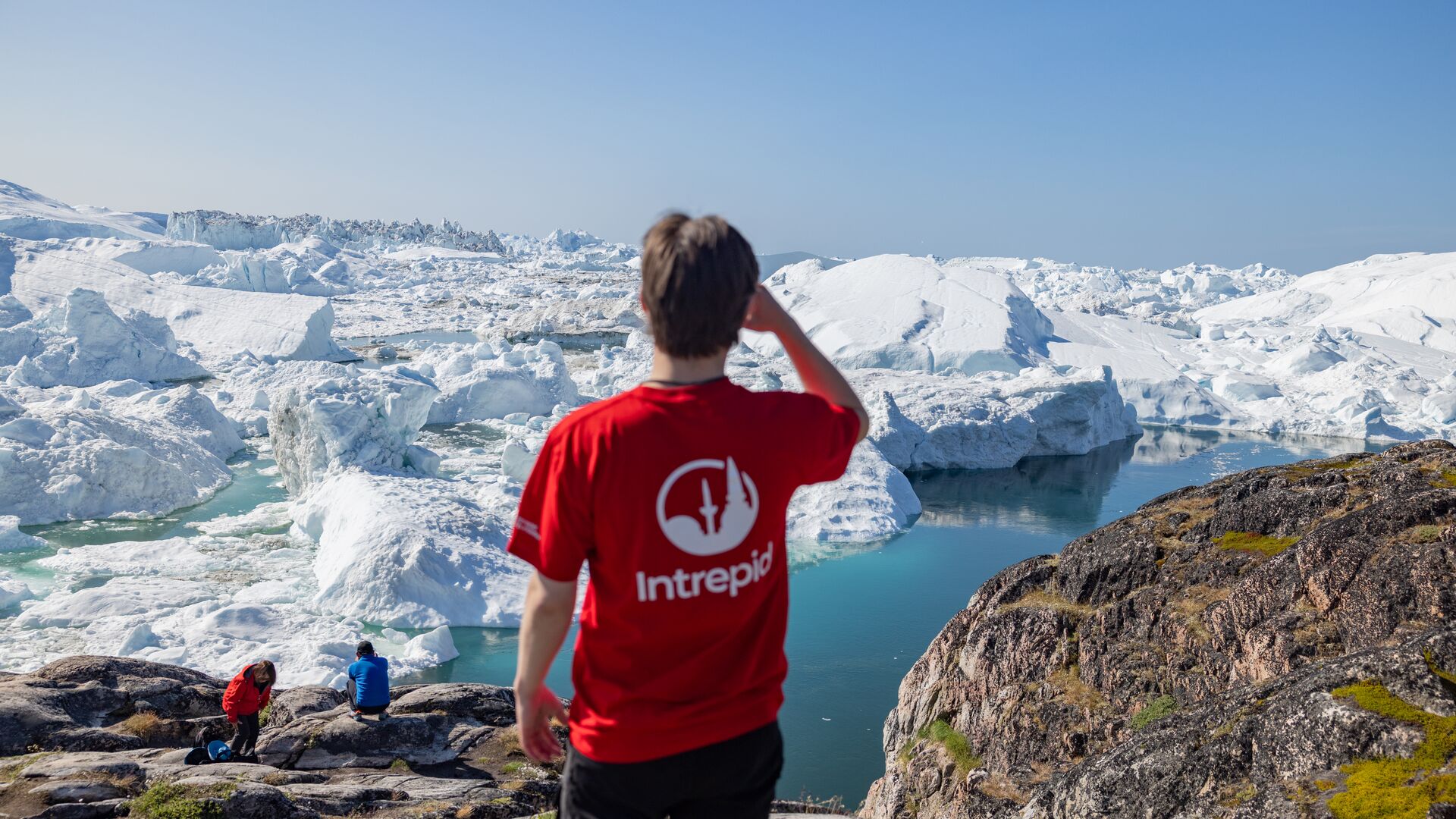
Opening the 2027 adventure portfolio is a journey into the stark, breathtaking landscapes of western Greenland. Eschewing standard polar cruises, the itinerary introduces travelers to the cutting-edge, iceberg-shaped Ilimanaq Lodge, where private terraces overlook the expansive waters of Disko Bay.
As part of Intrepid’s Premium tier, the route incorporates high-level educational and exploratory milestones. Guests navigate the UNESCO-protected Ilulissat Icefjord—where monumental blocks of ice fracture off the Sermeq Kujalleq glacier—and explore the ancient Inuit settlement of Sermermiut. Environmental analysts note that responsible tourism in Greenland plays a vital role in educating global citizens on the realities of climate change while providing indigenous communities with sustainable economic opportunities.
Trekking the High Caucasus in Svaneti, Georgia
In Eastern Europe, the northwestern Svaneti region of Georgia has emerged as a premier destination for backcountry hikers. Fabled for its dramatic Caucasus peaks, pristine mountain air, and the distinct medieval defensive architecture of the Indigenous Svan people, the area demands a physical and mental commitment from its visitors due to its remote, hard-to-reach geography.
Featured prominently on the 2027 Not Hot List, Svaneti is explored via the Georgia: Trekking the Transcaucasian Trail itinerary. Participants traverse high-altitude mountain passes, walk through the wildflower-strewn meadows surrounding Ushguli—one of the highest continuously inhabited settlements in Europe—and view the receding Chalaadi glacier near Mestia. Conservationists emphasize that carefully managed trekking tourism helps preserve the unique architectural and intangible cultural heritage of the Svan community against the pressures of rapid modernization.
Jordan Beyond the Desert: Uncovering the Green North
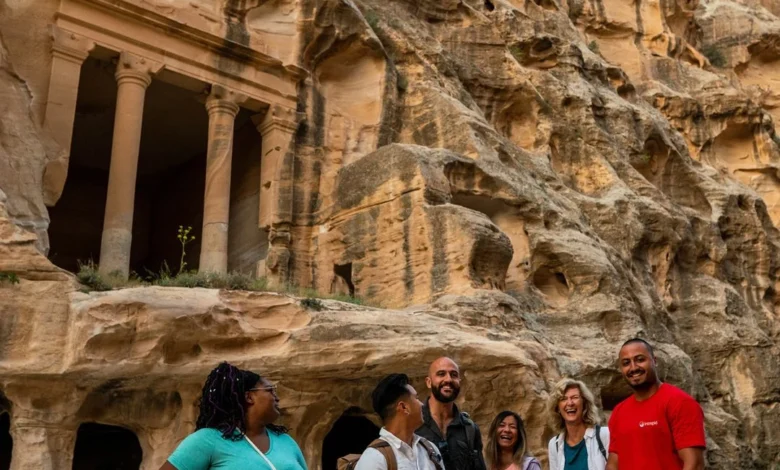
While destinations like Petra and Wadi Rum have long dominated international tourism to Jordan, the country’s northern highlands offer a striking geographical and cultural contrast. Characterized by rolling green hills, fertile valleys, and dense protected forest reserves, the north remains largely untouched by conventional tour buses.

The newly introduced Jordan Uncovered trip guides travelers through the Ajloun, Yarmouk, and Dibeen forest reserves. The itinerary departs from standard sightseeing by integrating community-based tourism initiatives, allowing visitors to engage directly with local beekeepers, artisanal cheesemakers, and traditional craftspeople. Accommodations in local guesthouses ensure that tourism expenditures remain directly within the host communities, reinforcing the foundational tenets of sustainable travel.
Cycling Through Rwanda’s Thousand Hills
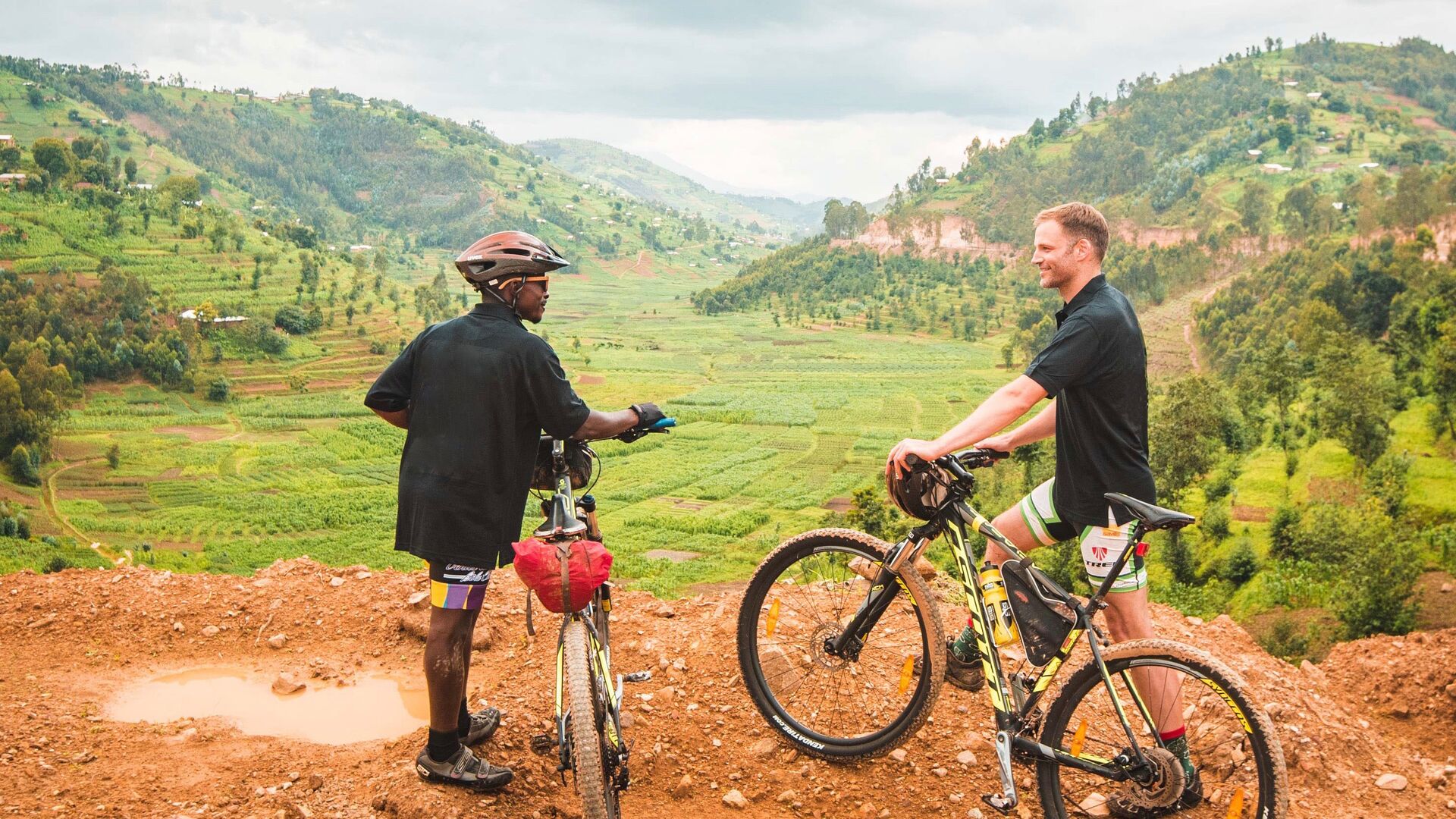
For travelers seeking an active, high-endurance challenge, Rwanda offers an extraordinary landscape known geographically as the "Land of a Thousand Hills." The 11-day Cycle Rwanda expedition pushes cyclists across diverse topographies, ranging from the chimpanzee-inhabited low valleys of Nyungwe National Park to the misty, volcanic peaks of the Virunga Mountains.
The route incorporates segments of the Congo Nile Trail alongside sections utilized during the UCI Road World Championship. To balance physical exertion with conservation awareness, the itinerary allows participants to transition from two wheels to foot for optional mountain-gorilla trekking excursions. Economists and wildlife managers note that high-value, low-impact adventure sports generate essential revenue for primate conservation and anti-poaching patrols.
Slow Travel and Indigenous Culture in Whitehorse, Canada
The Yukon Territory in northern Canada has historically functioned as a transit corridor for travelers pushing further into the wilderness. However, its capital, Whitehorse, is shedding its stopover reputation to become a destination of cultural significance in its own right.
Integrated into the Wild Canada & Alaska itinerary—a 2027 Not Hot List nominee—visitors spend two immersive nights in Whitehorse. The program emphasizes slow travel, offering guided explorations led by local Tlingit guides and members of the Kluane First Nation. By foregrounding Indigenous perspectives on land stewardship and history, the trip provides a nuanced educational framework that contrasts sharply with conventional commercial tours.
Sumba Island: An Alternative Indonesian Sanctuary
As Bali continues to grapple with the pressures of mass international tourism, travelers are increasingly looking toward Indonesia’s lesser-known outer islands. Sumba, located east of Bali, offers a striking counterpoint with its megalithic tombs, traditional thatched-roof villages, and sweeping savanna landscapes.
The Indonesia: Sumba Island Discovery itinerary invites small groups to engage with daily village life in Ratenggaro and Prai Ijing, participating in traditional games, dances, and agrarian practices. Environmental and cultural preservation advocates praise such initiatives for protecting indigenous traditions from homogenization, while natural attractions—such as the turquoise waters of Waikuri Lagoon and the wild sandalwood ponies of Puru Kambera—offer untouched scenic beauty.
Mexico’s Heartland: Guadalajara, Guanajuato, and Sierra Gorda
Moving to North America, cultural itineraries are increasingly turning away from coastal resort enclaves to explore Mexico’s interior heartland. A comprehensive journey through Central Mexico and the Sierra Gorda pairs the sensory experiences of touring the agave fields of Guadalajara with deep dives into the colonial history and musical heritage of Guanajuato.
The itinerary culminates in the Sierra Gorda Biosphere Reserve, a geographically complex and ecologically rich protected area encompassing microclimates ranging from semi-arid scrublands to dense cloud forests. The reserve serves as a critical habitat for rare endemic species, including the axolotl. Conservation organizations highlight that ecotourism in regions like Sierra Gorda provides critical financial incentives for local populations to protect biodiversity rather than engage in resource-extraction industries.
Stargazing and Conservation in Kenya’s Samburu
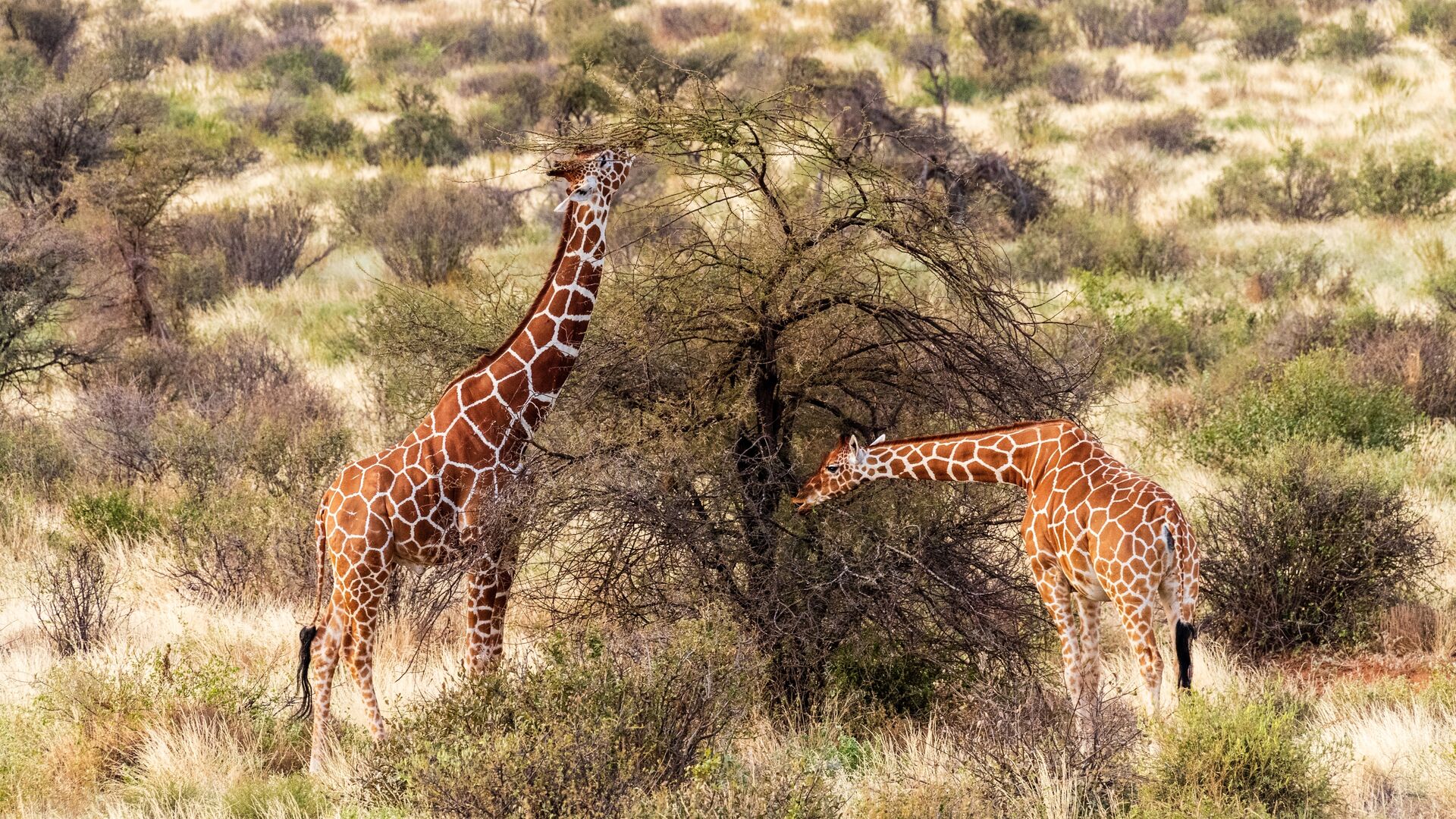
While Kenya’s Maasai Mara commands global attention, northern Kenya’s Samburu National Reserve offers a more intimate, ecologically diverse safari experience. Featured on the 2027 Not Hot List, Samburu is celebrated for harboring the "Samburu Special Five"—rare endemic wildlife species including the reticulated giraffe, Grevy’s zebra, Beisa oryx, Gerenuk, and Somali ostrich.

The 10-day Kenya Safari Adventure integrates innovative astro-tourism elements, pairing traditional bonfire storytelling with guided astronomical observation. Additional conservation-focused visits include stops at the Ol Pejeta rhino conservancy and birdwatching excursions on Lake Nakuru within the Great Rift Valley. Wildlife biologists note that diversifying safari tourism across regional reserves helps alleviate ecological pressure on heavily impacted ecosystems.
Authentic Island Life Beyond the Resort Maldives
The Republic of Maldives is universally recognized for its ultra-luxury private island resorts, yet this model often isolates tourists from the everyday lives of Maldivian citizens. Addressing this disconnect, the Maldives Beyond the Beaches itinerary champions locally owned guesthouses, community-hosted home-cooked meals on Goidhoo Island, and collaborative lunches with fishermen on Thuladhoo.
By utilizing local maritime transport and community-run accommodations, the program ensures that tourism revenue directly benefits island families. Guided snorkeling excursions further educate visitors on coral reef preservation, shifting the focus of Maldivian tourism from passive relaxation to active marine conservation and cultural exchange.
The Pekoe Trail: Slow Exploration in Sri Lanka’s Tea Country
Sri Lanka’s newly established Pekoe Trail represents one of the most ambitious trail-development projects in South Asia. Spanning 300 kilometers of meticulously mapped and maintained footpaths, the trail winds through the island’s central highlands, connecting historic tea estates, rural villages, and mist-shrouded mountain ridges.
The Hike Sri Lanka’s Pekoe Trail itinerary curates six standout sections of the long-distance route over a 10-day period. By bypassing congested tourist centers, hikers experience the profound quiet of the hill country, complete with starlit camping experiences amidst working tea plantations. Tourism economists project that long-distance trail infrastructure will play a critical role in spreading visitor expenditures to rural mountain communities across the island.
Arctic Frontiers: Winter Landscapes in Northern Norway
For travelers drawn to extreme latitudes, the Northern Norway in Winter expedition offers an immersive encounter with the Arctic circle during its polar night period. Centered on the fjord-scarred archipelago of Skjervoy, the itinerary tasks participants with searching for migrating orcas and humpback whales, mushing dog sleds across snow-covered wilderness, and engaging with Indigenous Sami reindeer herders.
Meteorological and polar tourism experts note that winter expeditions require specialized logistical support and a high degree of preparedness, but offer unmatched opportunities for viewing the aurora borealis while supporting northern communities during their off-peak tourism season.
Family Adventures in Taiwan: Beyond Traditional Resorts
Concluding the 2027 collection is a specialized family itinerary designed to reshape how multi-generational groups experience international travel. The Taiwan Family Holiday targets children aged five and above, replacing standard theme park attractions with hands-on cultural workshops.
Participants learn the culinary arts of crafting authentic bubble tea—invented in Taiwan—alongside traditional dumpling and beef-noodle soup preparation. The itinerary further incorporates night market explorations, cycling excursions around Sun Moon Lake, and beach conservation awareness days on Lambai Island, a sanctuary for green sea turtles. Educational specialists praise family-oriented adventure programs for instilling global citizenship, ecological awareness, and cultural curiosity in younger generations.
Implications for the Future of Global Travel
The launch of these 12 unorthodox itineraries underscores a broader evolution within the global travel and tourism industry. As climate concerns, overtourism fatigue, and a desire for authentic human connection redefine consumer behavior, tour operators are shifting toward regenerative travel models. By directing travelers away from saturated urban centers and fragile ecosystems toward thoughtfully curated, community-led alternative destinations, the industry is charting a sustainable course for 2027 and beyond—proving that the most rewarding journeys often begin where the well-trodden path ends.