Outside Days 2026 Gears Up for Unprecedented Festival Experience with Essential REI Kit Recommendations


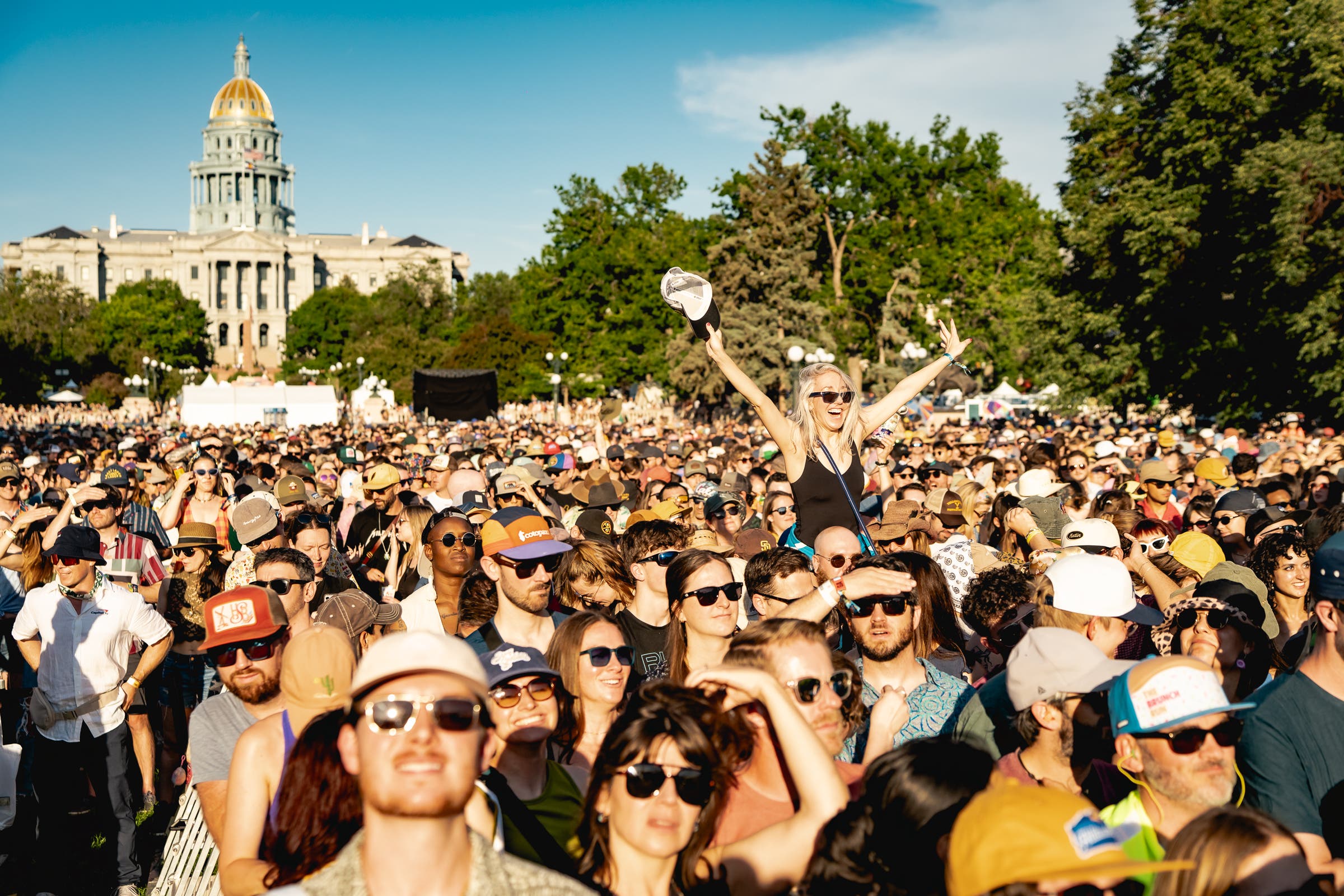
As the highly anticipated Outside Days festival approaches, scheduled for May 29-31, 2026, outdoor enthusiasts and music lovers alike are preparing for what promises to be the largest iteration of the annual celebration yet. Published on April 16, 2026, this guide highlights the strategic partnership with REI, the nation’s leading outdoor retailer, ensuring attendees are fully equipped for an immersive experience blending live music, cinematic showcases, and diverse outdoor activities. This year’s festival, expanded to include an extra day of programming, is set to draw record crowds with an impressive lineup featuring headliners such as Death Cab for Cutie, My Morning Jacket, and Cage the Elephant. The convergence of world-class entertainment and the vibrant spirit of outdoor adventure underscores the festival’s growing prominence in the cultural landscape, necessitating thoughtful preparation and the right gear for optimal enjoyment and safety.

The Evolution of Outside Days: A Premier Outdoor Cultural Event
Outside Days, an initiative by the broader Outside Online ecosystem, has rapidly established itself as a cornerstone event for the outdoor community. Conceived as an annual confluence of music, film, and outdoor lifestyle, the festival aims to inspire and equip individuals to embrace the natural world. Since its inception, the event has seen consistent growth in attendance and scope, reflecting a surging public interest in experiential outdoor recreation. Early iterations of Outside Days, while smaller in scale, laid the groundwork by focusing on community engagement and showcasing emerging talent alongside established outdoor brands. The decision to extend the festival by an additional day for 2026 is a direct response to this increasing demand and the desire to offer an even richer tapestry of experiences.
The festival’s curated blend of musical performances, outdoor film screenings, workshops, and guided activities creates a unique atmosphere where culture and adventure intertwine. Past festivals have drawn an estimated 20,000-30,000 attendees annually, a figure projected to increase significantly in 2026. This growth trajectory is supported by broader demographic trends indicating a sustained increase in outdoor recreation participation, particularly among younger generations seeking authentic and immersive experiences. Organizers emphasize the festival’s commitment to sustainability and fostering a deeper connection to nature, themes that resonate strongly with its audience and partners. The inclusion of diverse musical acts like Death Cab for Cutie, known for their indie rock sensibilities, My Morning Jacket’s psychedelic rock, and Cage the Elephant’s energetic alternative sound, ensures broad appeal while maintaining a distinct artistic identity that complements the outdoor ethos.
REI: The Essential Partner for Festival Preparedness
REI, as the self-proclaimed "hub for everything you need to enjoy a weekend outside," plays a pivotal role in the Outside Days experience. The partnership extends beyond mere sponsorship, reflecting a shared commitment to enabling outdoor life and ensuring attendees are well-prepared for any conditions the festival might present. From sun protection and hydration to comfortable footwear and versatile storage solutions, REI’s curated selection of gear is designed to enhance comfort, safety, and overall enjoyment. The co-op’s extensive expertise in outdoor equipment, coupled with its mission-driven approach, makes it an indispensable resource for festival-goers.
A key advantage for attendees is the REI Co-op® Mastercard®, which offers year-round gear savings with 5% in card rewards on all REI purchases. Furthermore, cardholders gain access to exclusive discounts and perks specifically tailored for Outside Days, adding significant value for frequent festival attendees and outdoor enthusiasts. These benefits underscore REI’s unique consumer co-op model, where members receive dividends on their purchases and enjoy a range of exclusive services and offerings. An REI spokesperson might highlight that "our collaboration with Outside Days is a natural fit, aligning our dedication to outdoor accessibility with the festival’s spirit of adventure and community. We aim to equip every attendee to fully embrace the experience, comfortably and safely." This sentiment reflects REI’s broader commitment to its 25 million members and the wider outdoor community.
Curated Gear for an Unforgettable Outside Days 2026 Experience
To ensure attendees are fully prepared for the dynamic environment of Outside Days, REI has identified eight essential pieces of gear. These selections address common challenges faced at outdoor festivals, from prolonged sun exposure and hydration needs to comfortable mobility and practical storage. Each item has been chosen for its blend of functionality, durability, and user comfort, reflecting REI’s commitment to quality.
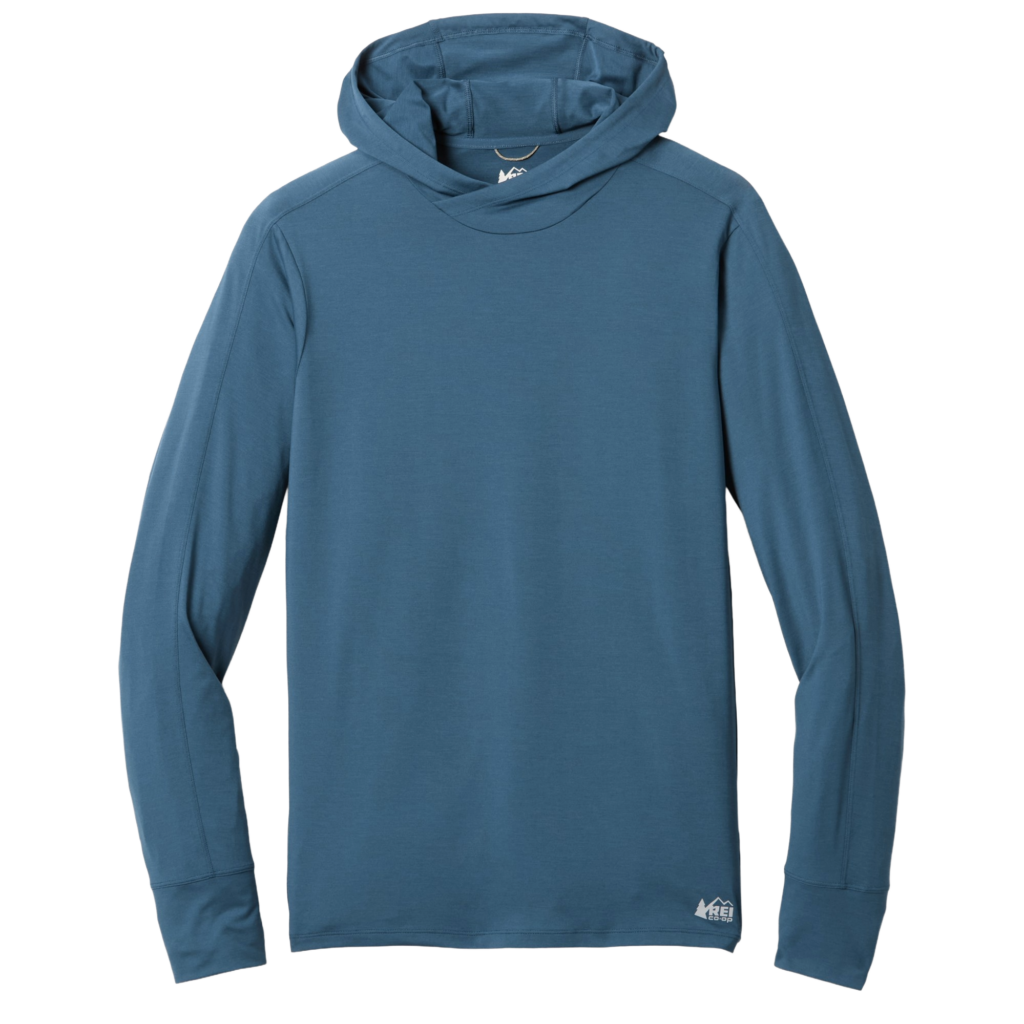
1. REI Co-op Sahara Shade Hoodie: Advanced Sun Protection
The REI Co-op Sahara Shade Hoodie is an indispensable garment for long days under the sun. Designed with UPF 50+ technology, it offers superior protection against harmful ultraviolet rays, a critical feature for sustained outdoor exposure. The lightweight, soft, and stretchy fabric ensures unrestricted movement and breathability, crucial for comfort during active festival participation. Features like an adjustable hood and thumbholes provide a secure fit and extended coverage, protecting the neck and back of the hands, areas often overlooked. In the context of increasing awareness about skin cancer risks, such protective apparel has become a standard recommendation for any outdoor activity, blending health consciousness with practical design. Market analysis shows a rising demand for versatile sun-protective clothing that can transition seamlessly from active pursuits to casual wear, making this hoodie a prime example of functional outdoor apparel.

2. BANDITS Bandana: The Ultimate Festival Multi-Tool
A bandana is often underestimated but stands as one of the most versatile items a festival-goer can pack. The BANDITS Bandana elevates this utility with thoughtful design and ethical production. Made from soft organic cotton, it provides comfort against the skin while serving myriad purposes: a headband to manage sweat, a makeshift sun shade for the neck or face, a dust mask, or even a basic first-aid sling in an emergency. Beyond its practicality, BANDITS bandanas are designed by artists globally, transforming a functional item into a piece of wearable art. Each design also supports a different charity, aligning with the growing consumer preference for products with social impact. This blend of utility, artistic expression, and charitable giving makes the BANDITS Bandana a conscious choice for the discerning festival attendee.
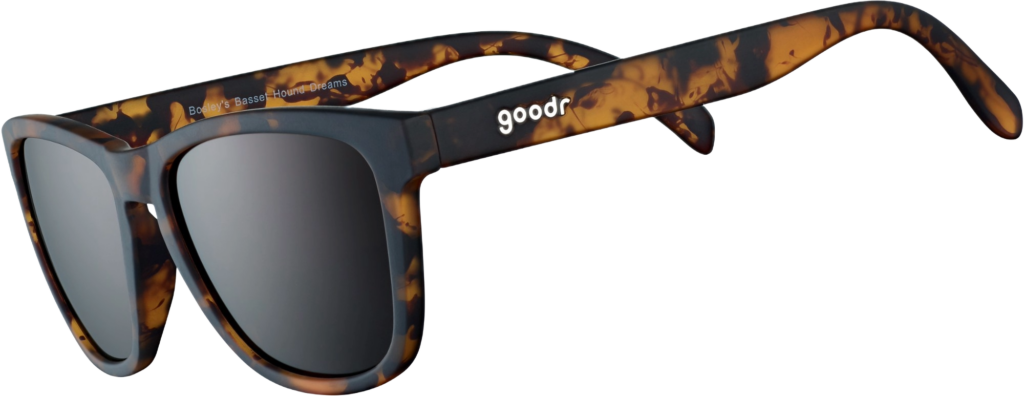
3. goodr OGs Polarized Sunglasses: Style Meets Performance
goodr OGs Polarized Sunglasses are tailor-made for the festival atmosphere, combining affordability, high-quality optics, and a fun aesthetic. Their nonslip frames are specifically designed to stay put during dancing, jumping, and general movement, eliminating the common frustration of constantly readjusting eyewear. The polarized lenses are crucial for reducing glare, especially when spending extended periods in bright sunlight, improving visual clarity and reducing eye strain. Priced at approximately $30, goodr sunglasses offer exceptional value, making them a worry-free choice for an environment where items can easily be misplaced. The brand’s philosophy of providing performance eyewear without the exorbitant price tag resonates with a wide audience, proving that effective eye protection can be both accessible and stylish.
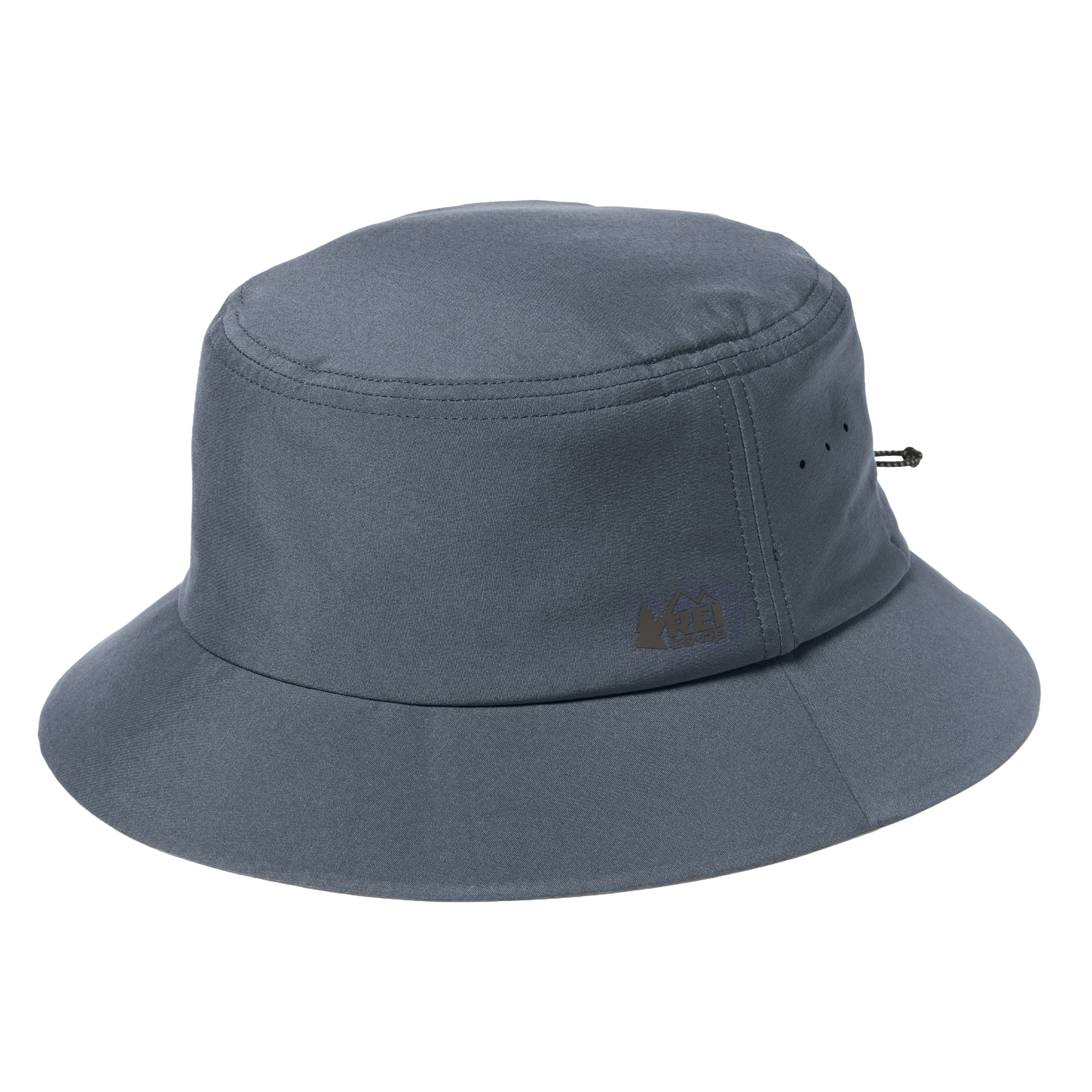
4. REI Co-op Flash Bucket Hat: Innovative Cooling and Coverage
The REI Co-op Flash Bucket Hat redefines traditional sun protection with integrated cooling features. While offering standard UPF 50+ sun protection for comprehensive head and face coverage, it distinguishes itself with laser-cut vents in the crown. These vents facilitate airflow, providing an extra level of cooling that is invaluable during hot festival days. The hat’s bungee adjustment system allows for fine-tuning the fit, ensuring it stays secure even in windy conditions. Furthermore, its crushable design means it can be easily stowed in a pocket or bag without losing its shape, highlighting its practicality for dynamic travel and storage. This blend of superior sun protection, innovative cooling, and convenient packability makes it a standout choice for any outdoor event.
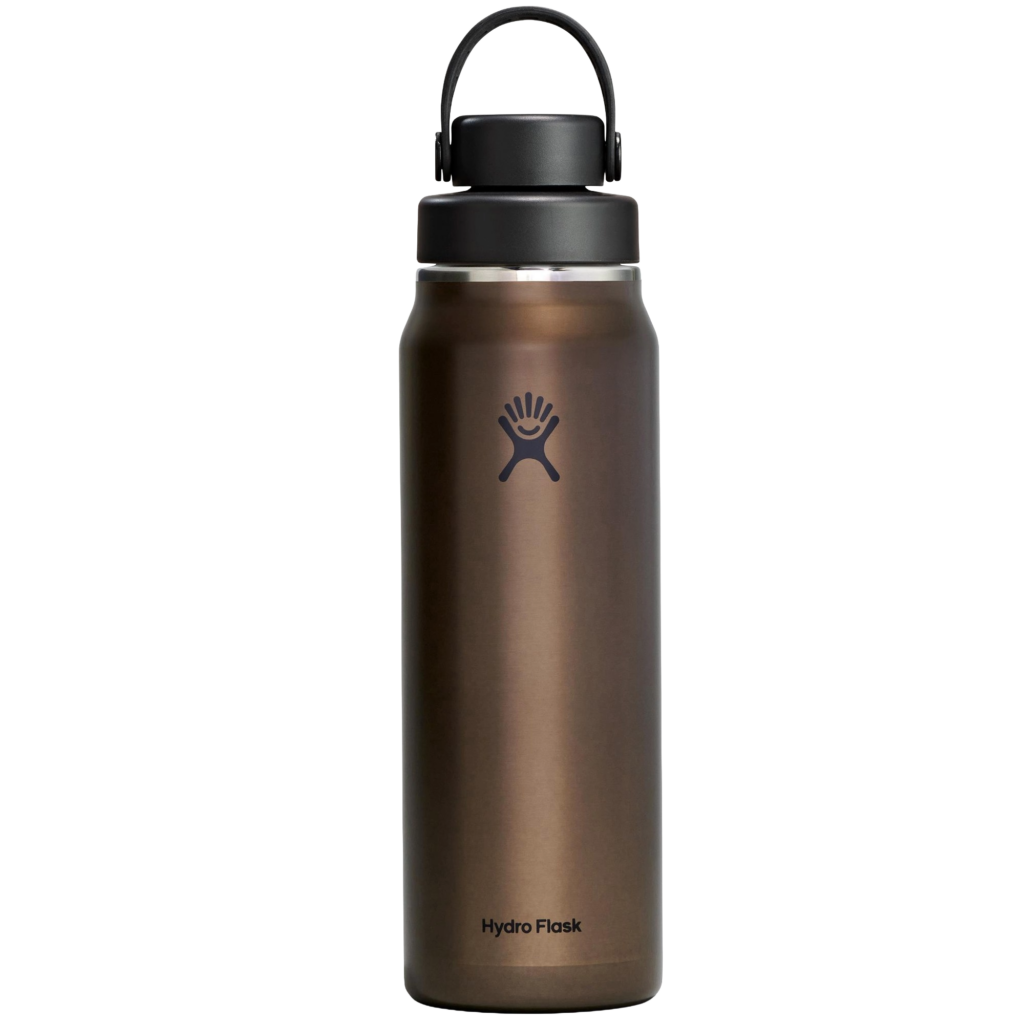
5. Hydro Flask Lightweight 32 oz. Water Bottle: Sustained Hydration
Staying hydrated is paramount at any outdoor festival, particularly under warm conditions and during active participation. The Hydro Flask Lightweight 32 oz. Water Bottle offers a significant upgrade from standard hydration solutions. Its vacuum-insulated double-wall construction is engineered to keep drinks frosty for up to 24 hours, ensuring that refreshing ice-cold water is always at hand, even after hours in the sun. This technology is a game-changer compared to lukewarm alternatives. The lightweight design minimizes carrying burden, a crucial factor for long days on the move. Beyond personal comfort, investing in a reusable water bottle like the Hydro Flask supports environmental sustainability by reducing single-use plastic waste, aligning with the eco-conscious values often promoted at events like Outside Days.
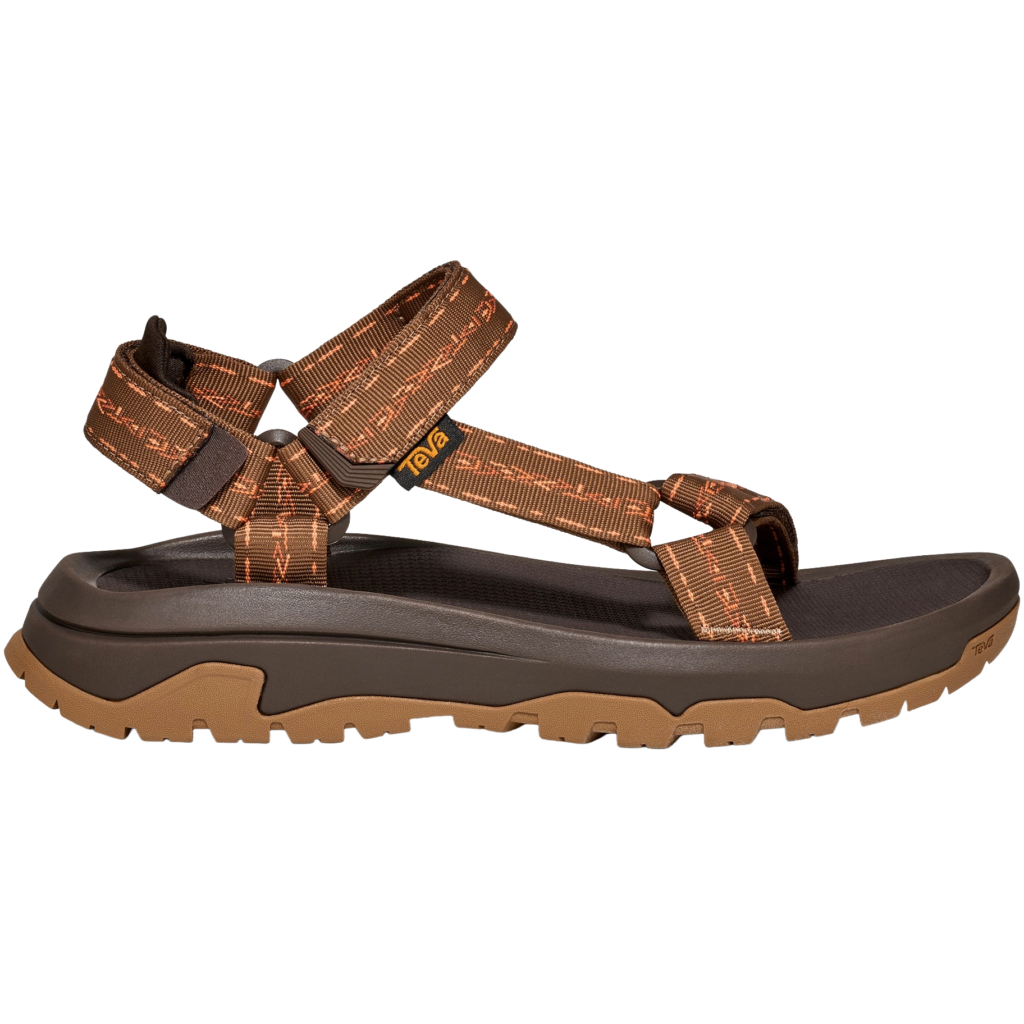
6. Teva Hurricane XLT3 Sandals: Unrivaled Festival Footwear
Comfortable footwear is non-negotiable for long days spent on one’s feet at a festival. The Teva Hurricane XLT3 Sandals represent the latest evolution of Teva’s popular hiking sandals, specifically enhanced for extended wear. The newest version incorporates an extra 5mm of topsole foam, providing superior cushioning and support that significantly reduces foot fatigue. Whether navigating crowded festival grounds, standing for hours at a concert, or engaging in light outdoor activities, the Hurricane XLT3 delivers dependable comfort and traction. Teva’s reputation for durable, adjustable, and water-friendly sandals makes them a practical choice for varied terrains and unpredictable weather. Furthermore, Teva has increasingly focused on sustainable practices, often incorporating recycled materials into their straps, reflecting a broader industry trend towards eco-conscious production.
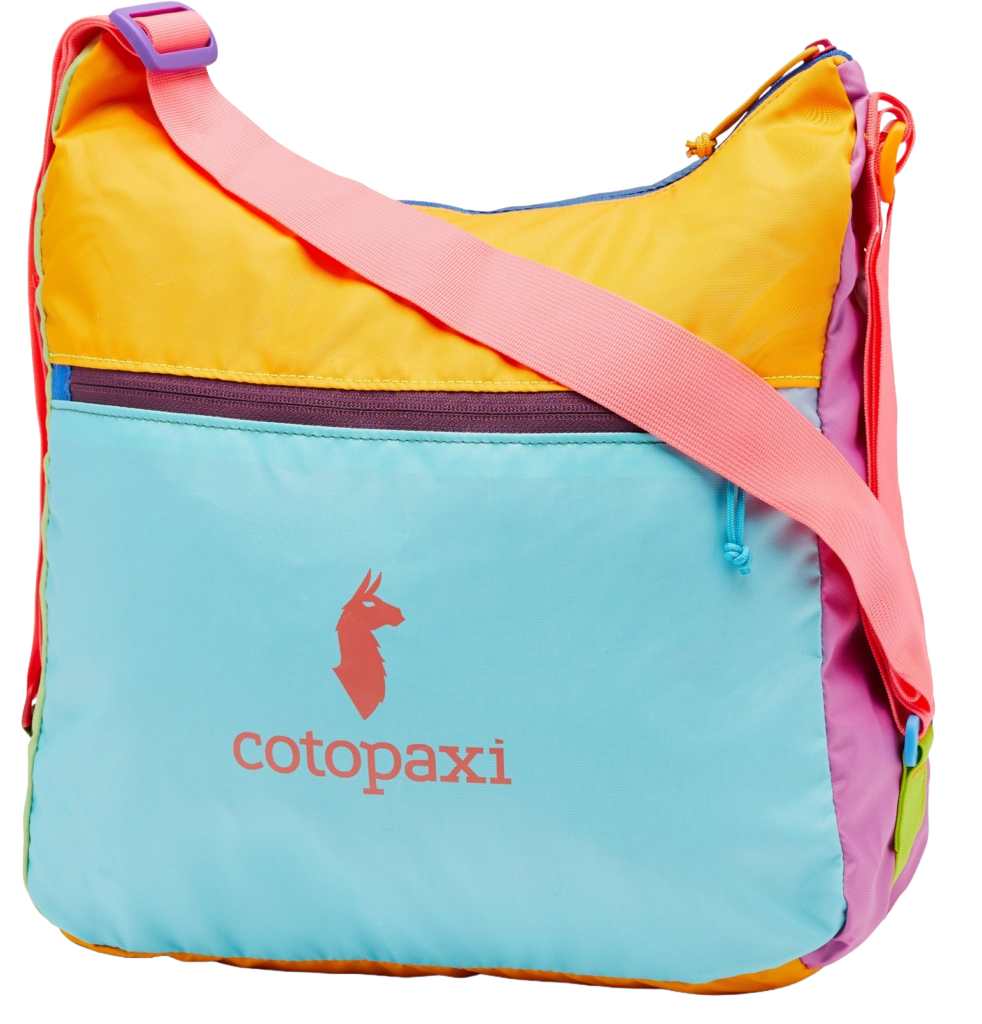
7. Cotopaxi Taal Convertible Del Dia Tote Bag: Versatile Storage Solution
Festival attendees often require flexible storage options to carry essentials, layers, and souvenirs. The Cotopaxi Taal Convertible Del Dia Tote Bag offers the ultimate solution with its hybrid design, functioning both as a tote and a backpack. With 16 liters of storage capacity, it provides ample space for festival necessities such as a jacket, snacks, and personal items. Key features include a dedicated pouch for water bottles, ensuring hydration is easily accessible, and a secure zipper closure to protect valuables. Cotopaxi’s "Del Dia" collection is renowned for its unique approach to sustainability: each bag is made from repurposed materials by employees who have creative control over the color combinations, resulting in one-of-a-kind products and minimizing waste. This ethical manufacturing process and distinctive aesthetic make the Taal Tote a practical and statement-making accessory for Outside Days.
8. Crazy Creek Hex 2.0 Original Chair: Portable Comfort Anywhere
For moments of respite amidst the festival’s energy, a portable seating solution is invaluable. The Crazy Creek Hex 2.0 Original Chair provides supersimple, supercomfortable ground seating. This iconic chair, known for its lightweight and packable design, offers robust support and insulation from the ground, making it ideal for relaxing at a concert, during a film screening, or simply taking a break. Its indestructible construction ensures longevity, while the low-profile design provides a "more grounded" feeling, favored by many over elevated chairs in crowded settings. The Hex 2.0 represents an evolution of a classic, maintaining the core benefits of its predecessors while optimizing for portability and comfort. Its utility extends far beyond festivals, making it a staple for hiking, camping, and any outdoor gathering where comfortable, immediate seating is desired.
Broader Implications: Festival Culture, Sustainability, and the Outdoor Economy
The robust attendance and extensive preparation for events like Outside Days highlight several significant trends. Firstly, the festival underscores the burgeoning popularity of hybrid cultural events that blend music and film with active outdoor engagement. This model appeals to a broad demographic seeking multi-faceted experiences that go beyond traditional concerts or purely athletic events. The "experience economy" thrives on such offerings, with consumers prioritizing memorable moments and personal growth.
Secondly, the emphasis on sustainable and functional gear from retailers like REI reflects a growing consciousness among consumers regarding environmental impact and product longevity. Attendees are increasingly seeking products made from recycled materials, offering durability, and promoting responsible outdoor practices. Both Outside Days and REI, through their respective missions and product offerings, actively contribute to fostering a culture of environmental stewardship and adherence to principles like "Leave No Trace."
Finally, the economic impact of such large-scale festivals is substantial. Outside Days not only generates revenue for local businesses through tourism and hospitality but also supports a wide ecosystem of artists, filmmakers, outdoor educators, and gear manufacturers. The strategic partnership between Outside Online and REI further consolidates the economic pipeline within the outdoor industry, driving sales, employment, and innovation. As outdoor recreation continues to grow, festivals like Outside Days serve as vital platforms for community building, cultural exchange, and promoting a healthy, active lifestyle for all.
In conclusion, Outside Days 2026 is poised to be an unforgettable event, offering a rich tapestry of music, film, and outdoor adventure. With careful planning and the right gear from REI, attendees can fully immerse themselves in the festival experience, confident in their comfort, safety, and preparedness. The synergy between the festival’s vibrant programming and REI’s commitment to quality outdoor equipment ensures that participants are not just observers but active contributors to a thriving outdoor culture.
Related posts: