Labor Day Weekend Camping Trip in Washington State Ends in Immigration Raid and Heightened Scrutiny Over Federal Interagency Operations

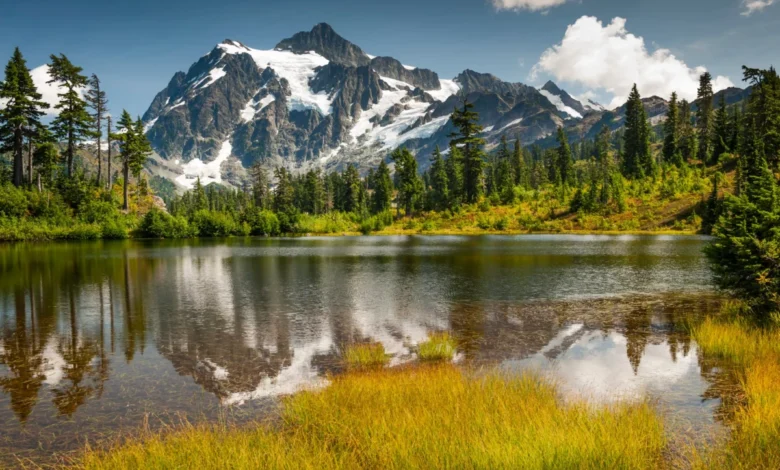
A routine holiday family outing in the Pacific Northwest transformed into a high-stakes federal enforcement operation over Labor Day weekend, when five men were arrested by U.S. Immigration and Customs Enforcement (ICE) agents while camping on public lands in Washington State. The incident, which unfolded near Granite Falls in the vicinity of the Mount Baker–Snoqualmie National Forest, has ignited a fierce national debate regarding the growing operational collaboration between environmental land management agencies and federal immigration authorities.
According to reports verified by the U.S. Department of Homeland Security (DHS), five families had gathered for a holiday camping trip. What began as a standard recreational escape into nature quickly shifted late into the night, resulting in the detention of five adult men. The operation has since drawn sharp criticism from civil rights organizations, outdoor recreation advocates, and legal experts who argue that utilizing public park rangers as intermediaries for immigration enforcement risks fundamentally altering public trust in federal lands.
Chronology of Events: From a Campground Warning to Midnight Detainees
The sequence of events began innocuously enough, according to accounts published by organizing groups on fundraising platforms established to support the affected families. Over the course of the holiday weekend, several individuals approached the family campsite, explicitly identifying themselves as U.S. Forest Service (USFS) rangers.
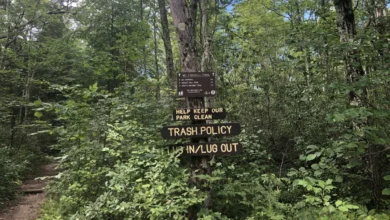
The initial contact was framed around environmental stewardship and campground maintenance. The individuals informed the campers that there was an issue concerning improper garbage disposal at or near their site and issued what was described as a verbal warning. Because the interaction was presented as a routine administrative and civil matter concerning park rules, the families felt reassured and cooperative.
During this initial daylight interaction, the individuals posing as or accompanying the USFS personnel requested identification from every adult present in the camping group. Trusting that they were simply complying with standard park regulations regarding the alleged trash violation, the campers handed over their identification documents.
The situation escalated dramatically around midnight. While the families were asleep inside their tents, immigration enforcement agents arrived at the site. According to the families, at least one of the individuals who had presented themselves earlier as a forest ranger returned alongside the ICE agents. The immigration officers shook the tents to wake the occupants and proceeded to arrest five men from the group.
Official Agency Statements and Individual Statuses
In subsequent statements provided to media outlets, a DHS spokesperson confirmed that the arrests were executed during a joint operation conducted in coordination with the USFS. Federal authorities provided specific justifications regarding the legal statuses of the five men taken into custody.
According to DHS records, two of the detained men had previously been issued administrative orders for voluntary return to Mexico. A third man had a prior arrest record related to driving charges. The remaining two men were categorized by federal authorities as having entered the United States unlawfully at an unspecified time and location.
“They will remain in ICE custody pending removal proceedings and will receive due process,” a DHS spokesperson stated.
Despite requests for clarification regarding the specific protocols that led to the joint operation, representatives for both the USFS and the ICE field office declined to provide immediate detailed commentary. However, the USFS issued a broader policy statement regarding its interagency enforcement framework.
The agency acknowledged that its law enforcement and criminal investigation division routinely cooperates with local, state, and Tribal authorities. Furthermore, the USFS confirmed that its personnel occasionally assist federal agencies charged with enforcing immigration laws.
“Although Forest Service law enforcement officers and criminal investigators do not enforce immigration law, they collaborate with agencies that do,” a USFS spokesperson explained. “These partnerships may involve checkpoints, patrols, or targeted enforcement efforts in areas where public safety and federal land management responsibilities intersect.”
A Broader Pattern: The Escalation of Interagency Operations on Public Lands
The Granite Falls incident does not appear to be an isolated occurrence, pointing instead to an evolving strategic approach by federal enforcement agencies. Legal observers and public land advocates note a distinct shift in how federal spaces are being utilized for immigration enforcement under the current political landscape.
Reuben S. Kerben, a managing attorney at the New York City-based immigration firm Kerben Law Firm, highlighted the departure from historical norms. Historically, local park rangers acting as a conduit for immigration sweeps was considered exceptionally rare. However, legal analysts point out that interagency collaborations between traditional conservation entities and immigration enforcement have become increasingly commonplace, reflecting shifting federal enforcement priorities.
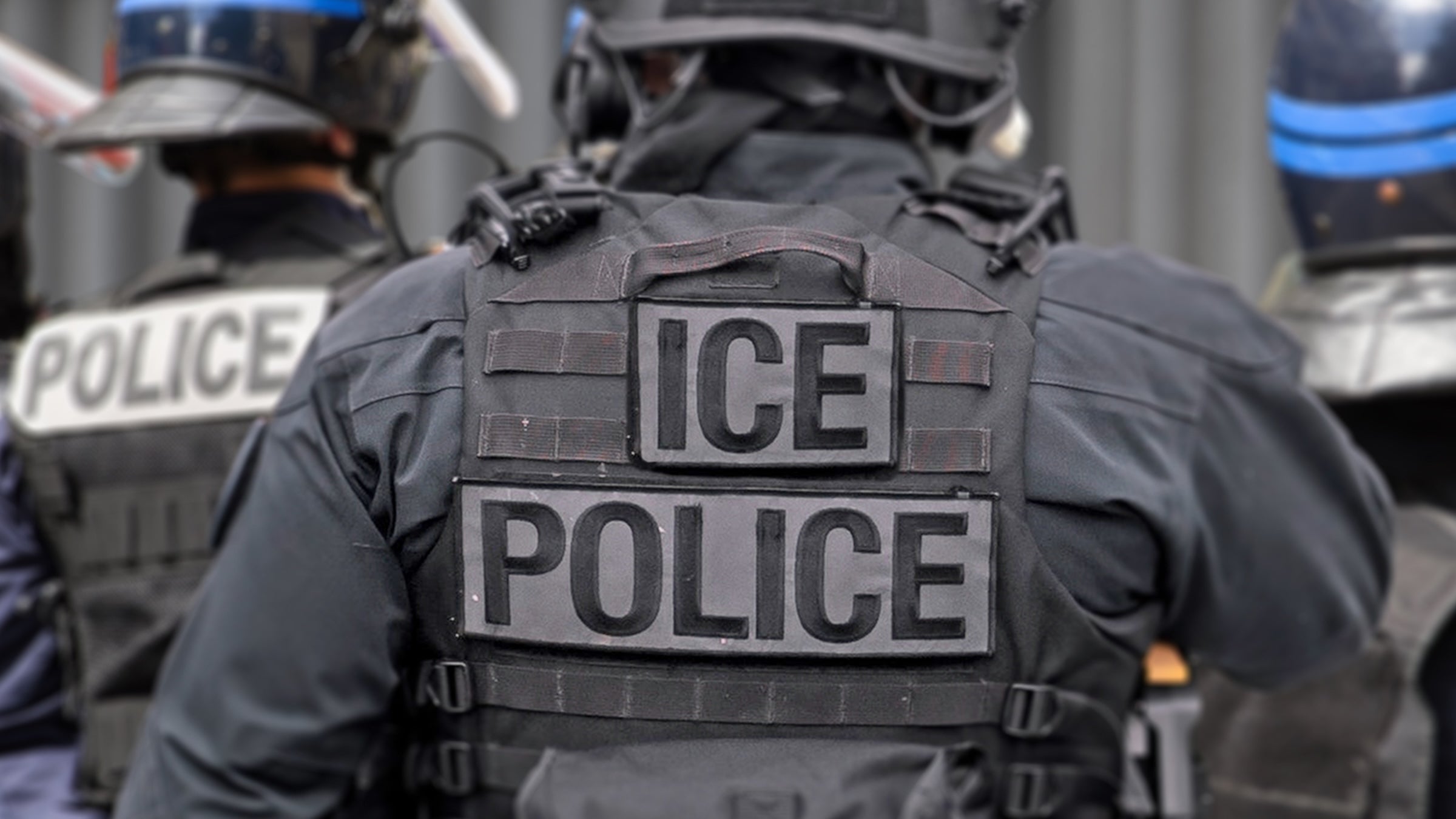
This Washington State operation occurred less than six weeks after a strikingly similar joint enforcement action took place in the Southeast. In that instance, ICE agents and USFS law enforcement personnel executed an operation at the Wilson Creek Recreation Area within North Carolina’s Pisgah National Forest, resulting in 13 arrests. The clustering of these operations within national forests has alarmed conservationists, who fear that public recreation areas are being co-opted into enforcement zones.
Environmental Advocacy and Public Safety Concerns
The involvement of park management in immigration enforcement has drawn swift and vehement condemnation from environmental justice and outdoor advocacy organizations. Critics argue that leveraging federal lands—traditionally viewed as safe, neutral spaces for recreation and respite—for immigration sweeps threatens to deter marginalized communities from utilizing public resources.
Jackie Ostfeld, director of the Sierra Club’s Outdoors for All campaign, sharply criticized the allocation of federal conservation resources toward immigration enforcement.
“Why is it using limited agency resources to help immigration agents target families on public land?” Ostfeld asked in a public statement. She warned that actions of this nature carry profound deterrent effects, suggesting that families will inevitably think twice before planning camping trips if they harbor fears that the very officials tasked with managing campgrounds might ultimately turn them over to immigration authorities.
GreenLatinos, a prominent national nonprofit coalition uniting Latino leaders for environmental stewardship, echoed these concerns with sharp rhetoric. Olivia Juarez, director of the organization’s Public Land Program, condemned the operation in Mount Baker–Snoqualmie National Forest, asserting that rangers had functionally operated as “immigration enforcement hounds” rather than prioritizing natural resource education and stewardship over a busy holiday weekend.
“Family separation in a national forest should stir a sense of injustice in each of us who enjoyed some respite on our public lands this Labor Day,” Juarez stated.
Constitutional Rights and Legal Protections on Federal Lands
In light of the Granite Falls arrests, legal experts have sought to clarify the precise constitutional rights and boundaries that govern individuals recreating on federal public property. Federal lands—including those managed by the USFS, the Bureau of Land Management (BLM), and the National Park Service (NPS)—are subject to both federal statutes and foundational Constitutional protections.
According to legal authorities, federal officers, park rangers, and BLM personnel possess the legal authority to approach an open campsite, initiate a casual conversation, or ask questions without needing a warrant, probable cause, or reasonable suspicion. However, that broad administrative access does not extend to private spaces.
“That doesn’t mean that they have a right to go ahead and conduct a warrantless search of somebody’s tent, somebody’s RV, or their inner space,” Kerben explained.
To lawfully search a tent or private shelter, an officer must obtain explicit consent or establish legal justification, such as exigent circumstances, an active emergency, or observable evidence of criminal activity. Furthermore, individuals recreating on public lands retain their fundamental constitutional protections, including the Fifth Amendment right to remain silent. Campers are under no legal obligation to answer questions posed by federal rangers regarding their personal history or citizenship.
Complications often arise when visitors voluntarily answer inquiries. If a camper responds to an origin-related question by naming a country heavily targeted by immigration enforcement, that disclosure can provide an administrative foundation for rangers to verify status and coordinate with ICE. Regarding identification, rangers may legitimately request credentials to verify compliance with specific recreational permits, such as backpacking registrations or fishing licenses.
Crucially, constitutional safeguards—including the right to due process—apply universally to all persons physically present within the territorial boundaries of the United States, irrespective of their legal status, citizenship, or visa classification.
“Due process protections under the Constitution apply to persons in the United States, whether you’re a citizen, a permanent resident, a visitor, someone who overstayed their visa, or someone who crossed the border,” Kerben emphasized. “If you’re involved in an illegal stop and search, even if you’re undocumented, your due process rights may have been violated, and you would have the right to seek appropriate action in court.”
As legal challenges are anticipated and public advocacy groups continue to demand transparency regarding interagency agreements, the incident near Granite Falls stands as a focal point in an ongoing national debate over the intersection of environmental management, civil liberties, and immigration enforcement in America’s great outdoors.