The Etymology of Glisse: How a French Term Shaped the Discourse of Extreme Alpine Sports

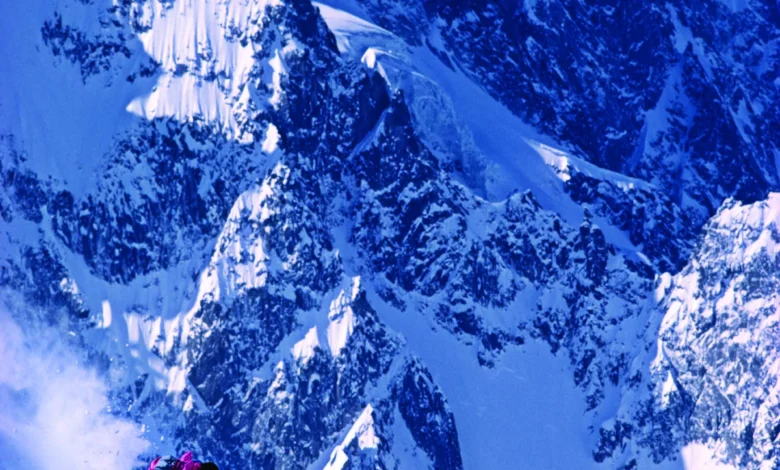
In the late 1980s, amidst the soaring peaks and glacial terrain of Chamonix, France—a global epicentre for avant-garde alpine pursuits—a linguistic shift was subtly taking hold. It was here that photographer and writer Chris Noble immersed himself, documenting the audacious exploits of athletes like Jean-Marc Boivin, Bruno Gouvy, and the revered Patrick Vallençant, who were then redefining the boundaries of snow performance. Noble, a keen observer of culture and language, brought back a specific French term to the United States that, to him, encapsulated the dynamic energy of high-angle alpine activity: glisse.
Noble’s insight illuminated the term’s profound relevance. Derived from the verb glisser, meaning ‘to glide,’ glisse transcended a mere descriptor, becoming an umbrella concept for what North Americans would colloquially term ‘action sports.’ For a generation then awakening to the allure of extreme alpine disciplines, glisse arrived as a resonant and timely concept. Its inherent foreignness, coupled with its cool, evocative quality, suggested an understanding of these burgeoning activities that felt distinct from conventional American nomenclature. It was a word imbued with a sense of fluid motion, hinting at the frictionless dance between athlete and environment, embodying a Gallic insouciance that resonated with the rebellious spirit of the emerging extreme sports scene.
The Genesis of Glisse in Chamonix: A Cultural Epicentre
Chamonix Mont-Blanc, nestled in the French Alps, has long served as a crucible for mountaineering and extreme sports. Its formidable landscape, featuring some of Europe’s most challenging slopes and vertical faces, attracted a cadre of pioneering athletes throughout the 20th century. By the 1980s, this community had grown into a vibrant ecosystem where innovation in equipment, technique, and philosophy converged. It was within this environment that the concept of glisse found its deepest roots, embodying a holistic approach to sliding sports—from skiing and snowboarding to ice climbing and paragliding—that emphasized grace, flow, and an intimate connection with nature.
The individuals Noble observed were not merely participating in sports; they were orchestrating a revolution in human movement. Patrick Vallençant, tragically deceased in 1989, remains an icon of extreme skiing. His daring descents, often captured by photographers like Chris Noble, showcased a mastery of terrain and snow conditions that few could rival. The image of Vallençant navigating the legendary Pas de Chèvre (Track of the Goat) on the Grandes Montets, a renowned powder run in Chamonix, serves as a powerful visual testament to the glisse ethos: fluid, precise, and utterly committed. Alongside him, figures like Jean-Marc Boivin, a multi-disciplinary extreme athlete known for his audacious first descents and speed records in various alpine sports, and Bruno Gouvy, another celebrated skier and climber, personified this era of pushing limits. Their exploits were not just about speed or height; they were about the manner of engagement, the art of gliding across, down, or through the mountain environment.
Beyond "Action Sports": The Nuance of Glisse
While the term "action sports" gained widespread traction in North America to categorize a diverse range of activities from skateboarding and surfing to mountain biking and freeskiing, glisse offered a more specific, arguably more poetic, interpretation. "Action" implies dynamism and exertion, which are certainly components of these sports. However, glisse focuses on the fundamental act of sliding or gliding, suggesting a particular aesthetic and philosophical approach. It emphasizes the fluid interaction with a surface—be it snow, water, or even air (as in paragliding, which involves gliding)—rather than merely the high-energy output.
This distinction is crucial for understanding the cultural values embedded within the French alpine community. Glisse speaks to an elegance of movement, a mastery that makes difficult maneuvers appear effortless. It conjures images of skiers carving perfect arcs, snowboarders floating through deep powder, or windsurfers skimming across waves. This nuance resonated strongly within the nascent extreme sports scene because it provided a vocabulary that matched the evolving sophistication of the athletes and their disciplines. It was a term that suggested not just physical prowess but also a profound understanding of physics, environment, and personal flow.
The Rise of Extreme Sports: A Global Phenomenon
The late 1980s and early 1990s marked a pivotal period for what would become known globally as extreme sports. What began as niche activities pursued by a daring few in specific geographic pockets—like Chamonix for alpine sports, Hawaii for big-wave surfing, or California for skateboarding—began to proliferate and gain mainstream attention. Technological advancements in equipment, such as lighter skis, more responsive snowboards, and improved safety gear, democratized access to these once-exclusive pursuits. Simultaneously, a growing counter-culture movement, seeking alternatives to traditional team sports, found an outlet in the individualism and adrenaline of extreme activities.
This era saw the birth of dedicated media outlets, festivals, and competitions that amplified the visibility of these sports. The X Games, launched by ESPN in 1995, played a particularly significant role in popularizing "action sports" globally, transforming athletes into household names and attracting corporate sponsorships. This commercialization, while bringing financial support and broader recognition, also led to a standardization of terminology, often favouring broader, more marketable terms like "action sports" over more culturally specific ones like glisse.
Cultural Impact and Linguistic Legacy
Despite the widespread adoption of "action sports" in English-speaking markets, glisse retained a significant cultural cachet, particularly within European alpine and watersports communities. It continued to be used in marketing, journalism, and everyday conversation in France and other francophone regions to describe the spectrum of sliding activities. Its enduring appeal lies in its concise elegance and its ability to evoke a shared sense of passion for these dynamic sports.
The implications of terms like glisse extend beyond mere translation. They highlight how language shapes perception and identity within specific subcultures. For those immersed in the world of alpine performance, glisse offers a deeper, more nuanced lens through which to view their activities. It speaks to a certain mastery, a balletic quality in motion, and a profound connection to the natural elements that might be less overtly captured by a term like "action." The adoption and appreciation of glisse in the late 1980s, as noted by Chris Noble, underscored a desire within the burgeoning extreme sports community for language that truly articulated the unique blend of athleticism, artistry, and risk inherent in their pursuits.
From Niche to Mainstream: Industry Growth and Evolution
The trajectory of extreme sports from a fringe phenomenon to a multi-billion-dollar global industry is remarkable. Data from various sports marketing firms indicates consistent growth in participation rates and consumer spending on equipment, apparel, and travel related to these activities. For instance, the global outdoor recreation economy, which includes many glisse-related sports, contributes significantly to national GDPs worldwide. The growth of winter sports tourism, in particular, has seen destinations like Chamonix continue to thrive, attracting millions of visitors annually drawn by the promise of pristine slopes and challenging terrain.
This growth has necessitated a continuous evolution in terminology and branding. While "action sports" became the commercial standard, glisse serves as a reminder of the rich linguistic and cultural tapestry from which many of these sports emerged. It represents a more traditional, perhaps purist, perspective on these activities, emphasizing technique and flow over sheer spectacle. This dual nomenclature reflects the ongoing tension between the commercial imperative to broaden appeal and the cultural desire to maintain authenticity and specificity within niche communities.
In conclusion, the journey of glisse from a specific French term observed in the hallowed grounds of Chamonix to a broader concept illuminating the essence of extreme sliding sports provides a compelling case study in linguistic and cultural exchange. Chris Noble’s timely observation in the late 1980s captured a moment when the world was beginning to grasp the profound shifts occurring in alpine sports. While "action sports" may have become the global standard, glisse stands as a testament to the distinctiveness of the French approach, embodying a philosophy of fluid movement, aesthetic grace, and an intrinsic connection to the environment that continues to resonate deeply with enthusiasts worldwide. It is a word that, much like the revolution it describes, offers a unique perspective on the art of human performance in the wild.