The landscape of international luxury travel is undergoing a profound transformation as of August 2026. While traditional Mediterranean hubs have long dictated the rhythm of summer tourism, a confluence of environmental challenges and shifting cultural interests is forcing a recalibration of where the world’s most discerning travelers choose to spend their time and capital. Western Europe, traditionally the bedrock of global tourism, is currently grappling with unprecedented heatwaves and recurring wildfire threats, which have begun to fundamentally alter the allure of once-dependable vacation staples.

This environmental volatility coincides with a rising trend in "set-jetting"—the phenomenon where tourists flock to locations popularized by high-profile film and television productions. With the Côte d’Azur recently confirmed as the primary filming location for the upcoming season of Mike White’s The White Lotus, anticipation is high that the already saturated French Riviera will see a further influx of visitors, intensifying the demand for exclusive, crowd-averse experiences. Consequently, the modern high-end traveler is increasingly prioritizing privacy, sustainability, and untouched frontiers over the well-trodden paths of the 20th-century luxury circuit.
The Shift Toward Experiential Exclusivity
As of mid-2026, the luxury travel sector is reporting a significant uptick in demand for destinations that offer more than just five-star accommodations. According to recent market analysis from hospitality intelligence firms, high-net-worth individuals (HNWIs) are shifting their expenditure away from standard luxury suites and toward "transformational travel." This entails seeking out locations that offer Michelin-starred culinary integration, conservation-led lodges, and bespoke, once-in-a-lifetime access to natural environments that remain buffered from the climate-driven pressures affecting the European mainland.

The current list of the 10 hottest destinations—curated to reflect this evolution—focuses on regions that balance infrastructure with the wild, allowing travelers to venture beyond the familiar while maintaining the standard of service they expect.
A Chronology of the 2026 Travel Pivot
The current state of luxury tourism is best understood through the lens of recent events that have reshaped consumer behavior:

- Summer 2024: Initial warnings regarding the long-term viability of peak-season travel in the Mediterranean are issued by climate scientists, noting that "thermal stress" is becoming a factor in travel planning.
- January 2025: Luxury hospitality groups begin announcing a strategic pivot, prioritizing the development of properties in "cool-weather" regions and high-altitude luxury retreats.
- May 2026: The official announcement that the The White Lotus will film in the Côte d’Azur signals a massive impending surge in interest for that region, prompting many ultra-luxury travelers to seek alternatives to avoid the anticipated influx.
- August 20, 2026: With regional wildfires impacting several major European tourism corridors, the industry observes a record-breaking shift toward secondary and tertiary luxury destinations, such as coastal Mallorca, the Balkan coastline, and remote parts of the Nordic territories.
Data-Driven Insights into the Modern Traveler
Market data from Q2 2026 indicates that while booking volumes remain high, the nature of the bookings has changed. Average Length of Stay (ALOS) in luxury segments has increased by 14% year-over-year, as travelers prefer to "settle in" to a single, secure location rather than participate in multi-stop tours that leave them vulnerable to travel disruptions. Furthermore, "last-minute flexibility" has become the industry’s most requested service, with over 60% of luxury bookings now including enhanced cancellation policies or the option to reroute to sister properties within a brand’s portfolio.
Regional Case Study: The Mallorca Evolution
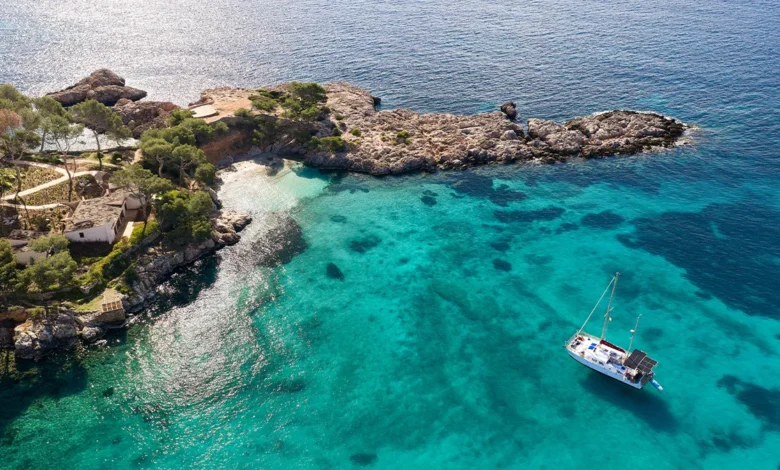
The Mandarin Oriental Punta Negra in Mallorca stands as a prime example of the modern luxury strategy. By leveraging a secluded cove location, the property provides the aesthetic and service expectations of a Mediterranean escape while mitigating the logistical overcrowding found in urban centers like Palma. This model of "isolated luxury" is becoming the gold standard for developers aiming to attract the demographic that is currently shunning the more chaotic, high-traffic corridors of the French and Italian coastlines.

Industry Implications and Official Perspectives
Representatives from the World Travel & Tourism Council (WTTC) have noted that the luxury sector is uniquely positioned to lead the way in sustainable tourism infrastructure. "The current generation of luxury travelers is highly informed," notes one industry analyst. "They are no longer just asking about the thread count of the linens; they are asking about the property’s water usage, the provenance of the food served, and the environmental impact of the development on the surrounding ecosystem."
This demand for transparency is forcing hotel groups to undergo rigorous sustainability audits. Properties that fail to demonstrate an active commitment to preserving their local environment are seeing a marked decline in repeat bookings from younger, affluent demographics who prioritize ESG (Environmental, Social, and Governance) criteria.

Broader Implications: The Future of Destination Management
The implication for the future of luxury travel is a move toward "dispersed tourism." Governments in regions experiencing high tourist density are beginning to implement stricter zoning laws and visitor caps, which in turn drives the luxury market to look toward emerging frontiers. We are witnessing a geographical expansion of the luxury map; regions that were once considered "emerging" are now being fast-tracked for high-end investment.
From the fjords of Scandinavia, which offer a temperate climate respite from the heat of the south, to the revitalized coastal reaches of the Adriatic, the 2026 luxury landscape is defined by the quest for resilience. The modern explorer is no longer content to simply visit; they want to feel that their presence is sustainable and that their accommodation serves as a sanctuary from a changing global climate.

Beyond the Horizon: What Travelers Should Look For
For those planning their travel for the remainder of 2026 and into 2027, the focus should remain on destinations that offer resilience and authenticity. The following considerations are paramount when selecting a destination:
- Micro-Climate Resilience: Choose regions with lower wildfire risks and temperate climates that avoid the extremes of the current European heat cycles.
- Infrastructure Maturity: Ensure the destination has the medical and logistical support systems necessary for high-end travel, even in remote locations.
- Community Integration: Seek out properties that have demonstrated long-term commitments to their local populations, as these are often the best-managed and most respected establishments in the region.
- The "Slow Travel" Ethos: Focus on properties that encourage long-term stays, which reduces carbon footprints and allows for a deeper, more meaningful engagement with the destination.
As the industry continues to evolve, the "hottest" destinations will be defined not by the number of social media tags they receive, but by their ability to offer a sophisticated, safe, and environmentally conscious experience. The days of indiscriminate destination hopping are fading, replaced by a more intentional, curated approach to global exploration. Whether it is a cliffside retreat in the Balearic Islands or a wilderness lodge in the northern latitudes, the new era of luxury is one defined by the marriage of opulence and environmental responsibility.

The challenge for the next decade will be maintaining this delicate balance as the global population continues to travel in greater numbers than ever before. For the luxury traveler, the priority remains clear: find the quiet, find the quality, and ensure that the experience honors the landscape it inhabits.
Related posts: