Beyond the Bucket List: How Osaka is Redefining Modern Travel Through Culture and Connection

The evolution of contemporary tourism is undergoing a noticeable shift away from conventional sightseeing toward deeper cultural immersion. Rather than prioritizing standard checklist items, modern travelers increasingly seek authentic engagement with local communities and regional subcultures. This trend is particularly evident in Japan, where secondary and tertiary destinations are gaining traction over globally recognized landmarks. A primary example of this shifting travel paradigm can be observed in Osaka, Japan’s third-largest city, which continues to attract millions of visitors despite offering fewer traditional UNESCO World Heritage Sites than neighboring Kyoto or the ultramodern skyscrapers of Tokyo.
The Appeal of Osaka: Substance Over Landmarks
Historically, international tourism to Japan has been dominated by the ancient shrines of Kyoto and the metropolitan sprawl of Tokyo. While Osaka features prominent attractions such as Osaka Castle, the Kaiyukan Aquarium, and Universal Studios Japan, its sustained popularity stems largely from its intangible cultural assets. Known historically as "tenka no daidokoro"—the nation’s kitchen—Osaka has built a reputation on culinary innovation, working-class resilience, and the famously straightforward, gregarious nature of its residents.
Tourism industry data indicates a growing global demand for experiential travel products that emphasize local interactions over monumental architecture. Specialized itineraries, such as those developed by Intrepid Urban Adventures, focus on neighborhood subcultures, vintage retail districts, gaming arcades, and historical trade routes rather than isolated tourist monoliths. This approach aligns with broader consumer research showing that contemporary travelers place a high premium on culinary exploration and historical context when choosing destinations.
A Chronological Journey Through Osaka’s Districts
To understand Osaka’s unique urban identity, it is necessary to examine its historical trajectory, which spans over a millennium of commercial and political development.
Ancient Capital and Trade Hub
Nearly 1,300 years ago, Osaka served briefly as Japan’s imperial capital under the name Naniwa-kyo. Strategically positioned at the confluence of multiple river systems flowing into Osaka Bay, the city evolved into a vital domestic and international trading port. During the feudal era, its geographical advantage made it a critical stronghold for regional warlords and merchants seeking economic dominance, eventually establishing its status as the commercial engine of western Japan.
The Rise and Transformation of Shinsekai
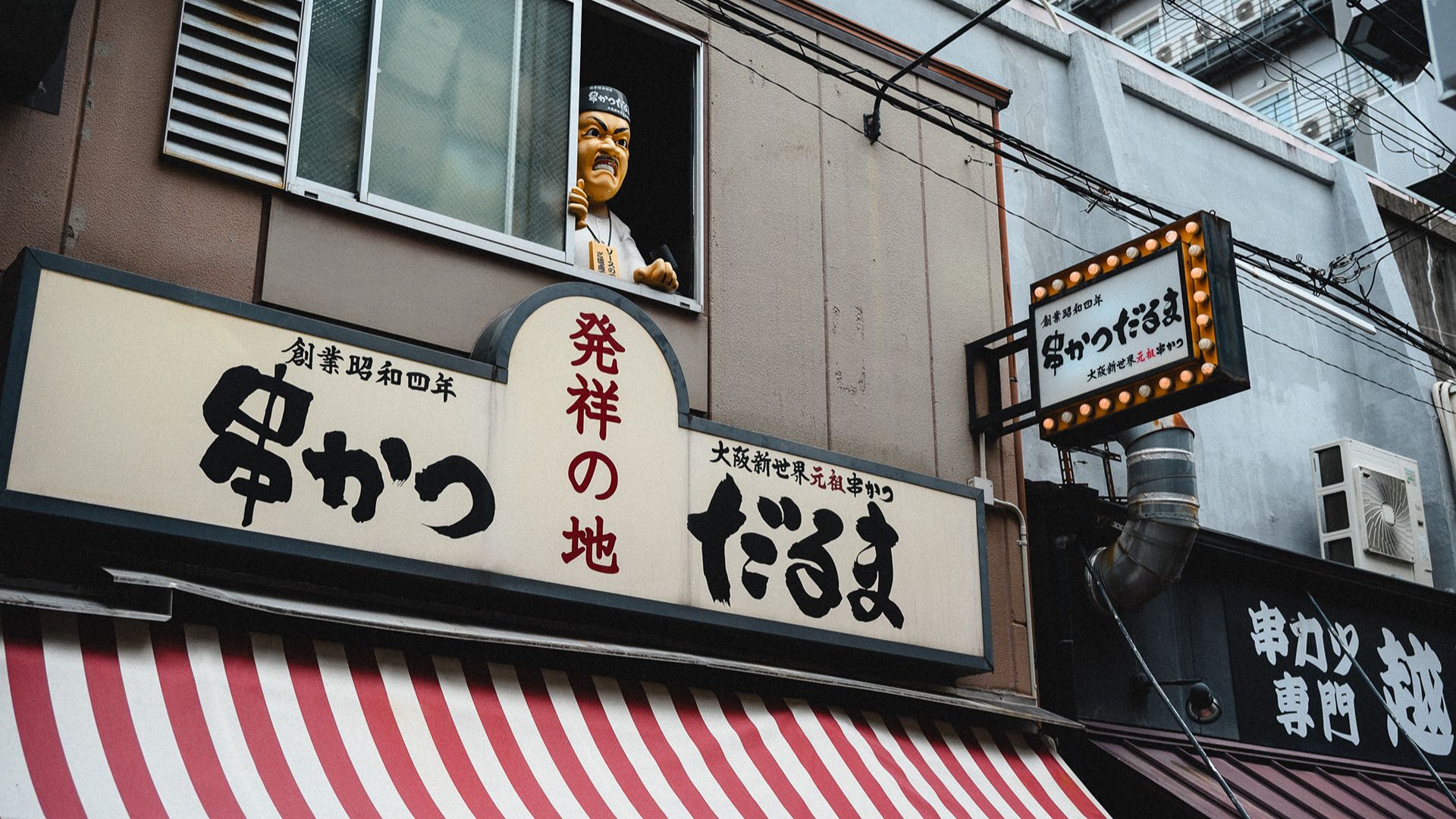
The modern exploration of Osaka often begins in the Minami entertainment district, specifically the neighborhood known as Shinsekai, meaning "The New World." Founded in 1912, Shinsekai was designed as a model neighborhood of the future, drawing architectural inspiration from early-20th-century New York City and Paris. The district featured the iconic Tsutenkaku Tower and an amusement park modeled after Coney Island.
In the decades following World War II, Shinsekai experienced economic decline, gradually devolving into a economically depressed area associated with organized crime and impoverished day laborers. However, urban revitalization initiatives in the late 20th and early 21st centuries have successfully rehabilitated the neighborhood. Today, Shinsekai retains its retro architectural aesthetic while operating as a vibrant commercial zone filled with neon signage, traditional izakaya standing bars, pachinko parlors, and vintage arcades that attract both domestic and international visitors.
Culinary Heritage: The Evolution of Osakan Soul Food
Food remains central to the Osaka travel experience. The city’s culinary identity was largely forged during the post-World War II era, when working-class laborers required inexpensive, high-calorie meals that could be consumed quickly. This period gave rise to three iconic dishes that define modern Osakan gastronomy:

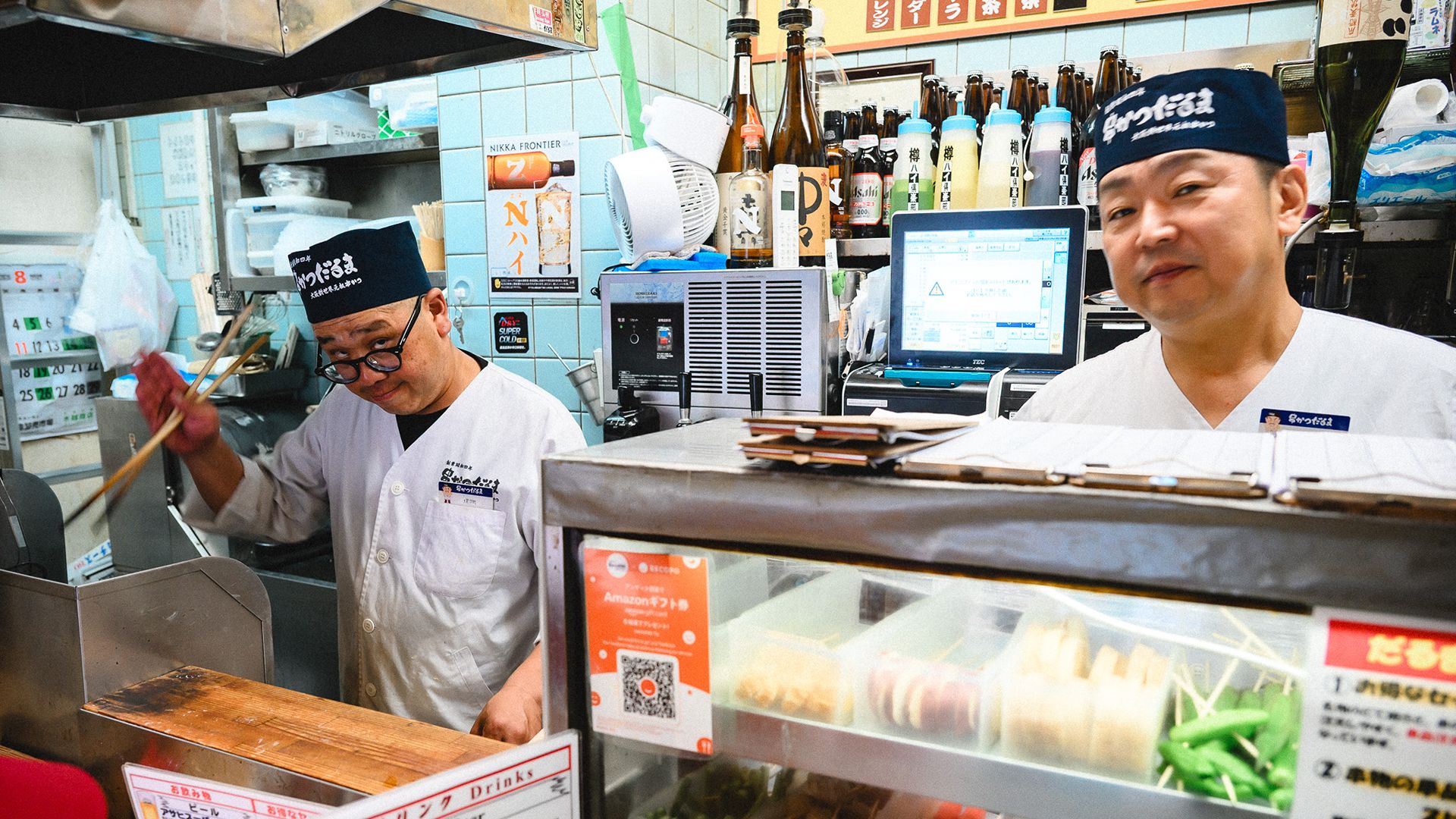
- Kushikatsu: Skewers of meat, seafood, and vegetables coated in a wheat flour and panko breadcrumb batter, then deep-fried. Originally utilizing cheap cuts of beef and potatoes, the dish now incorporates diverse ingredients such as quail eggs, cheese, and seasonal vegetables. Consumption is subject to strict unwritten rules, most notably the prohibition against double-dipping skewers into the communal basin of sweet tonkatsu sauce.
- Takoyaki: Ball-shaped pancakes made from a wheat flour-based batter and cooked in a special molded pan, typically filled with minced or diced octopus, tempura scraps, pickled ginger, and green onion.
- Okonomiyaki: A savory pan-broiled batter cake containing a variety of ingredients, often described colloquially as a Japanese savory pancake.
These items, originally consumed in modest street stalls and working-class neighborhoods, are now integral to the city’s tourism economy, drawing millions of diners annually to districts such as Dotonbori and Shinsekai.
Subcultures and Commerce: From Den Den Town to Kuromon Market
Beyond its culinary offerings, Osaka’s urban fabric is defined by specialized commercial districts that reflect distinct eras of Japanese social history.
Den Den Town, located in Nipponbashi, serves as Osaka’s counterpart to Tokyo’s Akihabara district. Emerging from a collection of post-war electronics retailers and street vendors, the area has evolved into a primary commercial hub for otaku culture—enthusiasts dedicated to anime, manga, and retro video games.

In contrast, traditional covered shopping arcades, known as shotengai, preserve the atmosphere of the Showa Era (1926–1989), a period of rapid economic expansion following World War II. Neighborhoods surrounding these arcades continue to feature multi-generational family-run businesses, standing bars utilized by retired salarymen, and specialty vendors selling regional delicacies.
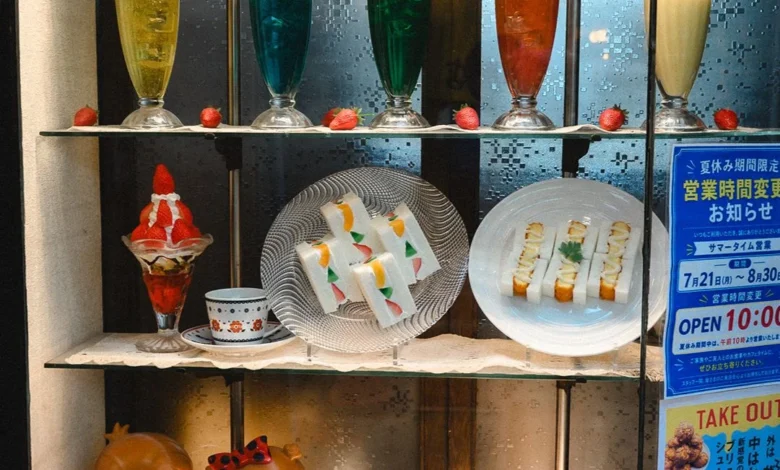
Kuromon Ichiba Market exemplifies this continuity. Operating for over a century, the market functions as both a wholesale provisioning center for local restaurants and a retail space where residents purchase fresh seafood, seasonal produce, and prepared street foods such as tsukemono (pickled vegetables) and obanyaki (stuffed pancake desserts). Frugality and resourcefulness remain defining characteristics of the local market culture, exemplified by historical practices such as the invention of regional delicacies designed to minimize food waste, including mixed fruit juices utilizing overripe inventory.
Economic and Cultural Implications
The shift toward experiential urban tourism in cities like Osaka has significant economic implications for municipal development and destination marketing. Traditional tourism models relied heavily on the promotion of fixed architectural landmarks to drive visitor volume. However, the dispersion of tourists into working-class residential areas and commercial sub-districts distributes economic benefits more broadly across local micro-economies.

Industry analysts note that neighborhood-level walking tours and culinary excursions encourage longer average visitor stays and higher spending within independent small businesses. This decentralized tourism model helps mitigate the overcrowding frequently observed at major heritage sites in Kyoto or Tokyo, offering a sustainable alternative for destination management organizations seeking to balance visitor growth with community preservation.
Furthermore, the emphasis on local interpersonal interactions—exemplified by the conversational banter of Osakan chefs and market vendors—contrasts with the more reserved service standards found in other metropolitan centers. This cultural distinction enhances visitor satisfaction by fostering a perceived sense of authenticity that aligns with contemporary consumer preferences for unscripted, genuine travel experiences.
Conclusion
Osaka’s enduring popularity demonstrates that a destination’s value lies not solely in its monumental architecture, but in its cultural vitality and community engagement. By prioritizing culinary heritage, historical continuity, and neighborhood-level exploration, the city offers a model for modern tourism that values personal connection over standard sightseeing checklists. As travel trends continue to evolve, the unpretentious character of Japan’s kitchen provides valuable insight into what contemporary travelers seek most: an authentic, unscripted engagement with a place and its people.