An Unforgettable 24 Hours in Paris: Expert Concierge Recommendations for a Whirlwind Luxury Experience

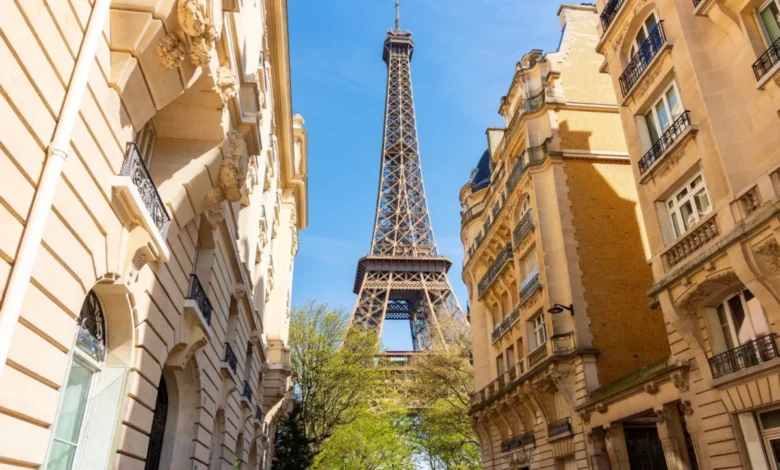
While a fleeting 24 hours in Paris may seem insufficient to truly grasp the magic of the City of Love, a meticulously planned itinerary can transform a brief visit into an unforgettable experience. This guide, curated by leading luxury travel concierges, offers an exclusive roadmap for maximizing a single day in the French capital, focusing on exclusivity, bespoke experiences, and an immersion into the Parisian way of life, even under time constraints.
The art of experiencing Paris in a day, according to the experts, lies not in ticking off every iconic landmark, but in curating moments of profound connection and tranquility amidst the city’s vibrant tapestry. Christina Seredzinsky, founder of the sensory-led luxury travel concierge Séntire, emphasizes this philosophy: "In a city as saturated with ‘must-sees’ as Paris, exclusivity and calm are the key currency. The role of a good concierge is less a scheduler and more a curator – someone who understands what it is the client wants to experience and how to match that feeling, rather than fitting everything impressive into a constrained amount of time." This approach ensures that even a swift sojourn, whether a spontaneous Eurostar trip from London, a strategic transatlantic layover, or a focused exploration, delivers the quintessential Parisian essence.
Elite Accommodations: The Foundation of a Parisian Sojourn
For a single night, the choice of accommodation is paramount, setting the tone for the entire experience. Luxury travel advisors consistently highlight properties that offer unparalleled privacy, exceptional service, and prime locations.
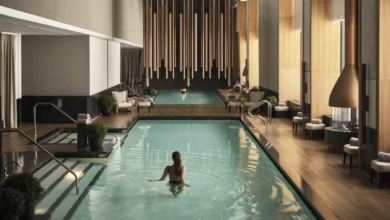
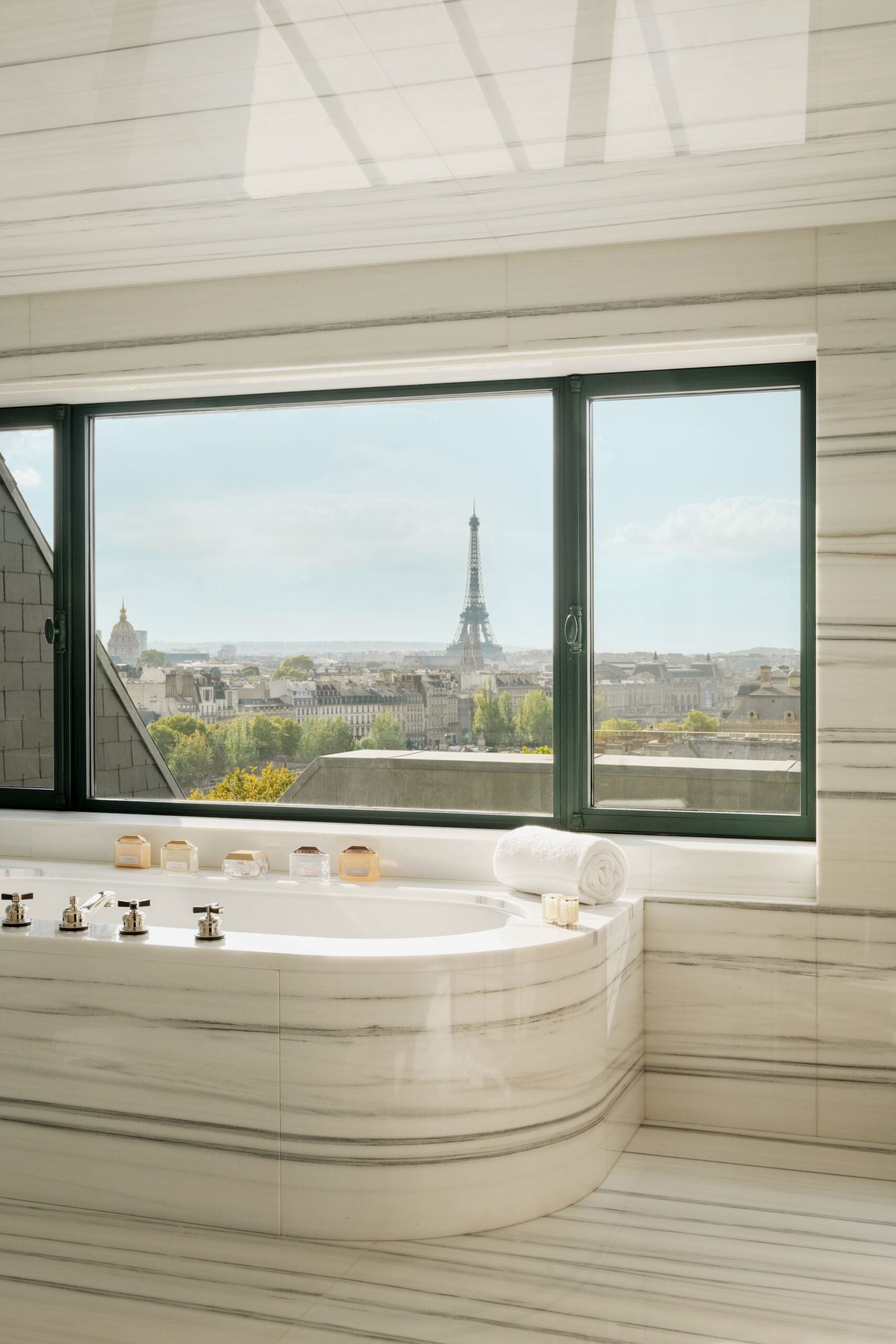
Cheval Blanc Paris, situated within the historic Samaritaine department store, emerges as a top recommendation for those prioritizing discretion and luxury. Its strategic location places guests within walking distance of cultural landmarks like the Louvre and the charming Marais district. Jules Maury, Head of Scott Dunn Private, and Séntire’s Seredzinsky both laud the hotel’s breathtaking views of the Seine and the iconic Pont-Neuf. Beyond its prime real estate, Cheval Blanc boasts Europe’s longest infinity pool and an array of superior amenities, including bespoke Dior makeup bags and signature Cheval Blanc Candles. Recognizing the needs of traveling families, the hotel also offers complimentary childcare services, allowing for moments of romantic downtime.
For those seeking a more intimate and exclusive atmosphere, the newly opened L’Aventure Hotel in the 16th Arrondissement presents a compelling option. Alycia Papadopoulos, a travel advisor at Le Chéile, recommends its Grand Suite. This Art Deco townhouse, designed by the renowned Vincent Darré, offers a boutique experience with only 15 rooms and suites. Its location in the heart of the Arc de Triomphe district is complemented by a sophisticated private in-house club that hosts international DJs and performers. Access to L’Aventure Hotel is managed discreetly, functioning more like a private members’ club, thereby ensuring an elevated level of privacy for its discerning clientele.
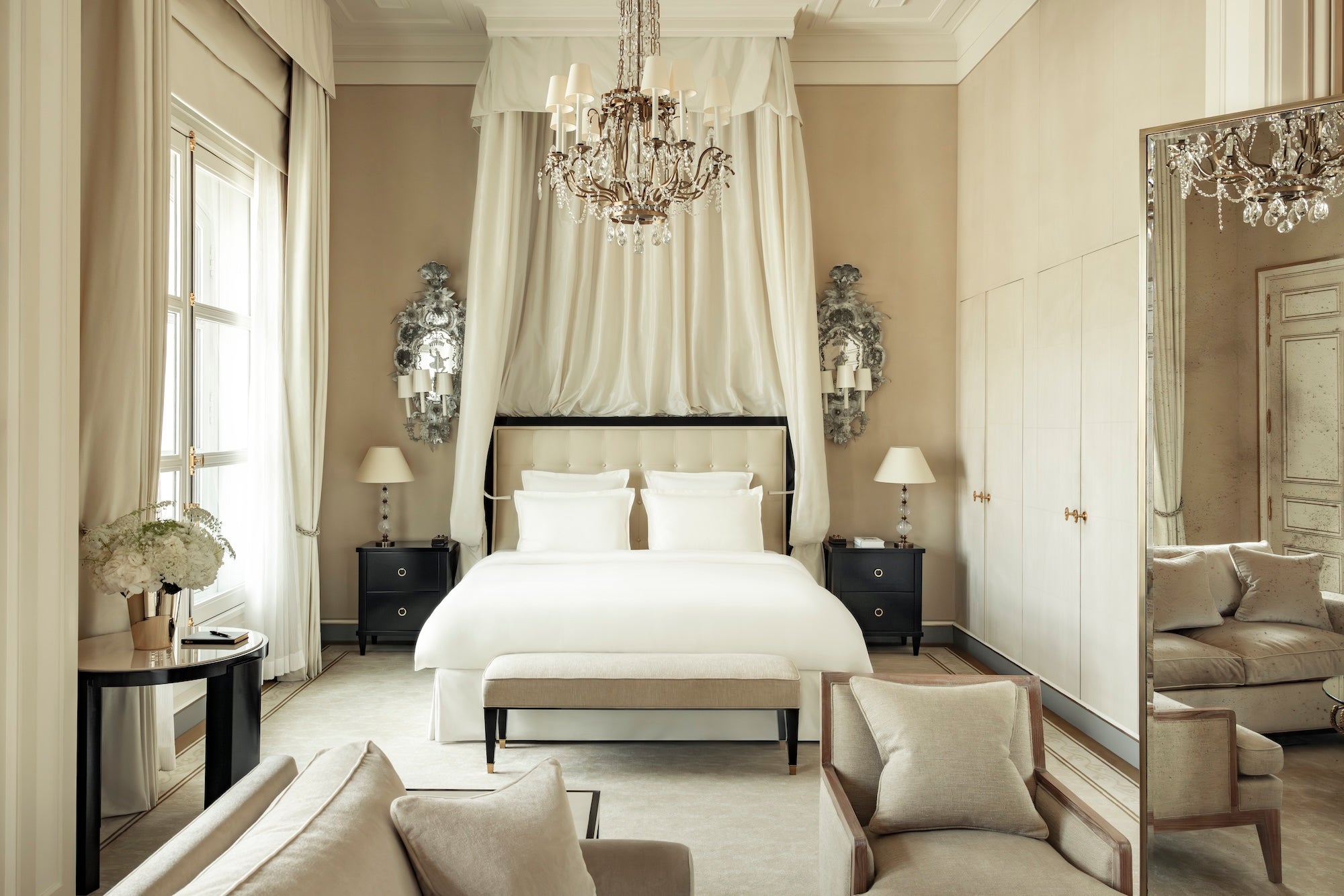
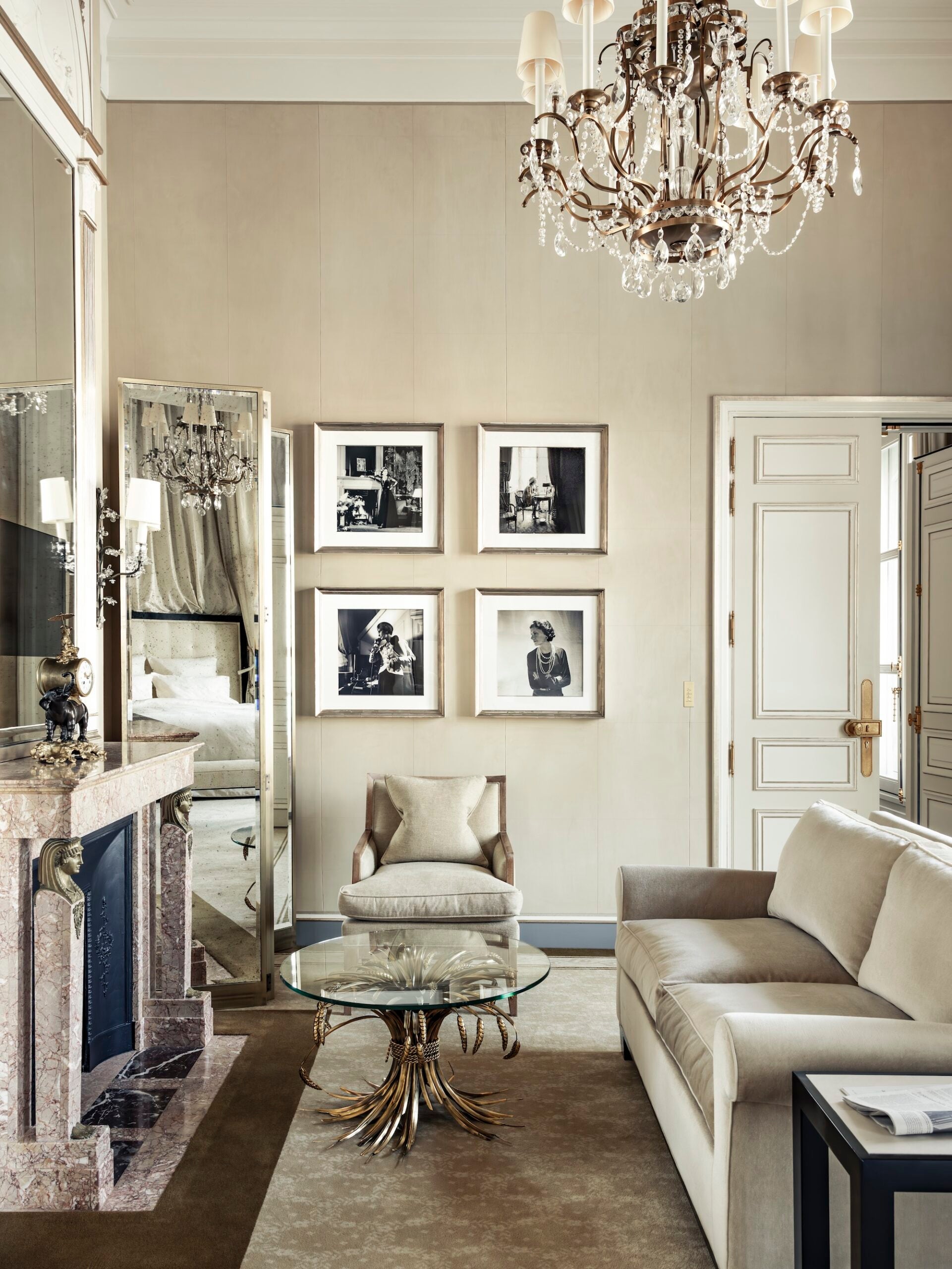
A nod to Parisian heritage is embodied by the Coco Chanel Suite at the Ritz Paris. This opulent accommodation not only serves as a beautiful tribute to the hotel’s storied past but also grants guests access to exclusive cultural programming. These experiences can include private workshops with world-renowned pastry chefs, intimate tastings with the hotel’s director of sommellerie, and private tours of the highly guarded subterranean wine cellar, typically inaccessible to the public.
Immersive Cultural Experiences: Beyond the Tourist Trail
Maximizing a day in Paris necessitates a curated approach to cultural engagement, moving beyond the standard queues to embrace more exclusive and intimate encounters.
For the fashion-forward traveler, an exceptional start to the day involves a private couture viewing within the suite. This bespoke service, recommended by Papadopoulos, involves a personal stylist from a flagship fashion house on Avenue Montaigne curating a selection of current-season couture, delivered directly to the dressing room before boutique opening hours. This ensures guests are impeccably attired for their Parisian explorations.
For aficionados of the arts, Tom Marchant, co-founder of Black Tomato, suggests delving into the city’s smaller galleries, a passion cultivated by his great-grandfather’s profession as an art dealer in Paris. He notes a particular fondness for the Musée Rodin, appreciating its serene ambiance and significant collection. Papadopoulos further enhances the artistic experience by suggesting a private, curator-led tour of the Pinault Collection at the Bourse de Commerce, offering an opportunity to view world-class contemporary masterpieces in near solitude.
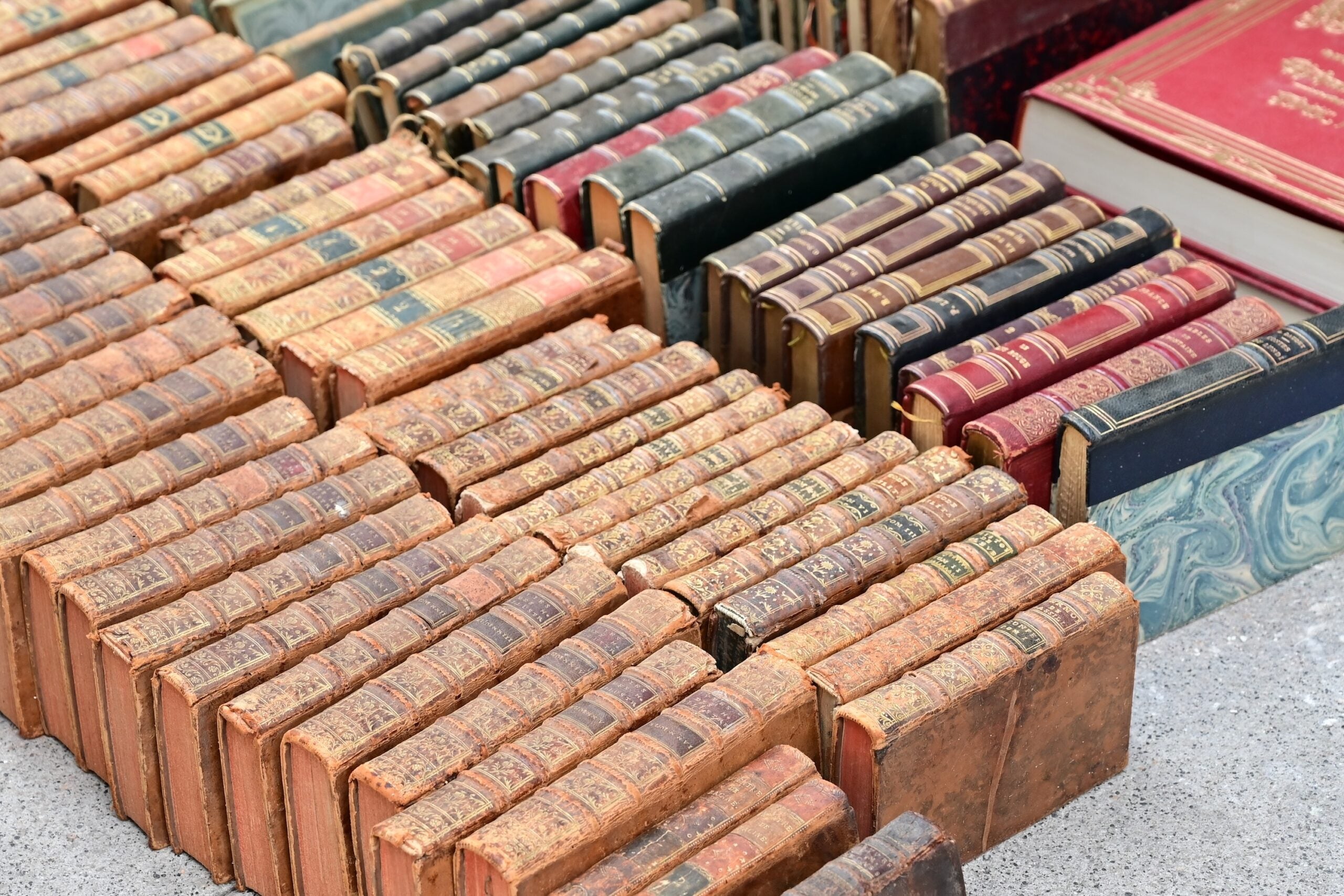
For a truly unique encounter, a private reading room session at the oldest public library in France is an extraordinary option. This exclusive experience allows guests to view exceptionally rare, centuries-old leather-bound books under the gentle illumination of the library’s historic reading lamps, providing a tranquil escape from the city’s bustle.
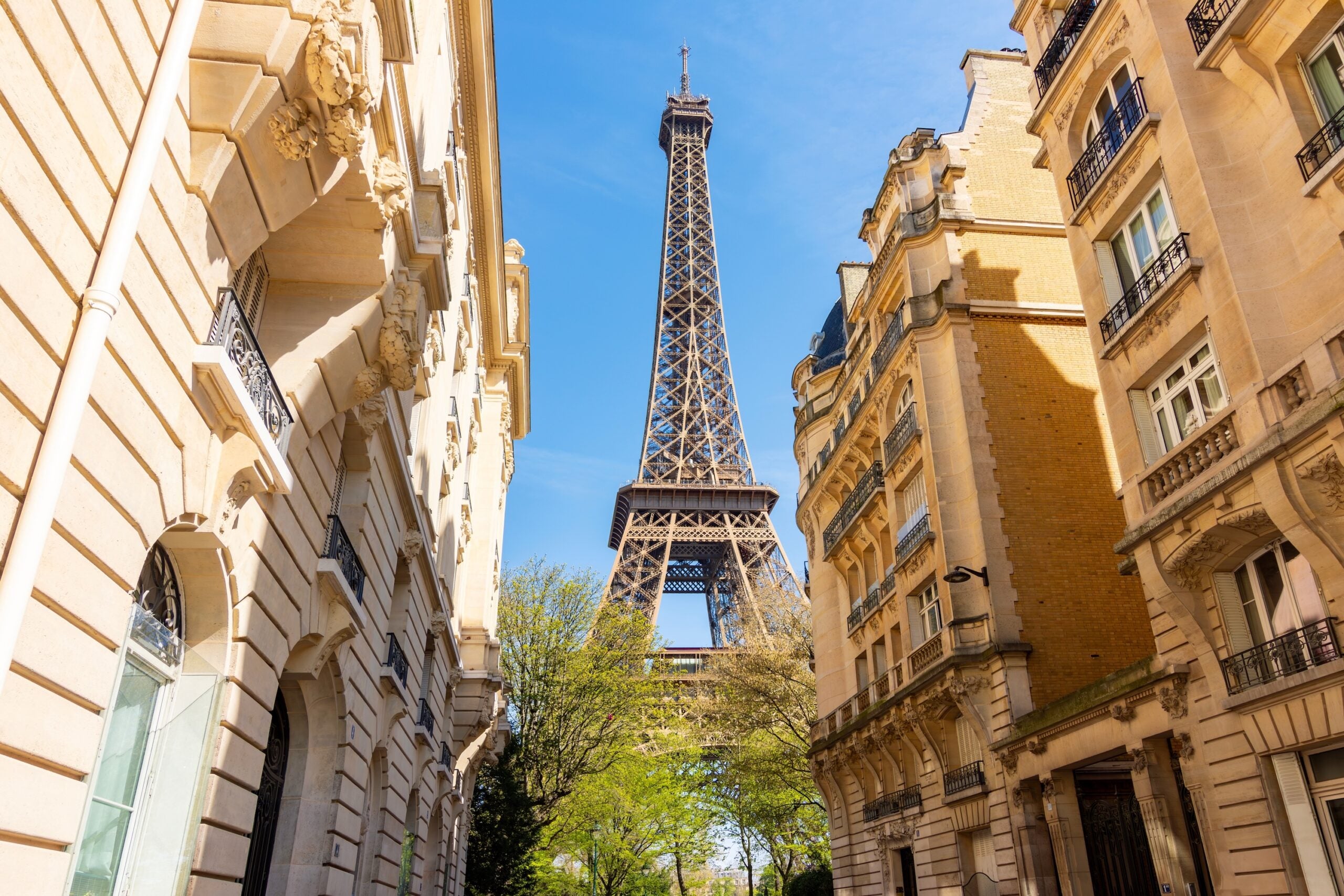
For those who wish to engage with the classic Parisian icons, such as the Eiffel Tower, Notre Dame, and the Musée d’Orsay, Tom Barber, co-founder of Original Travel, recommends leveraging top travel agents to arrange out-of-hours access. This can include exclusive rooftop tours, explorations of hidden basements, and access to rooms typically off-limits to the general public. Similarly, Maury highlights the concierge’s ability to facilitate itineraries that include after-hours tours of the King and Queen’s State Apartments at Versailles, private library access, and explorations of secret passages, guided by historians or art experts. The possibility of privatizing the Louvre after hours or arranging a private backstage and VIP tour of the Palais Garnier, including costume workshops and meetings with former ballet dancers, further underscores the potential for deeply exclusive cultural immersion.
Gastronomic Delights: A Culinary Journey Through Paris
Parisian cuisine is a cornerstone of its allure, and even a brief visit offers myriad opportunities for exceptional dining.
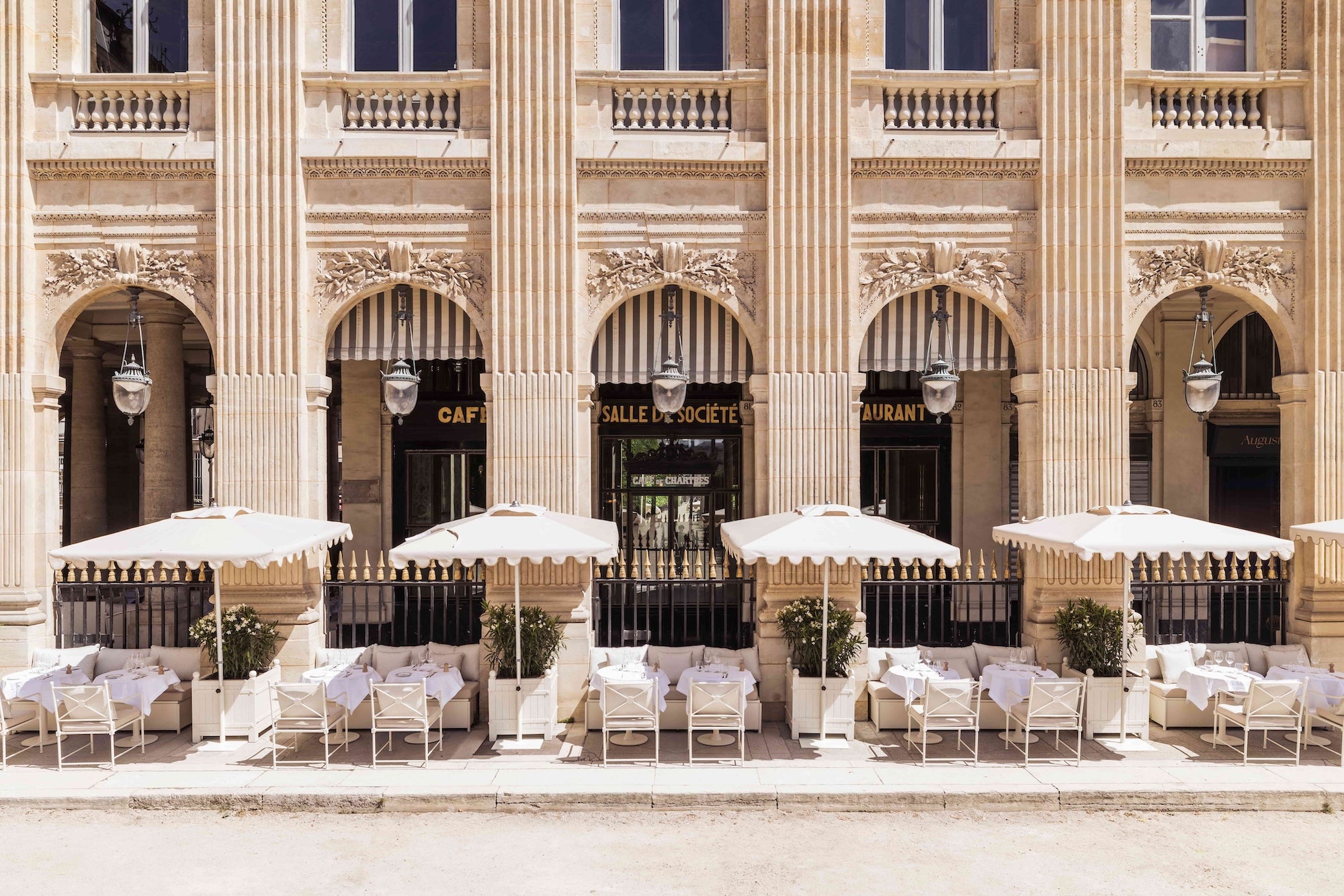
For lunch, discerning palates may opt for fine dining or embrace the relaxed charm of a Parisian brasserie. Papadopoulos endorses Monsieur Dior by Yannick Alleno, a Michelin-starred establishment, recommending the private dining salon for an intimate experience. Seredzinsky suggests Langosteria, the Parisian outpost of the Milanese seafood institution, located on the seventh floor of Cheval Blanc. Its rooftop terrace offers sweeping views of Notre-Dame and the Eiffel Tower, complemented by exquisite Italian cuisine. For a more classically Parisian setting, the courtyard at Hôtel Costes provides a discreet and elegant backdrop for people-watching over traditional French fare. Marchant’s personal favorite for an unhurried, traditional French lunch is Le Fontaine du Mars, renowned for its chequered tablecloths, exceptional coq au vin, and an ideal accompaniment of chilled French red wine.
Afternoon Pursuits: From Vineyards to Vintage Treasures
The afternoon in Paris offers a spectrum of experiences, from bucolic escapes to the thrill of discovery. Papadopoulos suggests an elevated adventure: a luxury car transfer to a helipad for a brief, scenic flight over the French countryside, culminating in a private tasting at a family vineyard.
For those seeking a more grounded yet equally captivating experience, Marchant recommends immersing oneself in the city’s famed flea markets. The Marché aux Puces, the world’s largest antiques and second-hand market, can be an overwhelming yet rewarding experience. Marchant advises embracing the serendipity of getting lost, allowing oneself to treasure hunt without a rigid plan. The market unfolds as a collection of micro-villages, each with its unique offerings, from vintage stalls and exquisite jewelry to high-end 20th-century finds at Marché Serpette. The more casual Marché aux Puces de Vanves offers a delightful array of vintage décor and secondhand books. The key, as Marchant stresses, is to take one’s time and enjoy the exploration.
Evening Elegance: Culinary Peaks and Romantic Ambiance
As evening descends, Paris offers a sophisticated array of dining options to conclude a whirlwind day.
For those securing the most coveted reservations, the intimate, two-Michelin-star omakase restaurant Hakuba, led by Chef Takuya Watanabe within Cheval Blanc, is highlighted by Papadopoulos as one of the city’s most sought-after experiences. Equally prestigious is Plénitude, Arnaud Donckele’s three-star masterpiece at Cheval Blanc, described by Papadopoulos as representing the pinnacle of modern French luxury and one of Europe’s most challenging reservations to secure. Maury also commends the one-Michelin-star Septime and Nhome for their exceptional fine dining.
For a taste of cutting-edge culinary trends, Seredzinsky points to Sushi Park Paris, the Parisian branch of Chef Peter Park’s renowned Los Angeles restaurant, situated beneath the Saint Laurent Rive Droite boutique. This establishment is noted as a current reservation favorite among the fashion elite.
Classic French dining experiences are expertly curated by Papadopoulos at Le Gabriel, the three-Michelin-star restaurant by Chef Jérôme Banctel, and at Epicure at Le Bristol, which has maintained its three-star status since 2009 and recently reopened under Executive Chef Arnaud Faye. For a quintessential brasserie experience, Maury suggests Benoit or Chez Monsieur.
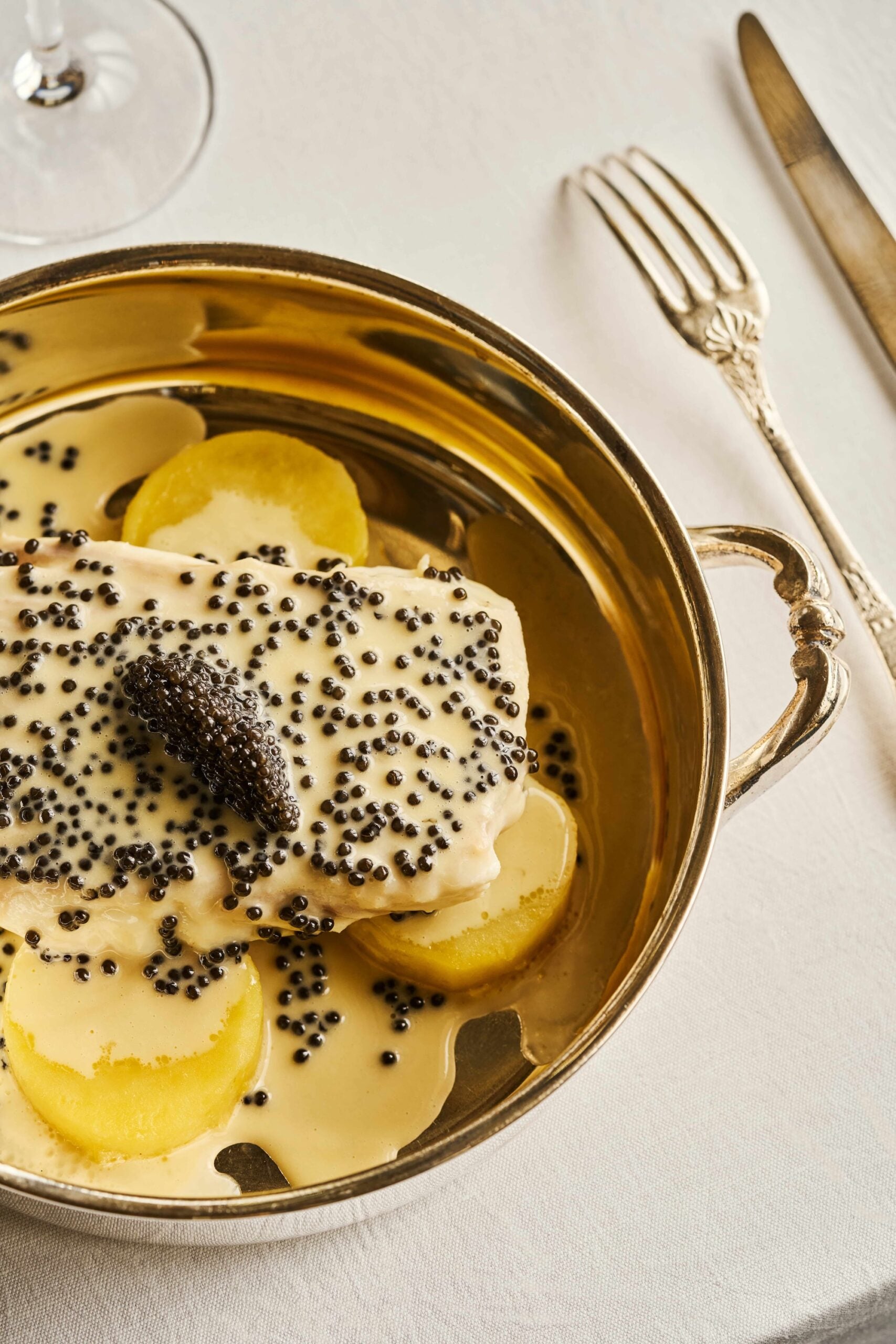
For a truly iconic Parisian dining rendezvous, Barber recommends Le Grand Véfour, an establishment that unequivocally showcases why the city boasts one of the world’s finest food scenes. Their signature scallops with seared celeriac are a notable recommendation. For an unparalleled, exclusive experience, Scott Dunn Private can arrange a private dinner at Versailles in the Hall of Mirrors, complete with the option for period costumes and a personal photographer, offering a truly unique immersion into royal history.
Nighttime Enchantment: Cocktails, Cellars, and Artistic Revelry
The Parisian evening extends beyond dinner, offering refined options for sophisticated enjoyment. Marchant suggests cocktails at either Le Bar des Ambassadeurs at Hôtel de Crillon or the legendary Hemingway Bar. He notes that both establishments embody the grandeur and creative spirit of 1920s Paris, offering a palpable sense of history that resonates with patrons.
For an unforgettable nocturnal adventure, Papadopoulos proposes a private, midnight descent into a highly secured, historic wine cellar. Here, guests can savor rare vintages alongside a master sommelier, immersed in an atmosphere of liquid history illuminated by candlelight.
For art and history enthusiasts, private after-hours viewings at the Louvre or Versailles offer a unique perspective. An exclusive midnight tour of the Maison Belle Epoque presents an opportunity to admire Europe’s largest private collection of French Art Nouveau, or to descend into the Eden Cellar to behold the oldest vintage champagne bottle in existence. These curated experiences underscore the concierge’s ability to unlock Paris’s hidden treasures, transforming a brief 24-hour visit into a profound and luxurious encounter with the city’s enduring charm and cultural richness.