Amsterdam: A Practical Guide to Navigating the Dutch Capital with Infants and Toddlers

While Amsterdam is globally renowned for its historic canal belt, vibrant nightlife, and liberal reputation, the city has quietly evolved into one of Europe’s most accommodating destinations for families with young children. Recent tourism data from the Amsterdam Board of Tourism indicates a steady rise in "multi-generational" and "young family" travel segments, driven by the city’s extensive pedestrian infrastructure and a cultural emphasis on child-friendly public spaces. Despite its reputation as a "Sin City," the Dutch capital offers a robust framework of logistical support, cultural engagement, and safety features that make it an increasingly popular choice for parents traveling with infants and toddlers.

Logistical Infrastructure and Navigating the City
The architectural landscape of Amsterdam, characterized by narrow, centuries-old canal houses and steep staircases, presents unique logistical challenges for families. However, the municipal government’s long-term commitment to reducing automobile traffic in the city center has created an environment that is significantly safer for families than many other major European capitals.

The primary mode of transport in Amsterdam remains the bicycle, which dictates the pace and flow of the city. For visitors, the "bakfiets"—a cargo bike featuring a wooden box at the front—serves as the quintessential symbol of Dutch family life. While these are common among residents, travel experts recommend that tourists opt for standard bicycles equipped with safety-certified child seats, as operating a cargo bike requires significant technical proficiency.
For those navigating with strollers, the city is largely accessible, though the prevalence of cobblestone streets in the historic center necessitates the use of a high-quality, lightweight stroller with durable wheels. Public transit, operated by GVB, is highly efficient. Most metro stations and the newer tram fleets are equipped with low-floor boarding and hydraulic lifts. It is a critical note for travelers that older residential buildings often lack elevators, and in some cases, the only way to access upper floors is via steep, narrow staircases. Consequently, professional advice for families is to travel with a lightweight stroller and a high-quality baby carrier to bridge the gap between street level and accommodation access.

Strategic Airport Transfers and Arrival Protocols
The transition from Schiphol Airport to the city center is a critical stage in the travel timeline. The NS (Nederlandse Spoorwegen) train network provides a direct link from the airport to Amsterdam Centraal in approximately 15 to 20 minutes. Trains are spacious, with dedicated areas for strollers and luggage, making them the most cost-effective and efficient method of transit.

Conversely, for families arriving after long-haul flights, the unpredictability of public transit can be daunting. Private transfer services, such as those allowing pre-booked, age-appropriate car seats, have seen a rise in demand. While taxis are readily available at the airport, they are not mandated by law to carry child seats, and availability is often limited. Consequently, booking a pre-arranged private vehicle is widely considered the safest and most reliable option for families seeking to mitigate the fatigue associated with international travel.
Cultural Engagement: A Curriculum for the Youngest Travelers

Amsterdam’s museum district and cultural institutions have pivoted toward family engagement to ensure longevity and relevance. The city’s cultural policy requires that major institutions provide interactive experiences for children.
The Van Gogh Museum and the Anne Frank House remain the most visited sites in the city. While these are historical institutions, they have implemented timed-entry ticketing and child-friendly educational materials that allow parents to navigate these spaces without disrupting the experience for others. For families seeking more tactile environments, the NEMO Science Museum offers extensive hands-on exhibits that are designed for sensory development. Similarly, the National Maritime Museum (Het Scheepvaartmuseum) provides a deep dive into Dutch nautical history with exhibits tailored to young children.

These institutions operate under a collaborative framework, often featured in the "I amsterdam City Card" scheme. This card acts as a comprehensive pass, covering public transit and entrance fees to a vast majority of these institutions, thereby reducing the friction of purchasing individual tickets at each location. The economic implication of this card is significant; for a family planning to visit three or more major attractions, the pass provides a measurable reduction in total travel expenditure.
Parks and Outdoor Recreation as Urban Relief

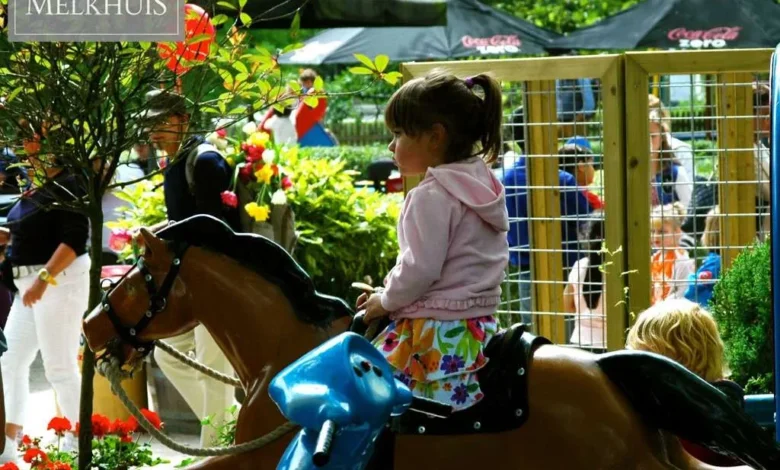
The Vondelpark, situated in the heart of the city, acts as the primary green lung of Amsterdam. It is not merely a park but an essential piece of urban infrastructure. Occupying over 120 acres, it features multiple playgrounds, wading pools, and cafes specifically designed to cater to families. The integration of "Groot Melkhuis," a waterside facility with a dedicated children’s area, demonstrates the city’s approach to blending adult leisure with childcare necessities.
Furthermore, the ARTIS Royal Zoo, established in 1838, represents a sophisticated approach to environmental education. As one of the oldest zoos in Europe, it has undergone modernization to focus on conservation. It serves as a sanctuary within the urban density, offering a planetarium, an aquarium, and expansive gardens that provide a necessary respite from the dense, high-traffic corridors of the city’s center.

Culinary Accessibility and Consumer Supply
Finding child-appropriate dining is rarely a challenge in the Netherlands. The local culinary culture is surprisingly well-adapted to families, with establishments like "The Pancake Bakery" serving as cultural staples that are inherently designed to appeal to younger palates. Dutch cuisine, characterized by a mix of home-style cooking and international influences, allows for flexible dietary options.
Regarding the supply of essentials, the Dutch supermarket chain "Albert Heijn" dominates the urban landscape. These stores serve as the primary resource for families needing to replenish diapers, formula, and age-specific nutrition. The ubiquity of these stores eliminates the need for parents to over-pack, as the supply chain for infant care products is highly robust. Beauty shops such as "Etos" and "Kruidvat" provide additional accessibility for specific healthcare and hygiene supplies, ensuring that any needs arising during a trip can be met with minimal disruption to the planned itinerary.
Geographic Considerations for Accommodation

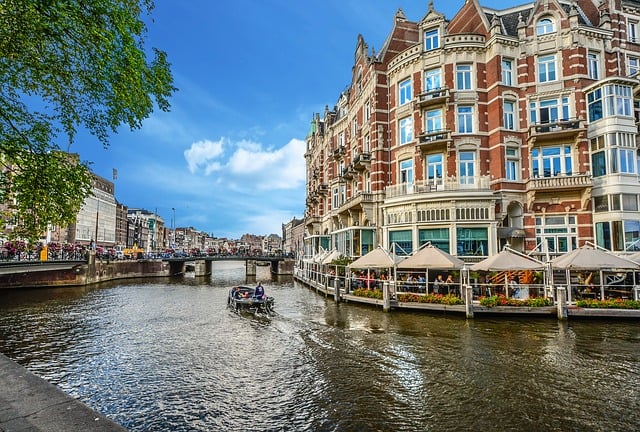
When selecting a neighborhood for a base of operations, the Leidseplein area is often cited for its proximity to public transport hubs, parks, and dining options. However, for those seeking a quieter environment, the Jordaan district offers a more residential, village-like atmosphere while remaining within walking distance of the main canal belt.
The industry standard for family accommodation in Amsterdam has shifted toward "aparthotels" and serviced apartments, which offer kitchen facilities. This is a vital feature for families with infants who require specific feeding schedules. High-end hotels, such as the Ambassade Hotel, have responded to this demand by offering professional childcare services, signaling a broader industry shift toward recognizing the specific needs of the "traveling parent" demographic.

Analysis of Impact and Future Trends
The integration of family-friendly amenities into the infrastructure of a historic, densely populated city like Amsterdam serves as a model for other European destinations. By prioritizing the needs of parents and children through efficient public transport, accessible cultural venues, and a culture that is welcoming to young families, Amsterdam has successfully mitigated the potential negatives of urban tourism.

As global travel trends continue to prioritize authentic, experience-based trips, the "baby-travel" sector is expected to grow. Amsterdam’s ability to maintain its identity as a historic center while simultaneously catering to the logistical requirements of modern, young families ensures its continued status as a top-tier destination. The city demonstrates that through intentional urban planning and a focus on public accessibility, even the most historic centers can remain relevant and accessible to the next generation of travelers.
Related posts: