The European tourism sector has officially turned the page on its post-pandemic recovery era, recording a staggering 793 million international visitor arrivals over the course of 2025. According to comprehensive data aggregated from Euromonitor International, the Top 100 City Destinations Index, and regional tourism boards, travel demand across the continent has not only rebounded to pre-2020 levels but has surpassed historical benchmarks. This resurgence has triggered both economic revitalization for major metropolitan hubs and renewed policy debates surrounding urban carrying capacities and sustainable tourism management.
Chronology of the Post-Pandemic Tourism Surge
The trajectory of European tourism over the past half-decade has been defined by unprecedented volatility followed by a meteoric ascent.
Following the global travel restrictions of 2020 and 2021, the years 2022 and 2023 were characterized by pent-up consumer demand, colloquially termed revenge travel. Despite inflationary pressures and geopolitical headwinds, 2024 marked the formal closure of the pandemic travel slump, fueled by robust international flight capacities and the return of long-haul travelers from North America and the Asia-Pacific region.
By 2025, these trends culminated in a record-breaking influx of 793 million international arrivals. Major European destinations transformed from recovering markets into fiercely contested hotspots, prompting municipal authorities to implement aggressive measures ranging from tourist taxes to daily visitor caps.
The Top Destinations Leading European Arrivals
Urban centers continue to anchor the continent’s tourism economy, with traditional powerhouses and emerging regional capitals capturing the lion’s share of travelers.
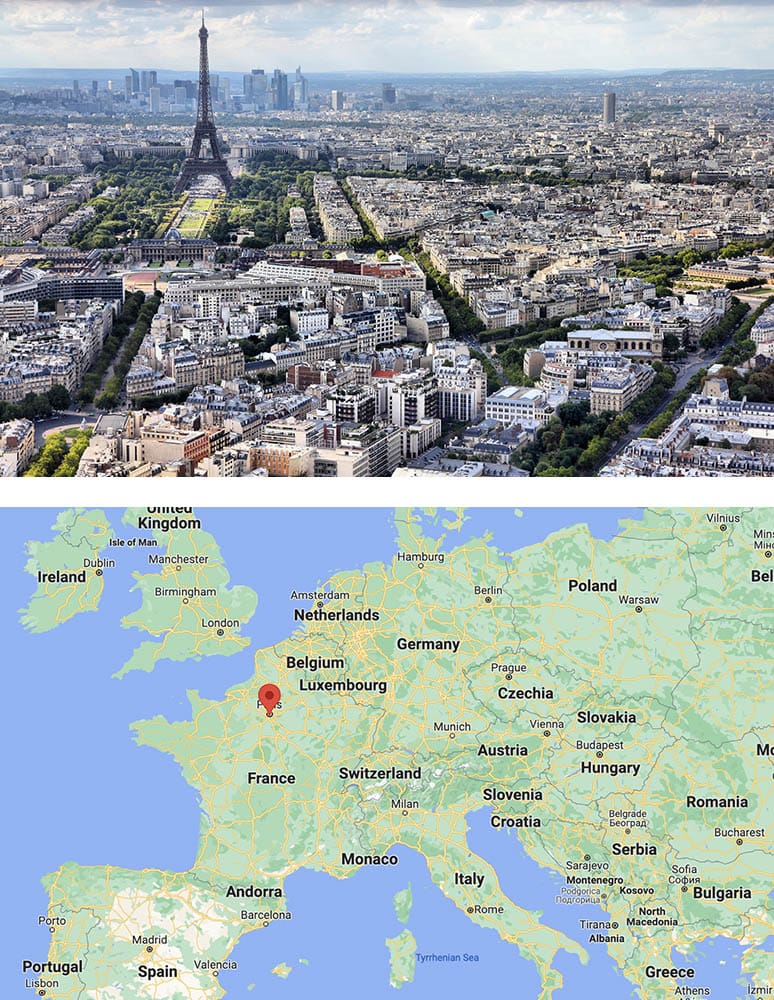
1. Paris, France – 50 Million Annual Visitors
After trailing behind London for several years, Paris reclaimed its crown as Europe’s most visited city in 2025, buoyed in part by the lasting infrastructural and global promotional impacts of the 2024 Summer Olympic Games. France as a whole maintains its status as the world’s most visited country. Paris anchors this dominance through an unmatched density of cultural landmarks, museums, and a deeply integrated Metro transit system. Local tourism officials report that the city’s extensive inventory of hotels, hostels, and short-term vacation rentals successfully absorbed the record visitor volumes, though localized crowding remains a persistent municipal challenge.

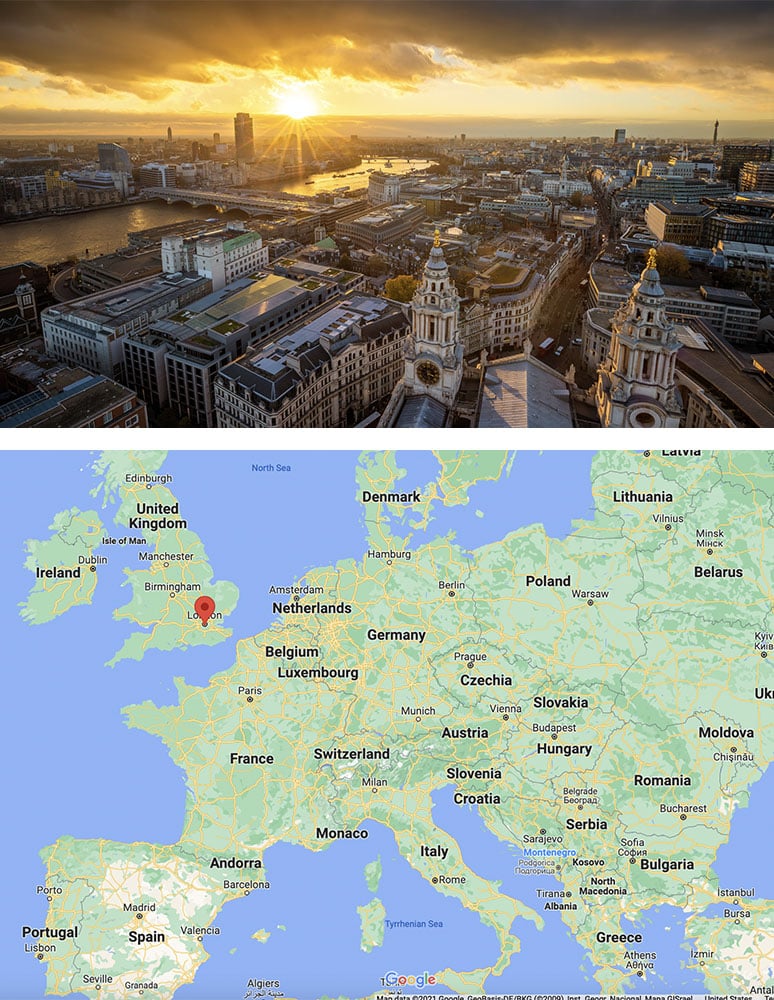
2. London, United Kingdom – 40 Million Annual Visitors
London remains a titan of international travel, serving as the primary gateway for transatlantic visitors due to its expansive multi-airport aviation network. Registering 40 million annual visitors, the British capital appeals heavily to first-time international travelers navigating foreign cultures due to the absence of a language barrier. The city’s world-class museums, West End theater district, and diverse culinary ecosystem continue to draw multi-week stays.
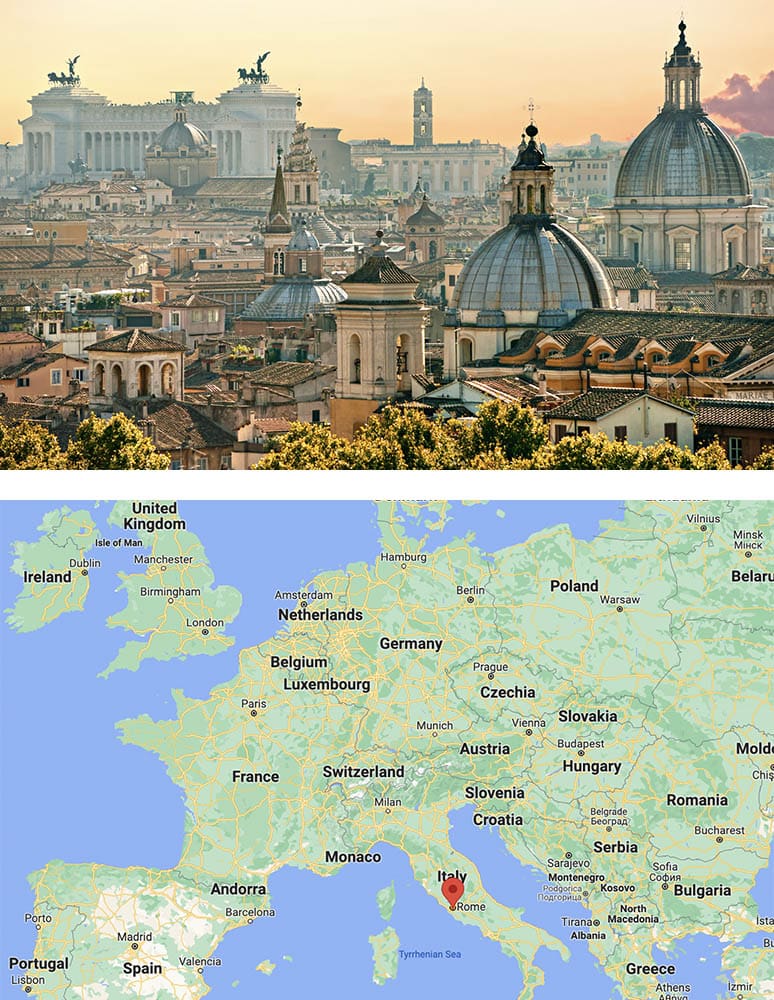
3. Rome, Italy – 35 Million Annual Visitors
Widely regarded as one of the world’s most historically and architecturally significant metropolitan areas, Rome attracted 35 million visitors in 2025. The Eternal City functions as the cultural heart of Italy, offering seamless high-speed rail connections to Florence, Venice, and the broader Italian peninsula.
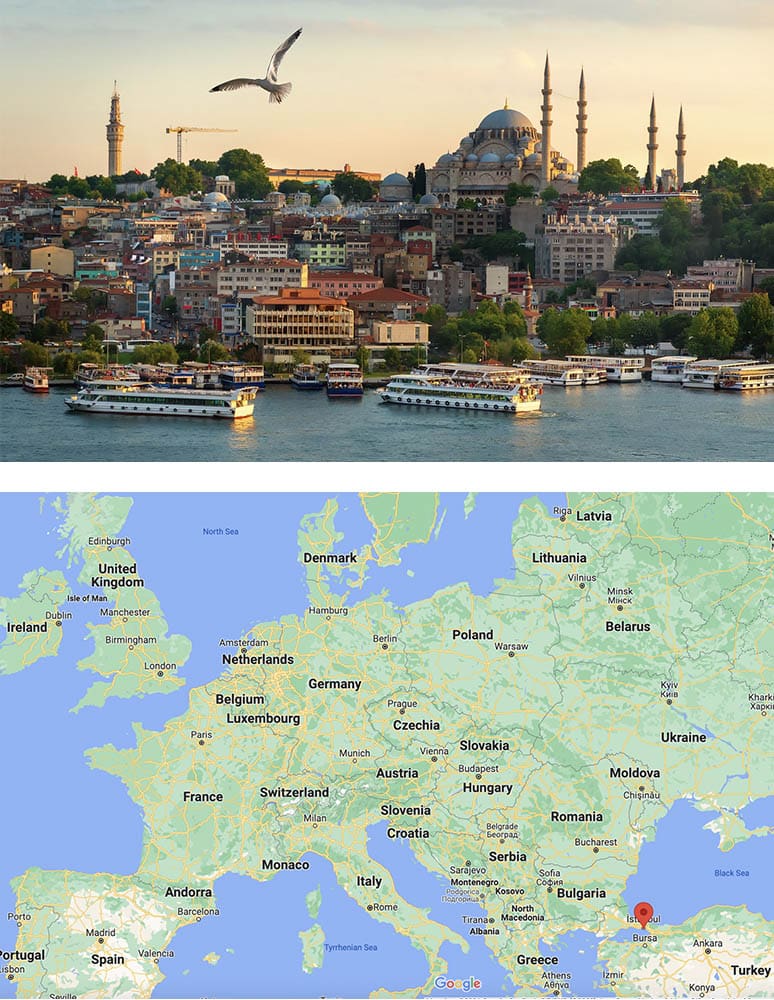
4. Istanbul, Turkey – 20 Million Annual Visitors
Istanbul has staged a remarkable recovery following years of regional political instability and security concerns. Capturing 20 million annual arrivals, the transcontinental metropolis bridges Eastern and Western cultural traditions, drawing surging numbers of European travelers seeking its rich historical tapestry and unique geopolitical positioning.
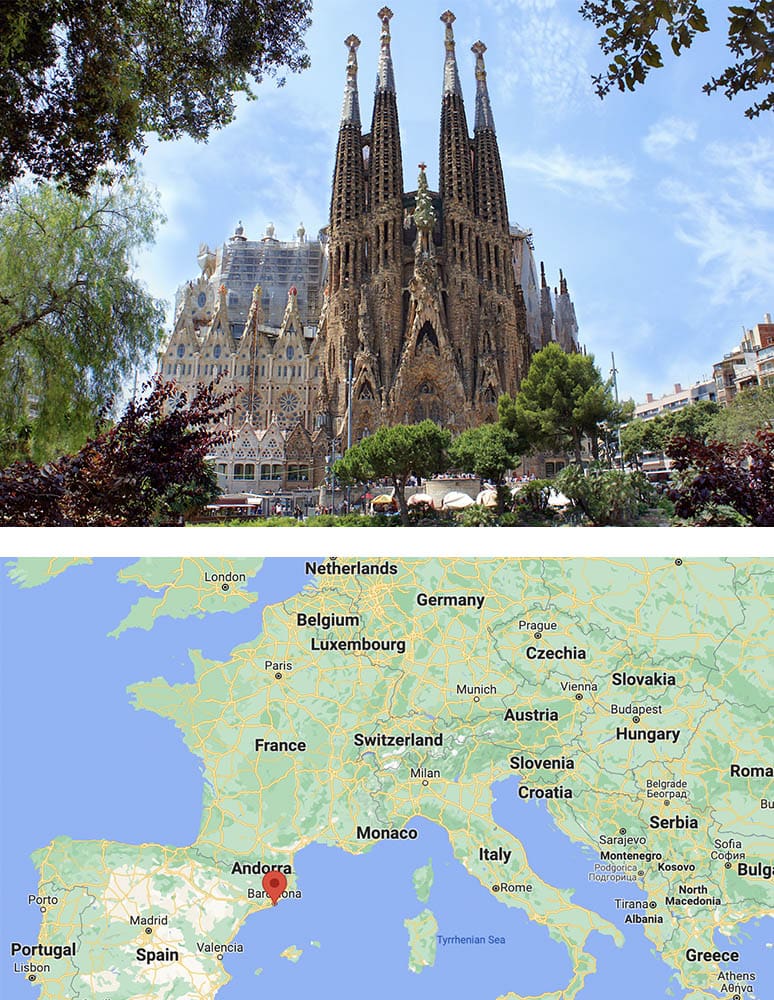
5. Barcelona, Spain – 16 Million Annual Visitors
Barcelona continues to draw 16 million visitors annually, capitalizing on its unique blend of modernist architecture by Antoni Gaudí, Mediterranean climate, and a thriving coastal economy. However, Barcelona has simultaneously become a focal point for European discussions on over-tourism, leading to strict regulatory crackdowns on short-term rentals.
The Broader Top 35 Ranking Breakdown
Beyond the top five, the remaining destination landscape demonstrates the expansive geographical diversity of European travel:
- 6. Lisbon, Portugal: 14 Million Visitors
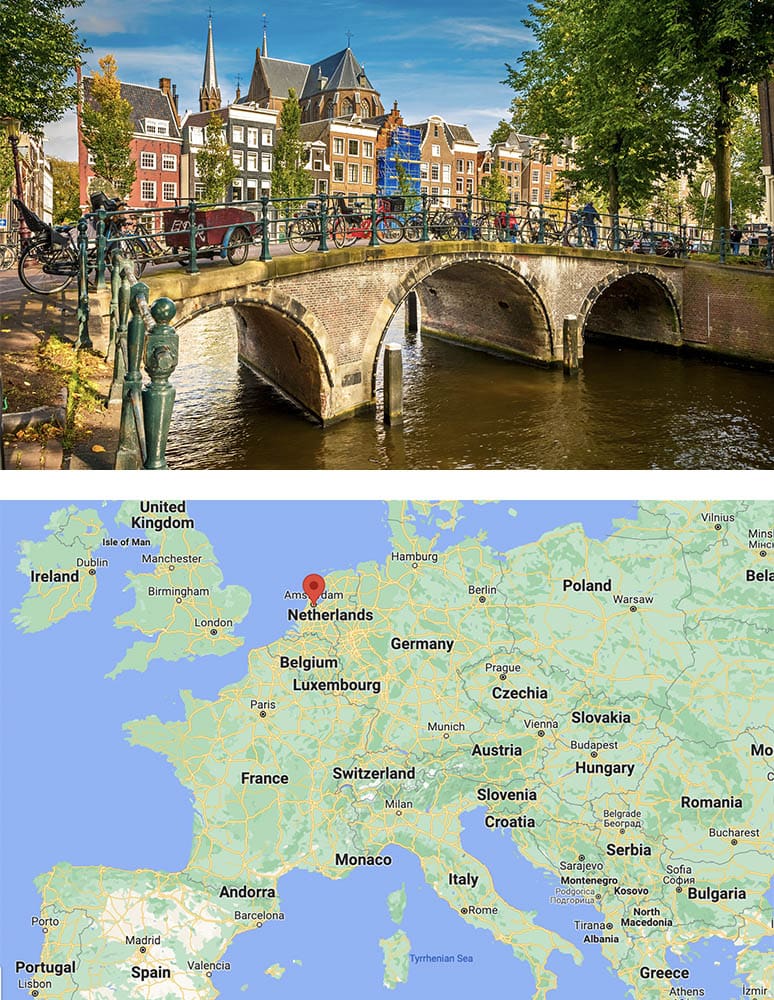
- 7. Amsterdam, Netherlands: 8.9 Million Visitors
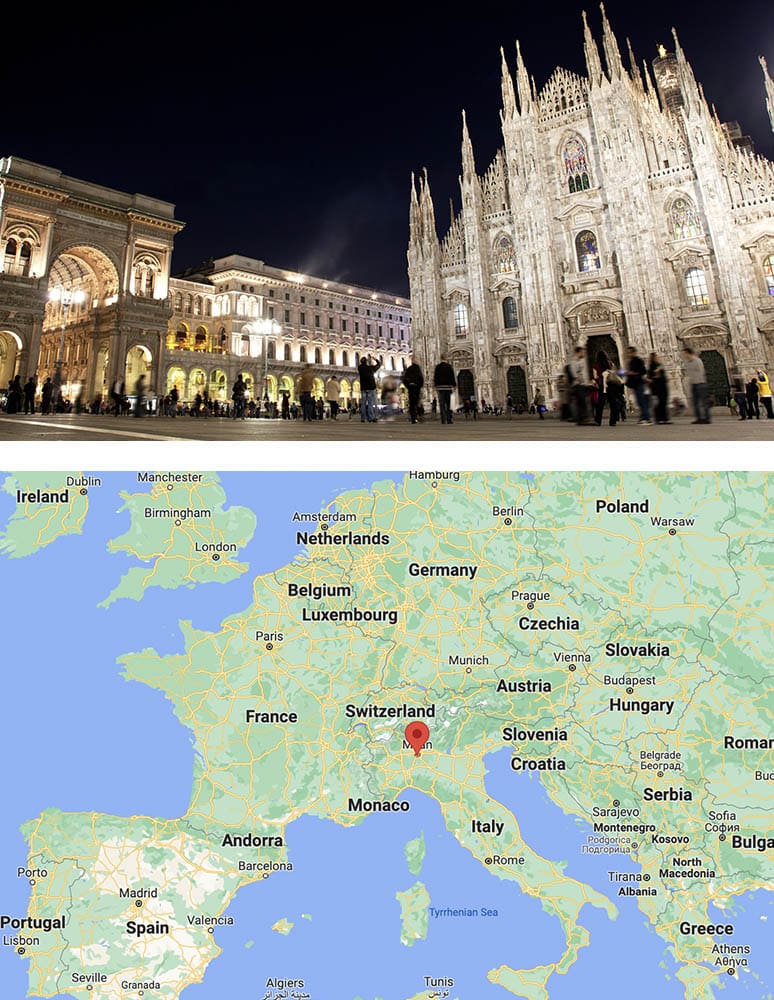
- 8. Milan, Italy: 8.2 Million Visitors
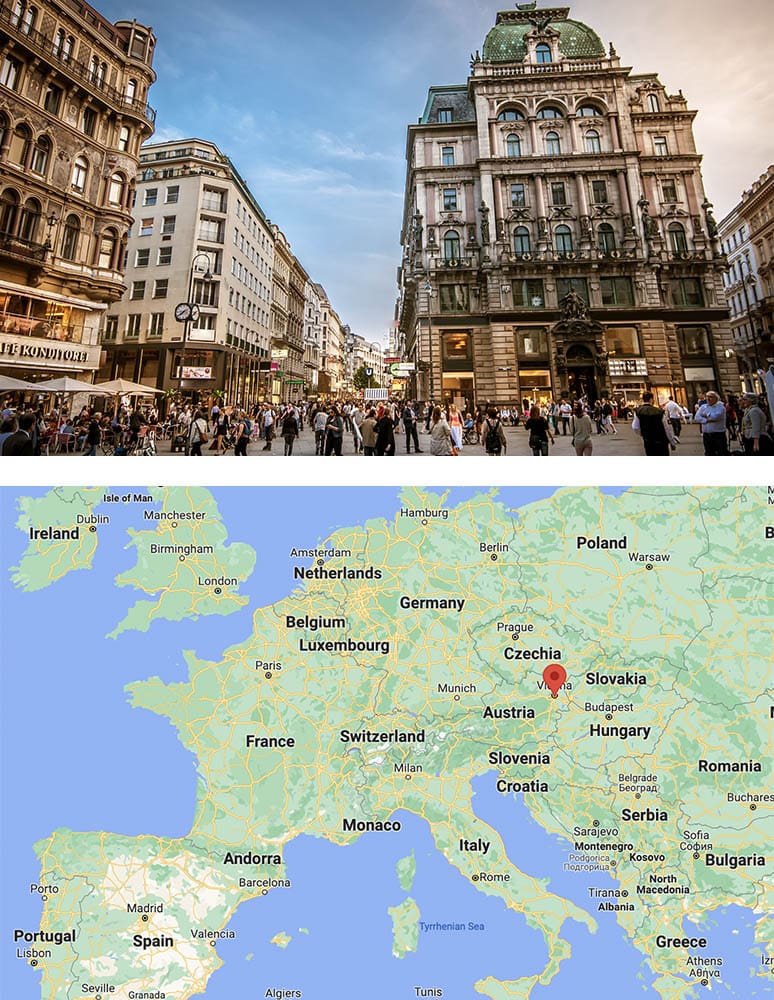
- 9. Vienna, Austria: 8.2 Million Visitors
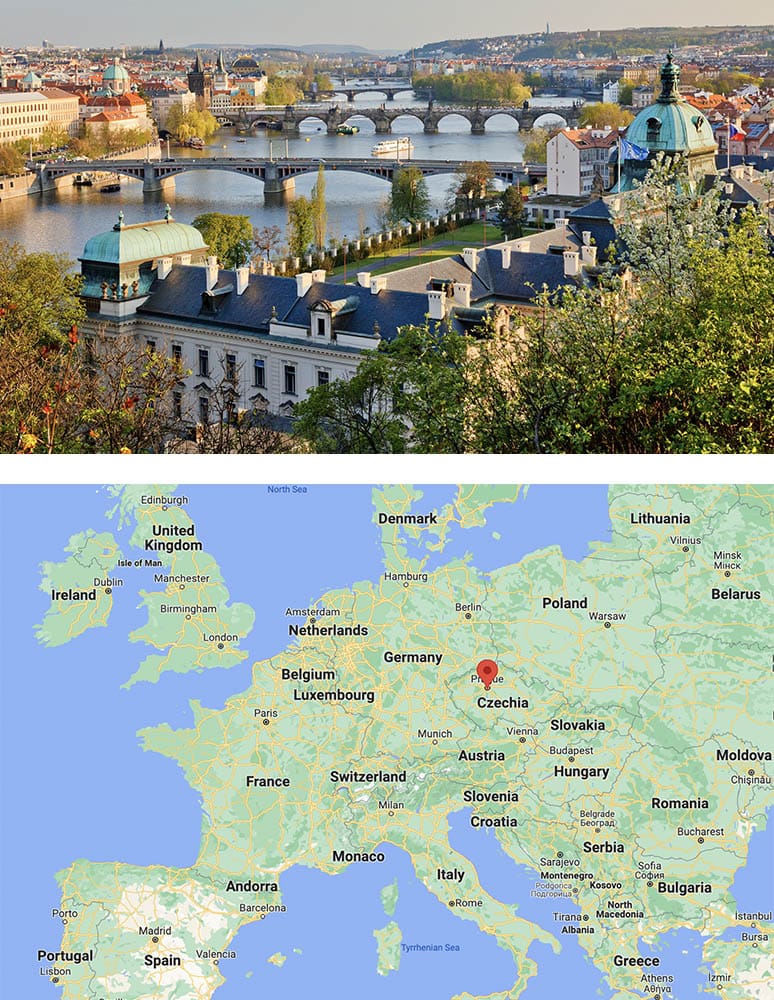
- 10. Prague, Czech Republic: 7.5 Million Visitors
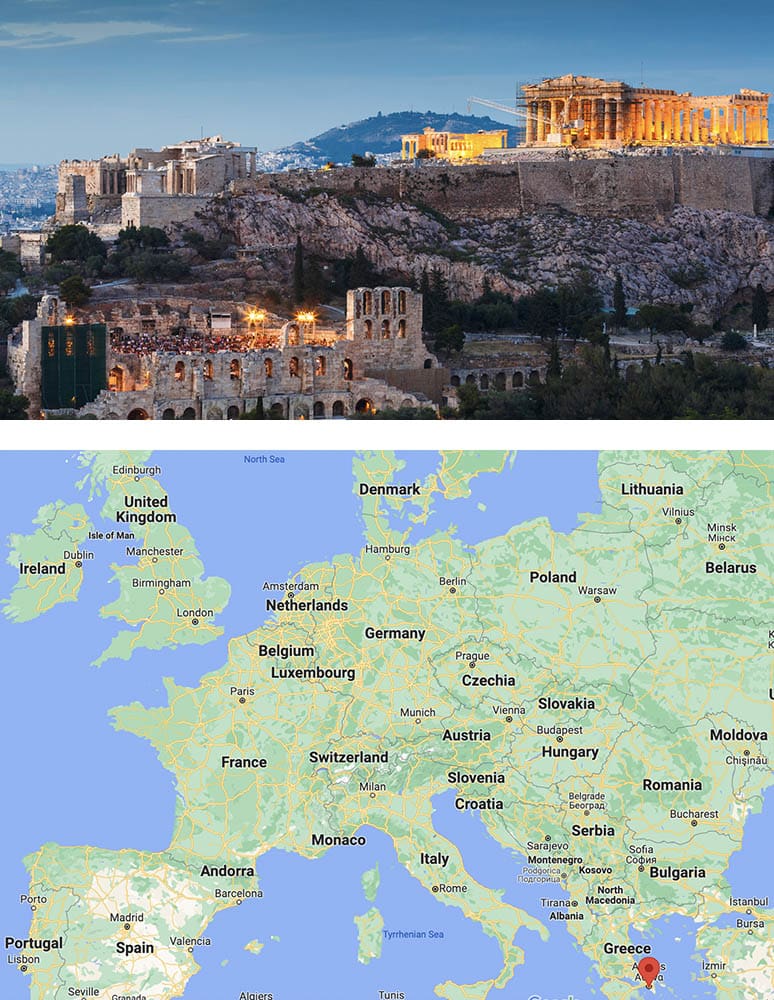
- 11. Athens, Greece: 6.5 Million Visitors
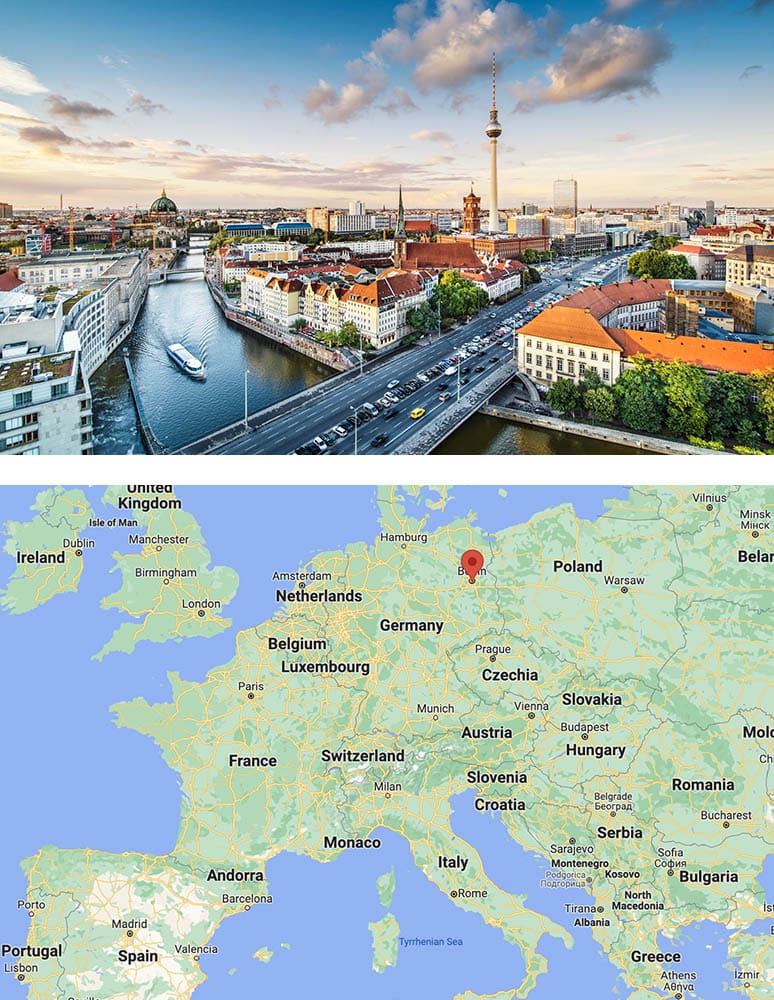
- 12. Berlin, Germany: 6.3 Million Visitors
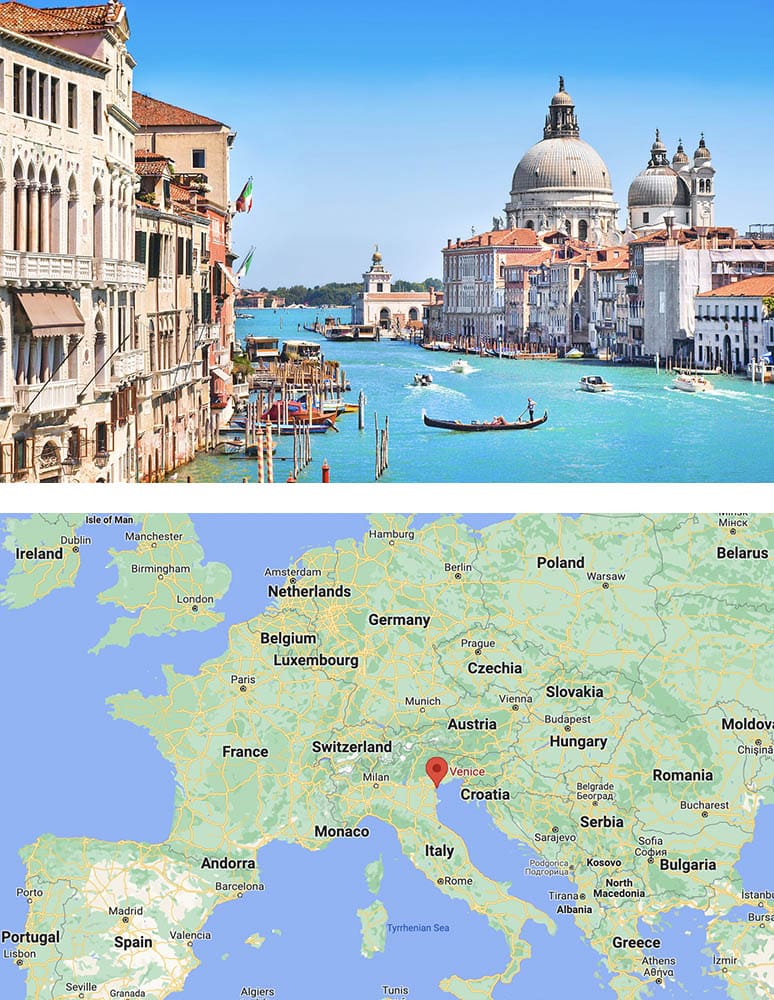
- 13. Venice, Italy: 5.6 Million Visitors
- 14. Madrid, Spain: 5.6 Million Visitors
- 15. Dublin, Ireland: 5.5 Million Visitors
- 16. Florence, Italy: 5.1 Million Visitors
- 17. Brussels, Belgium: 4.3 Million Visitors
- 18. Munich, Germany: 4.2 Million Visitors
- 19. Hamburg, Germany: 4 Million Visitors
- 20. Budapest, Hungary: 4 Million Visitors
- 21. Tallinn, Estonia: 4 Million Visitors
- 22. Copenhagen, Denmark: 3.2 Million Visitors
- 23. Edinburgh, Scotland: 3.1 Million Visitors
- 24. Heraklion, Greece: 3 Million Visitors
- 25. Kraków, Poland: 2.9 Million Visitors
- 26. Warsaw, Poland: 2.8 Million Visitors
- 27. Frankfurt, Germany: 2.7 Million Visitors
- 28. Stockholm, Sweden: 2.7 Million Visitors
- 29. Nice, France: 2.6 Million Visitors
- 30. Porto, Portugal: 2.5 Million Visitors
- 31. Bruges, Belgium: 2.5 Million Visitors
- 32. Reykjavik, Iceland: 2 Million Visitors
- 33. Seville, Spain: 2 Million Visitors
- 34. Lyon, France: 1.6 Million Visitors
- 35. Dubrovnik, Croatia: 1.5 Million Visitors
Economic Implications and Industry Analysis
The surpassing of 793 million arrivals delivers profound economic ramifications across the European Union and non-EU member states alike. Travel and tourism sectors account for a substantial percentage of the continent’s gross domestic product (GDP) and employment. The 2025 surge has directly stimulated job creation in hospitality, aviation, food services, and cultural administration.
Simultaneously, economic analysts note critical operational challenges. The massive influx has amplified inflationary pressures on local housing markets, particularly in cities like Amsterdam, Barcelona, and Lisbon, where residential properties have frequently been converted into tourist accommodations. In response, municipal governments are increasingly pivoting away from pure volume growth toward value-driven, sustainable tourism models. Strategies include decentralizing visitor traffic away from hyper-dense urban cores, investing in green public transportation infrastructure, and deploying digital crowd-monitoring systems.
Technological Shifts in European Travel
Parallel to the physical volume of travelers, the operational mechanics of European travel experienced a digital transformation in 2025. The traditional reliance on expensive international roaming packages has sharply declined, driven by the widespread adoption of prepaid eSIM and regional data plans. Travelers navigating multiple European nations can now secure high-speed mobile data connectivity for fractions of historic costs—averaging between $2 and $4 per day. This technological accessibility has further streamlined multi-city trip planning, allowing visitors to fluidly transition across national borders while remaining digitally integrated.
Related posts: