The Champagne region of France, situated approximately 90 miles northeast of Paris, serves as the exclusive birthplace of the world’s most celebrated sparkling wine. While the term "champagne" is frequently used as a generic descriptor for sparkling wine in various parts of the world, within the European Union and many international jurisdictions, the name is legally protected under the Appellation d’Origine Contrôlée (AOC) system. This designation ensures that only wines produced within this specific 34,000-hectare region, following strict traditional methods, can bear the prestigious label. Beyond the bottle, the region represents a complex intersection of geological history, rigorous viticultural standards, and a heritage that dates back to the Roman era.
The Geological Foundation: Understanding the Terroir
The uniqueness of Champagne begins beneath the surface. The region sits at the northernmost limit of viable viticulture, located along the 49th parallel. This northerly latitude creates a challenging environment where the average annual temperature hovers around 50°F (10°C). Such cool conditions are vital for the development of the wine’s signature profile; they ensure that the grapes—primarily Chardonnay, Pinot Noir, and Pinot Meunier—ripen slowly. This extended ripening period allows the fruit to maintain high levels of acidity, which is essential for the freshness and longevity of the sparkling wine.
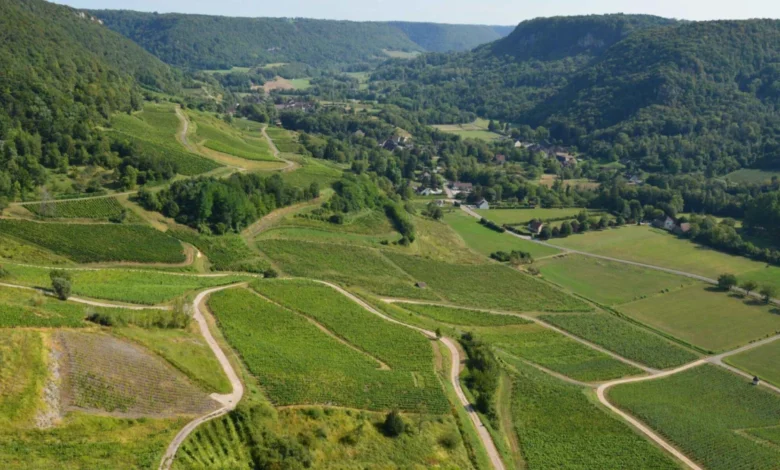
The defining characteristic of the Champagne terroir is its subsoil, which is dominated by belemnite chalk. This chalky composition, formed from the remains of prehistoric marine fossils, acts as a natural regulator for the vines. It possesses a dual function: it provides excellent drainage during periods of high rainfall while simultaneously acting as a reservoir during dry spells, wicking moisture upward to the vine roots through capillary action. Furthermore, the chalk reflects sunlight back onto the vines and absorbs heat during the day, releasing it slowly at night to protect the plants from the region’s frequent frosts. This mineral-rich environment imparts a distinct "chalky" or flinty note to the wines, a characteristic that remains unreplicated in other sparkling wine regions globally.
A Chronology of Transformation: From Still Wine to Global Icon
The history of Champagne is a narrative of accidental discovery and subsequent refinement. In the Middle Ages, the region was known for producing pale, still red wines, often in competition with the more robust wines of Burgundy. Because of the region’s cold winters, fermentation would often stop prematurely, only to restart in the spring once the wine had been bottled. This secondary fermentation created carbon dioxide, which, in the early days, was considered a flaw. Bottles would frequently explode under pressure, leading many to label it "the devil’s wine."
The transition toward the intentional production of sparkling wine is often attributed to Dom Pierre Pérignon, a Benedictine monk at the Abbey of Hautvillers in the late 17th century. While legend suggests he "tasted the stars," historical records indicate his initial goal was actually to remove the bubbles. However, his contributions to the craft—including the blending of different vineyards to achieve balance and the introduction of thicker glass and cork stoppers—laid the foundation for the modern industry.

The 19th century marked the "Golden Age" of Champagne. During this period, the process was perfected through the invention of the riddling rack (remuage) by Madame Clicquot, which allowed for the removal of sediment without losing the carbonation. By the turn of the 20th century, Champagne had become the drink of choice for European royalty and the burgeoning middle class. In 1927, the boundaries of the Champagne production zone were legally defined, and in 2015, the "Champagne Hillsides, Houses, and Cellars" were officially inscribed as a UNESCO World Heritage site, recognizing the region’s "exceptional testimony to a specialized artisan activity."
Technical Precision: The Méthode Champenoise
The production of Champagne is governed by some of the strictest agricultural and winemaking regulations in the world. The méthode champenoise (or traditional method) requires that the secondary fermentation, which creates the bubbles, must occur inside the individual bottle that eventually reaches the consumer.
The process begins with the harvest, which is traditionally done by hand to ensure the grapes remain intact and do not oxidize. After the initial fermentation, winemakers create a cuvée, or blend, which may include wines from different grape varieties, vineyards, and even different years (in the case of non-vintage Champagne). Following the addition of the liqueur de tirage (a mixture of sugar and yeast), the wine is bottled and aged on its lees—the dead yeast cells.

This aging process is where the wine develops its complex aromas of brioche, toasted nuts, and cream. By law, non-vintage Champagnes must age for at least 15 months, while vintage-dated bottles must age for a minimum of three years. High-end prestige cuvées, such as Louis Roederer’s Cristal or Moët & Chandon’s Dom Pérignon, often age for seven to ten years or more before release, allowing the terroir to be expressed with maximum elegance.
Economic Impact and Market Data
The Champagne industry is a cornerstone of the French economy. According to data from the Comité Champagne (CIVC), the trade association representing the region’s houses and growers, Champagne shipments in 2022 reached 326 million bottles, with a total value exceeding €6 billion for the first time in history.
Export markets continue to drive growth, with the United States remaining the top export destination by value, followed by the United Kingdom and Japan. The industry supports over 30,000 direct jobs and thousands more in the tourism and hospitality sectors. Interestingly, the market is split between the "Grandes Marques" (large, internationally recognized houses) and "Grower Champagnes" (vignerons who produce wine from their own grapes). While the large houses dominate global exports, there has been a significant surge in consumer interest in small-batch, terroir-focused grower labels, which now account for a growing segment of the specialty market.

Navigating the Region: Reims, Épernay, and Troyes
For visitors, the Champagne region is anchored by three primary hubs, each offering a different perspective on the industry.
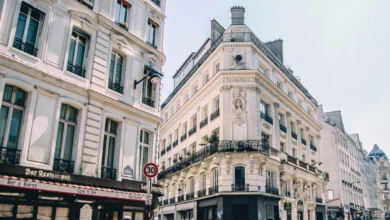
- Reims: As the largest city in the region, Reims is home to many of the most famous Champagne houses, including Vranken-Pommery, Taittinger, and Veuve Clicquot. The city’s architectural centerpiece is the Notre-Dame de Reims Cathedral, where the Kings of France were once crowned. Beneath the city streets lies a network of ancient Roman chalk quarries, known as crayères, which are now used as aging cellars due to their constant temperature and humidity.
- Épernay: Often called the "Capital of Champagne," Épernay is home to the Avenue de Champagne, a street lined with opulent mansions and the headquarters of icons like Moët & Chandon and Perrier-Jouët. It is estimated that the cellars beneath this single street hold more than 200 million bottles of wine.
- Troyes: Located in the southern part of the region (the Aube department), Troyes offers a more rustic, medieval atmosphere. The Aube has gained prominence in recent years for its experimental winemakers and its focus on Pinot Noir, providing a contrast to the Chardonnay-heavy blends of the north.
Culinary Traditions and Regional Gastronomy
The gastronomic culture of Champagne is designed to complement the high acidity and effervescence of the local wine. Unlike in many other cultures where Champagne is reserved for toasts, in its home region, it is treated as a versatile food wine.
Local specialties include Jambon de Reims, a marbled ham seasoned with parsley and spices, and the pungent Chaource cheese, a creamy cow’s milk cheese with a bloomy rind that cuts through the wine’s bubbles. Another staple is the Biscuit Rose de Reims, a hard, pink sponge biscuit designed to be dipped into a glass of Champagne without crumbling. The region’s culinary scene has seen a modern resurgence, with numerous Michelin-starred establishments in Reims and Épernay focusing on "Champagne-centric" menus that explore the pairing potential of different vintages and styles.

Sustainability and the Future of the Appellation
Despite its prestige, the Champagne region faces significant challenges, most notably climate change. Rising global temperatures have led to earlier harvests and lower acidity levels in the grapes. In response, the Comité Champagne has implemented an ambitious sustainability plan. The goal is for the entire region to be "Environmental Certification" (HVE) compliant by 2030.
Current initiatives include reducing the weight of the Champagne bottle to lower the carbon footprint of shipping, increasing biodiversity in the vineyards, and experimenting with new grape varieties that are more resistant to heat and disease. The industry’s ability to adapt to these environmental shifts will determine whether it can maintain its status as the world’s premier sparkling wine producer in the decades to come.
Conclusion
A journey through Champagne reveals that the region’s success is not merely the result of clever marketing, but rather a profound relationship between a unique landscape and a disciplined community of producers. From the deep chalk cellars of Reims to the sun-drenched slopes of the Marne Valley, Champagne remains a testament to the idea that luxury is best expressed when it is rooted in the authenticity of the land. For the traveler or the enthusiast, the region offers a rare opportunity to witness how tradition and innovation coexist to produce a beverage that remains the global benchmark for excellence.