The Hassan II Mosque: Casablanca’s Architectural Masterpiece and Symbol of National Identity

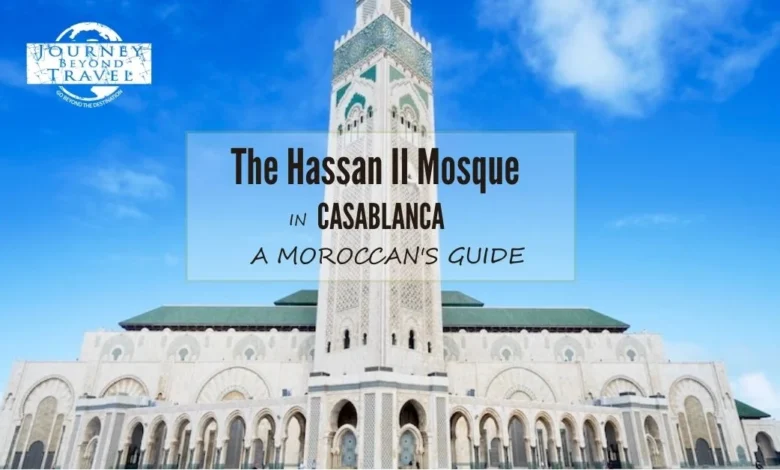
Casablanca, often globally recognized through the romantic lens of classic Hollywood cinema, stands in Morocco as a dynamic hub of commerce and culture. Dominating its Atlantic coastline, the Hassan II Mosque transcends its function as a place of worship, emerging as a monumental testament to Moroccan ambition, craftsmanship, and a vibrant Islamic heritage. As one of the largest mosques in the world and one of the few in Morocco welcoming non-Muslim visitors, it offers an unparalleled opportunity for cultural immersion and appreciation of intricate architectural design.
Historical Genesis and Royal Vision
Commissioned by the late King Hassan II, the mosque’s conception was deeply rooted in a Quranic verse stating, "His throne was upon the water." This divine inspiration led to the unique decision to build a significant portion of the mosque directly over the Atlantic Ocean, symbolizing God’s throne on water and forging a profound connection between the divine and the natural world. Construction of this ambitious project commenced in 1986 and concluded in 1993, requiring the dedication of thousands of skilled artisans and laborers over seven years. The project was not merely an architectural undertaking but a national endeavor, designed to embody Morocco’s rich Islamic history and its forward-looking aspirations. The King’s vision was to create a landmark that would forever stand as a beacon of faith, culture, and national unity, reflecting the collective spirit of the Moroccan people. The total cost of the project was estimated at approximately 585 million USD, a substantial sum that underscored the nation’s commitment to this monumental achievement.

Architectural Grandeur and Engineering Marvel
Spanning an impressive nine hectares, the Hassan II Mosque is an architectural marvel that seamlessly blends traditional Moroccan-Andalusian design elements with advanced modern engineering. Its most striking feature is its towering minaret, which, at 210 meters (689 feet), was once the world’s tallest and remains among the highest globally. This colossal structure is visible from considerable distances, serving as a prominent landmark for both city residents and ships at sea, equipped with a laser beam that points towards Mecca. The mosque’s main prayer hall alone can accommodate 25,000 worshippers, with an additional 80,000 able to gather on the expansive exterior plaza, bringing the total capacity to an astonishing 105,000. Beyond its sheer scale, the mosque incorporates innovative features such as a retractable roof, weighing 1,100 tons, which can be opened in approximately five minutes to the sky on special occasions, allowing for direct communion with the heavens. Underfloor heating ensures comfort during colder months, while a sophisticated ventilation system maintains a comfortable temperature year-round, highlighting a meticulous attention to detail that extends to every aspect of its design and functionality.
A Nation’s Contribution: Funding and Craftsmanship
The construction of the Hassan II Mosque was a monumental undertaking, funded largely through public subscription. Millions of Moroccans, from farmers and merchants to ordinary citizens, contributed financially, reflecting a profound sense of national pride and collective ownership. This widespread participation transformed the mosque into a true symbol of shared identity and communal will. Accounts from the period describe a nationwide fundraising campaign that saw contributions, often small but significant, from virtually every household, solidifying the mosque’s status as a collective achievement.

The project also served as a grand showcase for Morocco’s enduring artisan traditions. Over 10,000 maalems (master craftsmen) and artisans worked tirelessly for years, employing centuries-old techniques in wood carving, zellij mosaic work, plasterwork (tadelakt and naqch hadida), and metalwork. The materials themselves were predominantly sourced from within Morocco: cedarwood from the Middle Atlas Mountains, marble from Agadir, and granite from Tafraoute. Only select elements, such as the grand chandeliers from Murano, Italy, and a limited number of white granite columns, were imported, further emphasizing the mosque’s deep connection to Moroccan resources and craftsmanship. The meticulous hand-cutting and laying of thousands of zellij tiles, the intricate tadelakt plasterwork, and the delicate calligraphic verses sculpted into every surface exemplify the extraordinary dedication and skill invested in its creation. The sheer volume of handcrafted elements within the mosque makes it a living museum of Moroccan artistry.
Bridging Cultures: Welcoming Non-Muslim Visitors
Uniquely among Morocco’s mosques, the Hassan II Mosque extends a warm welcome to non-Muslim visitors, making it an invaluable site for cultural exchange and understanding. While most mosques in Morocco are generally accessible to Muslims only, this landmark provides a rare opportunity for tourists to engage directly with Islamic architecture, history, and spiritual practice. This policy, established from its inception, underscores a desire to share Moroccan culture and Islamic heritage with the wider world.
Access for non-Muslims is exclusively via guided tours, ensuring a respectful and informative experience. These structured tours, typically conducted in multiple languages, lead groups through the main prayer halls, the ablution rooms in the basement, and other significant areas. Knowledgeable guides explain the mosque’s history, architectural intricacies, and cultural significance, providing context that enriches the visit considerably. This guided approach allows visitors to absorb the atmosphere at their own pace while adhering to the site’s sacred nature, fostering a sense of reverence and appreciation.

Etiquette and Practicalities for Visitors
To ensure a respectful visit to this active place of worship, certain cultural etiquette guidelines are observed. Modest dress is required for all visitors: shoulders and chests should be covered, and pants or skirts should extend below the knees. Women are also expected to cover their hair as a sign of respect; scarves are often available at the entrance for this purpose. Footwear must be removed before entering the prayer halls; visitors can carry their shoes in provided plastic bags or leave them in designated areas at the entrance. It is advisable to wear socks, as the cool marble floors can be chilly.
While photography is generally permitted in the main areas during guided tours, visitors are advised to be mindful of worshippers and refrain from taking their pictures without explicit consent. Guides provide clear instructions on appropriate times and locations for photography, emphasizing respect for the sacred space. For optimal viewing and to avoid larger crowds, visiting early in the morning is highly recommended. The soft morning light enhances the intricate details of the marble and zellij work, creating stunning visual effects. Late afternoon also offers beautiful lighting for exterior photography, particularly of the minaret against the setting sun.
The Academy of Traditional Arts: A Living Legacy

Adjacent to the mosque stands the Academy of Traditional Arts (Académie des Arts Traditionnels), an institution established in 2012 with a profound mission: to preserve and transmit the very crafts that brought the Hassan II Mosque to life. This academy offers rigorous training in over ten traditional Moroccan artistic disciplines, including zellij mosaic, carved wood, ironwork, leatherwork, jewelry making, and calligraphy. Young Moroccans learn directly from master artisans, ensuring that centuries-old techniques and artistic knowledge are passed down to future generations.
The academy serves as a vital safeguard for Morocco’s intangible cultural heritage, demonstrating a proactive commitment to keeping these exquisite arts alive. Its curriculum, often spanning several years, aims to produce a new generation of maalems capable of continuing these intricate traditions. The existence of this institution underscores the understanding that true heritage is not merely admired but actively perpetuated, creating a continuous cycle where the past enriches the present and secures the future of Moroccan artistic identity. It stands as a testament to the belief that the skills and artistry invested in the mosque’s construction are not just historical artifacts but living, evolving traditions.
Beyond Worship: A National and Global Impact
The Hassan II Mosque has transcended its primary religious function to become a powerful symbol of Moroccan national identity, resilience, and cultural pride. It stands as a testament to the collective spirit of a nation that united to create a landmark of such scale and beauty. Its unique openness to non-Muslim visitors positions it as a crucial bridge between cultures, fostering understanding and appreciation of Islamic art and architecture on a global stage. This welcoming approach aligns with Morocco’s broader efforts to promote cultural dialogue and present a modern, inclusive image of its Islamic heritage.

For tourism, it is an undeniable magnet, drawing hundreds of thousands of visitors annually and firmly establishing Casablanca as a significant cultural destination on the international map. Morocco’s tourism sector, a cornerstone of its economy, benefits immensely from iconic sites like the Hassan II Mosque, which contribute to the country’s appeal as a diverse and enriching travel destination. The mosque’s economic impact extends beyond direct tourism, indirectly supporting local artisans, guides, and related services, while the Academy ensures a sustainable future for traditional crafts. It exemplifies how monumental architecture can serve not only spiritual needs but also broader national aspirations, cultural diplomacy, and economic development. Its presence reinforces Morocco’s position as a guardian of Islamic art and a leader in preserving traditional crafts.
Planning Your Visit: Essential Details
For those contemplating a visit to this magnificent landmark, here are some practical details:
- Location: The mosque is prominently situated on the Casablanca waterfront, along Boulevard Sidi Mohammed Ben Abdallah, offering breathtaking views of the Atlantic. It is easily accessible by petit taxi from most city areas, a convenient and affordable mode of transport.
- Opening Hours and Tickets: Guided tours for non-Muslims typically commence in the morning, with multiple daily departure times. It is highly advisable to verify current schedules and ticket prices directly with the mosque’s official website (fmh2.ma) or a local tour operator, as these can vary seasonally and for special events. On Fridays, access for non-Muslims is significantly limited due to congregational prayers.
- Best Time to Visit: Early mornings are recommended for optimal lighting conditions within the mosque and to experience fewer crowds, particularly during peak tourist seasons. The tranquility of the early hours allows for a more reflective and immersive experience. Late afternoon also offers beautiful lighting for exterior photography, especially of the minaret against the setting sun.
- Dining Options: The surrounding Corniche area offers a variety of dining choices, from casual cafes to more upscale restaurants. La Sqala, a popular local establishment housed in a historic bastion near the old medina, is renowned for its traditional Moroccan cuisine and atmospheric setting. The Ain Diab district, a short taxi ride away, provides more casual waterfront dining experiences, perfect for enjoying the ocean breeze.
- Touring the Mosque: Independent visitors can purchase tickets on-site and join one of the scheduled guided tours. Those traveling with a pre-booked guide or tour operator will benefit from streamlined logistics and enhanced contextual insights, enriching the overall experience with historical anecdotes and architectural nuances that might otherwise be missed.
The Hassan II Mosque is not merely a structure of stone, wood, and marble; it is a living narrative of faith, artistry, and national aspiration. Its elegant presence by the Atlantic Ocean embodies the enduring spirit of Morocco, offering both spiritual solace and a profound cultural journey. For any traveler exploring Morocco, a visit to this majestic edifice in Casablanca is an essential pilgrimage, an invitation to witness the collective pride and preserved heritage of an entire nation, gracefully standing sentinel for generations to come.