Beyond the Gates of Hercules: A Comprehensive Guide to Expanding Your Moroccan Itinerary into Europe and Beyond


The Kingdom of Morocco serves as a pivotal bridge between the African continent and Europe, situated at the crossroads of the Mediterranean Sea and the Atlantic Ocean. While many international travelers treat Morocco as a standalone destination, the country’s geographic positioning allows for seamless logistical integration with Southern Europe, the British Overseas Territories, and the broader Saharan region. With the Strait of Gibraltar separating North Africa from the Iberian Peninsula by as little as 14 kilometers, the transit options—ranging from high-speed maritime ferries to frequent regional air links—have transformed multi-country itineraries from complex undertakings into accessible travel segments.
Historical Context and Geopolitical Significance
The connection between Morocco and its northern neighbors is defined by a deep historical continuity dating back to antiquity. Known to the ancients as the Pillars of Hercules, the Strait of Gibraltar has facilitated trade, cultural exchange, and migration for millennia. In the modern era, this gateway has been formalized through robust transit infrastructure. The establishment of direct maritime routes and the expansion of budget airline networks have solidified Morocco’s status as an essential transit point for travelers moving between the European Union and the Maghreb.
Navigating the Connection to Spain
Spain represents the primary link between Morocco and the European mainland. The travel corridor is characterized by high-frequency connectivity. Maritime operators such as FRS (DFDS), Baleària, and Armas provide daily passenger and vehicle transport between ports including Tangier-Med, Tangier Ville, and Nador on the African side, and Algeciras, Tarifa, and Motril on the Spanish side.

For citizens of the United States, the United Kingdom, the European Union, and Canada, the transit process is largely standardized. Travelers typically require a passport with at least six months of validity beyond the date of entry. Under current Schengen Area regulations, eligible tourists may enter Spain for stays of up to 90 days within any 180-day period without the necessity of a pre-arranged visa.
Logistical Data and Transit Efficiency
The efficiency of these routes is supported by significant infrastructure investment. For instance, the crossing from Tarifa to Tangier Ville takes approximately 35 to 60 minutes, making it one of the fastest international maritime connections globally. Air travel offers further flexibility, with low-cost carriers providing direct, short-haul flights connecting major Moroccan hubs—Casablanca, Marrakech, Fez, and Tangier—to Spanish metropolises such as Madrid, Barcelona, Seville, and Málaga. These flight segments often serve as the backbone for regional tourism circuits, enabling travelers to contrast the distinct architectural and culinary heritages of Al-Andalus and the Maghreb within a single trip.
The Unique Status of Ceuta and Melilla
A critical element for travelers to understand is the status of the Spanish autonomous cities of Ceuta and Melilla. Situated on the North African coast, these territories are not part of the Moroccan state but are instead integral parts of Spain and, by extension, the European Union. Consequently, crossing the land borders into these cities requires formal passport control and customs clearance. The implications of this status are significant: travelers entering these cities are effectively entering the Schengen Area, meaning that the time spent there contributes to the cumulative 90-day limit allowed for Schengen tourism.
Maritime Access to the Canary Islands

The Canary Islands, an autonomous community of Spain located in the Atlantic Ocean, present a distinct travel segment. While they are politically European, they are geographically proximate to the Western Sahara and the southern Moroccan coast. Connectivity is primarily facilitated by direct air routes from Moroccan cities like Casablanca and Marrakech to hubs such as Las Palmas de Gran Canaria and Tenerife. These islands serve as a vital transition zone, blending Spanish administrative systems with a climate and topography that share more in common with the African mainland than with continental Europe.
Gibraltar: A British Enclave in the Mediterranean
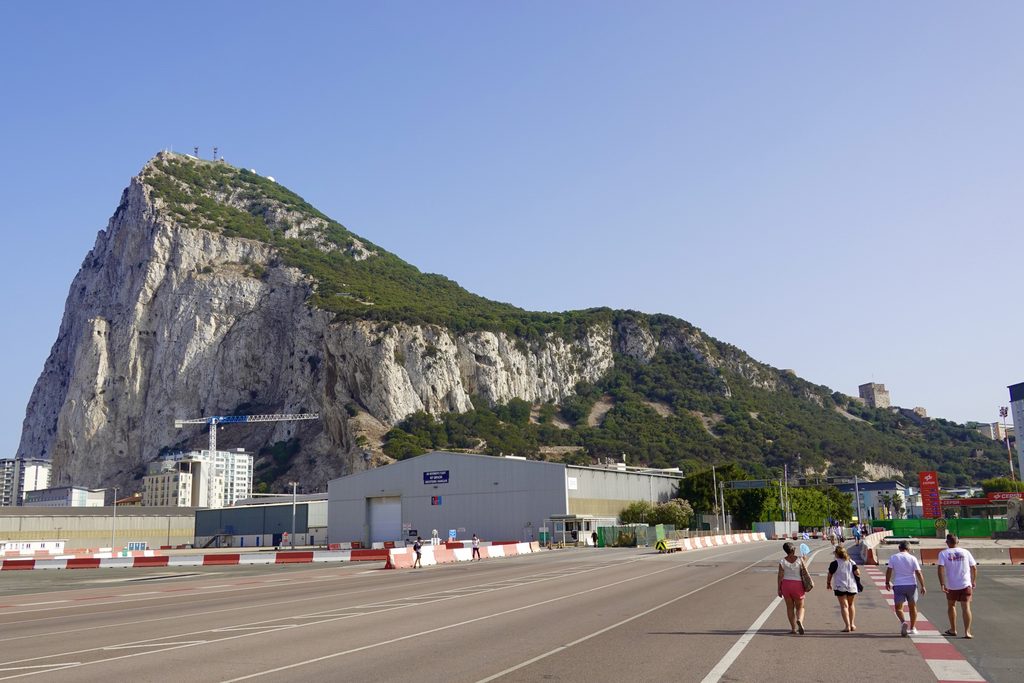
The British Overseas Territory of Gibraltar offers a unique geopolitical case study. Situated at the southern tip of the Iberian Peninsula, it remains a strategic point of British influence in the Mediterranean. Travelers accessing Gibraltar from the North African region typically utilize ferry routes to Southern Spain followed by a short land transit or direct regional air links. The territory operates under distinct legal and customs regulations, which differ from those of the European Union, a factor that requires travelers to remain informed of current entry requirements post-Brexit.
Developments in the Western Sahara and Mauritania
Travel into the Western Sahara and beyond into Mauritania involves more complex logistical and safety considerations. The Western Sahara is a disputed territory, with the majority of the region administered by Morocco. Major coastal cities such as Laayoune and Dakhla have developed modern infrastructure, particularly in the sectors of renewable energy and luxury tourism, specifically for the kitesurfing market.
However, the transition into Mauritania represents a significant shift in travel profile. Crossing the border south of Dakhla leads into a vast, sparsely populated desert region. Diplomatic advisories from major Western governments frequently categorize parts of Mauritania as high-risk due to regional instability and the threat of civil unrest. Travelers planning to undertake this overland route are advised to consult the latest government-issued travel warnings and to ensure their itineraries are supported by reputable local logistics providers who possess specialized knowledge of desert transit.

The Status of the Morocco-Algeria Border
A crucial, immutable fact for any regional planning is the closure of the Morocco-Algeria land border. This border has been strictly closed to both vehicular and pedestrian traffic since 1994. Furthermore, there are no direct commercial flights between the two nations. This impasse is a result of long-standing diplomatic tensions between the two regional powers. For travelers, this means that any plan to visit both countries must involve a third-party transit hub, such as France, Tunisia, or Turkey. Attempting to bypass this through unofficial channels is not only impossible due to heavy military and police patrols but also carries severe legal risks.
Implications for Regional Tourism and Economic Impact
The ease of cross-border movement has spurred a specialized tourism sector that emphasizes "multi-country discovery." The economic impact of this connectivity is twofold: it increases the duration of stay for international visitors and encourages the development of regional tourism packages that leverage the proximity of different cultural zones.
From an analytical perspective, the infrastructure that supports these routes—ferry terminals, regional airports, and improved highway networks—reflects the broader economic integration of the Mediterranean basin. As Morocco continues to invest in its domestic transport, such as the Al Boraq high-speed rail line and the expansion of the Tangier-Med port, the connectivity between Africa and Europe is expected to become even more streamlined.
Conclusion: A Cohesive Regional Strategy
For the contemporary traveler, the ability to transition from the vibrant markets of Marrakech to the historic streets of Seville, or from the Atlantic shores of Dakhla to the desert reaches of Mauritania, is an exercise in cultural synthesis. While the logistical requirements vary from the seamless movement within the Schengen zone to the more rigorous preparation needed for the Saharan border crossings, the opportunity to witness the interplay of Mediterranean, African, and European influences remains unparalleled.
Strategic planning remains the cornerstone of such an endeavor. Prospective travelers are encouraged to verify visa requirements for each jurisdiction, monitor diplomatic travel advisories, and ensure that their transport logistics are confirmed well in advance. By approaching these borders with a clear understanding of the geographic and political realities, travelers can successfully bridge the distance between these distinct but inextricably linked regions, gaining a deeper perspective on the shared history that continues to shape this corner of the globe. As international transit continues to evolve, the routes connecting Morocco to the world stand as a testament to the enduring human desire for exploration and connection across diverse landscapes and cultures.
Related posts: