Sedona, Arizona, has long been recognized as a premier destination for outdoor enthusiasts, but in recent years, it has increasingly become a hub for family-oriented adventure travel. With its iconic crimson sandstone formations and temperate climate, the region offers a unique landscape for parents looking to introduce their children to the outdoors. However, the rugged topography of the Coconino National Forest presents specific logistical challenges for families traveling with infants, toddlers, and young children. As the popularity of the area grows, local land management agencies and tourism experts have emphasized the importance of proper preparation, trail selection, and environmental awareness to ensure a safe and sustainable experience.

The Rise of Family-Focused Outdoor Recreation in Sedona
The shift toward family-centric tourism in Sedona aligns with a broader national trend. According to data from the Outdoor Industry Association, participation in outdoor activities among households with children under the age of 12 has seen a consistent upward trajectory over the last decade. Sedona’s proximity to major metropolitan areas and its extensive network of trails—spanning over 400 miles—make it an ideal site for this demographic.

The appeal lies in the accessibility of "short-duration" hikes. While many trails in the region are categorized as difficult or strenuous, a significant portion of the trail system is designed for lower-impact use. This allows families to engage in physical activity without committing to the rigors of long-distance wilderness treks, which are often incompatible with the schedules and physical capabilities of young children.

Strategic Trail Selection for Families
For parents navigating the Coconino National Forest, the primary consideration is the distinction between stroller-accessible paths and those requiring specialized carrying gear. The following trails are widely cited by local park rangers and experienced hikers as the most appropriate for families:

- Bell Rock Pathway: Serving as a gateway to the region’s most recognizable formations, this trail is favored for its relative flatness. The path consists primarily of packed gravel, making it one of the few areas where all-terrain strollers can be utilized effectively.
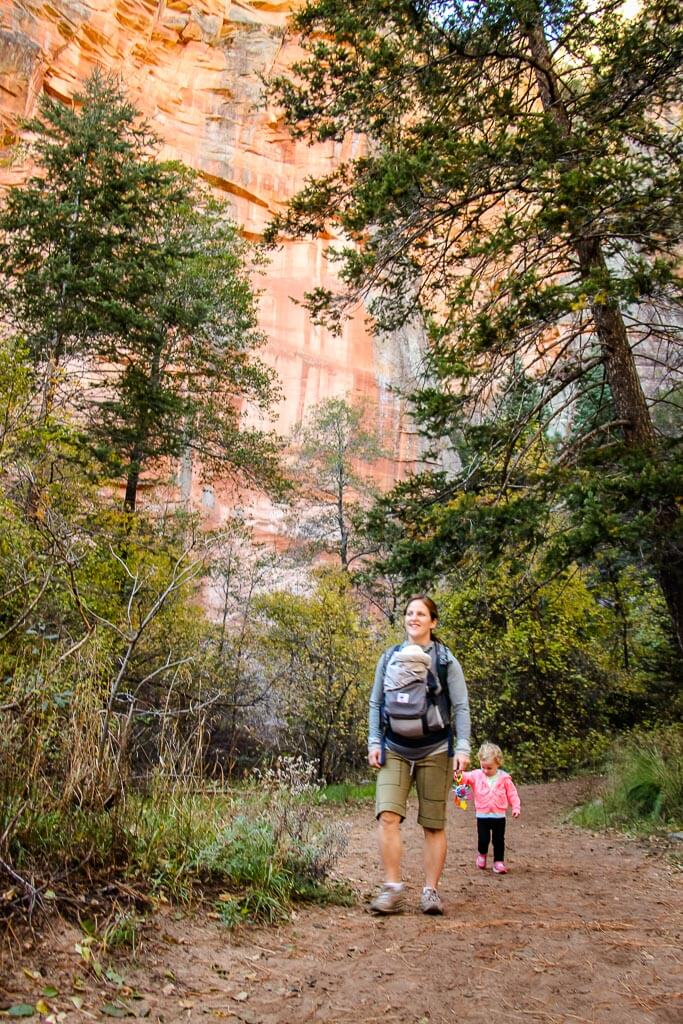
- West Fork Trail: Located within Oak Creek Canyon, this trail offers a distinct microclimate. The presence of dense vegetation and the canyon walls provide essential shade, a critical factor during Arizona’s high-temperature months. Unlike the open-desert trails, this route requires crossing Oak Creek, which necessitates the use of a baby carrier, as the terrain is too uneven for wheels.
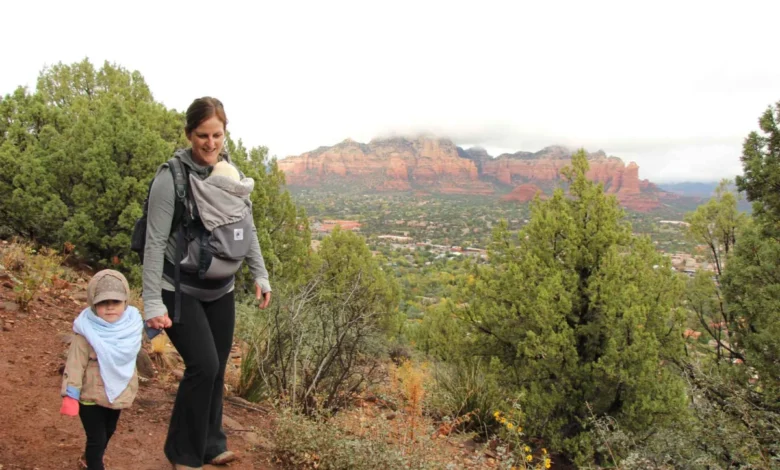
- Baldwin Trail: Offering panoramic views of Cathedral Rock, this trail is a staple for those seeking high-reward scenery with moderate effort. It is generally quieter than the more publicized routes, providing a more controlled environment for families.
- Fay Canyon Trail: This route is lauded for its relative lack of elevation gain and its visual accessibility. It provides a classic "canyon experience" without the need for technical navigation, making it a reliable choice for families with toddlers who may want to walk short portions of the trail independently.
- Huckaby Trail: Positioned closer to the city limits, this trail offers a balance between convenience and natural immersion. While rocky, it remains a favorite for families looking to avoid long travel times to reach a trailhead.
- Airport View Trail: Ideal for those with limited time, this trail provides an elevated vantage point overlooking the city. It is highly recommended for parents who wish to experience the scale of the red rocks without the logistical burden of a multi-hour excursion.
Essential Gear and Safety Protocols
The environment of Northern Arizona is deceptively harsh. High-altitude sun exposure, rapid changes in temperature, and the prevalence of loose, uneven terrain require specific preparations.

Public safety officials in the Coconino National Forest frequently remind visitors that the most common accidents involving families on the trail are related to dehydration and falls. Professionals recommend the following equipment:

- Carrier Systems: For any trail involving elevation or water crossings, a structured, ergonomic child carrier is standard. Strollers, even those with large wheels, are frequently cited as insufficient for the majority of the region’s trails.
- Sun Protection: The UV index in Sedona is significantly higher than in lower-altitude or more northern regions. Beyond sunscreen, protective clothing and wide-brimmed hats are considered essential for infants.
- Navigation: Cell service throughout the canyon systems is notoriously unreliable. Digital mapping applications, such as AllTrails, are highly effective, but they must be configured for offline use before entering the wilderness.
Environmental Impact and Conservation
As visitor numbers rise, the environmental impact on Sedona’s trails has become a focal point for the United States Forest Service. The concept of "Leave No Trace" is now a cornerstone of the messaging provided to visiting families. When hiking with young children, the potential for off-trail erosion is higher, as children are more likely to wander. Educational initiatives are currently underway to teach families how to stay on marked paths to protect the fragile desert crust and local flora.

Economic and Social Implications
The influx of families has had a measurable impact on the local economy. Hospitality businesses in the Village of Oak Creek and the greater Sedona area have adapted by offering "adventure-ready" amenities, including shuttle services to trailheads and specialized equipment rentals. This shift reflects a broader economic pivot in the region, moving from exclusively high-end luxury tourism to a more diversified model that includes family-friendly, activity-based stays.
Navigating the Challenges of High-Traffic Seasons
Peak travel seasons, particularly during the spring and autumn, can result in overcrowding at popular trailheads. The city has responded by implementing a comprehensive shuttle system, which is designed to reduce congestion at high-traffic areas like the Dry Creek Vista and the Cathedral Rock trailheads. Families are strongly encouraged to utilize these services, as parking is often at capacity by mid-morning.

Expert Advice for Future Travel
The consensus among regional tourism experts is that the "first hike" experience for a child sets the tone for future outdoor engagement. Parents are encouraged to prioritize the child’s comfort and hydration over completing the entire length of a trail. The objective of family hiking in a location as visually stunning as Sedona is not necessarily to reach the end of a path, but to expose children to the natural environment in a safe, controlled, and enjoyable manner.

For those planning an extended stay, connecting with local parent-traveler communities—often found on social platforms or through regional outdoor clubs—can provide real-time updates on trail conditions and weather warnings. As Sedona continues to refine its infrastructure to accommodate families, the balance between preserving the wilderness and welcoming new generations of explorers remains the primary challenge for the city’s stakeholders. By prioritizing preparedness and respect for the environment, families can ensure that the Sedona trail system remains a sustainable resource for years to come.