Planning a Babymoon with a Toddler: A Guide to Managing Expectations and Travel Logistics

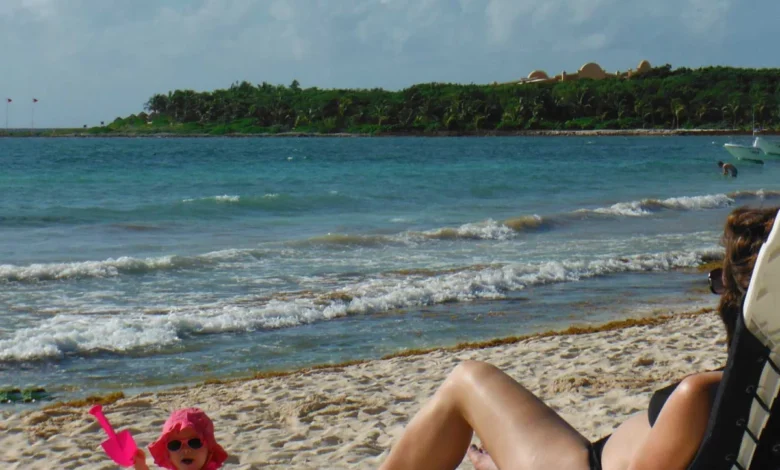
The concept of a "babymoon"—a final getaway for expectant parents before the arrival of a new child—has evolved significantly over the last decade. Historically marketed as a romantic, couple-only retreat intended to prioritize rest and intimacy, the modern babymoon often looks quite different for families expecting their second or third child. For these parents, the primary objective is no longer just quiet solitude; it is the coordination of a family-focused trip that balances the physical realities of pregnancy with the high-energy demands of a toddler.

This shift in travel patterns reflects broader demographic trends in parenting. According to recent travel industry data, there has been a 15% year-over-year increase in "multigenerational" and "expanded family" travel searches, as parents increasingly seek ways to maintain their travel lifestyle while navigating the logistical complexities of raising young children. Planning a second babymoon requires a departure from the adventurous, high-intensity trips often taken before a first child, favoring instead a strategy centered on predictability, ease of transit, and child-friendly infrastructure.
The Evolution of the Pre-Birth Vacation
The evolution of the babymoon is rooted in the changing nature of modern parenthood. While a first pregnancy allows for spontaneous, activity-heavy travel—such as long-distance hiking, late-night dining, or multi-city tours—the addition of a toddler changes the calculus. Parents must account for nap schedules, dietary requirements, early bedtimes, and the physical limitations that accompany a second or third pregnancy, which often presents with higher fatigue levels due to the necessity of chasing a mobile child.

For many families, the second babymoon serves a dual purpose: it acts as a transition period, providing a final window for the family to bond as a unit of three before the arrival of the new sibling, and it functions as a controlled environment where parents can decompress. This has led to a significant increase in the popularity of all-inclusive resorts and short-haul domestic travel, which minimize the "travel friction" often associated with airport security, long layovers, and complex navigation.
Strategic Planning for Expectant Parents
The logistics of traveling while pregnant with a toddler demand a rigorous approach to planning. Experts in family travel suggest that the most successful trips are those that prioritize "low-impact" environments.

1. Destination Selection and Infrastructure
Choosing a destination is the most critical decision in the planning process. For a second babymoon, the emphasis should be on amenities. All-inclusive resorts, for instance, have become a preferred choice because they eliminate the need to plan meals, transport, or cleaning, allowing parents to focus entirely on the toddler. When selecting a resort, families are advised to vet the property specifically for toddler-friendly infrastructure, such as splash pools, onsite medical support, and proximity to grocery stores for emergency supplies like formula or specialized snacks.
2. Managing Travel Time and Transit
The duration of transit is a primary source of stress for families. Data from aviation safety organizations indicates that while flying is generally safe during the second trimester, airlines have specific policies regarding travel for those beyond 36 weeks. Beyond medical regulations, the practical concern is the stamina of the toddler. A road trip, while often more manageable due to the ability to control the environment and timing, requires careful mapping to ensure stops occur every two to three hours to allow for physical activity, which is essential for a developing toddler’s mood and sleep quality.

3. The Single-Activity Rule
One of the most effective strategies for maintaining harmony on a trip with a toddler is the "one main activity per day" rule. This approach acknowledges that toddlers have a limited capacity for novelty and stimulation. By scheduling one core activity—such as a morning at the beach or a visit to a local park—and leaving the remainder of the day open, parents avoid the "meltdown cycle" caused by over-scheduling. This also provides the pregnant parent with the necessary window to rest during the toddler’s nap time.
The Role of Routine in Traveling with a Toddler
A common point of tension during family travel is the disruption of established home routines. Research in child development emphasizes that while travel inherently breaks routines, maintaining a "rhythm" is often sufficient to keep a toddler secure. This involves keeping consistent meal times and ensuring that bedtime rituals, such as reading specific books or utilizing a favorite stuffed animal, are replicated as closely as possible in the new environment.

The psychological impact of these trips is also significant. Including the toddler in the excitement of the upcoming new sibling—through age-appropriate activities or simply by focusing on quality one-on-one time—helps the child prepare for the transition. By providing undivided attention during the babymoon, parents can foster a positive association with the family unit before the household dynamic shifts.
Professional Perspectives and Industry Trends
Travel industry analysts note that the rise of the "toddler-inclusive babymoon" has spurred a niche market. Many hotel chains are now offering "family concierge" services, which can include the pre-arrival setup of cribs, strollers, and even child-proofing kits in the room. This shift is a direct response to the needs of modern parents who are no longer willing to sacrifice travel opportunities but require the support to make those trips feasible.

"The goal is not to replicate the child-free travel of the past," says one travel consultant specializing in family trips. "The goal is to create a new version of relaxation that acknowledges the reality of your life as a parent. When you accept that the trip will be different, you remove the pressure of perfection. That, in itself, is the most relaxing aspect of the entire vacation."
Implications for the Family Unit
The implications of a well-planned second babymoon extend beyond the duration of the trip. A successful experience builds parental confidence, proving that travel remains possible even with multiple children. It also serves as a mental reset. The period leading up to a second birth is often fraught with anxiety regarding the distribution of time and affection between the older child and the newborn. Taking the time to disconnect from daily chores and professional obligations allows parents to return home with a renewed sense of focus and patience.

Conversely, poorly planned trips can lead to unnecessary exhaustion. Families who attempt to "power through" by maintaining an itinerary that would be better suited for adult travelers often find that the stress of the trip outweighs the benefits. The data suggests that the most frequent cause of dissatisfaction in family travel is the failure to adjust expectations regarding the pace of the journey.
Final Considerations for the Second Babymoon
Before finalizing any bookings, families should conduct a comprehensive review of their requirements:
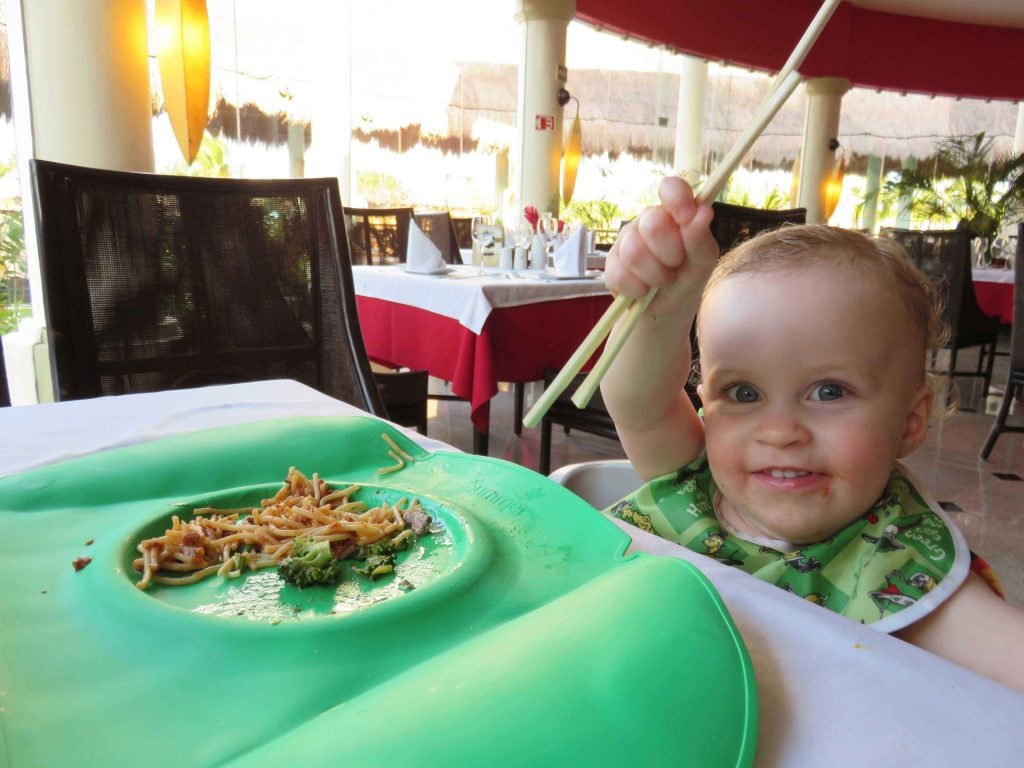
- Medical Preparedness: Always carry a copy of prenatal records and confirm the proximity of pediatric and obstetric care at the destination.
- Flexibility Reserves: Budget an extra 20% in time and money for unexpected events, such as a toddler illness or a sudden change in the weather.
- Prioritize Sleep: Choose accommodation that offers a separate space for the toddler. If the toddler wakes up early or requires a nap, the ability to have a quiet area for the parents is invaluable.
- Safety First: Ensure that any transport, such as rental cars or taxis, provides safe, high-quality car seats.
In summary, the second babymoon is a logistical exercise in compromise. It requires the parents to relinquish the desire for total, uninterrupted relaxation in favor of a shared family experience. While it may not look like the romantic escape of the past, the value of the trip lies in the shared memories and the intentional pause in a busy life. By keeping the itinerary simple, the expectations realistic, and the focus on the current needs of the family, parents can ensure that their final trip as a family of three is a meaningful and successful chapter in their family’s history.