Your Ultimate Madrid Itinerary: A Comprehensive Guide to the Cultural and Gastronomic Capital of Spain

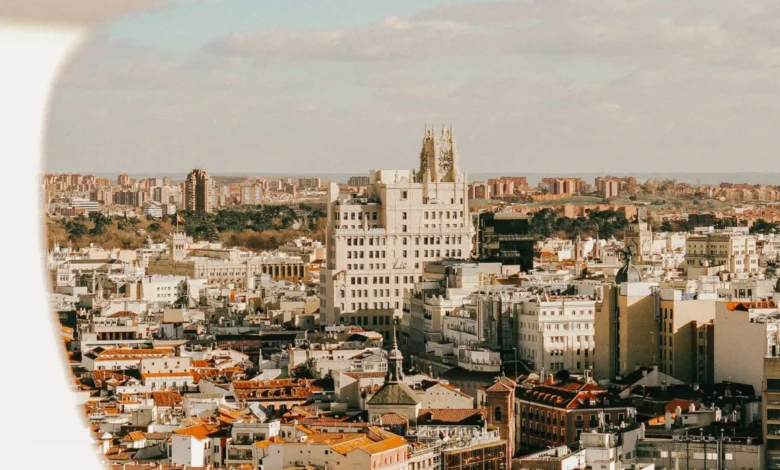
As the capital of Spain, Madrid stands as a preeminent destination for international travelers, serving as a convergence point for history, high art, and contemporary urban development. Spanning over 600 square kilometers, the city functions as the country’s political, economic, and cultural heart. While many visitors are drawn to the city’s status as a major European metropolis, the true depth of Madrid is revealed through its unique integration of 17th-century architectural heritage and a modern, high-intensity culinary scene. Navigating this vast urban landscape requires a strategic approach, as the city offers a dense collection of museums, public parks, and historic districts that reward long-term exploration.

The Landscape of Light: A UNESCO Heritage Milestone
The cultural significance of Madrid was formally recognized on July 25, 2021, when the UNESCO World Heritage Committee inscribed the "Paseo del Prado and Buen Retiro, a landscape of Arts and Sciences" onto the World Heritage List. This area, known as the Landscape of Light, represents a pioneering urban planning achievement. Developed in the mid-16th century, it was the first urban project in Europe where the citizens could access nature and culture in an integrated public space.

Spanning approximately 200 hectares, this zone includes the iconic Prado Museum, the Royal Botanical Garden, and the Retiro Park. The Prado Museum itself, which opened in 1819, houses one of the world’s finest collections of European art. Statistical data from the Ministry of Culture indicates that the museum attracts upwards of three million visitors annually, serving as the cornerstone of Madrid’s tourism sector. Experts emphasize that the museum’s collection, which includes works by Velázquez, Goya, and El Greco, provides an essential chronological map of the Spanish Golden Age.

Chronological Exploration: A Five-Day Urban Framework
For those aiming to optimize their time, a structured five-day itinerary provides a balanced overview of Madrid’s evolution from an imperial stronghold to a modern European capital.

Day One: The Artistic Foundation
The focus of the first day is the Golden Triangle of Art. Beyond the Prado, the Reina Sofía Museum offers a critical perspective on 20th-century Spanish history. The centerpiece of the Reina Sofía is Pablo Picasso’s Guernica, a massive mural-sized oil painting commissioned by the Spanish Republican government in 1937 to depict the horrors of the Spanish Civil War. The painting’s arrival in Madrid in 1981, following the transition to democracy, remains a pivotal moment in the nation’s post-Franco history.

Day Two: The Evolution of Gastronomy
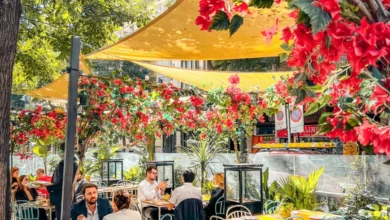
Madrid’s food culture is deeply tied to its market history. The Mercado de San Miguel, constructed in 1916, represents the shift from traditional neighborhood marketplaces to modern, high-end gastronomic hubs. While historically a place for raw ingredient distribution, the current iteration serves as a prime example of urban revitalization, attracting a diverse demographic of local residents and international tourists. The nearby La Latina district provides a contrasting experience, defined by the historic "tapas crawl" tradition—a social practice rooted in the 19th-century custom of covering drinks with small plates of food to prevent flies from entering.

Day Three: Royal Legacy and Green Spaces
The Royal Palace of Madrid, or Palacio Real, is the largest functioning royal palace in Western Europe, with over 135,000 square meters of floor space and 3,418 rooms. While the current royal family resides at the Palace of Zarzuela, the Palacio Real remains the official residence for state ceremonies. The adjacent Almudena Cathedral, though consecrated in 1993, serves as a significant site of religious and architectural interest, blending Neo-Gothic and Neoclassical elements.

Day Four: Historical Introspection
The fourth day involves engaging with the city’s religious and ancient history. The Monastery of Las Descalzas Reales and the Royal Monastery of La Encarnación are repositories of significant ecclesiastical art. Furthermore, the Temple of Debod—a genuine Egyptian temple dating back to the 2nd century BC—was dismantled and rebuilt in Madrid in 1972 as a gesture of gratitude from the Egyptian government for Spain’s assistance in saving the Abu Simbel temples. This site is currently under observation for conservation, reflecting the city’s ongoing commitment to preserving international artifacts.

Day Five: Modern Urban Planning and Leisure
The final day focuses on Casa de Campo, a public park five times the size of New York City’s Central Park. Originally a royal hunting estate, it was opened to the public in 1931. It serves as a vital "green lung" for the city. Contemporary urban planning in Madrid increasingly focuses on balancing such large-scale green spaces with the densification of historic neighborhoods like Las Salesas, which has seen a resurgence in artisanal retail and boutique commerce over the last decade.

Economic and Sociological Impact of Tourism
The tourism sector remains a primary pillar of Madrid’s economy. Data provided by the Madrid City Council’s tourism department suggests that the sector contributes approximately 10% to the city’s regional GDP. This influx of capital has driven significant infrastructure improvements, including the expansion of the Madrid Metro and the renovation of historic plazas.

However, the rapid growth of tourism has triggered a broader debate regarding "touristification" and the preservation of local identity. Official responses from the municipal government have included strict regulations on short-term rentals and the implementation of sustainability initiatives aimed at decentralizing tourism away from the heavily saturated central districts. The goal is to encourage visitors to explore lesser-known neighborhoods like Chamberí or Trafalgar, thereby spreading economic benefits more equitably across the city.

Culinary Sustainability and Future Trends
A significant trend in Madrid’s dining scene is the shift toward farm-to-table practices. Restaurants such as Áter and various stalls within the Mercado de Vallehermoso exemplify this movement, focusing on seasonal sourcing and zero-waste initiatives. This evolution is not merely a lifestyle choice but a response to global sustainability mandates. Michelin-starred establishments in Madrid are increasingly aligning their menus with regional biodiversity, prioritizing local suppliers from the Community of Madrid to reduce their carbon footprint.

Analysis of Regional Connectivity
Madrid’s strategic location in the center of the Iberian Peninsula has positioned it as the primary hub for Spain’s high-speed rail network (AVE). This connectivity has transformed the city into a base for day-trips to UNESCO World Heritage cities like Toledo, Segovia, and Ávila. The ease of access provided by the Atocha and Chamartín stations ensures that Madrid functions not just as an independent destination, but as the gateway to the broader Spanish interior.

Conclusion: Navigating a Shifting Metropolis
For the informed traveler, Madrid offers a complex, multi-layered experience that extends far beyond its famous museums. The city’s ability to reconcile its imperial past with the demands of a 21st-century global economy is its defining characteristic. Whether through the preservation of the Landscape of Light or the revitalization of its historic food markets, Madrid continues to function as a living archive. Future visitors are encouraged to consult official municipal portals and local cultural channels for up-to-date information regarding events, seasonal accessibility, and preservation guidelines, ensuring a visit that is both culturally enriching and respectful of the city’s ongoing developmental trajectory.

As the city looks toward the next decade, its focus remains firmly on maintaining its status as a top-tier European cultural capital while addressing the infrastructural challenges posed by its popularity. For those who prioritize a deep, fact-based understanding of their destinations, Madrid provides an unparalleled case study in the successful marriage of tradition and modernity.