What Not to Do When Traveling to Uzbekistan: A Comprehensive Guide for International Visitors


Uzbekistan has emerged as a premier destination on the modern Silk Road, drawing an increasing number of international travelers eager to witness its distinct fusion of ancient Persian architecture, Soviet-era urban planning, and a rapidly evolving tourism infrastructure. According to recent tourism data, the country has seen a significant uptick in visitor numbers, particularly from Europe and North America, as the government continues to liberalize visa policies and invest in high-speed rail connectivity between major historic hubs like Tashkent, Samarkand, Bukhara, and Khiva. However, as the nation transitions from an off-the-beaten-path destination to a mainstream tourist hotspot, travelers are often unprepared for the specific logistical, cultural, and practical nuances of navigating this Central Asian state.
Navigating Logistics: The Critical Need for Advance Planning
One of the most persistent misconceptions about traveling to Uzbekistan is the assumption that it requires advanced, expert-level navigation skills. Contrary to the outdated belief that the region is intimidating, Uzbekistan offers a relatively stable and safe environment for tourists. Nevertheless, the infrastructure—while functional—is not designed for last-minute improvisations.
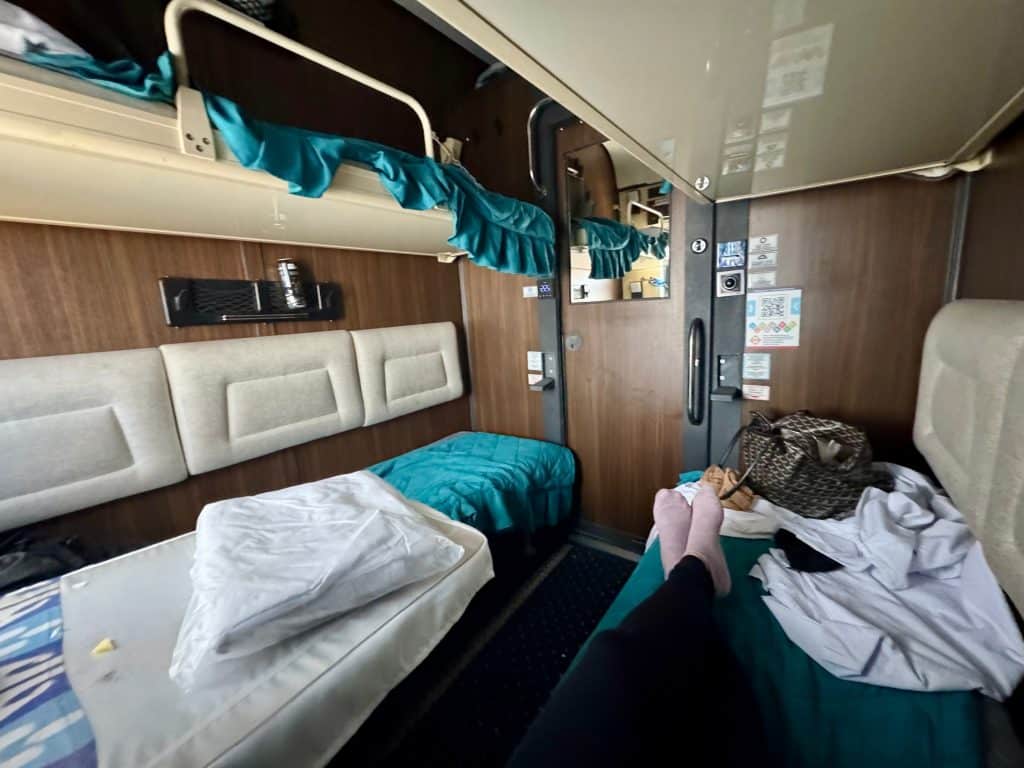
The most critical logistical challenge for visitors is the domestic transportation network. High-speed rail, particularly the Afrosiyab trains that connect the capital of Tashkent to the cultural heart of Samarkand and the ancient center of Bukhara, is in high demand. These tickets often sell out within hours of their release, which typically occurs 45 to 60 days before the scheduled departure. Relying on bus travel as a secondary option is often impractical, as road travel between these cities can take two to three times longer than rail. For international travelers, the most effective strategy is to secure tickets through the official national railway portal, railway.uz, or, if necessary, engage a reputable local travel agency to manage bookings well in advance. While agencies often charge a markup, this cost is frequently balanced by the peace of mind gained from guaranteed transit.
Digital Connectivity and Modern Mobility
In an era where global travelers rely heavily on ride-sharing applications and instant communication, Uzbekistan presents a unique landscape. The "Uber" of the region is Yandex Go, a pervasive app that dominates local transport. It is essential for visitors to download and verify this application with an active phone number before arrival. Yandex Go is not merely a taxi service; it serves as a multi-purpose logistical tool for food delivery and package transport.
Furthermore, relying on public Wi-Fi is inadvisable. Many public networks in the country require a local phone number for authentication, creating an immediate barrier for international visitors. The most efficient solution is the procurement of an eSIM, which provides consistent data access for navigation, digital translation, and communication with local guides via WhatsApp. Consistent data access is not a luxury; it is a vital safety tool, especially when navigating city streets after dark or coordinating with drivers who may not be fluent in English.
Cultural Etiquette and Dress Codes
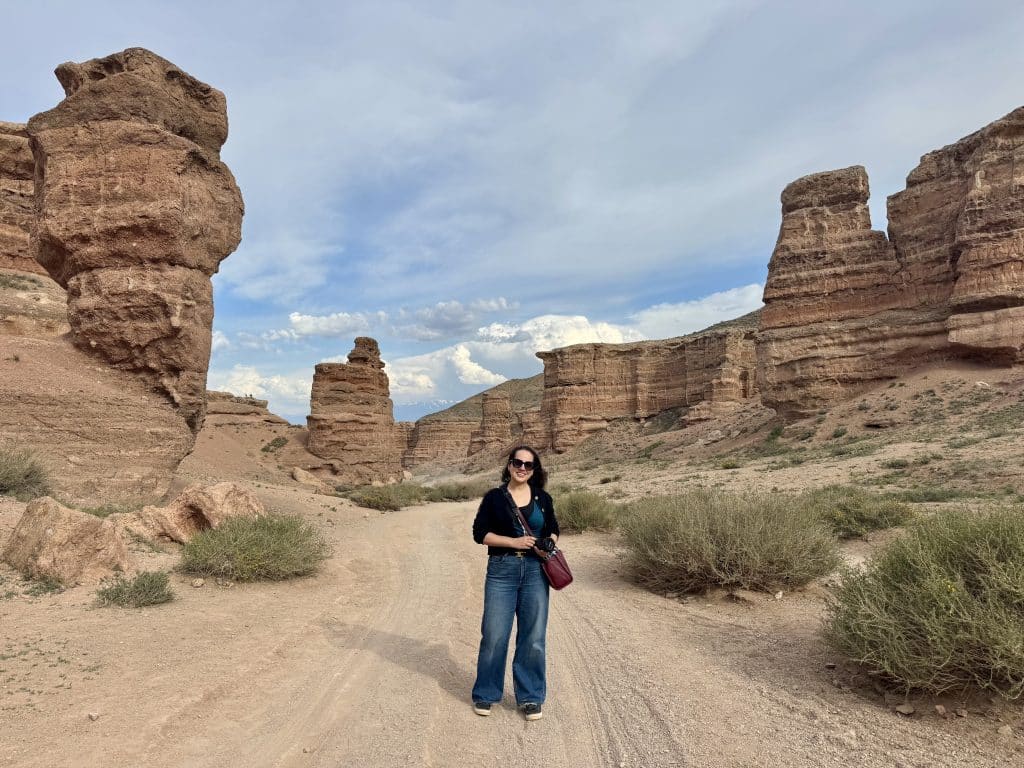
While Uzbekistan is a predominantly Muslim country, the expectations regarding attire are more moderate than in some neighboring nations. There is no legal or customary requirement for female travelers to cover their hair in public spaces, though modesty remains the social norm. The most common pitfall for tourists is the disregard for local sensibilities by wearing overly revealing clothing, such as short shorts, crop tops, or swimwear in non-resort areas.
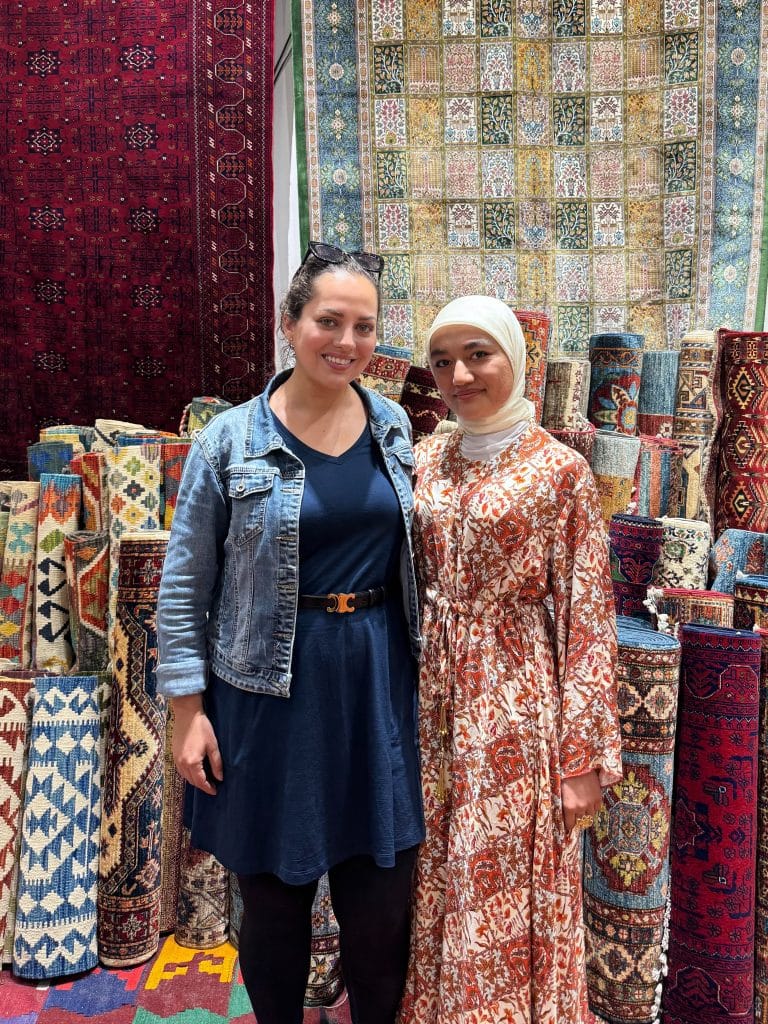
Observation of local women reveals a diverse range of styles, from traditional hijabs and long dresses to modern, Western-influenced business attire. However, across all demographics, the avoidance of exposed cleavage or midriffs is standard. Men are similarly advised to avoid shorts and tank tops when visiting religious sites or government buildings. Adhering to these norms is not merely a sign of respect but also a practical way to minimize unwanted attention and ensure a seamless travel experience.
Financial Preparedness: The Cash Economy
Despite the country’s modernization, Uzbekistan remains a deeply cash-oriented society. While major hotels and high-end restaurants accept digital payments, daily expenses—ranging from market purchases to taxi fares—almost exclusively require the local currency, the Uzbek Som.
Visitors should anticipate the need for frequent ATM withdrawals. Because ATMs are not ubiquitous outside of major city centers, it is advisable to carry a significant buffer of cash. Furthermore, travelers should be prepared for the physical bulk of local currency; due to current exchange denominations, it is common for a modest withdrawal to result in a large stack of banknotes. Maintaining a daily budget through a tracking application or a simple ledger is recommended to avoid being caught without funds during day trips or rural excursions.
The Myth of the "Five Stans" Tour
Many first-time visitors to Central Asia fall into the trap of attempting a "Five Stans" tour—a fast-paced, three-week itinerary covering Turkmenistan, Uzbekistan, Tajikistan, Kazakhstan, and Kyrgyzstan. This approach is widely discouraged by seasoned travelers and regional experts. The sheer geographical expanse and the logistical hurdles of border crossings mean that such an itinerary leaves almost no time to engage with the actual culture of the region.
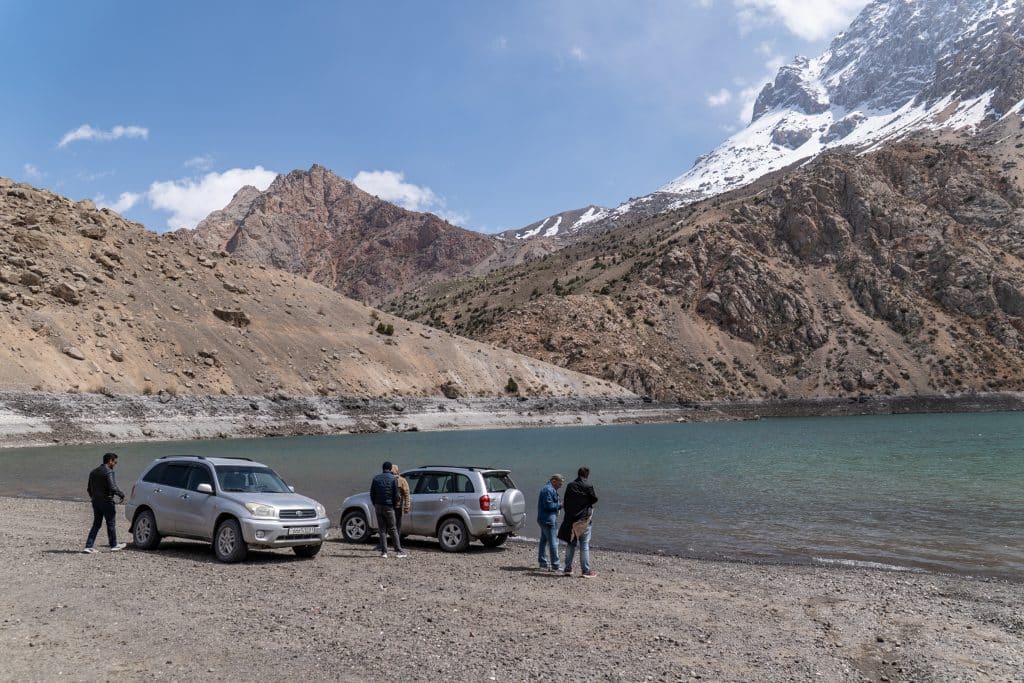
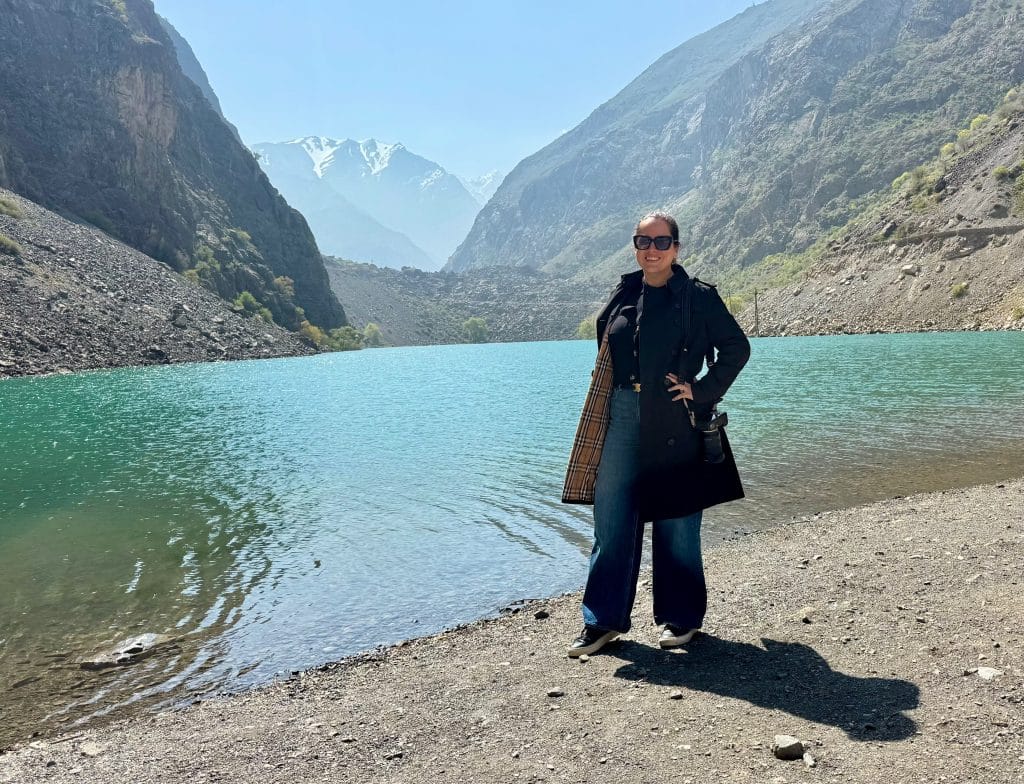
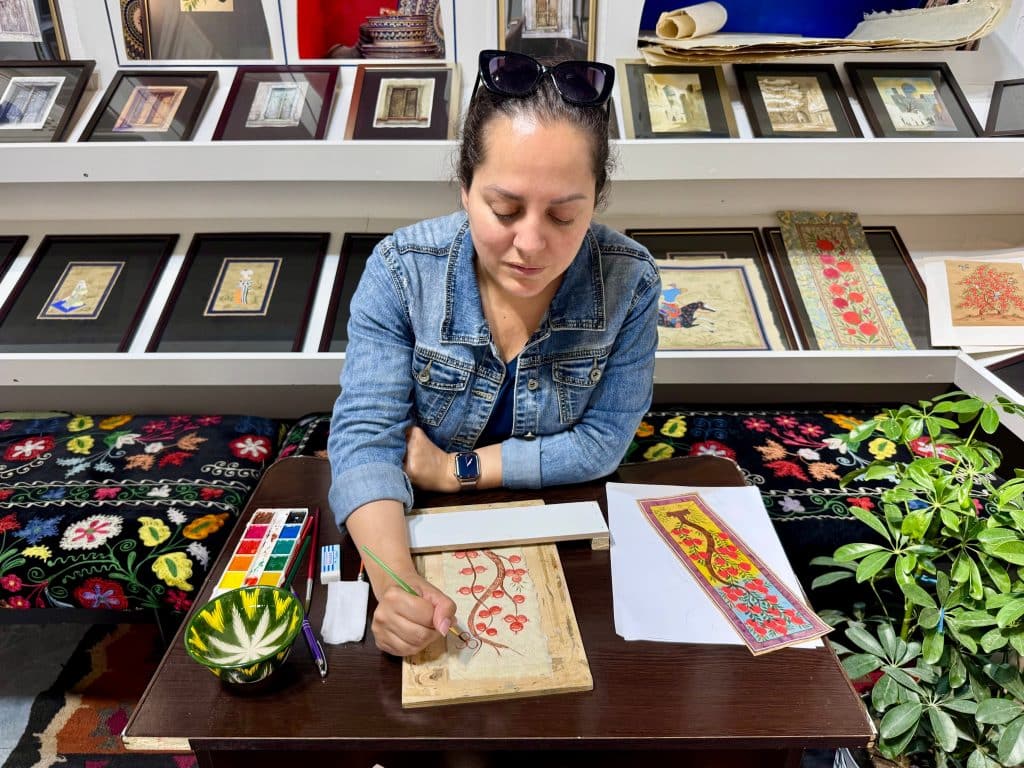
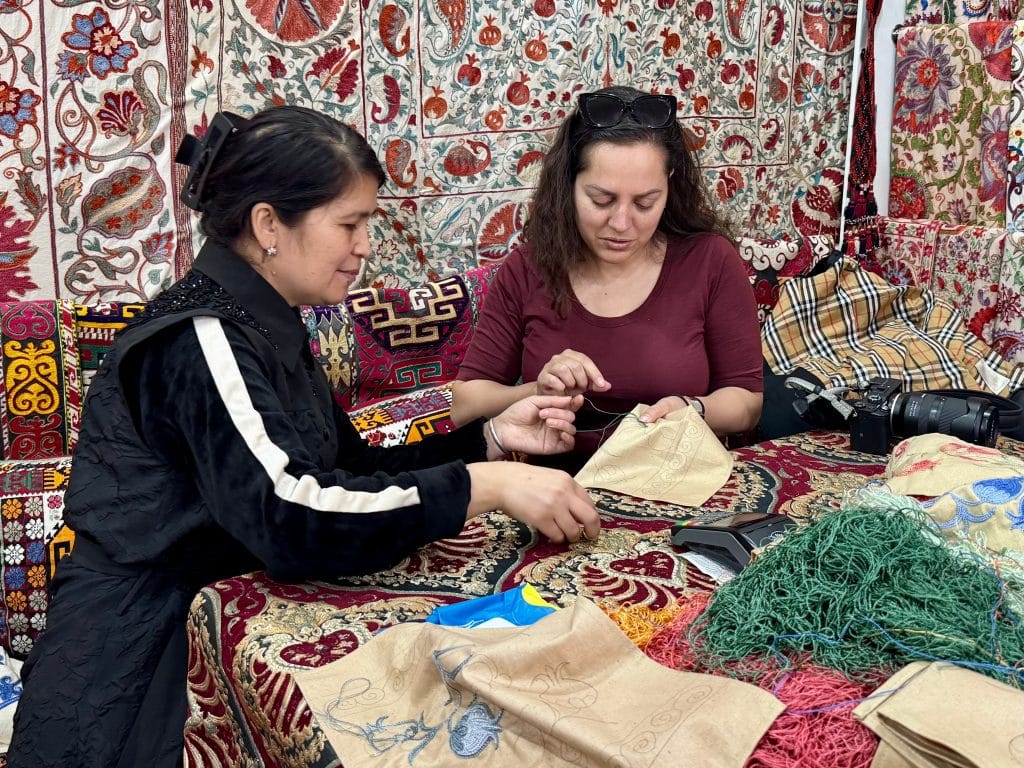
A more balanced approach is to focus on two or three countries at most. For instance, pairing a multi-day trip in Uzbekistan with a short excursion to Tajikistan—which offers easy access to UNESCO World Heritage sites like the ruins of Sarazm—allows for a deeper, more meaningful travel experience. This allows the traveler to move beyond the superficial "sightseeing" phase and actually explore the regional crafts, culinary traditions, and historical depth that define Central Asia.
The Importance of Regional Context: Tashkent and Samarkand
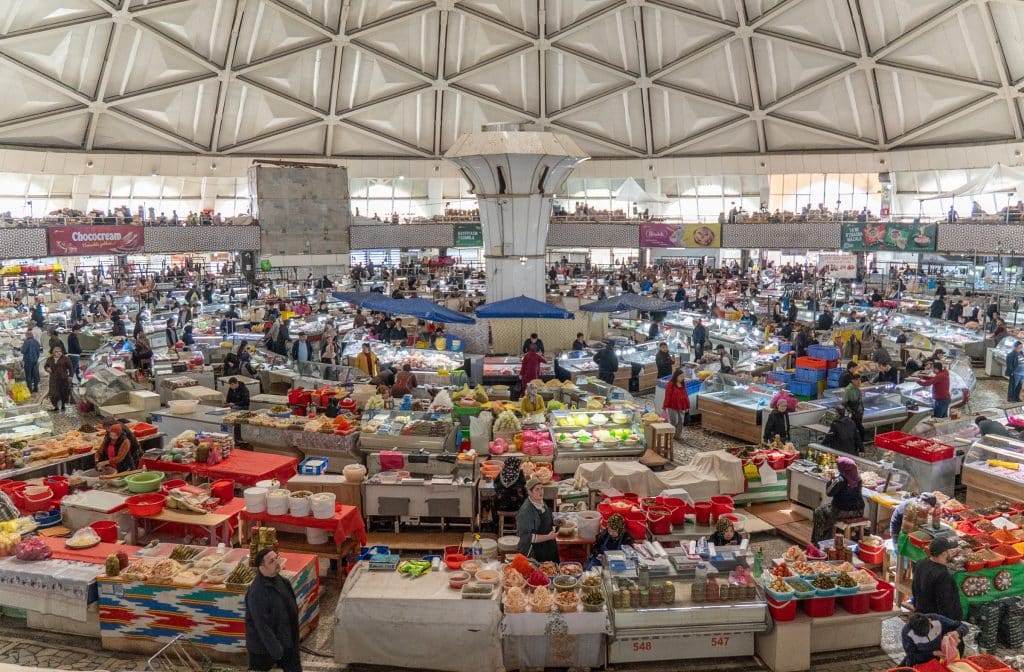
Travelers often make the mistake of bypassing Tashkent, dismissing the capital as a purely administrative or "boring" city. This is a significant oversight. Tashkent serves as the primary gateway for understanding contemporary Uzbek culture. Its metro system, characterized by ornate, Soviet-era architecture, is an attraction in itself, and the city’s markets, such as Chorsu Bazaar, provide an essential look at the daily life of the Uzbek people.
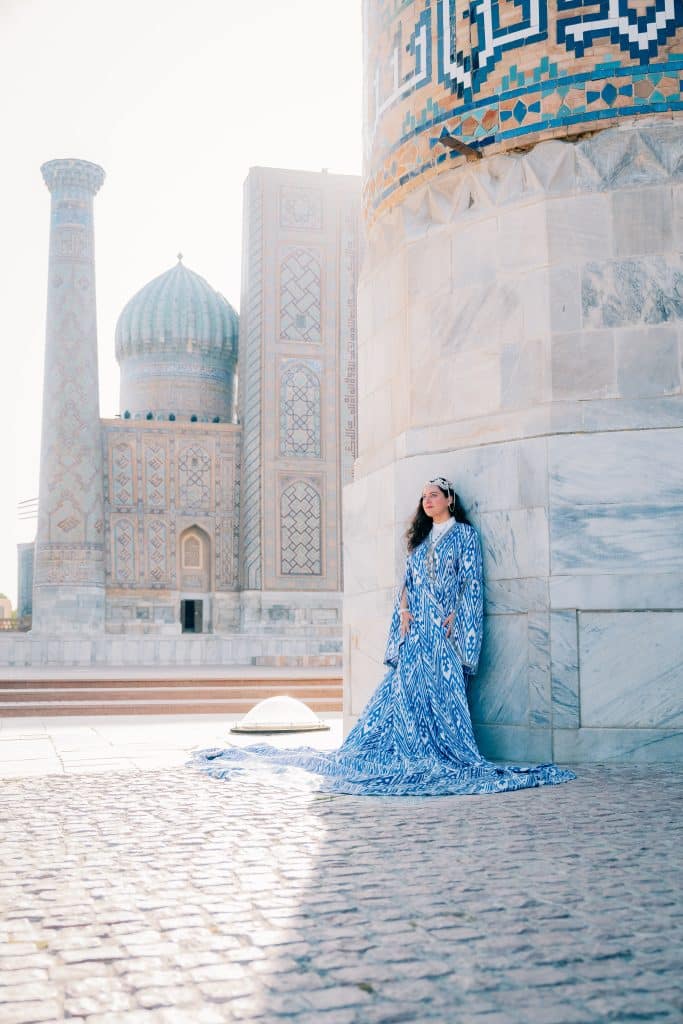
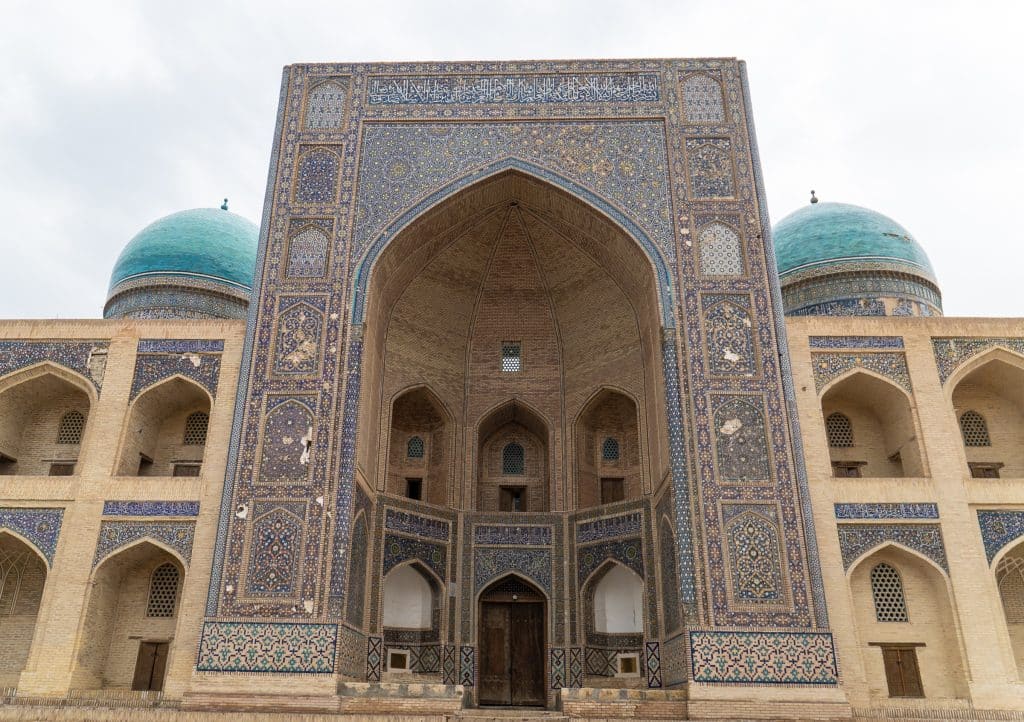
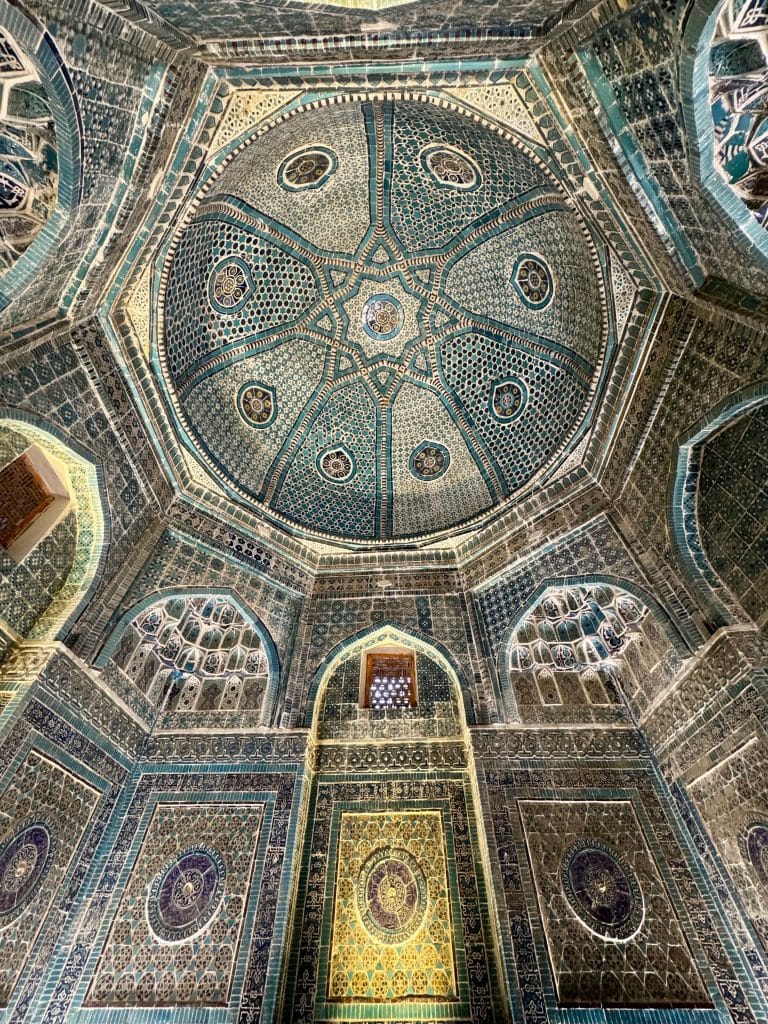
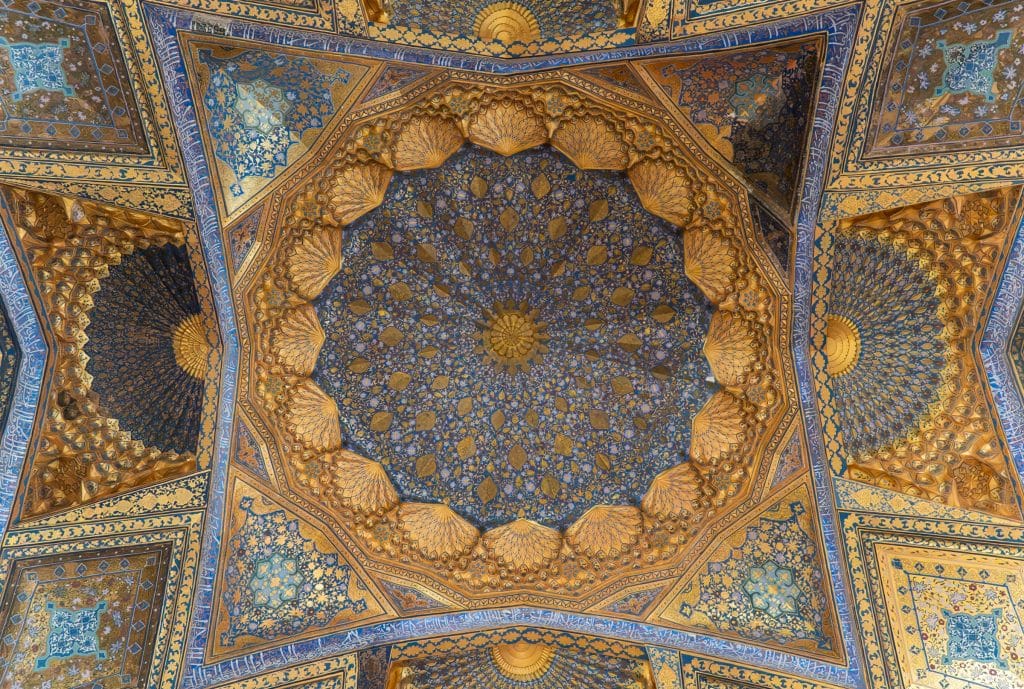
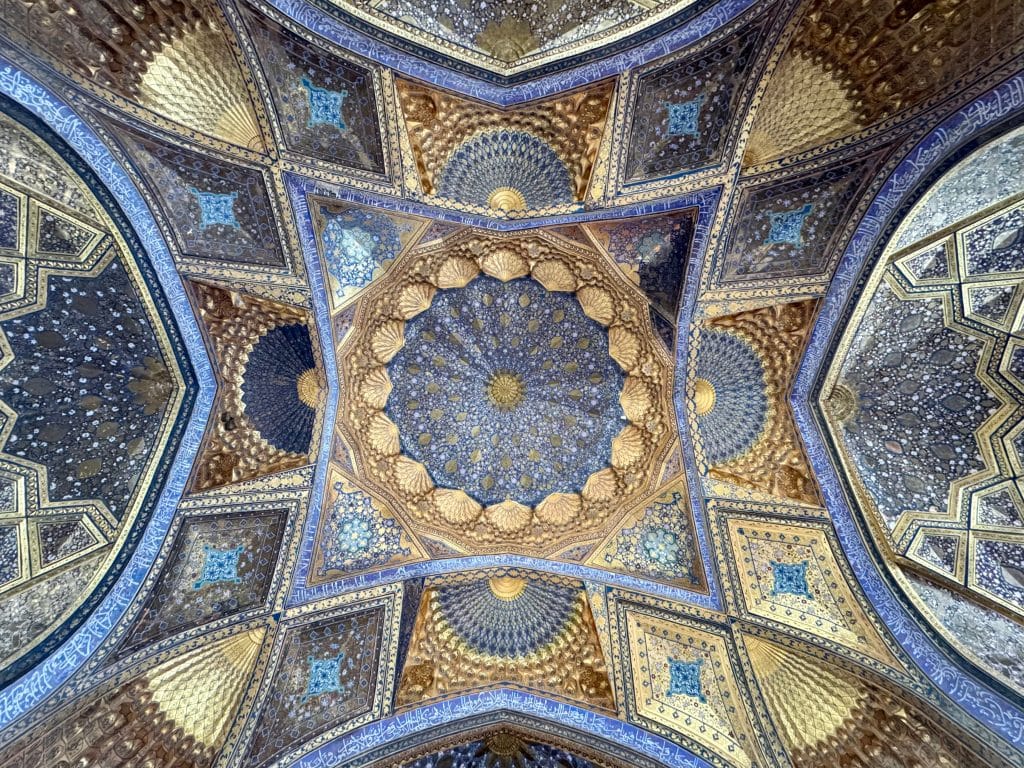
Conversely, Samarkand, while undeniably the architectural crown jewel of the country, is prone to extreme overcrowding. As the "Florence of Central Asia," it can feel like an open-air museum, which may detract from the sense of authenticity some travelers seek. Limiting time in Samarkand to three days is generally sufficient to see the major sites, such as the Registan and the Shah-i-Zinda complex, without becoming overwhelmed by the tourist-heavy atmosphere.
Culinary Exploration Beyond Plov
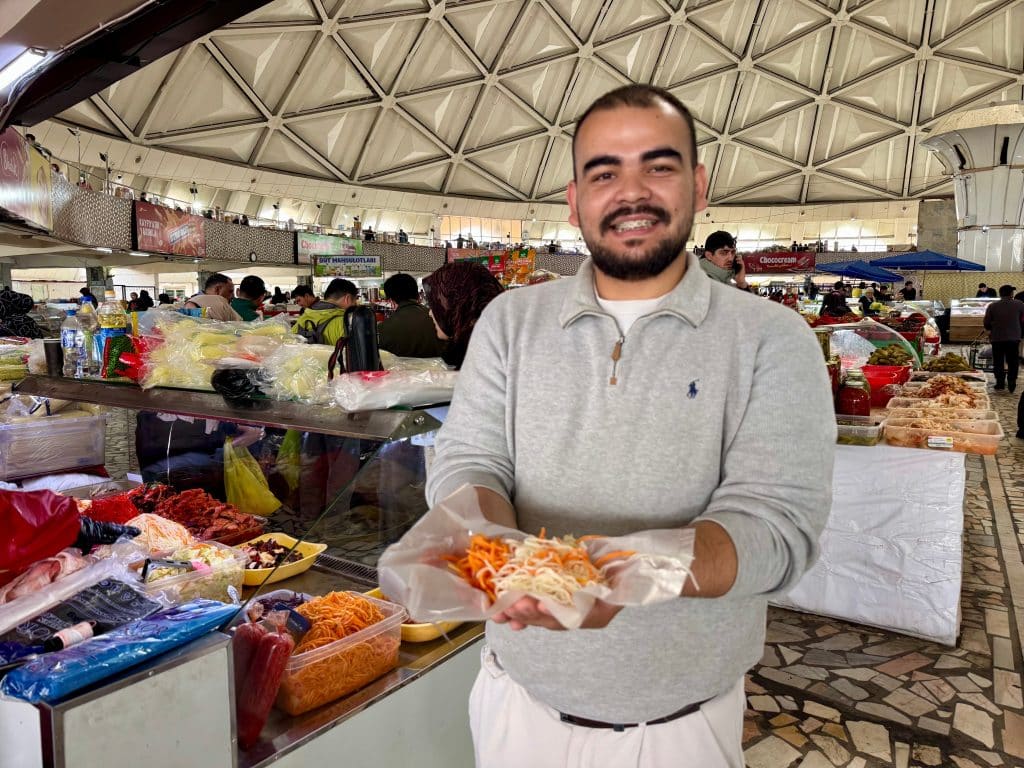
While the national dish, plov—a complex, slow-cooked rice pilaf—is rightfully famous, a visit to Uzbekistan is incomplete without exploring the regional variations of the broader Central Asian diet. Visitors should proactively seek out shashlik (skewered meats), laghman (hand-pulled noodle soup), and shivit oshi (a regional dill-infused noodle dish from the Khiva area). Relying exclusively on plov is a common culinary limitation that misses the breadth of the country’s agricultural and cultural heritage.
Conclusion: A Strategic Approach to Travel
The success of a trip to Uzbekistan depends on the traveler’s ability to balance the country’s ancient history with its modern, albeit idiosyncratic, infrastructure. By avoiding the "checklist" approach to travel, embracing a cash-heavy budget, respecting local cultural norms, and allowing for the slower pace of regional logistics, visitors can move beyond the typical tourist experience. As Uzbekistan continues to open its doors to the world, those who approach the country with patience, preparation, and respect for its unique customs will find a destination that is as intellectually rewarding as it is visually stunning.