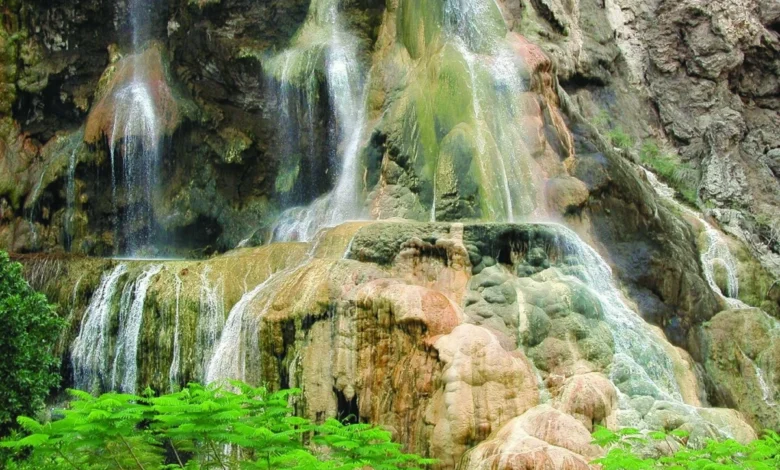
For centuries, the arid landscapes of the Arab world have concealed a geothermal treasure trove, with natural mineral springs serving as vital centers for wellness, community, and physical rehabilitation. From the lush, date-palm-lined wadis of Oman to the limestone-encased pools of the United Arab Emirates and the ancient, legendary oases of Egypt and Morocco, these geothermal sites are experiencing a resurgence in popularity. As modern travelers increasingly prioritize wellness-oriented tourism, these sites are being integrated into a broader framework of international health and hospitality, offering a unique intersection of ancient tradition and contemporary spa infrastructure.
The Historical Significance of Thermal Bathing
The utilization of mineral-rich water in the Middle East and North Africa (MENA) region predates modern medicine. Ancient civilizations, including the Romans, Persians, and various Bedouin tribes, viewed these springs as sacred spaces capable of curing ailments ranging from dermatological issues to chronic musculoskeletal pain. Archaeological evidence suggests that many of these sites were formal trade route waypoints, where merchants and travelers would pause not only to hydrate but to treat the physical rigors of long-distance desert travel.
The therapeutic efficacy of these waters—typically rich in sulfur, magnesium, calcium, and sodium—is rooted in balneology, the scientific study of medicinal bathing. The chemical composition of these springs often allows for the absorption of minerals through the skin, while the elevated temperatures induce vasodilation, increasing blood flow and accelerating the body’s natural detoxification processes.
A Geographic Survey of Premier Thermal Destinations
1. Khatt Hot Springs, United Arab Emirates
Situated in the emirate of Ras Al Khaimah, the Khatt Hot Springs are defined by their unique geological origin. Emerging from deep-seated limestone substrates, the water maintains a consistent temperature of 104°F (40°C). Recent infrastructural investments have transformed the site from a localized attraction into a sophisticated wellness destination. By pairing the natural mineral flow with modern luxury hotel facilities, the emirate has effectively bridged the gap between traditional curative practices and the high-end service expectations of international luxury tourists.
2. Moulay Yacoub Hot Springs, Morocco
Morocco’s thermal heritage is perhaps the most extensive in North Africa, with over 100 documented thermal springs. The Moulay Yacoub facility, located 12 miles from the historic city of Fez, is a cornerstone of the nation’s health tourism sector. The water here is hyper-thermal and heavily mineralized, characterized by high concentrations of sulfur and sodium. Medical data from regional clinics often suggests that the waters of Moulay Yacoub remain a primary alternative therapy for patients suffering from chronic rheumatism and ENT (ear, nose, and throat) inflammation.
3. Ma’in Hot Springs, Jordan
The Ma’in Hot Springs (Hammamat Ma’in) represent a dramatic geological phenomenon. Located in the Madaba region, these springs originate from rainfall that percolates through basaltic mountain tops, heating deep underground before erupting in a series of waterfalls. Positioned near the Dead Sea, Ma’in benefits from a micro-climate that has turned it into a year-round destination. The site serves as a vital case study in sustainable tourism, as the facility manages to balance high-volume visitor traffic with the preservation of the delicate, mineral-rich ecosystem of the cascades.
4. The Siwa Oasis, Egypt
The Siwa Oasis stands as an anomaly in the Great Sand Sea. Famous for the Cleopatra Spring, this site has been a nexus of Mediterranean and Saharan cultures for millennia. Unlike the volcanic-heated springs of the Levant, the Siwa springs are often characterized by their deep, artesian well origins. The cultural impact of Siwa cannot be overstated; it remains one of the few places in the world where the ancient tradition of natural spring bathing has remained largely uninterrupted by industrialization, offering a window into the historical routines of North African life.
5. Ad-Dal’a and Al-Jubah, Saudi Arabia
The Kingdom of Saudi Arabia has recently placed a strategic emphasis on its natural landmarks as part of the Vision 2030 initiative. The Ad-Dal’a hot spring, with its 98-foot depth, provides a dramatic example of the region’s geological complexity. Similarly, the Al-Jubah springs in the Wadi Ad-Dawasir valley have been upgraded to include modern, accessible pool facilities. These developments are not merely cosmetic; they represent a concerted effort by the Saudi government to map and protect the country’s natural hydro-geological assets, creating a standardized experience for both domestic and international wellness seekers.
6. Korbous Hot Springs, Tunisia
Perched on the edge of the Gulf of Tunis, the Korbous springs provide a Mediterranean perspective on thermal bathing. With temperatures reaching up to 140°F (60°C), these springs are among the hottest in the region. The proximity to the capital, Tunis, makes Korbous a critical site for regional health tourism, attracting visitors who rely on the water’s specific mineral profile to manage arthritis and respiratory conditions.
7. Nakhal Hot Springs, Oman
Known locally as Ain Al Thawarah, the Nakhal springs are situated at the foot of the Silud Mountain. The site is a testament to the Omani approach to landscape management, where the hot, mineral-heavy water is channeled through traditional irrigation systems (aflaj) to sustain date palm groves before settling into public bathing areas. The proximity to the 17th-century Nakhal Fort provides a distinct historical context, anchoring the visitor’s experience in the architectural and natural history of the Sultanate.
Data-Driven Analysis of Wellness Tourism
The global wellness tourism market is currently valued at over $800 billion, with the Middle East emerging as one of the fastest-growing regions for "spa and hot spring" travel. Industry reports indicate that travelers visiting the MENA region for wellness purposes stay 40% longer and spend 60% more on average than standard leisure travelers.
The implications of this are significant. Governments in the region are increasingly viewing geothermal sites as "economic anchors." By developing infrastructure around these natural resources, nations are effectively diversifying their tourism portfolios, moving away from purely sun-and-sand or city-break models toward a more sustainable, high-value, and year-round medical tourism model.
Expert Perspectives and Safety Considerations
Public health experts emphasize that while thermal springs offer clear benefits—such as increased circulation and muscle relaxation—they require careful management. Microbiological monitoring is essential to ensure that the mineral-rich environments remain free of pathogens. Furthermore, the integration of formal health guidelines at these sites—such as those found at the Ma’in or Khatt facilities—ensures that visitors are informed of the potential cardiovascular impacts of high-temperature immersion.
"The resurgence of interest in these ancient springs is not merely a trend; it is a return to fundamental health practices," notes a representative from a regional tourism development board. "We are seeing a convergence where the desire for ‘slow travel’ aligns perfectly with the restorative nature of our geothermal assets. Our goal is to maintain the authenticity of the experience while meeting international safety and luxury standards."
Future Outlook and Sustainability
The primary challenge facing these sites is environmental preservation. The extraction of water for commercial spas must be strictly regulated to prevent the depletion of aquifers. Several regional authorities have begun implementing long-term monitoring programs to ensure that the flow rates and mineral concentrations remain consistent.
As the Arab world continues to modernize its tourism infrastructure, the focus is shifting toward "integrated wellness." This involves the combination of thermal bathing with other regional health practices, such as traditional herbal therapies, desert climate therapy, and organic, locally-sourced nutrition.
By analyzing the current trajectory, it is evident that the Arab world’s network of hot springs is entering a new era. What was once a collection of local secrets or rustic bathing spots is being transformed into a sophisticated, multi-national wellness circuit. For the traveler, this offers a unique opportunity to engage with a practice that has spanned human history, providing a rare moment of stillness in an increasingly fast-paced global landscape. Whether in the desert heat of Saudi Arabia or the lush valleys of Oman, the healing waters of the Arab world remain a testament to the enduring power of nature as a source of physical and spiritual restoration.