A Rare Global Spectacle: Southern Lights Illuminate New Zealand Skies in Historic Aurora Display

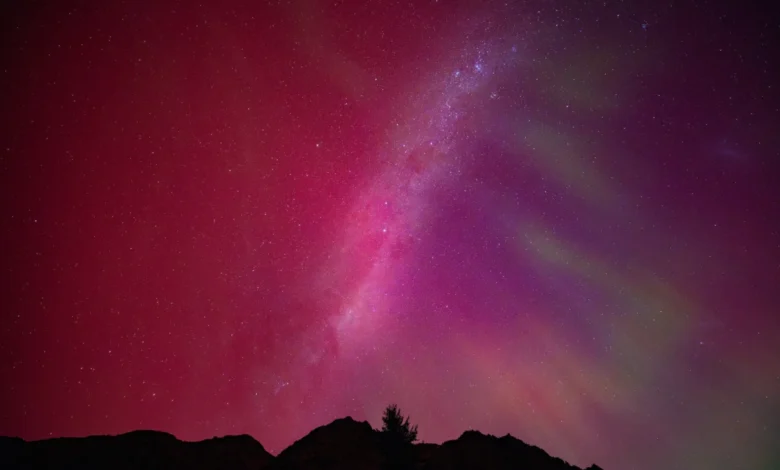
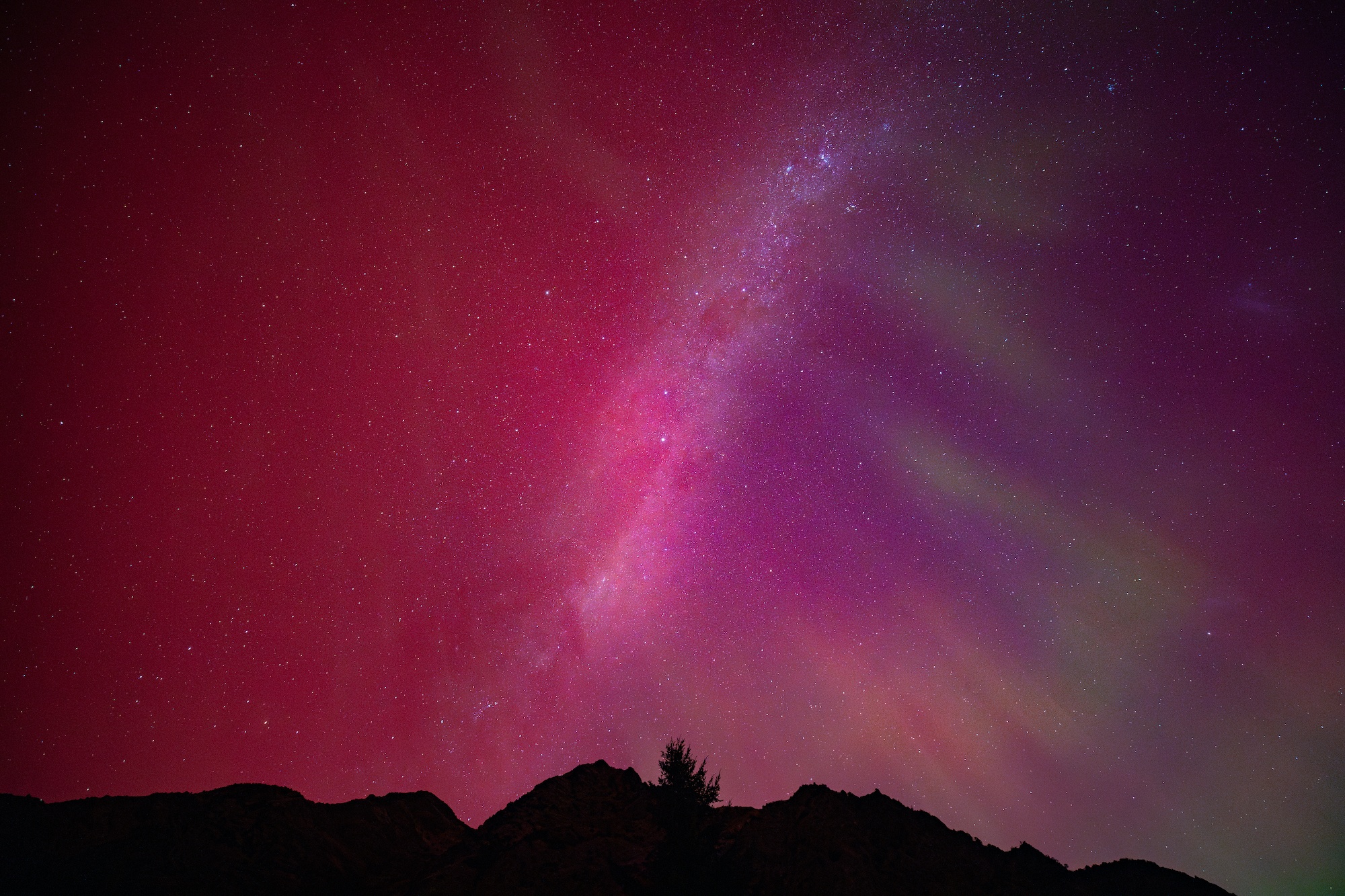
A combination of severe geomagnetic activity produced an extraordinary celestial event over the weekend, lighting up the night sky across New Zealand with vibrant displays of the aurora australis. Residents and astrophotographers across the country observed a rare phenomenon that extended far beyond the traditional southern horizon, blanketing the nation in colors typically reserved for higher polar latitudes. The event, which coincided with the onset of the Southern Hemisphere’s winter, was part of a broader global geomagnetic storm that captivated observers worldwide.

Main Facts of the Geomagnetic Storm
The weekend’s light display was triggered by a series of coronal mass ejections (CMEs) erupting from the sun, directed toward Earth. These solar particles collided with the Earth’s magnetosphere, creating intensified geomagnetic activity classified by space weather agencies at high storm levels.
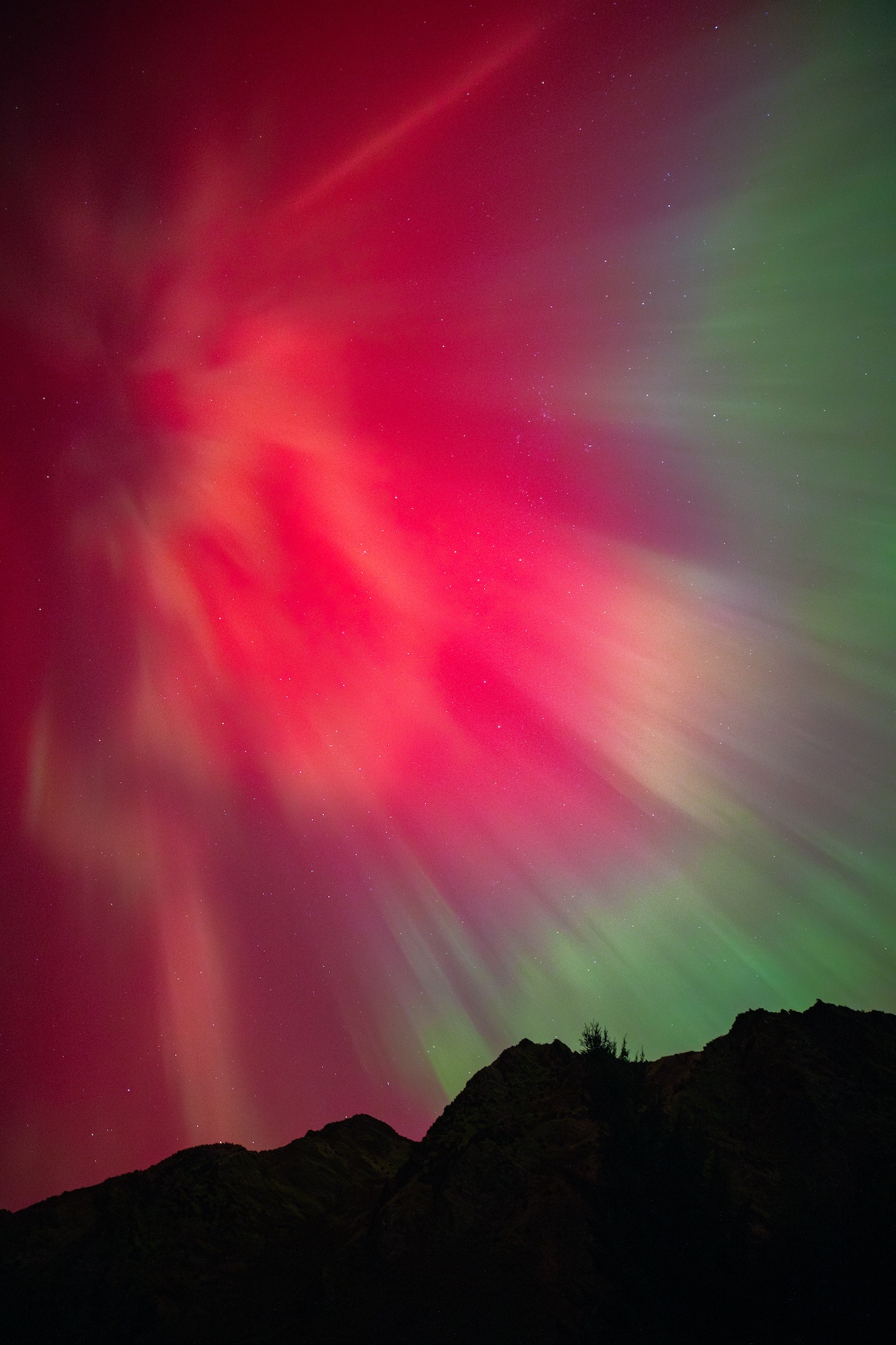
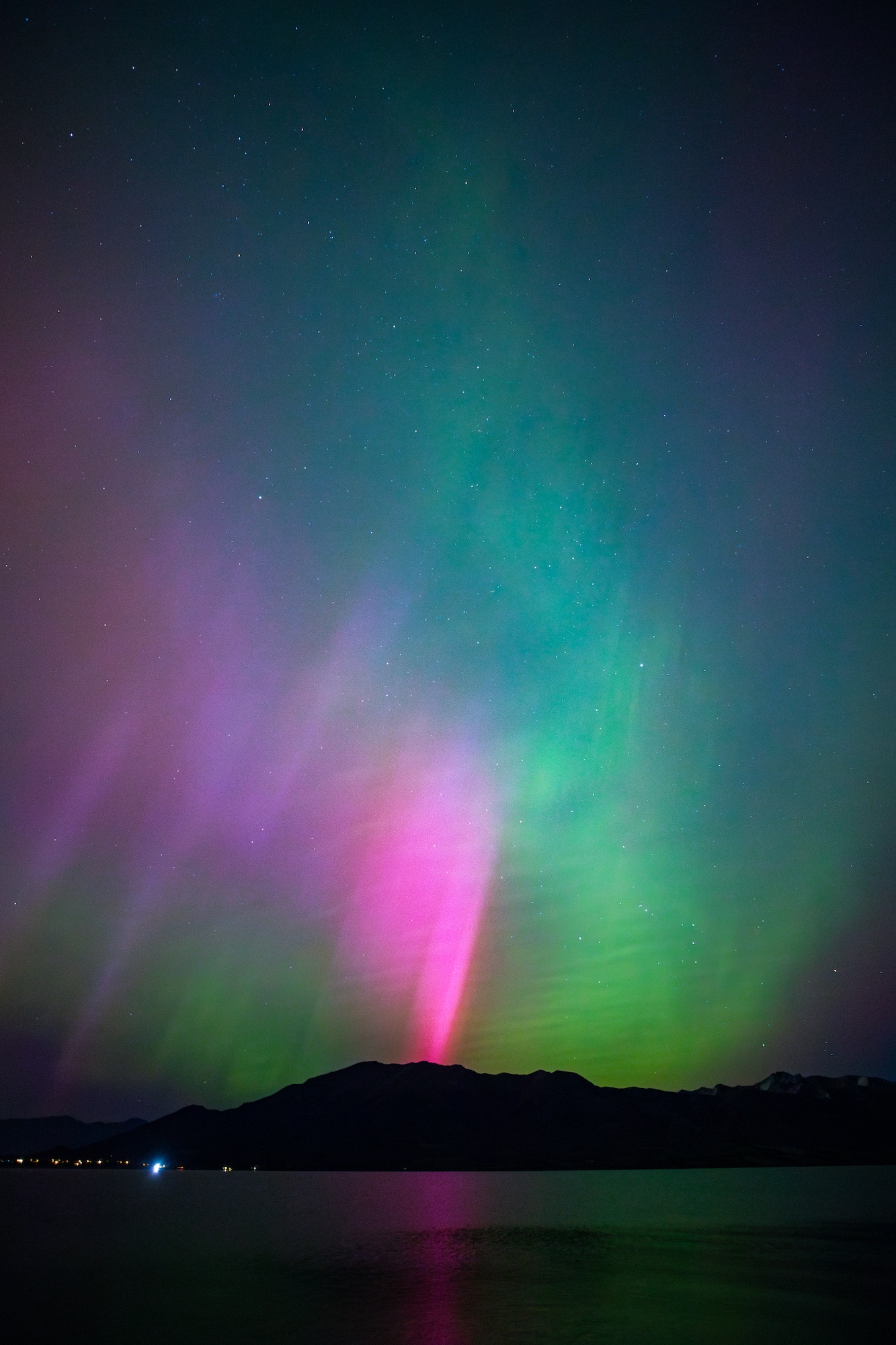
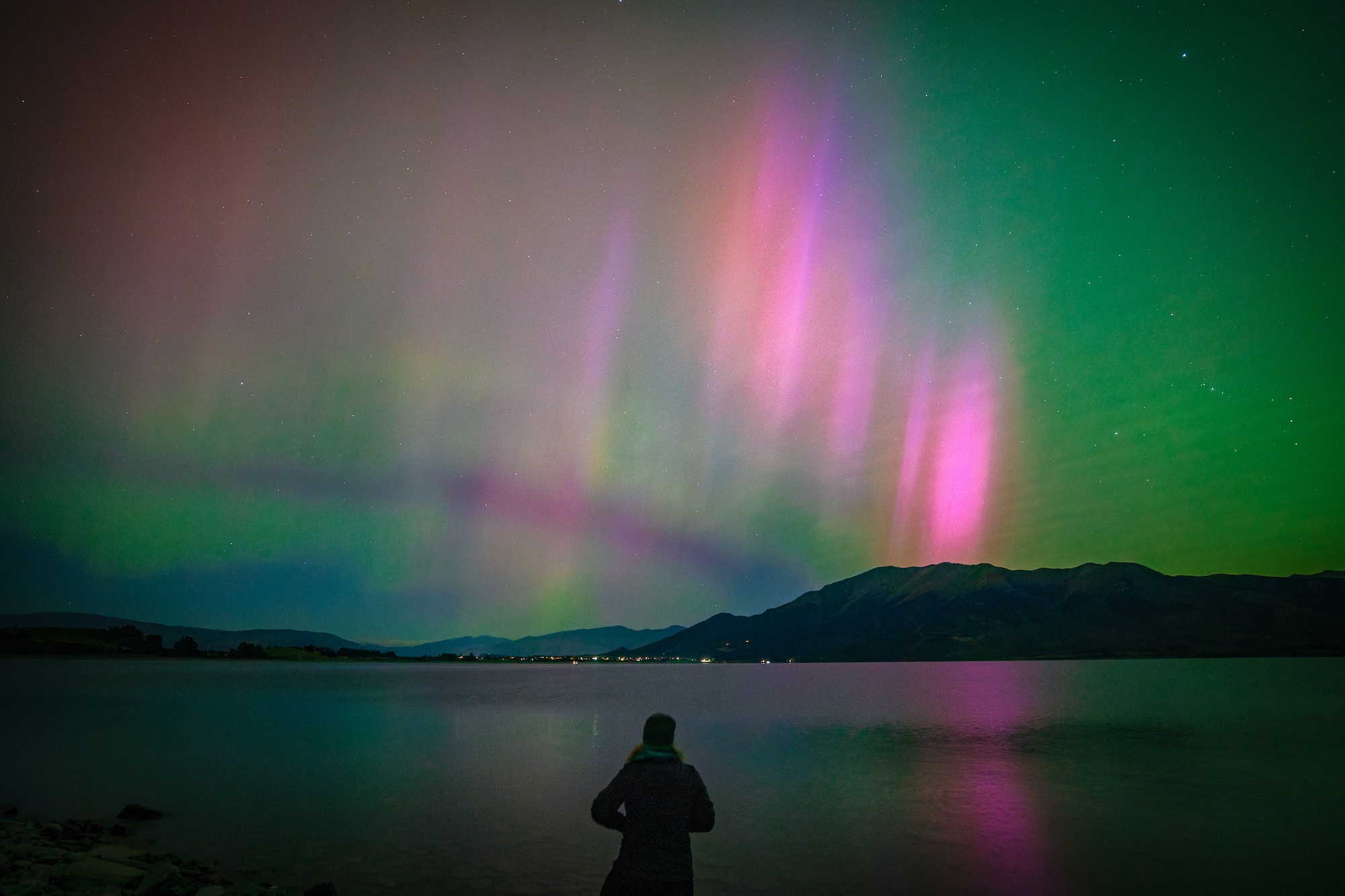
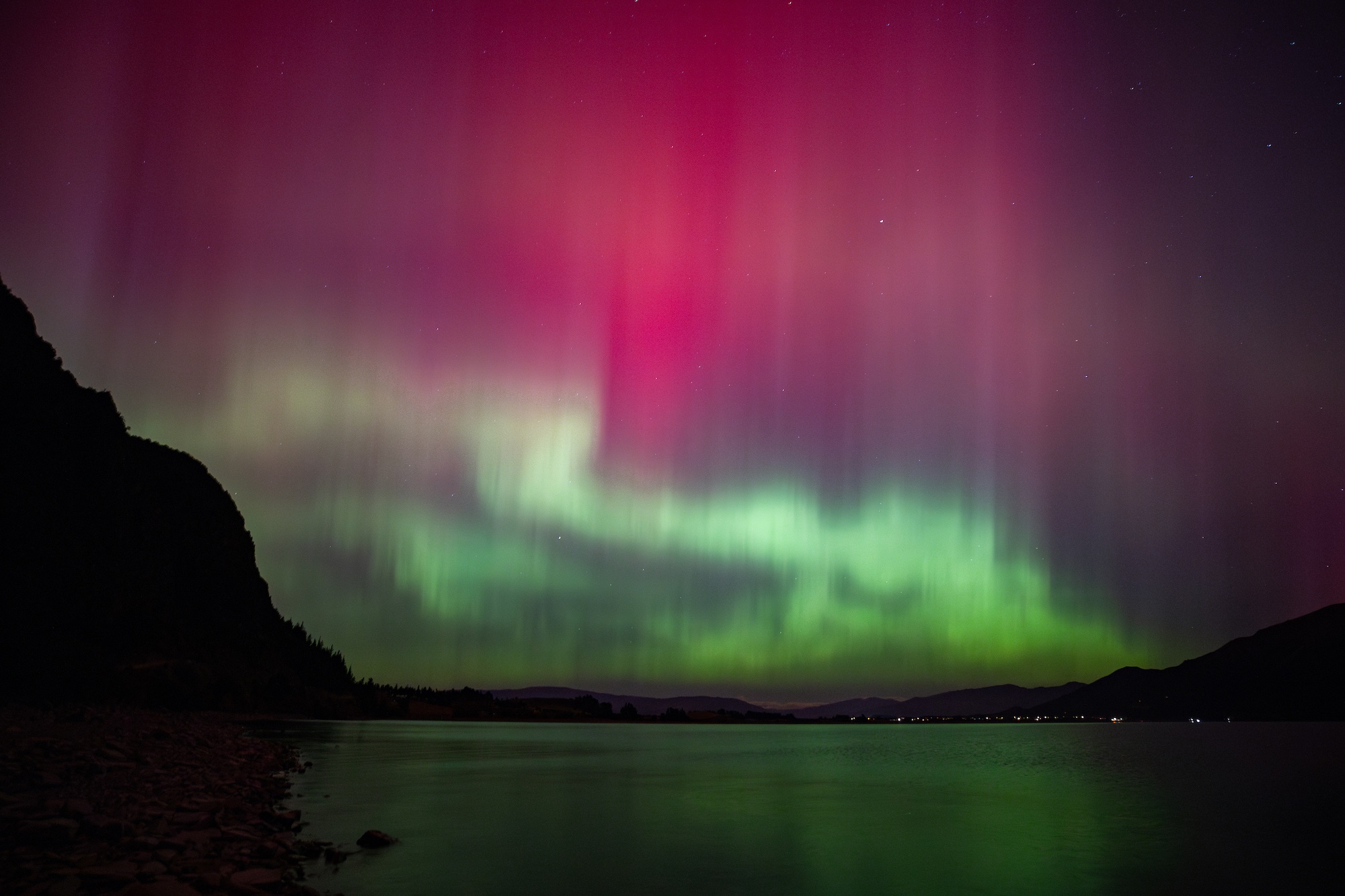
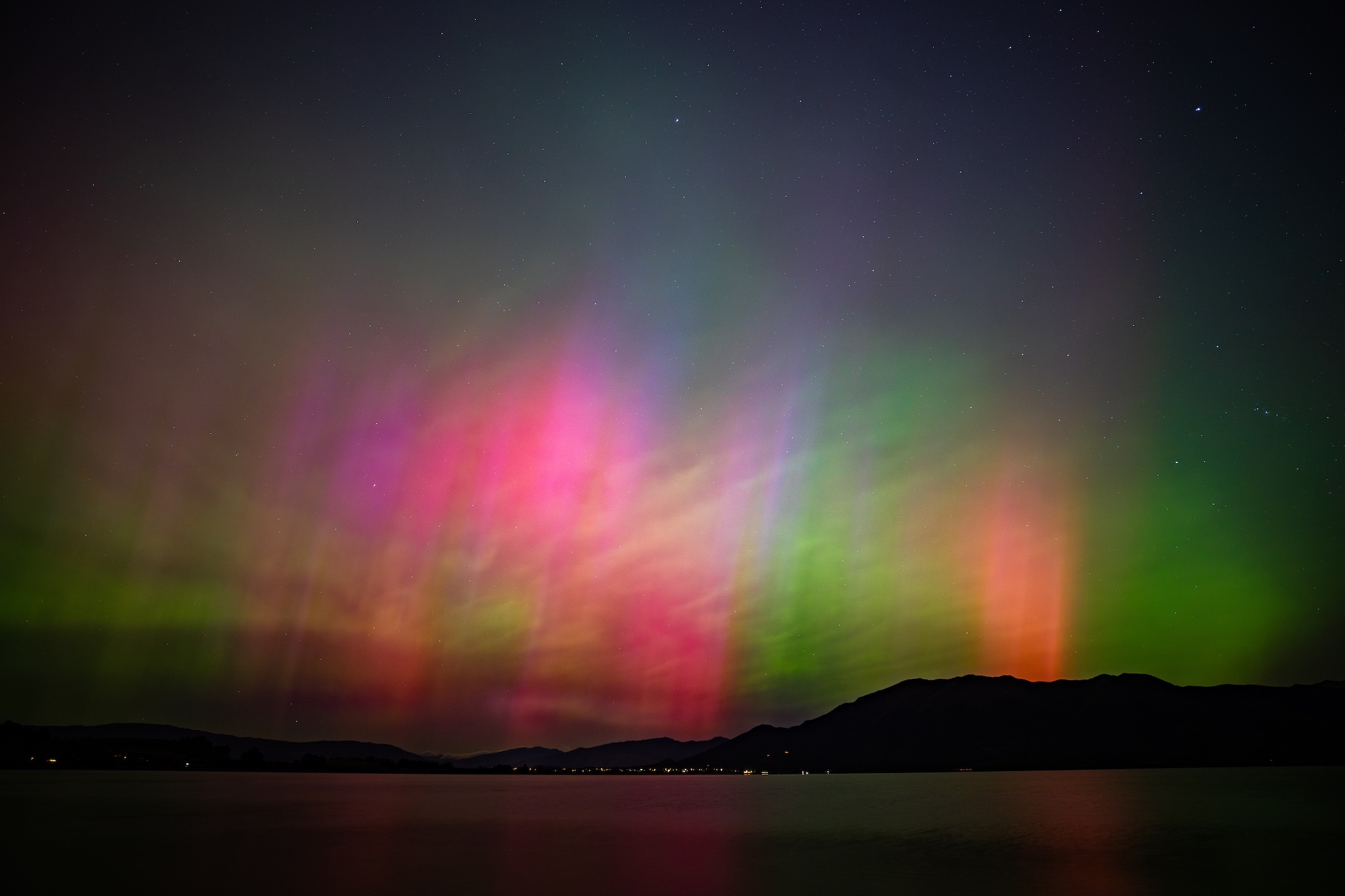
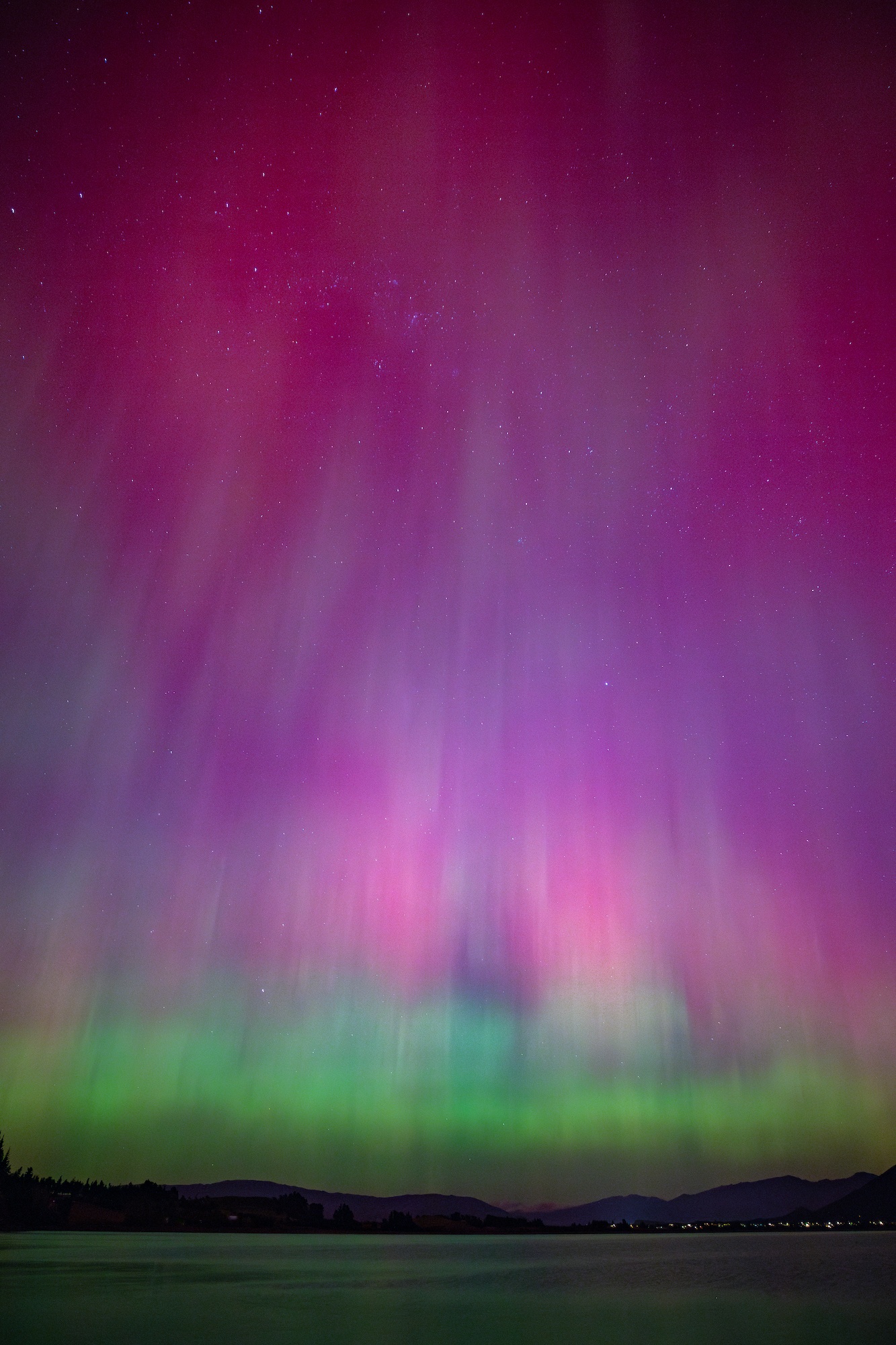
In New Zealand, where geographic latitudes generally limit naked-eye visibility of the Southern Lights to a faint glow on the southern horizon, Saturday night’s display shattered expectations. Observers reported vivid pillars of red, green, and purple light stretching directly overhead. Unlike typical southern auroras that require long-exposure photography to capture muted hues, this storm produced luminosity intense enough to be clearly documented using standard consumer smartphones.
The drop in temperatures—characterized by early seasonal frosts across Central Otago and the Southern Lakes district—provided the clear atmospheric conditions necessary for optimal viewing. Minimal cloud cover across the South Island created a stark contrast against the luminous night sky, amplifying the visual impact of the event.
Chronology of the Event
The escalation in solar activity began days prior to the weekend, with solar monitoring stations detecting intense sunspot activity and subsequent CMEs. By late Friday, preliminary alerts were issued by space weather prediction centers regarding potential geomagnetic disruptions.
On Saturday evening, as temperatures plummeted below freezing and frost settled on vehicles in regions such as Lake Hāwea and Wanaka, the initial indicators of the aurora began to materialize. By midnight, the intensity escalated rapidly. Observers noted that the auroral oval expanded significantly equatorward, pushing the visibility boundary much further north than usual.
Unlike fleeting auroral arcs, this display persisted for several hours. Astrophotographers documented continuous movement, with dynamic curtains of light shifting across the entire 360-degree expanse of the night sky rather than remaining confined to the southern quadrant. The active phase peaked during the early hours of Sunday morning before gradually subsiding into a steady, glowing horizon.
Supporting Data and Comparative Context
To understand the rarity of Saturday’s event, meteorological and astronomical context must be considered. Auroras in the Southern Hemisphere are structurally identical to the aurora borealis in the north, yet they are historically more difficult to observe due to global geography.
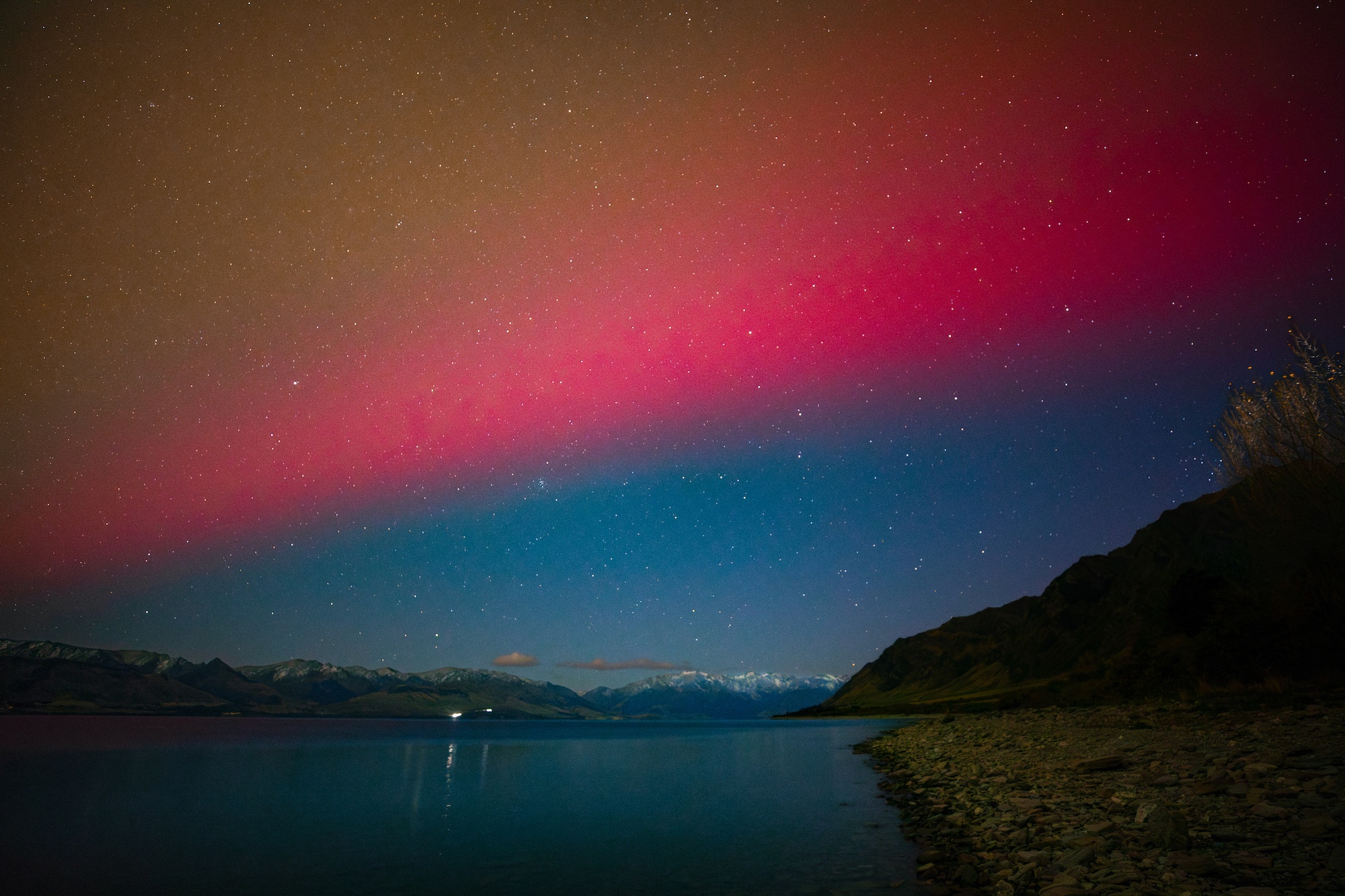
The Arctic Circle sits at approximately 66° N, encompassing populated landmasses in Scandinavia, Iceland, and North America, allowing millions of people frequent access to the Northern Lights. Conversely, the Antarctic Circle at 66° S overlies the uninhabited continent of Antarctica, leaving the sub-Antarctic islands and the southern edges of New Zealand (ranging between 45° S and 47° S) as the primary populated vantage points for the aurora australis.
Under normal geomagnetic conditions (a Kp index of 3 or 4), New Zealand viewers observe faint, low-contrast greens and reds low on the southern horizon. However, geomagnetic storms reaching a Kp index of 8 or 9—similar to historical events like the Carrington Event or the severe storms of May 2024—shift the auroral oval equatorward. During Saturday’s peak, the elevated Kp index allowed the southernmost regions of New Zealand to experience overhead zenith coronas, a phenomenon typically restricted to polar latitudes.
Scientific and Official Responses
Space weather agencies, including the National Oceanic and Atmospheric Administration (NOAA) in the United States and equivalent bodies in Australasia, had issued G4 (Severe) to G5 (Extreme) geomagnetic storm watches in the days leading up to the weekend. These warnings are designed primarily to alert satellite operators, power grid managers, and aviation authorities to potential disruptions in high-frequency radio communications, satellite navigation systems, and electrical infrastructure.
While minor fluctuations in satellite telemetry and radio signal propagation were recorded globally, critical infrastructure largely weathered the storm without significant disruption. Scientific institutions emphasized that such intense solar cycles correspond with the sun’s approaching solar maximum—an approximately 11-year cycle of heightened solar activity that increases the frequency and magnitude of CMEs.
Astronomers and physicists noted that the widespread visibility of the storm offered a unique educational opportunity for the public, sparking renewed interest in space weather monitoring, heliophysics, and night-sky preservation.
Broader Impact and Implications
Beyond the scientific data and infrastructure evaluations, the global nature of the storm created a distinct cultural moment. Simultaneous sightings were reported across diverse global coordinates, bridging vast geographic distances through a shared visual experience. In an era dominated by localized geopolitical and socioeconomic challenges, the planetary scale of the event provided a unifying moment of collective appreciation for Earth’s natural phenomena.
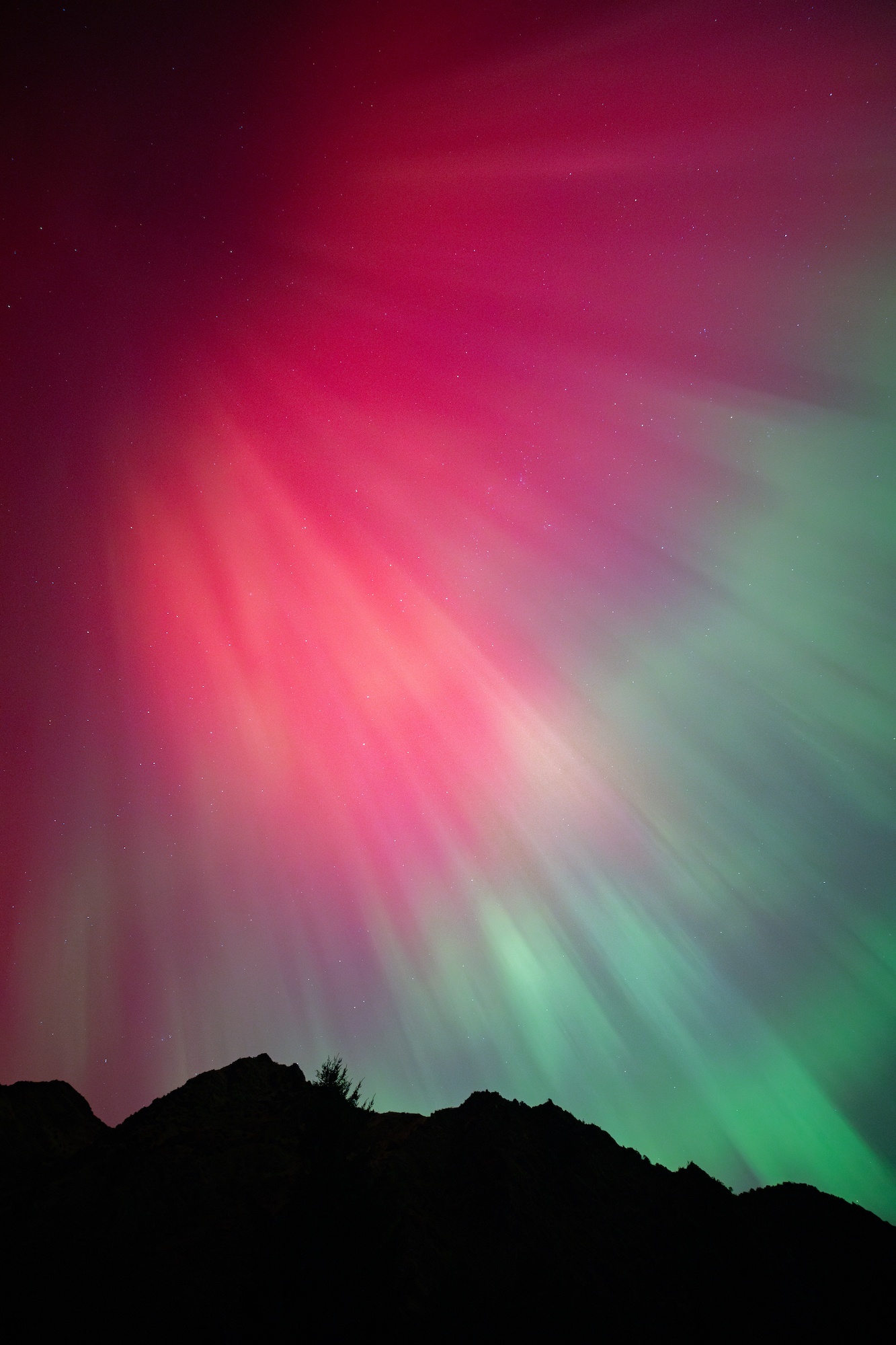
For local communities in New Zealand’s South Island, the influx of clear winter skies and heightened solar activity provided an unexpected boost to astrophotography and astro-tourism. Local experts noted that the accessibility of modern smartphone cameras played a significant role in democratizing the experience, enabling casual observers to document high-definition imagery without specialized professional equipment.
As the current solar cycle progresses toward its peak, scientists anticipate that further geomagnetic disturbances may occur in the coming months, offering additional opportunities for similar displays. However, experts caution that predicting the exact timing, intensity, and geographical reach of future auroras remains as unpredictable as forecasting meteorological phenomena like rainbows, underscoring the unique fortune of those positioned beneath clear skies during Saturday’s historic night.