Exploring London’s Heartbeat: A Comprehensive Guide to the Capital’s Premier Walking Routes

London, a city renowned for its vibrant history, diverse culture, and architectural marvels, offers an unparalleled experience for those who choose to explore its depths on foot. Far beyond merely getting from point A to point B, walking in London is an immersive journey through centuries of heritage, bustling modern life, and serene green spaces. This article delves into a curated selection of the city’s finest walking routes, providing a detailed guide for tourists and locals alike to uncover London’s most iconic landmarks and hidden gems.
The Enduring Appeal of Walking in London
For centuries, walking has been the quintessential way to experience London. From the winding medieval lanes of the City to the grand avenues of Westminster, the capital’s fabric is intimately connected to pedestrian movement. In an era increasingly focused on sustainable tourism and active exploration, London’s extensive network of public footpaths, river embankments, and park trails provides a compelling alternative to conventional sightseeing tours. This approach not only offers a deeper connection with the urban environment but also fosters a sense of discovery, allowing visitors to set their own pace and uncover unexpected delights. The city’s commitment to walkability is evident in ongoing initiatives by Transport for London (TfL) and local councils, which actively promote walking for both leisure and daily commutes, emphasizing its health and environmental benefits.

Hand Luggage Only’s London Landmark Route: A Journey Through Iconic Central London
This meticulously designed route offers an extensive exploration of London’s most celebrated landmarks, stretching from West London’s royal grandeur to the historic banks of the River Thames. Given its considerable length, it is strongly recommended that visitors divide this comprehensive walk into manageable sections, ideally over several days, to fully appreciate each site.

The journey commences in West London, at Kensington Palace. This historic royal residence, once home to Queen Victoria and Princess Diana, offers a fascinating glimpse into royal life and history. Visitors can tour the State Rooms and the stunning gardens. A short, picturesque stroll through the verdant expanse of Hyde Park leads to the Albert Memorial, an ornate Gothic monument commemorating Prince Albert, and the adjacent Royal Albert Hall. This iconic concert venue, a masterpiece of Victorian architecture, regularly hosts world-class performances and offers insightful tours, revealing its rich cultural legacy.
Continuing eastward, the route passes two of London’s most revered museums: the Natural History Museum and the Victoria and Albert Museum (V&A). Both architectural gems are located approximately five minutes from the Royal Albert Hall. The Natural History Museum, with its Romanesque architecture, houses an extraordinary collection spanning botany, entomology, mineralogy, palaeontology, and zoology, including its famed dinosaur exhibits. The V&A, the world’s leading museum of art, design, and performance, boasts a permanent collection of over 2.3 million objects, offering a comprehensive chronicle of human creativity. Entry to these national museums, like many others in the UK, is free, though a full day could easily be spent in each.

Further east lies Harrods in Knightsbridge, an internationally renowned luxury department store synonymous with opulence and bespoke service. From here, the path leads to the Wellington Arch, a grand triumphal arch offering panoramic views of London, Hyde Park, and Buckingham Palace. This segment, from Kensington Palace to the Wellington Arch, constitutes a substantial walk in itself and is often best completed as a distinct section.
The subsequent phase of the Landmark Route connects the Wellington Arch to Buckingham Palace, the official residence and administrative headquarters of the monarch of the United Kingdom. Visitors can admire the palace from The Mall, or for a deeper experience, book a tour of the State Rooms during the summer opening. From the palace, the walk continues to Trafalgar Square, a bustling public space dominated by Nelson’s Column and flanked by the National Gallery, which houses a magnificent collection of Western European paintings from the 13th to the 19th centuries. The adjacent National Portrait Gallery, also free to enter, presents portraits of historically important and famous British people.

The route then weaves through the vibrant entertainment district of Leicester Square, the atmospheric alleys of Chinatown with its authentic eateries, and the elegant shopping thoroughfare of Regent Street. These areas showcase London’s dynamic urban culture and diverse communities. A detour through Oxford Street, one of the busiest shopping streets in Europe, offers a glimpse into London’s commercial heart before heading north to the British Museum. This world-famous institution, free to enter, houses a vast collection of world art and artifacts, including the Rosetta Stone and the Elgin Marbles. A visit here can easily consume several hours or even a full day.
From the British Museum, a pleasant 50-minute walk south leads to Covent Garden, a district celebrated for its market, street performers, and the Royal Opera House. After exploring Covent Garden, the route circles back past Trafalgar Square to Whitehall, the political heart of London, where one can observe Horse Guards Parade and the famous Downing Street, home to the Prime Minister. The path then culminates at the iconic Houses of Parliament and Big Ben, symbols of British democracy and resilience.

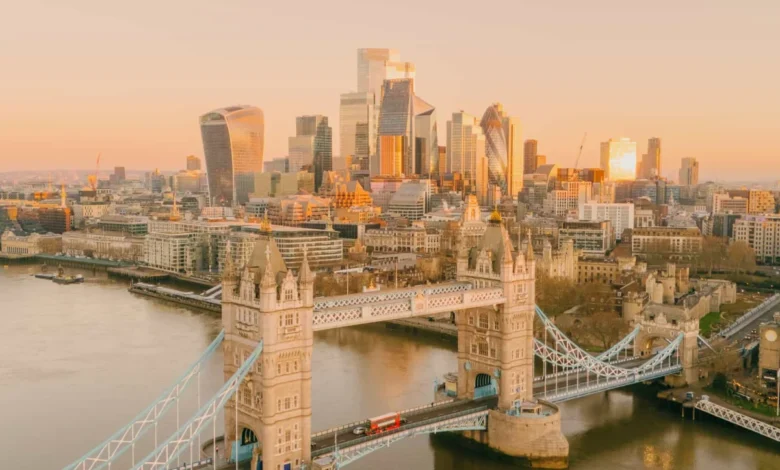
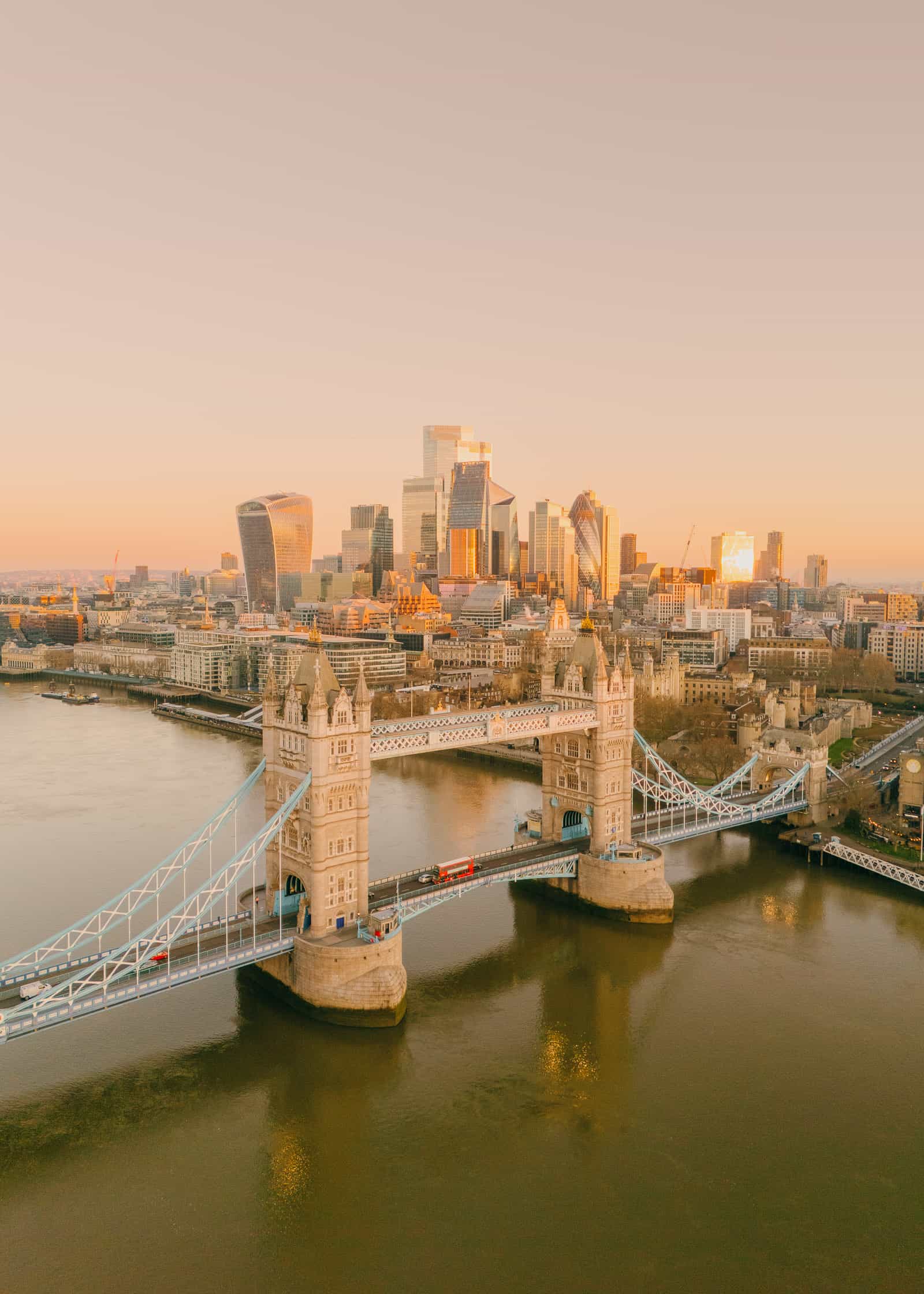
The final leg of this extensive walk crosses the River Thames to the South Bank, home to the London Eye, offering breathtaking panoramic views of the cityscape. The South Bank promenade then guides walkers past cultural institutions like the Tate Modern, a contemporary art gallery housed in a former power station, and Shakespeare’s Globe, a faithful reconstruction of the Elizabethan playhouse. The route concludes at the historic Borough Market, a renowned food market, before reaching the magnificent Tower Bridge and the ancient fortress of the Tower of London, where the Crown Jewels are safeguarded and centuries of dramatic history unfold.
To facilitate navigation, a free Google Maps list (as per the original recommendation) can be invaluable, allowing users to select specific sections and connect points via public transport if time is limited.

Hand Luggage Only’s Regents Canal Walk: A Tranquil Urban Escape
Offering a refreshing contrast to the bustling city streets, the Regents Canal Walk provides a serene journey through a diverse array of London’s neighborhoods, connecting King’s Cross to the picturesque Little Venice. This route, while substantial for a single day, can be enjoyed in sections, revealing the city’s quieter, leafier side.

The recommended starting point is Granary Square, an urban regeneration success story behind King’s Cross Station. This vibrant area, once an industrial hub, now teems with restaurants, independent shops, and public art installations, providing an excellent spot to fuel up before the walk. Following the Regents Canal west, walkers encounter the lively district of Camden, famous for its eclectic markets, alternative fashion, and rich music history. Camden offers a unique blend of counter-culture and commerce, making it an exciting stop for exploration and browsing.
Continuing along the canal, the route passes by the London Zoo, a world-renowned scientific zoo, and the sprawling beauty of Regent’s Park. Both attractions, located on the south side of the canal, are ideal for family visits, especially on sunny days. Regent’s Park itself is one of London’s Royal Parks, featuring extensive gardens, an open-air theatre, and vast sports fields.

The walk culminates in the charming area of Little Venice, an idyllic canal basin where the Grand Union and Regent’s Canals meet. Lined with colorful narrowboats and elegant waterside residences, Little Venice evokes a tranquil, almost continental atmosphere. Numerous cafes and restaurants, such as Cafe Laville, offer perfect spots for relaxation and refreshments, making it a delightful conclusion to a day of urban exploration. A dedicated Google Maps route (as provided in the source) can greatly assist in navigating this scenic path.
Hand Luggage Only’s Central London Circular Walk: A Concentrated City Experience

This circular route is designed for those eager to experience a high concentration of Central London’s iconic sites. Its circular nature allows walkers to join at any convenient point, making it highly flexible. However, like other extensive routes, attempting the entire circuit in one day is not advised due to the sheer volume of attractions and distances involved.
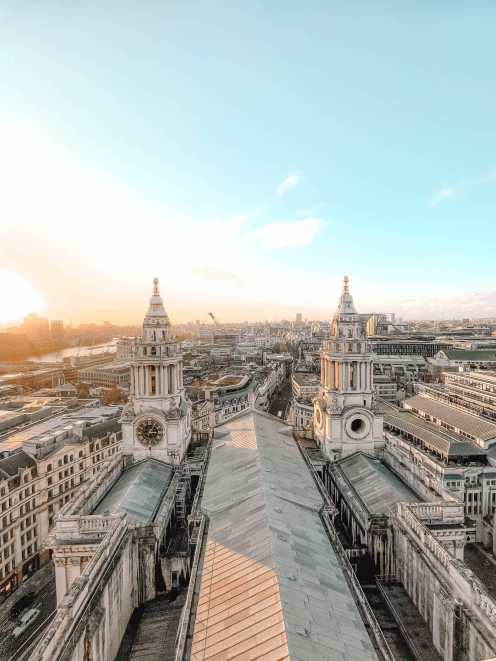
The walk might begin at St Paul’s Cathedral, Sir Christopher Wren’s architectural masterpiece and a symbol of London’s resilience. From here, heading east leads to the financial heart of the city, Bank, and the majestic Royal Exchange, an opulent building that once served as a centre of commerce. The Royal Exchange now houses luxury boutiques and fine dining, offering a sophisticated stop for a meal. Close by is Leadenhall Market, a stunning Victorian covered market with intricate architecture, famously featured in the Harry Potter films.

A short walk leads to the Sky Garden, London’s highest public garden, offering spectacular free panoramic views of the cityscape. Pre-booking free tickets well in advance is essential due to high demand. The route then continues to the Tower of London, where visitors can delve into centuries of royal history, including the story of the Crown Jewels and the Yeoman Warders. Crossing the iconic Tower Bridge leads to the South Bank, where the renowned Borough Market awaits, offering an array of gourmet street food and fresh produce, perfect for a lunch stop.
Further west along the Thames, the path reaches Shakespeare’s Globe, providing opportunities for tours of the theatre or even catching an afternoon performance. The modern art collections of the Tate Modern, housed in the impressive former Bankside Power Station, are next, offering free entry to its permanent exhibitions.

Continuing westward, the route passes the London Eye, a prominent observation wheel, and crosses Westminster Bridge to the Houses of Parliament and Big Ben. A brief stroll from here leads to Westminster Abbey, the traditional coronation and burial site for British monarchs. The political nexus of Downing Street is a few minutes further.
Entering St James’s Park, one of London’s most beautiful Royal Parks, the walk brings visitors to the gates of Buckingham Palace. After observing the palace, the route heads towards the Wellington Arch and then east to the prestigious Ritz Hotel, a landmark of luxury and an ideal spot for an authentic London afternoon tea experience.
The walk then traverses Piccadilly Circus, with its vibrant electronic billboards, before exploring Chinatown and the bustling cultural hub of Covent Garden. The final leg follows The Strand, a historic road famed for its theatres, leading back to St Paul’s Cathedral, completing the circular journey. This comprehensive route, again, benefits from the use of a free Google Maps list for easy navigation of its many sections.
The Thames Path: A Riverine Odyssey

The Thames Path, a national trail stretching an impressive 185 miles from the source of the River Thames in the Cotswolds to Woolwich in East London, offers an unparalleled perspective on the capital. For a London-centric experience, a popular segment runs from Greenwich eastward and then along the South Bank towards Battersea.
Beginning in Greenwich, a UNESCO World Heritage site, walkers are immersed in maritime history. Key attractions include the Old Royal Naval College, with its breathtaking Painted Hall, the historic clipper ship Cutty Sark, and the Royal Observatory, home to the Prime Meridian. A visit to Greenwich Park offers stunning city views and the chance to spot deer.
As the path continues west, it passes historic riverside pubs like the Mayflower Pub in Rotherhithe, which holds the distinction of being the departure point for the Pilgrim Fathers on their journey to America. Further along, the South Bank unfolds with familiar landmarks such as Tower Bridge, Borough Market, Tate Modern, and the London Eye, all of which are explored in greater detail in other walks. The path eventually leads to the transformed Battersea Power Station, a magnificent Art Deco icon now reimagined as a vibrant complex of shops, restaurants, and residences. This segment from Greenwich to Battersea, estimated to take around 8 hours of casual walking, showcases London’s evolving riverside landscape, blending historic industrial heritage with contemporary urban development. The full details of the Thames Path are available on the National Trail website.
The Line Art Walk: East London’s Outdoor Gallery

For art enthusiasts seeking a unique perspective on London, The Line Art Walk offers an engaging exploration of contemporary sculptures and installations in East London. This relatively shorter walk provides a compelling alternative to traditional museum visits, integrating art within the urban and natural landscapes of the East End.
The walk typically begins in Stratford, a district transformed by the 2012 Olympic Games, now featuring the sprawling Queen Elizabeth Olympic Park. Here, visitors can marvel at the ArcelorMittal Orbit, a striking sculpture and observation tower that also boasts the world’s longest tunnel slide. The route then guides walkers through diverse settings, featuring a series of outdoor art installations. Notable pieces include "The Hatchling," a monumental sculpture that periodically "hatches" and walks through the city; "Liberty Grip," a powerful commentary on industrial heritage; and "A Bullet from a Shooting Star," a dramatic sculpture resembling a fallen bolt of lightning.

This walk provides an excellent opportunity to explore more of East London’s dynamic character, showcasing its post-industrial regeneration and artistic vibrancy. It offers a distinct experience for those staying outside Central London, connecting green spaces and waterways with thought-provoking art. A free PDF map of the route and its key installations is available from The Line’s official website, making navigation straightforward.
Capital Ring Walk: London’s Green Belt Circuit

The Capital Ring Walk presents an ambitious and rewarding challenge, circumnavigating London over 78 miles through a network of green spaces, quiet residential streets, and historic sites. This extensive route cannot be completed in a single day but is divided into 15 manageable sections by Transport for London (TfL), allowing walkers to explore different facets of London’s suburban and semi-rural landscapes.
The Capital Ring offers a unique perspective on London, revealing areas often overlooked by typical tourist itineraries. It is an ideal choice for those seeking to experience London’s quieter, greener side, away from the intense bustle of the city centre. The route encompasses diverse environments, from ancient woodlands and tranquil parks to stretches of canal towpath and nature reserves. Highlights along various sections include the Olympic Park in Stratford, the impressive Thames Barrier, and the historic Crystal Palace Park, known for its Victorian dinosaurs and panoramic views.

The segmented nature of the Capital Ring allows for flexibility, enabling walkers to join the route at points most convenient to their accommodation or interests. TfL provides detailed downloadable maps and guides for each section on its website, ensuring easy navigation and offering insights into the local history and ecology of the areas traversed. This walk is a testament to London’s commitment to preserving green corridors and promoting outdoor activity within its expansive urban fabric.
Green Link Walk: Connecting North to South Through London’s Green Heart

The Green Link Walk offers another fascinating north-to-south journey through London’s green spaces, stretching from the ancient woodlands of Epping Forest to the vibrant urban parks of Peckham. This route beautifully illustrates London’s surprising abundance of natural beauty and its efforts to connect disparate green areas within its sprawling metropolitan landscape.
The walk begins in Epping Forest, a vast ancient woodland on London’s northeastern fringe, offering a refreshing start amidst mature trees and diverse wildlife. As it progresses south, the route passes through varied urban green spaces, including the popular London Fields in Hackney, a bustling park and community hub. The walk cleverly integrates significant cultural landmarks, crossing the River Thames near the Tate Modern and passing the iconic St Paul’s Cathedral, providing a blend of natural and architectural appreciation. Further south, the route meanders through Burgess Park in South London, a large park that has undergone significant regeneration, offering sports facilities, play areas, and a tranquil lake. The journey concludes in Peckham, a vibrant and rapidly gentrifying area known for its artistic community, independent shops, and diverse culinary scene.

The Green Link Walk is a substantial undertaking, making it unsuitable for a single-day completion. Instead, it encourages walkers to choose sections that align with their interests, offering a flexible way to explore the contrasting characters of North and South London. Detailed route information is available from Footways London, allowing for easy planning and navigation.
Jubilee Walkway: A Royal and Historical Circuit

The Jubilee Walkway is a historically significant route that forms a 15-mile loop through Central London, celebrating the city’s royal heritage and linking many of its most famous landmarks. Established in 1977 to mark Queen Elizabeth II’s Silver Jubilee, it is an ideal walk for tourists interested in British history and the monarchy.
The route intricately weaves through the heart of London, touching upon sites central to the city’s royal narrative. It encompasses the ancient Tower of London, the majestic Houses of Parliament, the serene St James’s Park, and the grand Buckingham Palace. Each point along the walkway tells a story, from the centuries of intrigue at the Tower to the modern-day ceremonies performed at the Palace.

Given its length, the Jubilee Walkway is best explored over two to three days, allowing ample time to delve into the history and significance of each landmark. This approach ensures visitors can truly appreciate the depth of Central London’s offerings without feeling rushed. TfL provides comprehensive maps and guides for the full route and its individual sections on its website, enabling easy planning and discovery of London’s royal and historical core.
Conclusion: Embracing London on Foot

London’s array of walking routes offers something for every interest and fitness level, from multi-day treks through the city’s periphery to concentrated tours of its most famous landmarks. These walks not only provide a healthy and sustainable way to explore but also unlock a deeper, more personal understanding of the capital’s diverse character, rich history, and dynamic present. Whether it’s the grandeur of royal palaces, the tranquility of canals, the vibrancy of markets, or the inspiration of outdoor art, London truly reveals its essence to those who take the time to walk its storied paths. Comfortable footwear, a good map, and a spirit of adventure are the only prerequisites for an unforgettable London experience.