Queenstown, New Zealand Destination Guide 2026: The Evolution of the World’s Adventure Capital

Nestled along the glacial shores of Lake Wakatipu and framed by the dramatic peaks of the Remarkables mountain range, Queenstown, New Zealand, continues to hold its status as the premier alpine destination in the Southern Hemisphere. Long before it achieved global renown as the birthplace of commercial bungy jumping and modern jet boating, this picturesque settlement in Otago attracted travelers seeking solace in its pristine natural landscapes. Today, Queenstown balances its identity as the undisputed adventure capital of the world with a burgeoning reputation for luxury tourism, world-class gastronomy, and accessibility for visitors seeking a more relaxed pace.
As the destination navigates the 2026 travel landscape, municipal authorities, tourism boards, and local operators have refined infrastructure, updated entry protocols, and expanded offerings to accommodate an influx of international backpackers and affluent travelers alike. Despite decades of commercial development and prominent placement in global travel rankings, Queenstown retains the friendly appeal and small-town character that first captivated early explorers and winter sport enthusiasts.
Historical Milestones and Evolution of Tourism

Queenstown’s transition from a remote pastoral and gold-mining settlement into a global tourism powerhouse spans nearly a century. The region’s modern visitor economy took root in 1947 with the opening of Coronet Peak, New Zealand’s pioneering commercial ski field. Ski tourism established Queenstown as a viable year-round destination, transforming the winter months from a period of isolation into a bustling peak season.
The city’s adventure tourism sector was catalyzed in the 1960s with the invention of the commercial jet boat, designed to navigate the shallow, braided waters of New Zealand’s roaring alpine rivers. Two decades later, the global adventure sports paradigm shifted permanently when AJ Hackett and Henry van Asch executed the world’s first commercial bungy jump from the historic Kawarau Bridge in 1988. This single act placed Queenstown on the international map for adrenaline seekers, spawning an industry encompassing skydiving, canyon swinging, whitewater rafting, and heli-mountain biking.
In recent years, tourism stakeholders have made a concerted, strategic effort to diversify Queenstown’s appeal. While high-octane thrills remain a core draw, the destination heavily promotes its surrounding viticulture—particularly the Central Otago Pinot Noir produced in the nearby Gibbston Valley—as well as wellness retreats, environmental tourism, and extensive hiking networks that connect visitors directly to the UNESCO-inscribed wilderness of Fiordland National Park.
Seasonal Breakdown and Planning Considerations

Queenstown operates on a distinct four-season model, each period offering entirely different visitor demographics and logistical challenges.
Summer (December to February): Aligning with the Northern Hemisphere’s winter, New Zealand’s summer brings long, sun-drenched days with twilight lingering past 9:30 PM. This season sees maximum operational capacity for hiking trails, lake cruises, and adventure sports. Accommodation is at a premium, requiring extensive advance planning to secure lodging.
Autumn (March to May): Characterized by dramatic foliage transformations in hues of gold and amber, autumn coincides with local fruit harvests and grape-ripening periods in regional vineyards. It offers a milder climate and reduced crowd densities.
Winter (June to October): The official ski season draws snow enthusiasts to regional slopes, including Coronet Peak, The Remarkables, Cardrona Alpine Resort, and Treble Cone. Nightlife thrives as skiers descend upon local pubs and fireside lounges.

Spring (September to November): Noted for garden tours and transitional weather, spring offers a quieter window for travelers seeking tranquility before the summer surge.
Travelers planning to undertake iconic regional hikes, such as the Milford Track within Fiordland National Park, must coordinate schedules well in advance. For the 2026/27 Great Walk season, running from November 1, 2026, to April 30, 2027, Department of Conservation (DOC) independent hut spaces sold out within roughly 30 minutes of opening in May 2026. Consequently, guided walks utilizing private lodges have emerged as the primary alternative for visitors who missed out on public permit allocations.
Entry Requirements and Regulatory Framework
International visitors arriving in Queenstown must navigate updated entry protocols established by the New Zealand government. Most travelers are required to secure a New Zealand Electronic Travel Authority (NZeTA) prior to departure. Procured digitally via the official mobile application for NZ$17 or online for NZ$23, the NZeTA must be paired with the International Visitor Conservation and Tourism Levy (IVL), which is set at NZ$100. This brings the total mandatory entry fee to between NZ$117 and NZ$123 per person.

The NZeTA remains valid for a two-year period, permitting multiple entries with individual stays capped at three months. Officials advise submitting applications a minimum of 72 hours before boarding international flights. Citizens of Australia and holders of valid New Zealand passports are exempt from the IVL requirement.
Transportation Infrastructure and Access
Queenstown Airport (ZQN), situated approximately eight kilometers from the town center in Frankton, handles a high volume of domestic and trans-Tasman traffic. The airport is renowned for its visually dramatic, mountainous approach, prompting aviation enthusiasts to recommend window seats on westward flights from Australia to capture panoramic views of the Southern Alps without purchasing dedicated flight-seeing excursions.
Direct international services connect ZQN with Sydney, Melbourne, Brisbane, and the Gold Coast via carriers including Air New Zealand, Qantas, Jetstar, and Virgin Australia. Domestically, frequent flights are operated from Auckland, Wellington, and Christchurch.

Upon arrival, ground transportation options range from public transit to private shuttles. The most economical transit method is the Orbus public bus network. Route 1 links the airport to the downtown core approximately every 15 minutes. Fares are structured around the Bee Card ticketing system, costing NZ$2.50 with a card or NZ$10 cash. Standard bank and credit cards are not accepted on board. Taxis generally range from NZ$35 to NZ$50, while shared shuttles cost between NZ$20 and NZ$35 per passenger. Commuters should verify local transit updates, as zoned Orbus fare structures take effect on November 1, 2026.
Navigating the Town Center and Parking Constraints
Encompassing a compact footprint of roughly 1.5 square kilometers, downtown Queenstown is intensely pedestrian-friendly. Municipal authorities and tourism boards strongly advise visitors against renting cars for urban stays, citing severe parking limitations and congestion within the central business district.
Most regional activity operators provide complimentary hotel transfers for booked excursions. Public and private coach networks operate daily routes to key regional points of interest, including Milford Sound, Arrowtown, Glenorchy, and Wanaka, as well as ski fields during the winter months. For independent travelers seeking regional flexibility without the burden of urban parking, hop-on, hop-off backpacker networks and intercity coach lines offer reliable alternatives.

Key Attractions and Excursions
Queenstown’s tourism inventory centers on several iconic experiences that anchor the regional economy:
Skyline Gondola and Luge: Rising 480 meters from the valley floor up Bob’s Peak, the recently upgraded 10-person cabin system transports visitors to panoramic viewpoints overlooking Lake Wakatipu. Return gondola tickets cost NZ$69 for adults and NZ$48 for children, with combined luge packages available.
Jet Boating: The Shotover Jet operates exclusive rights within the narrow canyon walls of the Shotover River at Arthurs Point. Standard 25-minute excursions cost NZ$199 for adults and NZ$507 for family passes.

Milford Sound and Fiordland National Park: Accessible via scenic flights, coach-cruise combinations, or multi-day hiking expeditions, the fiord remains a cornerstone of the South Island itinerary. For travelers seeking a less congested nautical experience, Doubtful Sound offers a more intimate alternative with restricted vessel traffic.
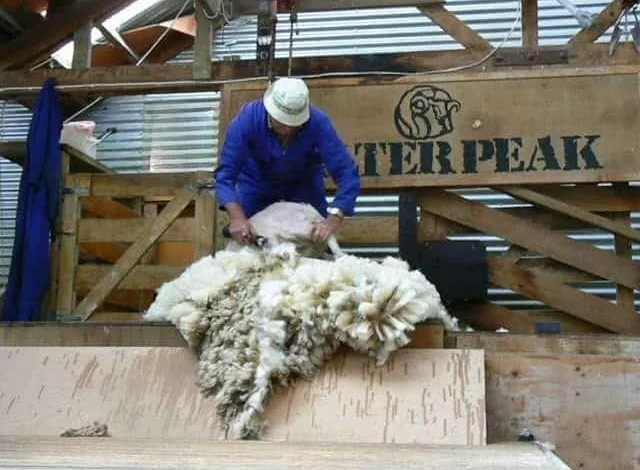
TSS Earnslaw Heritage Cruise: Operating since 1912, this coal-fired steamship transports passengers across the lake to Walter Peak High Country Farm for agricultural demonstrations and dining experiences. Return cruise fares are priced at NZ$129, with comprehensive farm tours and gourmet dining packages reaching NZ$219. The vessel undergoes standard annual maintenance between mid-May and late June, during which replacement tonnage is deployed.
Economic Impact and Commercial Landscape
Queenstown’s rapid economic expansion, fueled by international tourism recovery, has positioned it as one of New Zealand’s most expensive domestic destinations. While commercial services and accommodations reflect a premium pricing structure, tipping remains entirely voluntary and uncustomary, though service staff routinely welcome the rounding up of bills.

The accommodation sector spans ultra-luxury lakeside lodges, mid-range motels, and a robust inventory of backpacker hostels and holiday parks. Central properties such as the refurbished Haka House and traditional hostels offer dormitory accommodations ranging from NZ$35 to NZ$45 per night, while central motels and hotels average between NZ$250 and NZ$400 per night during peak periods.
Health, Safety, and Risk Mitigation
New Zealand maintains exceptionally high standards of public health, food safety, and emergency infrastructure. Tap water across Queenstown is entirely potable, and medical facilities are modern and readily accessible.
However, environmental conditions present distinct hazards. The Southern Hemisphere’s atmospheric conditions result in extreme UV radiation levels during the summer months, necessitating aggressive sunscreen application to prevent rapid sunburn. Rapidly shifting alpine weather patterns require visitors to maintain layered clothing and waterproof outerwear year-round, regardless of season.

For participants engaging in Queenstown’s signature extreme sports, travel insurance policies require careful scrutiny. Standard international health or travel insurance policies frequently exclude hazardous adventure activities such as bungy jumping, skydiving, and whitewater rafting. Industry representatives recommend securing specialized sports riders to ensure comprehensive financial protection in the event of injury.
Related posts: