Navigating Uncertainty: How Family Travel Teaches Children and Parents to Confront the Unknown


Family travel frequently introduces a unique psychological balancing act, forcing both adults and children to confront deep-seated anxieties while simultaneously embracing the wonder of new environments. Recent tourism and developmental studies highlight that stepping outside familiar domestic routines can act as a profound catalyst for resilience-building in children. While logistics, unfamiliar languages, and foreign currencies often occupy the minds of adult travelers, younger family members frequently internalize worries surrounding safety, physical capability, and the unpredictable forces of nature. Industry experts and child psychologists increasingly note that structured group travel—such as organized family-focused expeditions—provides a supportive scaffold that helps mitigate these anxieties, transforming abstract fears into tangible lessons in personal growth and emotional regulation.
The Anatomy of Travel Anxiety: Pre-Trip Apprehensions
The psychological preparation for international travel often begins weeks before departure, offering ample time for anticipation to curdle into worry. For seven-year-old Noa and her ten-year-old sister Isla, embarking on their first overseas family holiday to Italy with tour operator Intrepid Travel presented an exciting yet intimidating prospect. While the itinerary promised historical exploration, culinary workshops in gelato and pizza-making, and coastal excursions along the Amalfi Coast, it also included activities that tested the boundaries of youthful comfort zones.
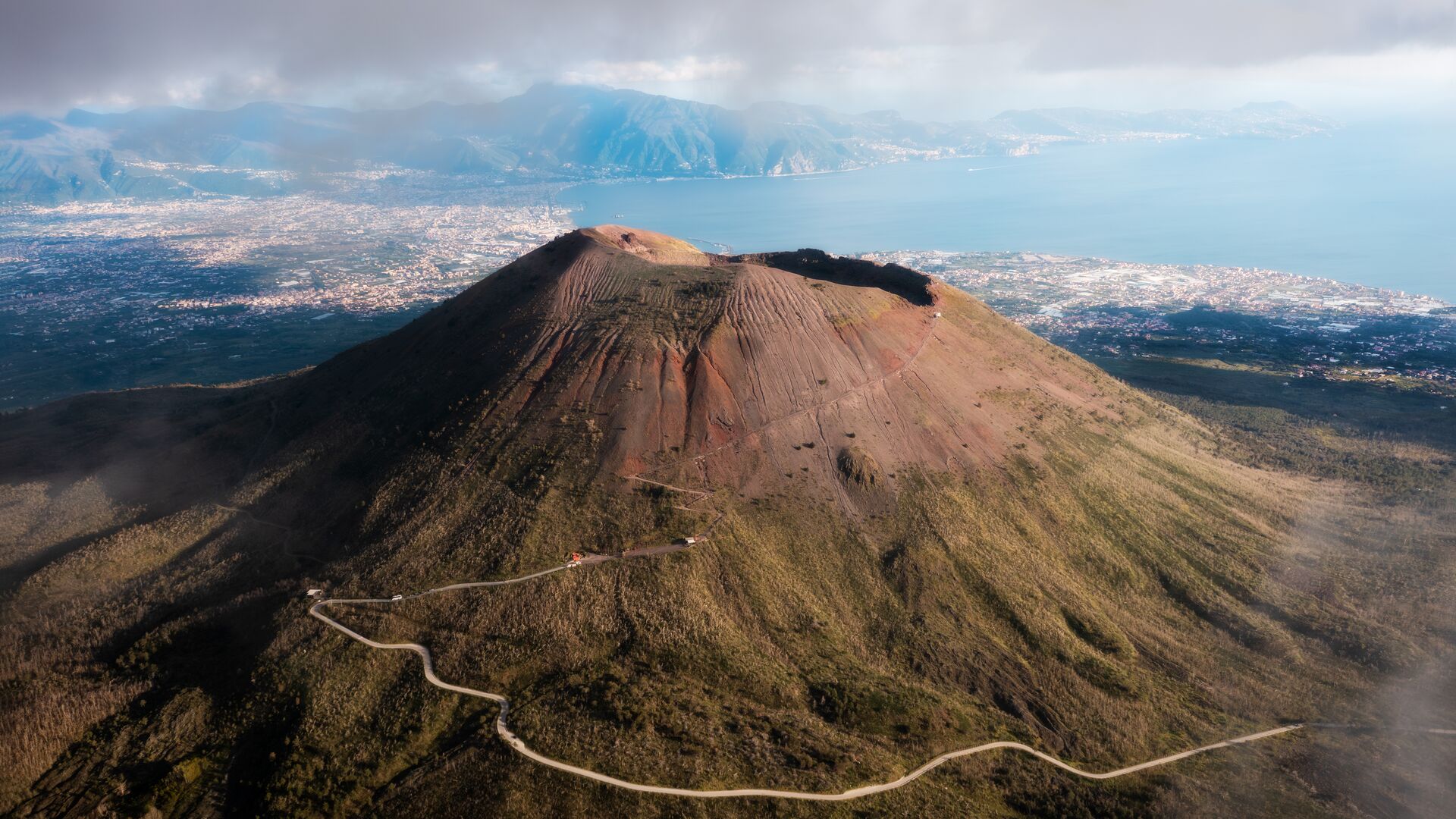
Child developmental specialists observe that bedtime often serves as the primary psychological clearinghouse for children’s lingering fears. In the quiet hours preceding sleep, suppressed anxieties frequently manifest as specific, catastrophic "what ifs." For Noa, the impending hike up Mount Vesuvius—the famous stratovolcano overlooking the Bay of Naples—became a focal point for existential dread. The looming question of whether the volcano might erupt during their ascent underscores a common psychological phenomenon where children project generalized feelings of displacement onto monumental physical landmarks.
Addressing these fears requires a delicate balance of factual reassurance and empathetic validation. Rather than dismissing a child’s concerns as irrational, travel psychologists recommend contextualizing the risk using relatable analogies. In Noa’s case, framing the active yet dormant volcano as a "hibernating bear" monitored continuously by a network of scientific instruments helped bridge the gap between abstract geological threat and concrete safety measures. Furthermore, maintaining open dialogues about vulnerability allows children to understand that apprehension is a normal component of exploring the wider world.
Chronology of the Ascent: From Pompeii to the Crater’s Rim
The transition from apprehension to accomplishment typically follows a carefully managed timeline, moving from initial briefing to experiential execution. The following chronological overview highlights the progression of the family’s journey leading up to the Vesuvius excursion:
- Day Two (Lunchtime in Pompeii): The family dines near the archaeological site of Pompeii, where tour leader Donatella fields early logistical and safety questions regarding the upcoming volcanic hike, assuring the children of structural safety barriers.
- Night Two (Bedtime): A recurrence of acute anxiety regarding volcanic activity prompts parental reassurance utilizing long-standing familial mantras regarding risk-taking and resilience.
- Day Three (Morning Ascent): After breakfast overlooking the Bay of Naples, the group ascends the switchbacks of Vesuvius via transport van, transitioning from passive observation to active participation.
- Day Three (Trailhead and Summit): Tour leader Donatella assigns the children the honorary role of "co-leaders," reframing a daunting physical challenge into a position of responsibility. The group successfully navigates the gravelly trail to the crater’s rim.
- Subsequent Days (Amalfi Coast and Minori): The itinerary shifts to coastal exploration, culinary immersion, and unstructured seaside play, solidifying a sense of emotional security and competence.
This structured progression demonstrates the efficacy of tour operators in integrating psychological support directly into adventure tourism itineraries. By intentionally assigning leadership roles to apprehensive participants, guides can effectively dismantle the psychological barriers that impede full engagement.
Broader Implications of Adventure Tourism for Youth Development
The travel industry has witnessed a significant surge in demand for experiential, multi-generational, and family-centric itineraries over the past decade. According to recent tourism market analytics, family adventure travel now accounts for a substantial share of outbound international tourism, driven by parents seeking educational and character-building experiences for their children.
The implications of this travel sector growth extend well beyond leisure and recreation. Educational researchers emphasize that immersive travel fosters global citizenship, cultural empathy, and adaptability. When children successfully navigate physical challenges—such as conquering a steep mountain trail, attempting a difficult water jump, or tasting unfamiliar local cuisines—they accumulate psychological capital. This internal reserve of competence proves invaluable in non-travel contexts, enhancing academic resilience and social adaptability.
Moreover, the shared experience of overcoming mutual anxieties strengthens intra-familial bonds. Parents frequently discover that their own travel-related worries diminish when observed through the lens of a child’s unfiltered wonder and subsequent triumph. As family dynamics adapt to the unpredictable nature of the road, both generations learn the vital distinction between genuine hazard and perceived danger.

The Culmination of Courage: Beyond the Volcano
The psychological journey initiated at the crater of Mount Vesuvius found its ultimate expression days later during a boat excursion off the coast of Sperlonga. When faced with the physical barrier of height requirements for a high-cliff water jump, the tension between perceived capability and emotional desire reached a critical juncture.
Childhood milestones are frequently defined by these unscripted moments of confrontation with limitation. When structural or physical rules prohibit a child from participating in a desired activity due to age or size, the resulting frustration can manifest as anger or withdrawal. However, the subsequent resolution—where the child devises alternative methods of participation or pushes past previous boundaries—illustrates the development of self-advocacy and internal motivation.
Ultimately, the synthesis of these experiences underscores a central truth of modern family travel: the destination is merely the backdrop for an internal transformation. Whether exploring the archaeological ruins of ancient civilizations, navigating the winding roads of the Amalfi Coast, or simply learning to step off the edge of a boat into the open sea, families who embrace structured adventure equip their children with enduring tools for life. The realization that one can be genuinely afraid and yet proceed regardless remains one of the most valuable souvenirs any journey can offer.