Mangrove Restoration Is Becoming Big Business But Benefits Don’t Always Reach Local People

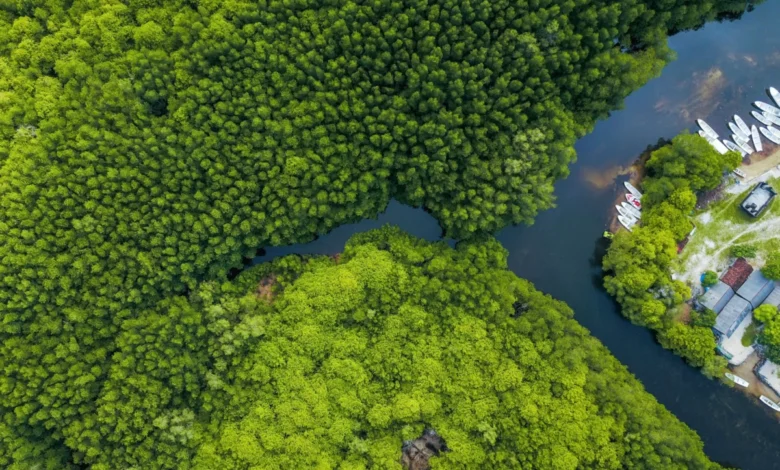
The global boom in blue carbon ecosystems has transformed coastal restoration into a multi-billion-dollar enterprise, driven by corporate demand for carbon offsets. Along Pakistan’s Indus Delta, a massive 350,000-hectare mangrove initiative exemplifies this shift, packaging growing forests into tradeable carbon credits for buyers thousands of miles away. Similar commercial models are taking root across Southeast Asia, Africa, and Latin America. However, a growing body of research and recent academic reviews reveal a critical discrepancy: while commercial carbon accounting, verification markets, and intermediary profits thrive, local communities who have stewarded these coastal ecosystems for generations frequently bear the immediate costs of restoration without receiving an equitable share of the financial returns.
This systemic imbalance is drawing intense scrutiny as governments prepare for the upcoming United Nations climate summit, COP31, scheduled for this November in Antalya, Turkey. Building on commitments made at COP30—where international bodies called for adaptation finance to at least triple by 2035 to protect vulnerable populations from rising seas and intensified cyclones—policymakers face mounting pressure to reform how climate funds are channeled. Critics warn that pumping millions into existing market mechanisms risks amplifying historical inequalities unless transparency and local governance are placed at the core of conservation finance.
The Anatomy of the Blue Carbon Market and Intermediary Leakage
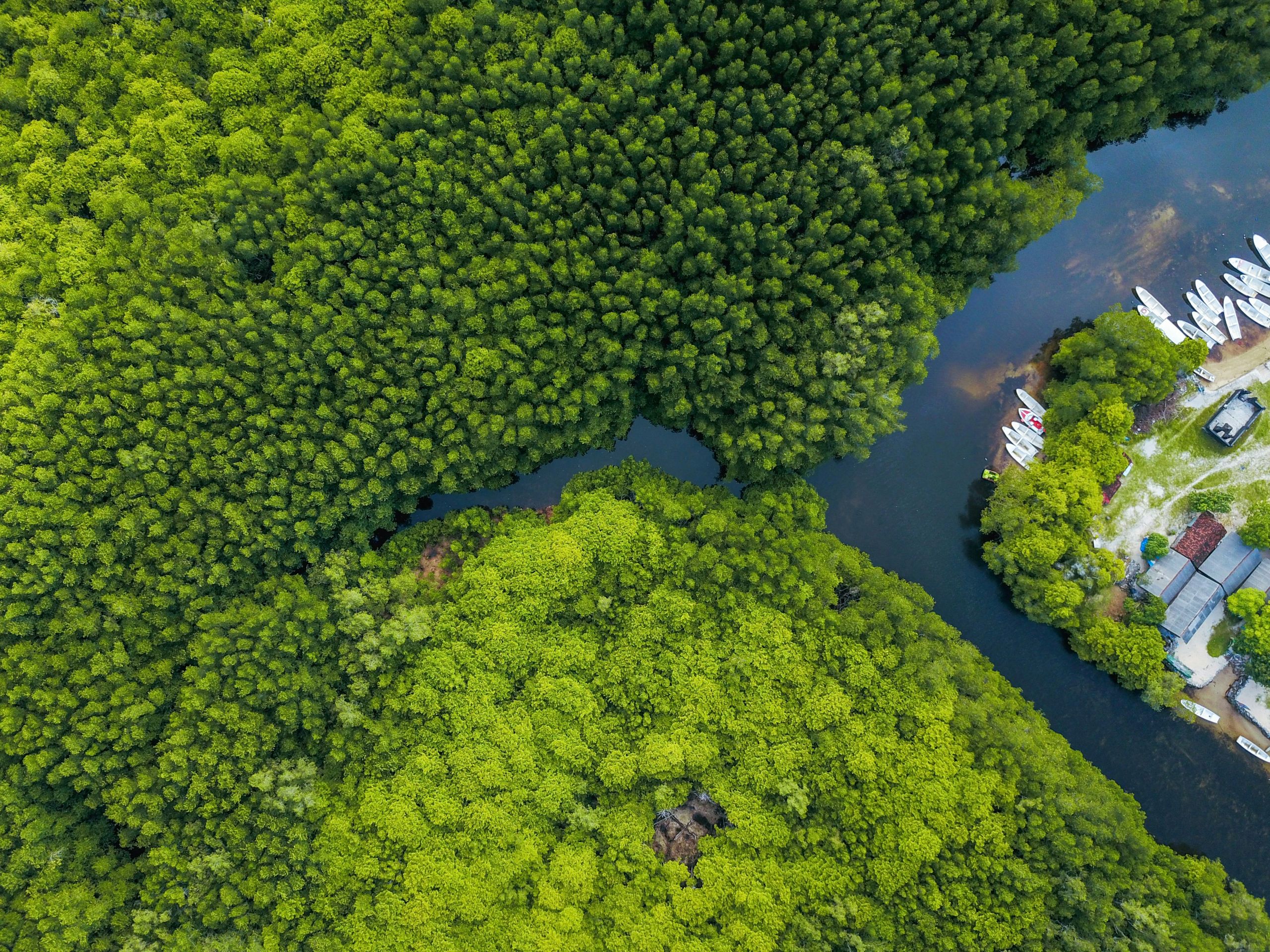
The mechanics of the blue carbon economy rely on the ability of coastal ecosystems—particularly mangroves, salt marshes, and seagrasses—to capture and store atmospheric carbon dioxide at rates up to ten times higher than tropical rainforests. Corporations purchase carbon credits to offset their emissions, injecting capital into developing nations where restoration takes place.
Yet, the distribution of these financial flows remains opaque. Market operations depend on an intricate web of intermediaries, including project developers, brokers, certifiers, verifiers, and aggregators. According to independent market analyses by organizations like Carbon Market Watch and Mongabay, only a fraction of these intermediary entities disclose their profit margins. Out of 47 reviewed carbon-crediting project documents, a stark minority referenced benefit-sharing mechanisms, and fewer still provided concrete evidence of distributing revenues to Indigenous or local communities.
Instead of empowering coastal populations, funds often dissipate along the corporate supply chain. While employment opportunities and monitoring contracts are generated locally, the high-value financial assets—the credits themselves—are exported to global compliance and voluntary markets. Consequently, local villages experience the economic windfall of carbon farming as a trickle rather than a steady stream, leaving them economically vulnerable despite hosting high-value ecological assets.

Hidden Trade-Offs and Local Socioeconomic Costs
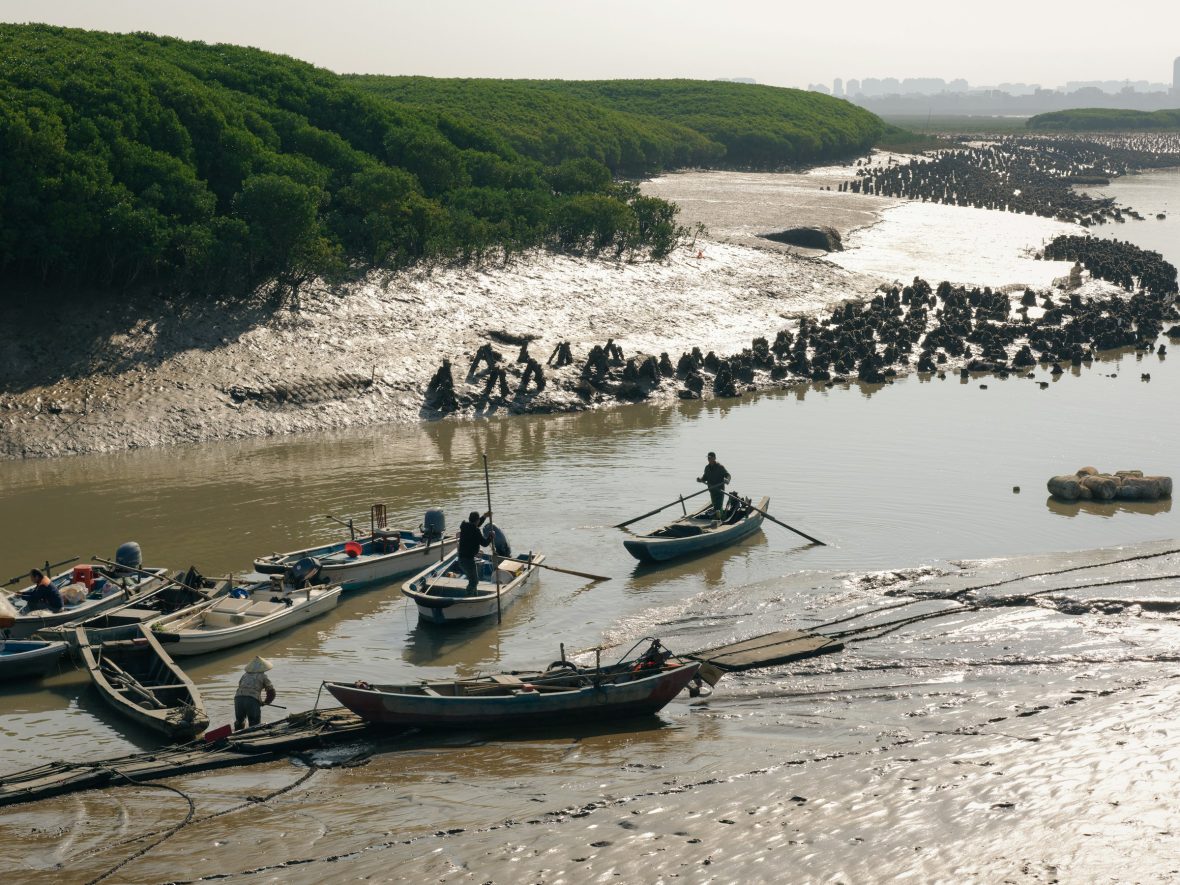
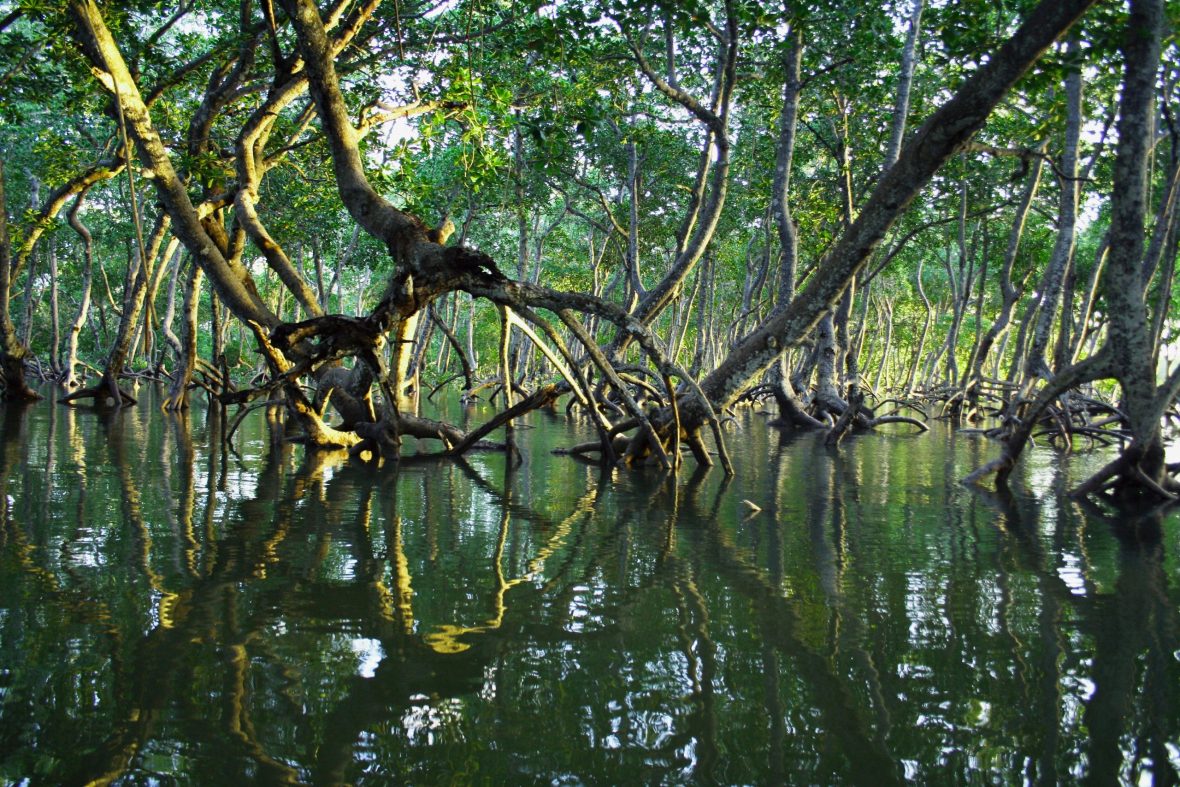
The economic framing of restoration often overlooks the daily realities of indigenous and traditional coastal populations. Mangroves are not merely carbon sinks; they are complex socio-ecological landscapes that provide essential livelihoods. In the Indus Delta, the Sundarbans bridging India and Bangladesh, and coastal regions across Malaysia and Kenya, these forests supply wood for construction, thatch for roofing, wild honey, and vital nursery habitats for artisanal fisheries that sustain coastal food security. They also serve as natural buffers against severe tropical storms and storm surges.
When a coastal zone is designated for carbon sequestration or biodiversity offsets, traditional use is frequently criminalized. Activities such as subsistence fishing or selective wood harvesting, which communities have historically managed through customary laws and generational practices, are reclassified as illegal encroachment.
Furthermore, restoration projects frequently impose immediate trade-offs:

- Restricted Access: Protecting designated carbon sinks can require the complete closure of vital fishing grounds, abruptly cutting off household income.
- Ecological Alteration: Planting initiatives driven by carbon metrics often favor fast-growing, single-species blocks rather than biodiverse, multi-tiered natural forests. Dredging channels and mono-cropping can yield high scores on corporate monitoring forms while destroying the specific ecological matrix that local communities rely on for daily survival.
- Delayed Recovery: Global analyses of mangrove restoration indicate that restored tracts frequently recover fewer ecological functions than natural forests, imposing a prolonged waiting period during which local communities absorb the costs of lost resources.
Researchers caution that when external priorities override local customary management systems—such as the cultural stewardship traditions of Bonbibi in the Sundarbans—restoration risks devolving into a form of "green colonialism." In these scenarios, the definition of a healthy forest is continuously rewritten by external actors to suit changing global markets—shifting from colonial charcoal production to post-independence timber, then to biodiversity metrics, and finally to carbon and biodiversity credits—while local labor is exploited and subsequently sidelined.
Historical Evolution of Mangrove Management
To understand the modern crisis of transparency, analysts point to the long history of managed coastal forestry. The Matang mangroves on the west coast of Malaysia represent the oldest continuously documented managed mangrove system in the world, with records dating back to 1902.
Over more than a century, the primary objectives of the Matang forest have shifted multiple times:
- Early 20th Century: Managed primarily for charcoal production to fuel colonial-era economies.
- Post-Independence Era: Shifted toward industrial timber harvesting to build national infrastructure.
- Late 20th to Early 21st Century: Pivoted toward biodiversity conservation and ecological health.
- Current Era: Integrated into global carbon credit markets, with emerging frameworks for biodiversity credits.
Throughout this century-long evolution, the metrics of "success" have consistently adapted to external economic demands. Local labor has been utilized to plant, harvest, and monitor these forests, yet long-term tenure rights and wealth accumulation have rarely anchored these transitions.
Implications and the Push for Just Restoration Frameworks
Recent academic syntheses evaluating ocean and coastal carbon storage projects highlight a troubling diagnostic challenge. Assessments of dozens of international projects reveal that it is frequently impossible to determine whether a restoration initiative has genuinely benefited local populations, primarily because community involvement and benefit-sharing outcomes are rarely documented or audited.
Projects that successfully capture carbon while draining financial value away from local populations are still categorized as successes under current carbon-accounting standards. This dynamic is the central focus of ongoing academic and policy initiatives, such as the Revive project operating across multiple sites in Malaysia. These initiatives aim to redefine success from the ground up by prioritizing community-defined outcomes over top-down corporate metrics.
As international climate negotiations approach at COP31, experts argue that increasing adaptation finance without reforming project governance will only exacerbate existing structural inequities. True sustainability requires shifting decision-making power back to the custodians of the land. Until local communities—who carry the tangible costs in access, time, and resources—are empowered to set the terms of restoration, the multi-billion-dollar blue carbon industry risks scaling up inequality under the guise of environmental progress.