The global tourism landscape has undergone a significant transformation in the last decade, with solo travel emerging from a niche segment to a dominant market force. According to industry data from organizations such as Booking.com and Solo Traveler, approximately 25% of travelers across various demographics considered a solo trip in 2023, a trend driven by a desire for personal growth, schedule flexibility, and the rise of digital nomadism. For the uninitiated, however, the primary challenge remains the selection of an appropriate destination. The success of an initial solo venture often dictates the traveler’s long-term confidence and willingness to pursue independent exploration in the future. Selecting a location requires a strategic balance of safety, accessibility, and cultural familiarity.
The Strategic Framework for Destination Selection
When evaluating potential locations for a first-time solo journey, travel experts and industry analysts point to five critical pillars that determine the "solo-friendliness" of a region. These factors are designed to mitigate common stressors such as isolation, logistical failure, and safety concerns.
1. Linguistic Accessibility and Communication
Navigating public transportation, negotiating service fees, and managing emergencies require clear communication. For a first-time solo traveler, choosing a destination where they are fluent in the primary language is a significant risk-reduction strategy. Statistical analysis of travel anxiety indicates that language barriers are a leading cause of psychological stress during independent trips. Destinations like the United Kingdom, Ireland, and Australia offer a seamless transition for English speakers, while cities like Amsterdam or Montreal provide a "soft landing" where English is widely spoken alongside local languages.

2. Standardized Safety and Global Peace Indices
Safety remains the paramount concern for those traveling alone, particularly for women and younger demographics. Professional travel planning involves consulting the Global Peace Index (GPI), which ranks countries based on societal safety, security, and the extent of ongoing conflict. Countries like Iceland, which has consistently ranked as the safest country in the world since 2008, provide a low-risk environment that allows first-timers to focus on the experience rather than constant vigilance.
3. Logistical Simplicity and Infrastructure
The complexity of reaching a destination can influence the overall success of the trip. High-connectivity hubs that offer direct flights and integrated public transport systems—such as London Heathrow (LHR) or San Francisco International (SFO)—reduce the likelihood of transit-related mishaps. For a first solo trip, experts recommend destinations where "last-mile" connectivity (the transit from the airport to the hotel) is well-regulated and easy to navigate via rail or authorized taxi services.
4. Availability of Structured Social Activities
Solo travel does not necessitate total isolation. First-time travelers benefit from destinations with robust "micro-tourism" offerings, such as walking tours, cooking classes, or group excursions. These activities provide a structured environment to interact with other travelers and locals, acting as a social safety net that prevents feelings of loneliness.
5. Managed Tourism Density
While "overtourism" is a concern for environmental sustainability, a destination that is "just popular enough" ensures that essential services for travelers are available. Popular destinations maintain a network of hostels, hotels, and information centers that are accustomed to assisting independent visitors.

Top North American Destinations for Solo Beginners
North America offers a diverse array of cities that serve as excellent training grounds for solo exploration. These locations are characterized by high safety ratings and a wealth of accessible cultural experiences.
The Southern Charm of Savannah and Nashville
Savannah, Georgia, is frequently cited for its walkability and historical density. The city’s Historic District and Victorian District are designed on a grid system, making navigation intuitive for newcomers. Similarly, Nashville, Tennessee, has invested heavily in visitor safety through its "Downtown Ambassadors" program—personnel identified by bright yellow uniforms who provide directions and assistance to tourists. Nashville’s status as a music hub ensures a constant stream of public performances, allowing solo travelers to enjoy entertainment without the need for a companion.
Coastal Ease: Key West and Vancouver
Key West, Florida, offers a contained, island-town atmosphere where a rental car is unnecessary. Its reputation as a safe, laid-back community makes it ideal for those seeking a "vacation" feel rather than an intense urban exploration. On the West Coast, Vancouver, British Columbia, serves as a premier destination for those who value nature. The city’s public transit system, including the SeaBus and SkyTrain, provides easy access to Stanley Park and North Vancouver’s hiking trails, allowing for a mix of urban and wilderness experiences.
Cultural Fusion: Montreal and San Francisco
Montreal, Quebec, provides an "international" experience within North America. While French is the official language, the city’s bilingual nature makes it accessible to English speakers. The European architecture of Old Montreal offers a distinct aesthetic shift from other North American cities. Meanwhile, San Francisco remains a staple for solo travelers due to its distinct neighborhoods and iconic transit options, such as the cable car system.

International Gateway Destinations
For those looking beyond North America, several international locations stand out as particularly accommodating for solo beginners, often surpassing domestic options in terms of public infrastructure and safety.
The British Isles: London, Dublin, and Belfast
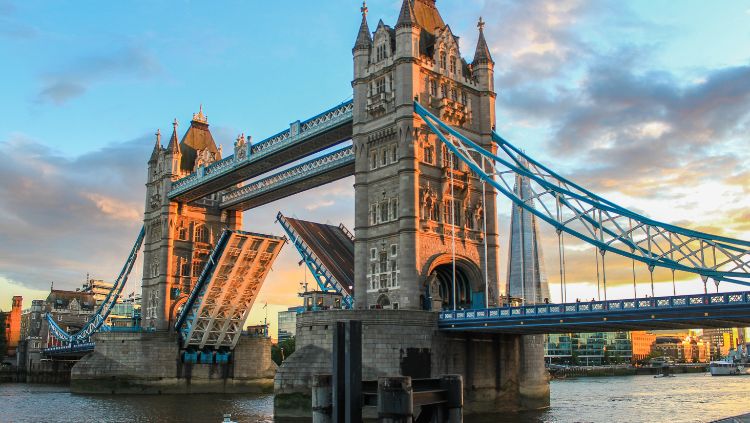
London remains arguably the most accessible international city for first-time solo travelers. The extensive London Underground (The Tube) and the ubiquity of English-language signage eliminate most navigational hurdles. Dublin, Ireland, is often praised for its "social safety"; the city’s pub culture is inherently inclusive, making it easy for solo visitors to strike up conversations. Further north, Belfast has transformed into a vibrant cultural center, offering a blend of modern history and natural beauty along the Giant’s Causeway.
The Nordic and Dutch Model: Iceland and Amsterdam
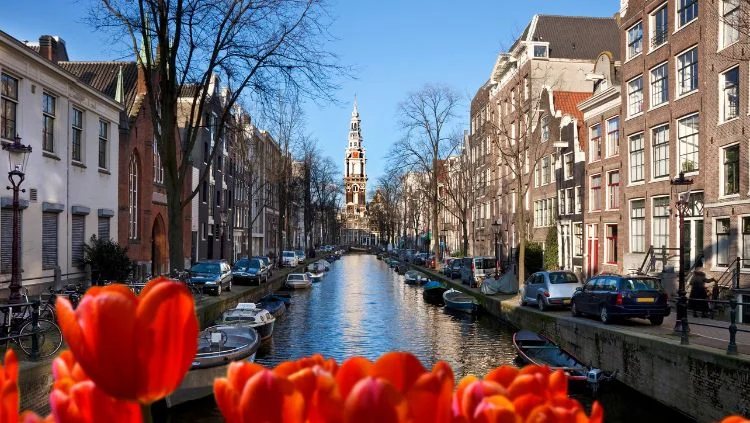
Iceland is frequently recommended as the "gold standard" for solo safety. With a low crime rate and a tourism industry built around the "Ring Road," it is a prime location for a solo road trip. Amsterdam, Netherlands, offers a different kind of ease. The city is famous for its high English proficiency and its compact, canal-linked center that is best explored on foot or by bicycle.
The Mediterranean and Pacific: Malta and Sydney
Malta, an archipelago in the Mediterranean, is a unique entry on this list. As an English-speaking nation with a deep history involving the Knights of St. John and various Mediterranean empires, it offers a safe, sunny, and culturally rich environment. On the other side of the globe, Sydney, Australia, provides a familiar urban structure with the added benefit of world-class beaches like Bondi and Manly, all accessible via a highly efficient ferry and rail system.
Timeline of Solo Travel Planning
To ensure a successful first trip, industry experts suggest a structured preparation timeline:
- Six Months Out: Research and select a destination based on the five pillars (Language, Safety, Ease of Access, Activities, and Popularity).
- Four Months Out: Secure flights and accommodation. For first-timers, staying in a centrally located hotel or a highly-rated "boutique" hostel is recommended to ensure proximity to help and social hubs.
- Two Months Out: Book at least two structured activities (e.g., a city food tour or a day hike) to anchor the itinerary.
- One Month Out: Review safety protocols, share the itinerary with a trusted contact, and research "last-mile" transportation from the arrival airport.
Broader Implications and Market Trends
The rise of solo travel is more than a passing trend; it reflects a broader sociological shift toward independence and the "experience economy." Tourism boards worldwide are responding to this shift. For instance, Tourism Ireland and Visit Britain have specifically tailored marketing campaigns toward solo adventurers, highlighting safety and "walkable" itineraries.
Economically, solo travelers are a high-value demographic. They tend to stay longer in destinations and spend more per capita on local experiences compared to group travelers who may rely on all-inclusive packages. As more travelers successfully navigate their first solo trips in "gateway" cities like London or Nashville, they are likely to graduate to more challenging destinations, eventually contributing to a more robust and diverse global tourism market.
In conclusion, the choice of a first solo destination is a strategic decision that balances the thrill of the unknown with the necessity of support. By prioritizing destinations with strong infrastructure, high safety ratings, and linguistic familiarity, first-time solo travelers can build the foundational skills necessary for a lifetime of independent exploration. Whether it is the musical streets of Nashville or the safe, volcanic landscapes of Iceland, the right first step makes all the difference in a traveler’s journey toward self-reliance.