How Climate Change is Redefining Global Travel Seasons and Forcing Industry Adaptation

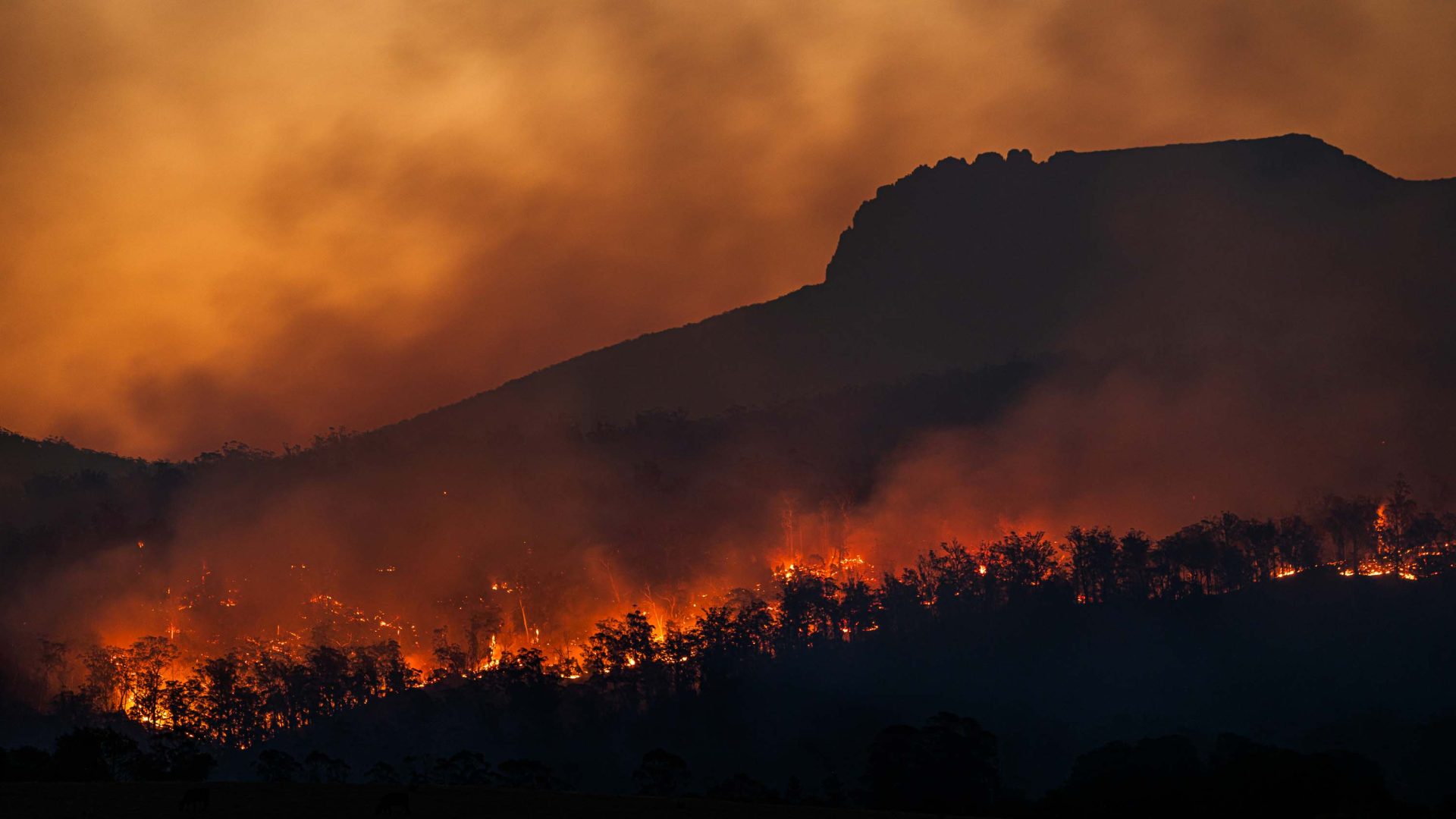
The global climate is experiencing a profound transformation, bringing with it increasingly unpredictable weather patterns that are fundamentally altering the tourism landscape. From devastating wildfires in Borneo and severe droughts in Panama to historic floods in Nepal and unprecedented heatwaves across Europe, the traditional predictability of when and where to travel has vanished. Travelers and tourism boards alike are confronting a paradigm shift, moving far beyond simple off-season travel or the nascent trend of "coolcations" into a complex era of year-round adaptation, destination management crises, and environmental reckoning.
The Anatomy of a Changing Summer: Europe’s Heat Crisis
During the northern hemisphere summer, national weather agencies recorded unprecedented climatic extremes. France, for instance, endured its hottest summer since national records began in 1900. Unlike countries heavily reliant on climate control, France has traditionally maintained a cultural aversion to air conditioning, viewing units as architectural blights and instead favoring external shutters and traditional insulation. According to European data, only 25 percent of French households possessed air conditioning units, compared to roughly 50 percent in neighboring Spain and Italy.

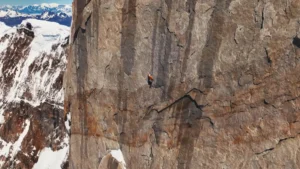
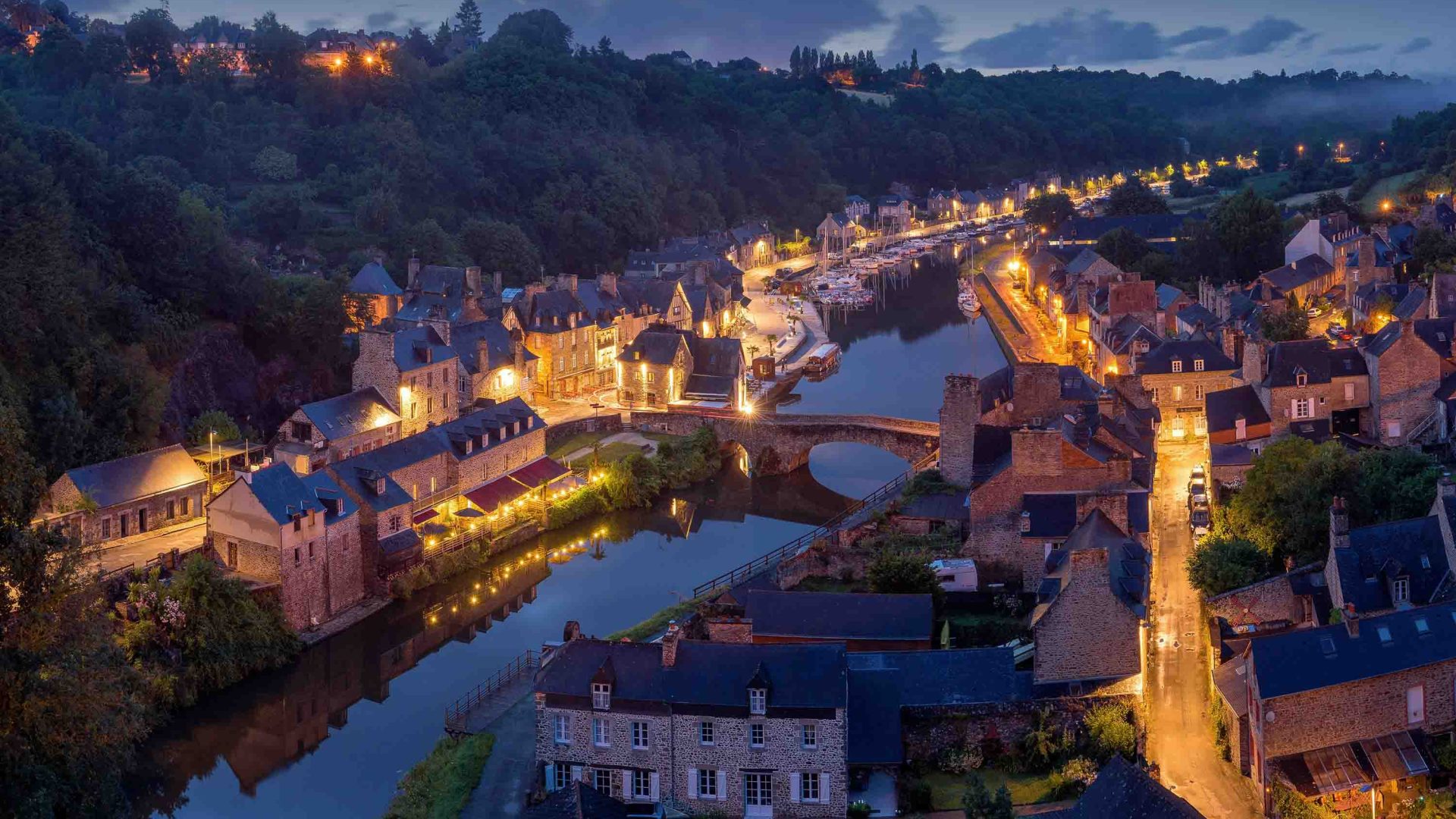
This infrastructure deficit rendered the heatwaves acutely dangerous. Even regions historically celebrated for their temperate climates, such as Brittany in northwestern France, witnessed peak temperatures soaring to 42.5 degrees Celsius (108.5 degrees Fahrenheit). Consequently, traditional tourist streams diverted away from the scorching Mediterranean south toward higher altitudes, such as the French Alps, which offered temporary thermal respite.
This behavioral pivot reflects broader macro-trends. Google Trends data from the United Kingdom highlighted an 82 percent year-on-year surge in search interest for "alpine summer" vacations, signaling a massive consumer migration away from traditional beach holidays toward mountainous terrain.

The Overtourism Conflict and Destination Adaptation
While travelers seek out cooler microclimates, destinations are grappling with the dual pressures of climate change and concentrated visitor volumes. In June 2026, residents of Mahón, the capital of Menorca in Spain’s Balearic Islands, staged striking protests using giant ant puppets to symbolize the crushing weight of overtourism. The demonstrations highlighted severe local frustrations regarding overcrowding and critical water management strains.

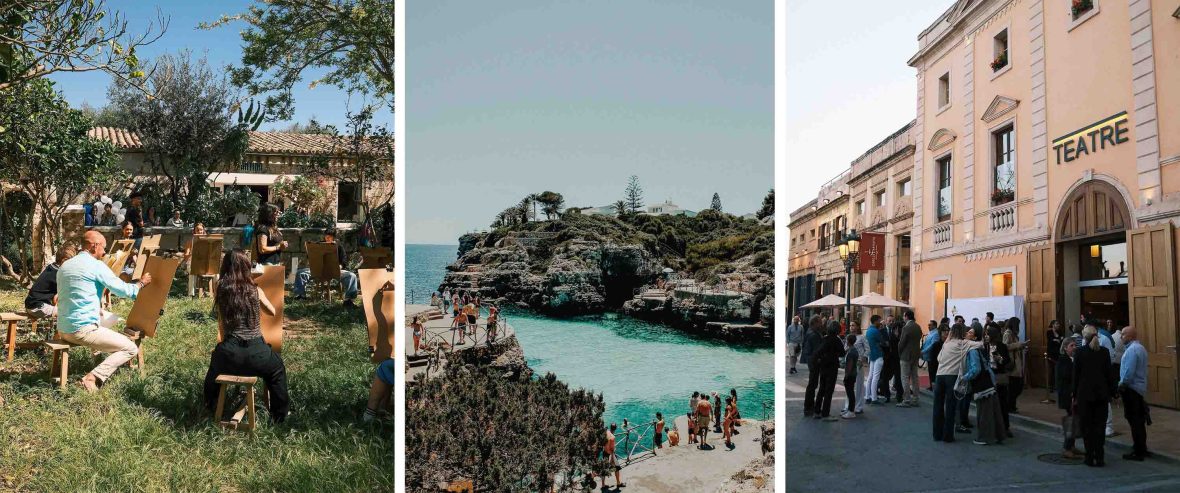
Menorca, designated as a UNESCO Biosphere Reserve, requires stringent protection of its fragile endemic ecosystems. To mitigate the environmental pressure concentrated during peak July and August months, the Menorca Tourist Board launched an arts and culture festival titled "Opening Menorca" in April 2026. Designed to stimulate spring visitation, the initiative proved successful; the Balearic Islands Statistics Institute (IBESTAT) reported that 97,569 tourists visited the island in April 2026, marking a 15 percent increase compared to April 2025.
However, overtourism and climate resource stress remain inextricably linked. Menorca has labored under a drought pre-alert status since June 2023, exposing how continuous year-round visitor demand can severely compromise scarce island aquifers.
Redefining the Mountain Resort Calendar
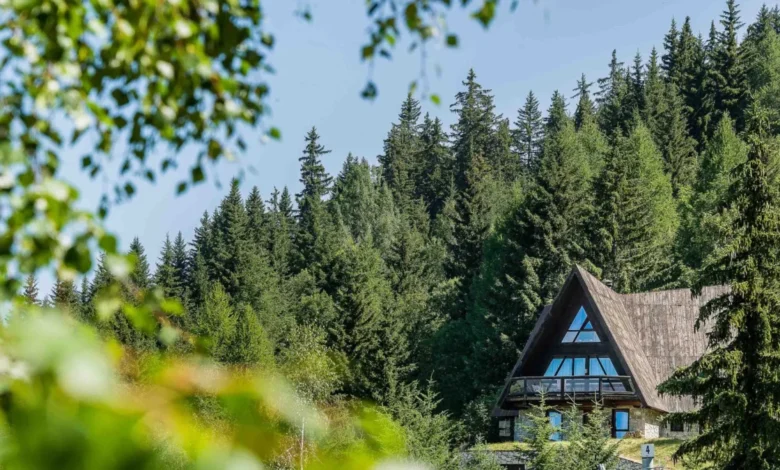
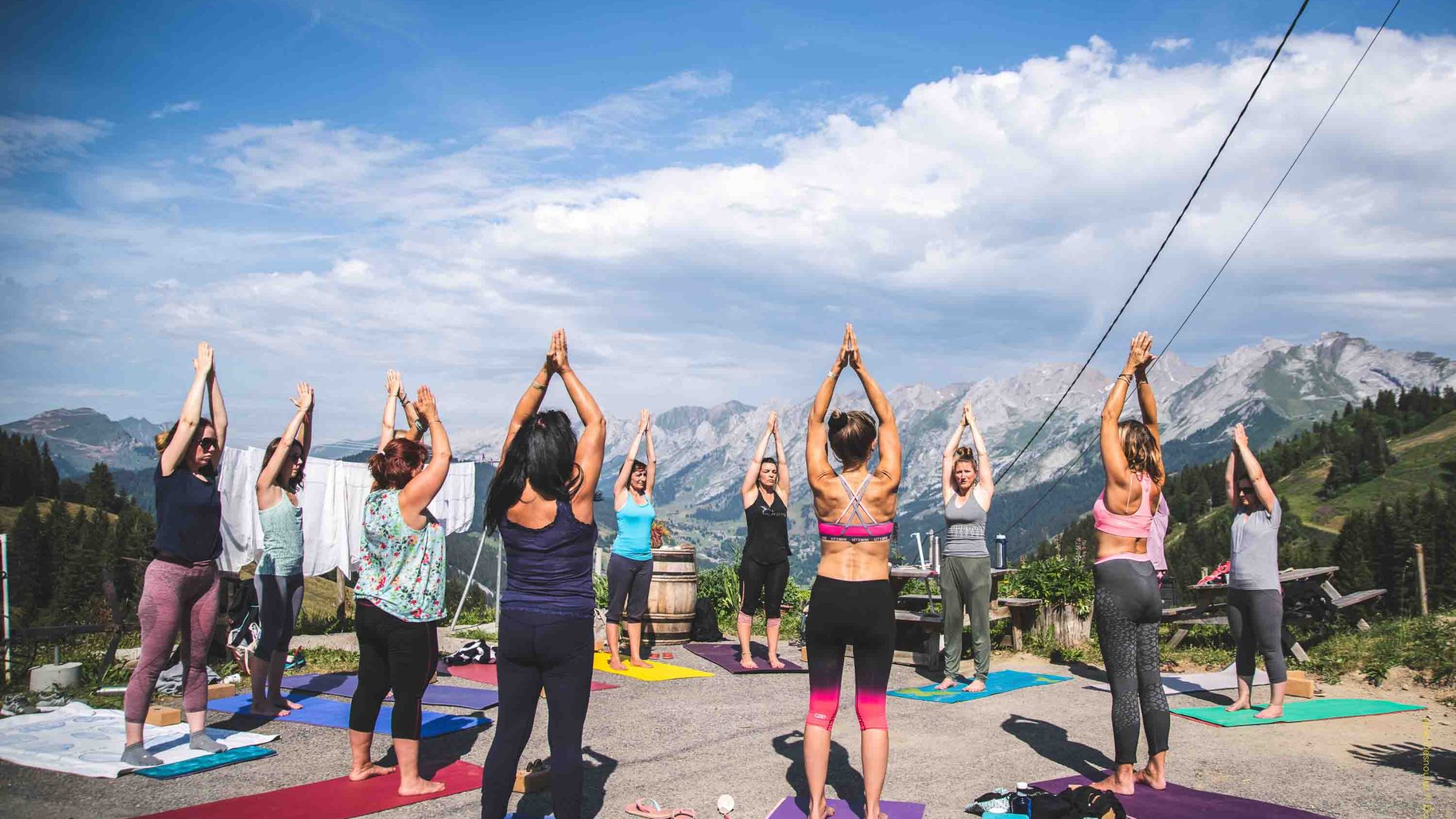
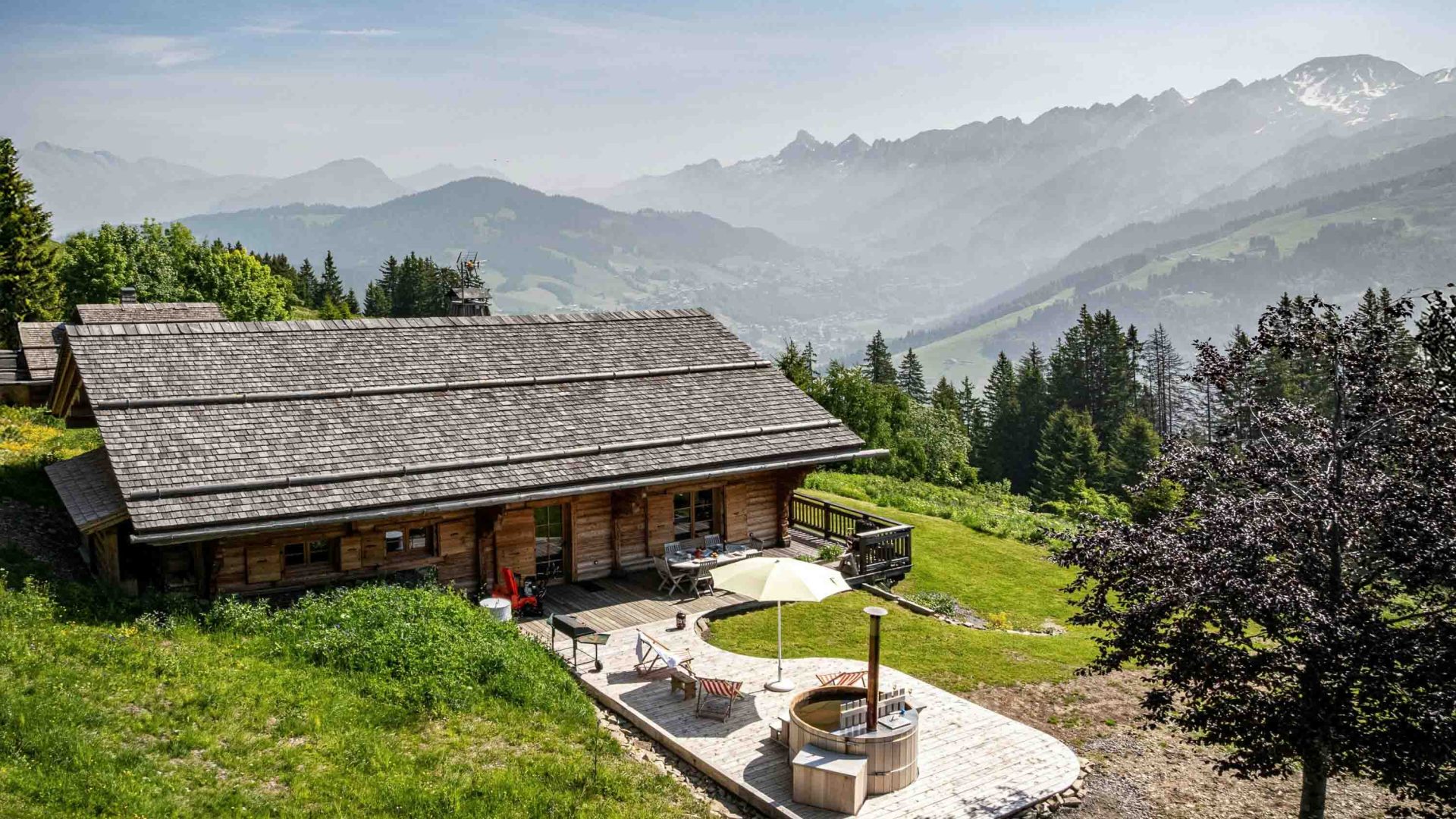
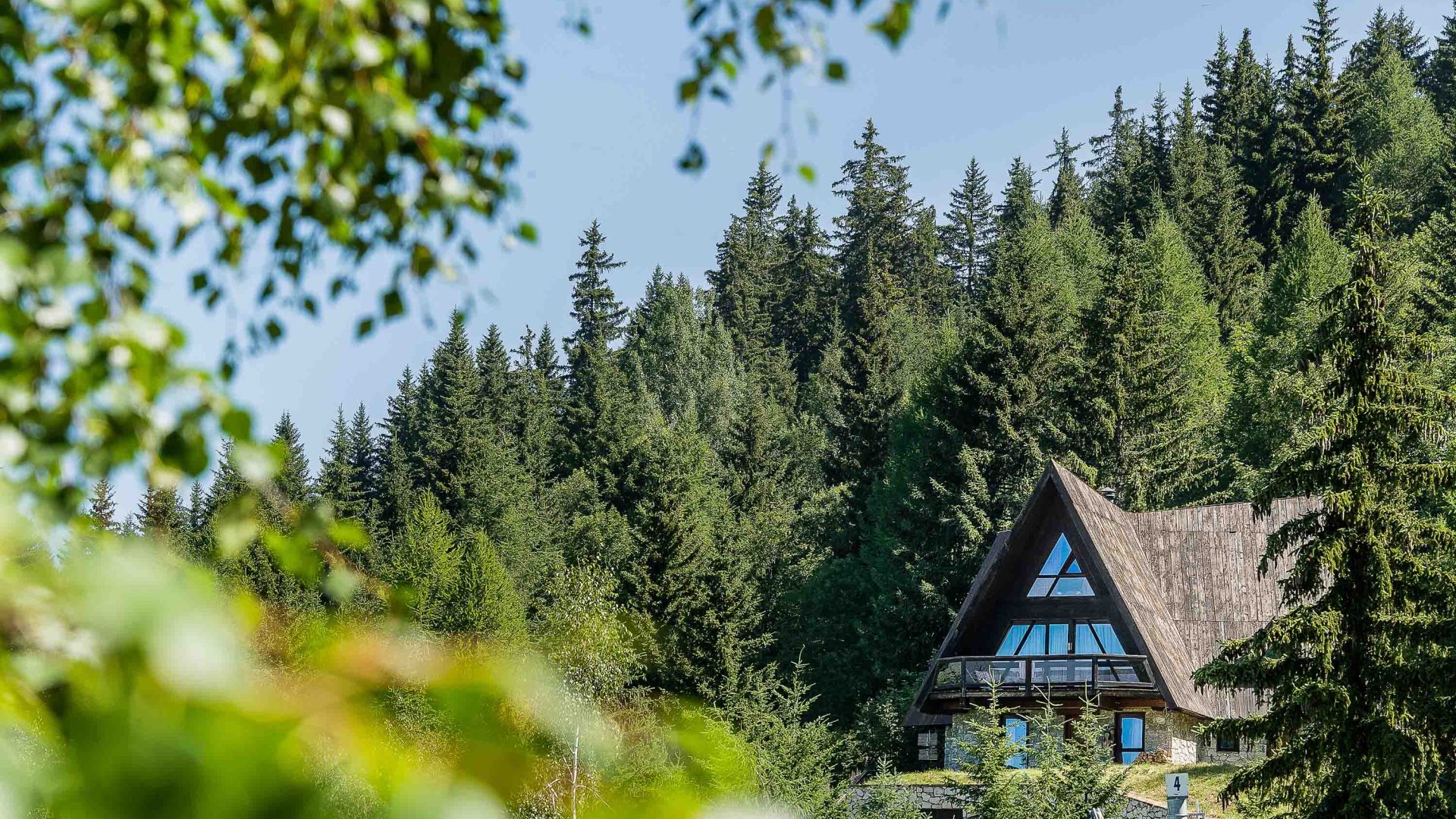
Alpine regions traditionally associated exclusively with winter skiing are successfully reinventing themselves as year-round hubs. In the Haute-Savoie resort village of La Clusaz, the annual July Yoga Festival draws health-conscious travelers seeking wellness retreats. Local property managers and rental networks, such as OVO Network, actively promote summer itineraries focused on hiking and mountain biking. Certain chalets, such as Chalet Sisar, are deliberately operated only during the summer months due to the treacherous accessibility and icy isolation of the winter season.
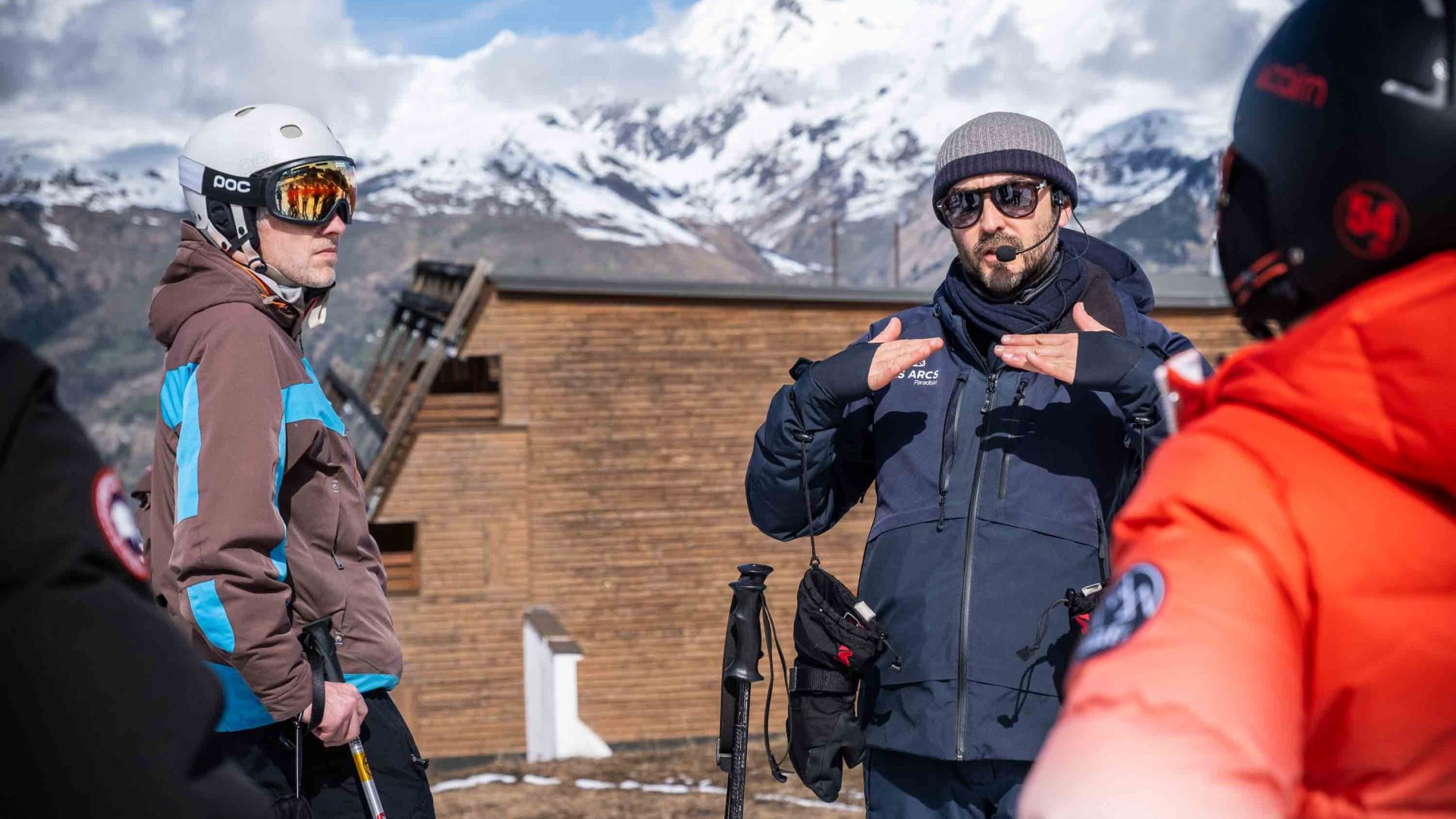
Similarly, the pioneering French alpine resort of Arc 1600 has capitalized on cultural assets to drive warm-weather tourism. The resort runs weekly architecture tours highlighting the modernist designs of furniture designer and architect Charlotte Perriand, whose work in the 1960s aimed to harmonize human habitation with the mountain landscape. Local data underscores this shift: tour guide Jean-Marie Chevronnet recorded 1,522 participants on his architecture tours in 2024, with 75 percent occurring in winter and 25 percent in summer. By 2025, total participation rose to 1,750, with the summer share expanding significantly to 40 percent, demonstrating a structural diversification of resort economies.
Shifting Seasons in the Southern Hemisphere
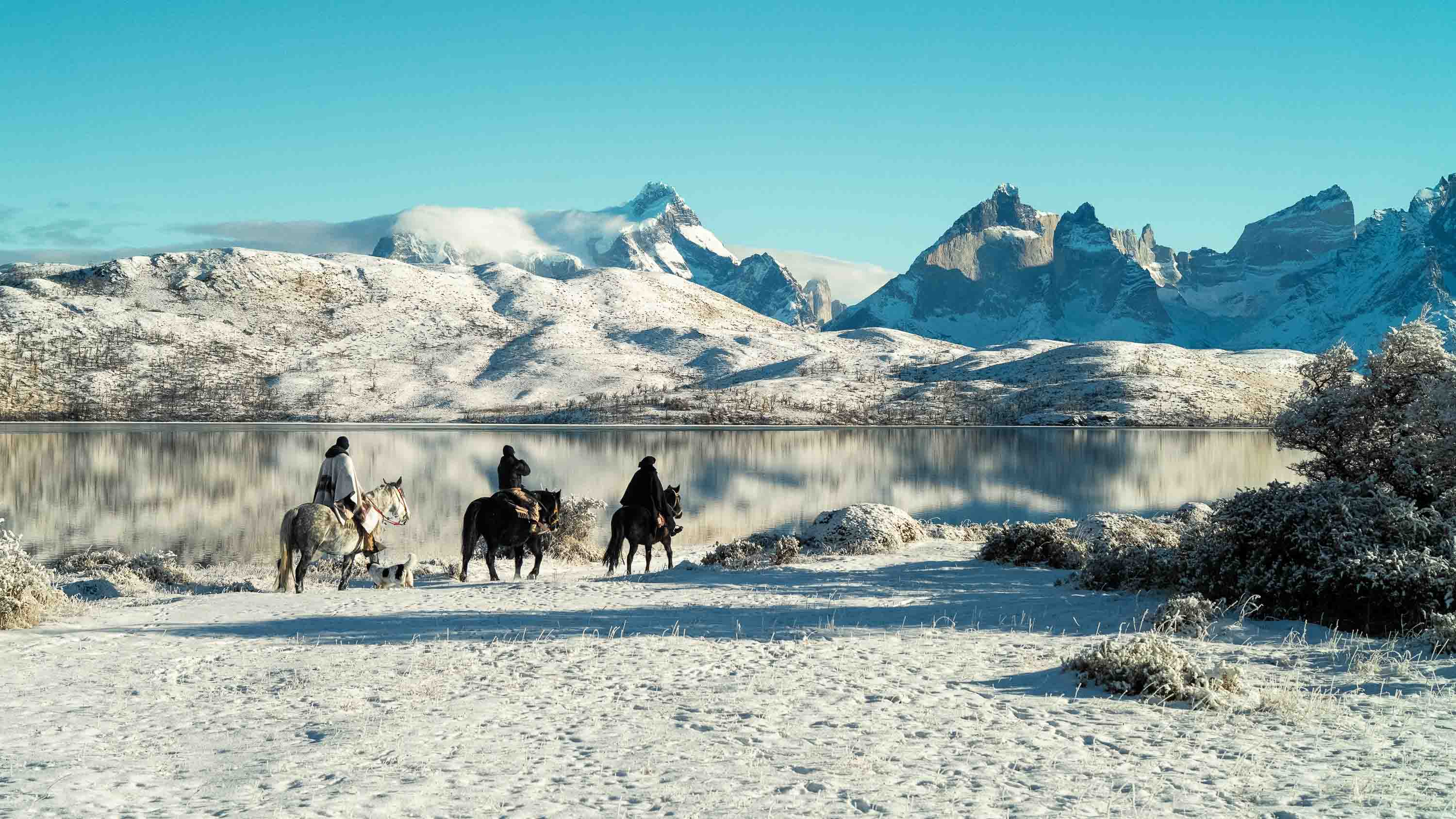
The phenomenon of seasonal stretching is not confined to Europe. In South America, Argentinean and Chilean Patagonia—historically restricted to a strict summer operating window—are witnessing milder, drier winters driven by shifting regional climates.
Luxury operators have responded to these changing meteorological conditions. For the first time, Awasi Patagonia remained open throughout the entire winter season. Luiza Mattos of the Awasi management team noted that winter visits offer distinct advantages, including milder winds and extended daylight hours ranging from 9 a.m. to 7 p.m., contrasting sharply with the deep darkness of northern arctic winters. Furthermore, the winter season has yielded unexpected ecological tourism draws, such as increased puma sightings as the big cats roam more freely against snow-covered landscapes with minimal human interference.
However, industry analysts note that year-round operation introduces complex labor dynamics. Many local hospitality workers in gateway cities like Puerto Natales historically relied on the five-month off-season to travel, rest, or work in alternative climates. Transitioning to permanent employment structures requires careful negotiation with local labor forces who value seasonal downtime.
The Arctic Rush and Regulatory Intervention
At the opposite end of the globe, the Arctic and Svalbard have experienced an unprecedented surge in tourism. Driven by the "coolcations" trend, an appetite for remote destinations, and an acute sense of urgency among travelers to witness vanishing glaciers before they disappear, expedition cruise lines have expanded operations aggressively.
In May 2026, Aqua Expeditions launched its maiden cold-climate expedition to Svalbard. Concurrently, Hurtigruten introduced two new Svalbard itineraries after registering a 40 percent year-to-date increase in North American interest, while Aurora Expeditions added the newly constructed small ship MV Douglas Mawson to its polar fleet for the 2026–2027 season.
This rapid intensification prompted regulatory intervention by the Norwegian government. Following the gradual phase-out of Svalbard’s historical coal-mining industry, Norway sought to cultivate a sustainable, high-value tourism model. In January 2025, stringent new caps were implemented: cruise ships operating in Svalbard are now restricted to a maximum of 200 passengers and are permitted to land at only 43 designated sites.
The policy aims to prevent mass consolidation in administrative hubs like Longyearbyen, protect sensitive wildlife habitats from disruptive human presence—such as walrus haul-outs and fragile tundra vegetation—and encourage dispersed spending on local guided history tours and cultural institutions.

Industry Outlook and Strategic Implications
According to the Annual 2027 Travel Trend Report published by UK-based PR agency Lemongrass Marketing, the travel industry must abandon the illusion of "climate-proofing" destinations. Instead, the report emphasizes that successfully managed destinations must understand localized environmental vulnerabilities and adapt proactively.
Destinations and tourism boards are increasingly assuming a regulatory and guidance role, meticulously managing scarce resources like water while completely rethinking the traditional tourism calendar. As weather volatility persists, the fundamental rhythms of global travel will continue to evolve. Experts emphasize that while privileged travelers retain the luxury of choosing when and where to escape extreme weather, the long-term viability of these destinations ultimately relies on ensuring local host communities retain autonomy over the timing and scale of visitor arrivals.