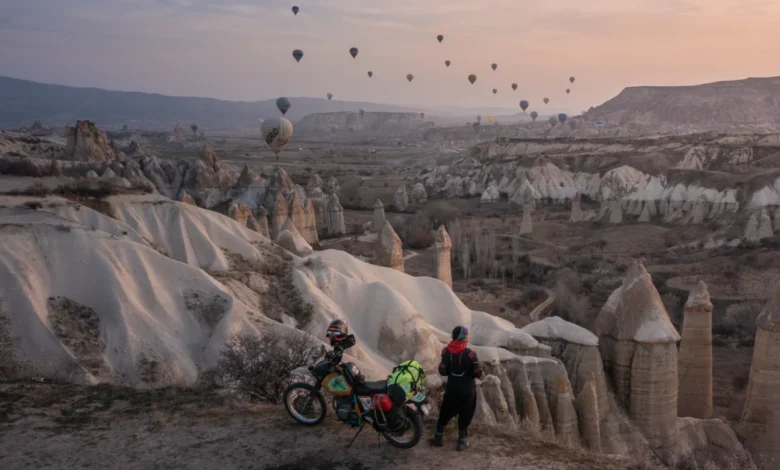
Motorcycle travel in Turkey presents an unparalleled adventure, weaving through an astonishing tapestry of landscapes from the snow-capped peaks of the Anatolian highlands to the sun-drenched shores of the Mediterranean. This vast nation, straddling Europe and Asia, offers a rich cultural heritage, a burgeoning infrastructure, and a widely acknowledged hospitality that makes it an increasingly attractive destination for international bikers. With an estimated 850,000 kilometers of roads, Turkey provides an expansive canvas for exploration, promising a journey that caters to diverse riding preferences, whether on paved highways or challenging off-road trails.
Understanding the Turkish Riding Experience
For the seasoned motorcycle traveler, Turkey offers a unique blend of adventure and accessibility. The Turkish government has made substantial investments in its road network over the past two decades, resulting in a significant improvement in road quality across much of the country. Well-maintained, highway-standard roads are now commonplace, facilitating smooth transit through diverse terrains. While Turkish drivers can exhibit a more assertive driving style compared to their European counterparts, they are generally considered more predictable than those in some neighboring eastern countries. This dynamic environment requires riders to maintain a defensive riding posture, a crucial aspect for ensuring safety.
The country’s infrastructure is robust, ensuring that essential services are readily available. Fuel stations are ubiquitous, providing access to gasoline and diesel. Motorcycle repair shops and dealerships are concentrated in larger urban centers, offering support for mechanical needs. Accommodation options are plentiful, ranging from budget-friendly guesthouses to more upscale hotels, catering to various traveler needs. Furthermore, Turkey is notably welcoming to motorcycle camping, with wild camping being permitted and even encouraged in many natural areas, a significant draw for riders seeking a more immersive experience.
One of the primary considerations for international visitors is the language barrier. While English is spoken in major tourist hubs like Istanbul, Cappadocia, and along the western Mediterranean coast, proficiency diminishes significantly in more remote regions. This necessitates the use of translation tools, such as Google Translate, which can be surprisingly effective for basic communication. The inherent patience and willingness of the Turkish people to assist, however, often bridge these linguistic gaps, fostering positive interactions.
Optimal Timing for Motorcycle Exploration
Turkey’s diverse geography dictates a varied climate, making timing a crucial factor for a comfortable riding experience. The shoulder seasons of March-April and September-October are widely recommended for optimal weather conditions. During these periods, temperatures are generally pleasant, avoiding the extreme heat of summer and the chill of winter. This timing also allows riders to bypass the peak tourist seasons, leading to a more serene and authentic experience.
Summer riding, from June to August, can be intensely hot, with temperatures frequently exceeding 40 degrees Celsius in many regions. For those venturing out during these months, the Black Sea coast and the mountainous eastern areas offer cooler alternatives due to their higher altitudes and lush greenery.
Winter motorcycle travel is feasible but requires careful planning and appropriate gear. Inland areas can experience frigid temperatures and heavy snowfall, making them challenging for riding. The southern Mediterranean coast offers a more temperate climate during winter, with sunny days reaching 15-20 degrees Celsius, making it a viable option for those seeking milder conditions. For snow enthusiasts, destinations like Erciyes, one of Turkey’s highest ski resorts, offer winter sports opportunities.
Safety and Security Considerations
The question of safety is paramount for any traveler, and motorcycle travel in Turkey is no exception. From a personal safety perspective, the country is generally considered safe for motorcycle travel, even for solo female riders. While occasional security incidents have been reported, particularly in the Kurdistan region, a significant military and police presence often mitigates risks. These areas are typically monitored, and foreign tourists are often advised to avoid them. The most significant day-to-day risk for motorcyclists stems from road traffic conditions. The assertive driving habits of some local motorists necessitate constant vigilance and defensive riding techniques.
For solo female motorcyclists, Turkey presents a generally comfortable environment, though individual experiences can vary. Many local men show respect or even admiration for female riders. Families often provide a sense of support and protection. While some conservative areas may elicit curious glances, overt harassment is uncommon. As with any global travel, maintaining personal safety precautions, such as being mindful of one’s surroundings and avoiding unnecessary risks, is always advised.
Economic Considerations for Riders
The cost of motorcycle travel in Turkey has evolved significantly. While it was once considered a considerably inexpensive destination, recent economic shifts have led to price increases. For travelers earning in strong Western currencies, Turkey’s affordability is now comparable to that of Central or Southern European countries.
As of late 2023, fuel prices hovered around $1.25-$1.50 per liter, not substantially cheaper than in many European nations. Budget accommodation could range from $25 per night upwards. Daily food expenses could be as low as $5-$10 if opting for fast food or self-catering, potentially tripling if dining at restaurants. However, cost-saving strategies remain viable. Opting for motorcycle camping, avoiding toll roads, and preparing one’s own meals can significantly reduce expenses. Anecdotally, hospitality in less touristy areas often leads to shared meals and complimentary refreshments, further easing budget concerns.
Navigating Turkey’s Diverse Riding Landscapes
Turkey’s extensive road network allows for exploration of vastly different regions, each offering unique riding experiences:
-
Mediterranean Coast: This region is characterized by its excellent weather, stunning coastal highways, and abundant historical sites. The juxtaposition of verdant mountains against the azure Mediterranean Sea provides a picturesque backdrop. While accommodation and services are readily available, and English is more commonly spoken, this area can be heavily touristed, and the main coastal road can experience significant traffic, particularly during peak seasons.
-
Black Sea Region: Known for its cooler climate, misty green mountains, and tranquil natural beauty, this region is a popular summer retreat for locals. Riders can choose between navigating winding mountain switchbacks or cruising along the coastal highway. The allure lies in its less crowded atmosphere and its dramatic landscapes.
-
Central Turkey: This area offers a distinct cultural experience, often perceived as more traditional and serene. Cappadocia, famous for its fairy chimneys and hot air balloon tours, is a major draw. Beyond Cappadocia, regions like Erciyes provide dramatic mountain scenery, while cities such as Konya represent the spiritual heartland of Sufism in Turkey.
-
Kurdistan Region (Southeast and East): This region is often highlighted for its exceptionally friendly and hospitable people. Despite potential geopolitical perceptions, Kurdish communities are renowned for their warmth, offering riders tea, food, and genuine connection. The landscape is dotted with ancient ruins, including abandoned Armenian churches and historical sites like Göbeklitepe, alongside vast stretches of undeveloped terrain perfect for off-road exploration.
Practicalities for Bringing Your Own Motorcycle
For riders planning to enter Turkey on their own motorcycles, several entry methods and logistical considerations are important:
-
Land Borders: Turkey shares land borders with Greece, Bulgaria, Georgia, Iran, and Iraq (excluding Armenia and Syria). Border crossings are generally straightforward, requiring a passport, valid visa (if applicable), motorcycle insurance, and vehicle registration documents. No entry fees are typically charged for motorcycles.
-
Sea Ferries: Ferries operate from Greek islands like Chios and Kos to Turkey. Additionally, a ferry service connects Odessa, Ukraine, to Karasu, Turkey. It is crucial to confirm that the chosen ferry service accommodates vehicles.
-
Motorcycle Insurance: Third-party motorcycle insurance is mandatory for entry. It can usually be purchased at land borders. For sea arrivals, it is advisable to arrange insurance in advance. Many European "green card" insurance policies extend coverage to Turkey; riders should verify their policy’s terms.
-
Vehicle Duration: Foreign vehicles are permitted to remain in Turkey for up to three months. This duration can be extended to two years for individuals holding a Turkish residency permit. Overstaying penalties are significant and should be avoided. Procedures exist for temporarily leaving a motorcycle in Turkey while the rider departs, requiring customs notification and documentation.
-
Documentation: A valid national motorcycle license is sufficient for riding in Turkey; an International Driving Permit (IDP) is not strictly required, though it can be useful as a translation. A Carnet de Passage is not mandated for entry into Turkey but is necessary for some neighboring countries like Iran and Iraq.
Renting a Motorcycle and Fuel Availability
For those who prefer not to ship their own motorcycle, rental options are available, primarily in major cities like Istanbul and Antalya. However, motorcycle rental can be relatively expensive due to import duties. Companies like Riderly.com and Motorcycle Rental Turkey (Istanbul) offer various models.
Fuel stations are abundant throughout Turkey, with most offering full service. Payment can typically be made via credit card or cash. While fuel prices are not significantly lower than in Europe, certain brands like Opet are reputed to offer higher quality fuel. It is advisable to patronize stations with consistent traffic rather than isolated ones.
Navigating Turkish Roads: Tolls, Speed Limits, and Traffic Laws
Turkey utilizes an automated toll system known as HGS (Hızlı Geçiş Sistemi). Riders require an HGS sticker on their motorcycle, which can be purchased at select Shell stations and PTT post offices. The sticker is linked to an account that is debited for toll usage. Failure to have an HGS sticker can result in fines, although these can often be waived if an HGS sticker is obtained and the toll paid within 15 days. It is worth noting that some riders report not encountering issues with tolls for motorcycles, suggesting enforcement may vary.
Speed limits for motorcycles in Turkey are generally lower than for cars. While specific enforcement on foreign motorcycles can seem inconsistent, particularly outside major cities, it is crucial to be aware of posted limits and the presence of speed cameras, especially in urban areas. Fines for traffic violations are payable at border crossings upon departure.
Regarding motorcycle gear, helmet use is legally required in larger cities, though enforcement might be less stringent in rural areas. While other protective gear is not mandated, wearing full riding attire is strongly recommended for safety.
Maintenance and Accommodation
Motorcycle mechanics and spare parts are accessible in Turkey. Urban areas host numerous "garaj" (workshops), and labor costs are generally reasonable. While imported parts can be scarce or costly, local mechanics often demonstrate ingenuity in fabricating or modifying parts. Resources like Enduromarket.com can assist with parts procurement, and services like MotoAdv Garage in Antalya come recommended.
Finding safe accommodation for both rider and motorcycle can require diligence. While hotels are plentiful, secure parking for motorcycles is not always guaranteed. Some riders opt for paid, secured garages, while others utilize street parking with their motorcycles covered. Motorcycle camping, particularly wild camping, is a popular and legal alternative, offering a secure environment for the bike and an immersive experience of Turkey’s natural beauty. Resources like iOverlander and park4night.com are invaluable for locating suitable camping spots.
Off-Road Riding and Emergency Preparedness
Turkey offers extensive opportunities for off-road riding, with a network of dirt roads and tracks crisscrossing the country. The Trans Euro Trail (TET) Turkey provides a structured off-road route through spectacular scenery, generally considered manageable for riders with intermediate skills. It is advisable to ride cautiously and, if possible, with a companion when venturing off-road in remote areas.
In case of emergencies, the following numbers are critical: 112 for general emergencies (ambulance, police, fire), 155 for police, and 112 for ambulance services.
Conclusion
Motorcycle travel in Turkey is an experience that offers an extraordinary blend of natural beauty, cultural immersion, and adventurous riding. From its diverse landscapes and improving infrastructure to its welcoming people, Turkey stands as a compelling destination for motorcyclists seeking a memorable journey. While challenges such as language barriers and traffic dynamics exist, they are surmountable with preparation and a spirit of adventure, promising a truly rewarding exploration of this captivating transcontinental nation.