Community Initiative Delivers Literacy Support to Title I Schools Through Budget-Friendly Book Donations

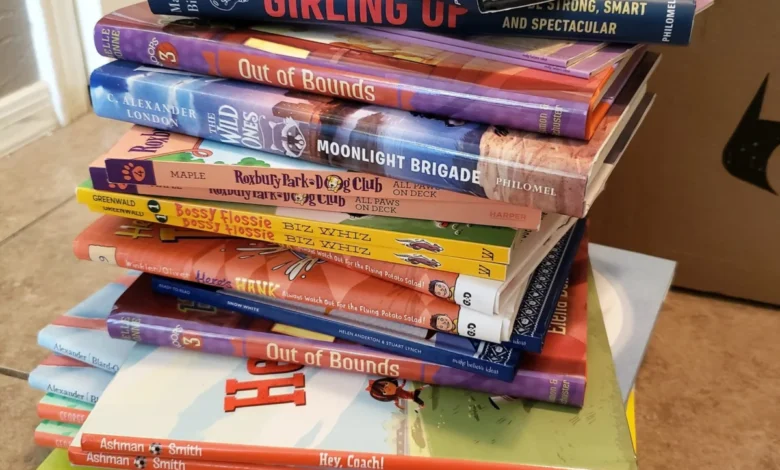
The holiday season traditionally brings a surge of philanthropic activity, with communities rallying to support underprivileged children through toy drives, gift programs, and food banks. However, a significant gap often persists in educational resources, particularly within underfunded public school systems. A recent community initiative launched during the holiday season sought to address this disparity by focusing on a fundamental academic need: library books for Title I schools.
The campaign, which successfully procured and distributed dozens of new books on a minimal budget, highlights innovative approaches to educational philanthropy and underscores the ongoing resource challenges faced by economically disadvantaged schools.
The Genesis of the Initiative: Identifying the Library Deficit
The effort began during a routine district Parent Teacher Association (PTO) meeting. Representatives from various schools gathered to discuss student needs, operational updates, and upcoming community events. During the session, a lone representative for a local Title I school raised a stark concern: the school’s library was severely deficient in reading materials.

Unlike more affluent schools within the same district—which frequently benefit from active booster clubs, corporate sponsorships, and affluent parent-teacher organizations capable of raising substantial funds—this particular institution struggled to secure basic donations. The surrounding community’s financial limitations created a persistent barrier to resource acquisition, leaving students with sparse library shelves and limited access to literature outside of core curriculum textbooks.
The disclosure resonated strongly with attendees who recognized the profound impact of early literacy on academic development. Recognizing the stark inequity within the same school district—where some libraries possessed surplus resources while others lacked basic inventories—organizers determined that a targeted intervention was necessary to bridge the gap.
Strategic Sourcing: Maximizing Impact Through Bargain Literature
A major obstacle in educational philanthropy is the high cost of new books, which can quickly exhaust modest charitable budgets. To maximize the value of their financial contribution, organizers utilized BookOutlet.com, an online platform specializing in bargain and overstock literature.
The inventory on such sites typically consists of new books returned by retail stores to publishers, as well as copies with minor cosmetic damages that do not affect readability. By leveraging these deep discounts, the organizers were able to acquire brand-new hardcover books for as low as $0.69, with even the most expensive selections capping at $1.29.

A modest investment of $40 yielded a total of 44 books. Because the purchase exceeded the site’s $35 threshold, shipping costs were entirely waived. This purchasing model effectively multiplied the purchasing power of the donors, demonstrating how strategic consumer choices can significantly enhance charitable output.
Chronology of the Holiday Book Drive
The execution of the campaign followed a compressed timeline, navigating logistical hurdles common during the peak winter holiday season:
- Early December: The resource deficit at the Title I school was revealed during the district PTO meeting, prompting the development of the book donation plan.
- Mid-December: Organizers utilized online bargain book platforms to curate and purchase a selection of 44 titles, totaling $40 with free shipping.
- December 21: The shipment arrived at the organizers’ residence. Unfortunately, due to standard holiday shipping congestion and courier delays, the delivery occurred one day after the local school district had commenced its winter break.
- Late December/Early January: Rather than viewing the timing as a failure, organizers prepared the materials for a welcome-back surprise for students returning to classrooms in the new year.
- Ongoing: Expansion of the initiative through digital cash-back platforms, where personal shopping rewards are converted into additional book orders for Title I libraries.
Expanding the Scope Through Digital Partnerships
To scale the impact beyond a single purchase, organizers integrated cashback and affiliate platforms into the campaign. By encouraging community members to sign up for rewards programs such as Rakuten, participants could secure cash-back incentives for their own online shopping while simultaneously triggering additional charitable contributions.
Under the terms of this supplementary drive, each new sign-up through designated referral links yields a financial incentive for the user while prompting the organizers to donate an additional $10 worth of books to Title I schools. This model leverages everyday consumer habits to establish a sustainable, recurring revenue stream for educational philanthropy, transforming routine online purchases into measurable community support.

Broader Implications for Educational Equity
The initiative sheds light on systemic funding disparities within public education. Under Title I of the Elementary and Secondary Education Act, federal financial assistance is allocated to local educational agencies and schools with high percentages of children from low-income families. While these funds provide essential operational support, they are frequently earmarked for core instructional staff, mandatory testing, and basic infrastructure, leaving discretionary areas—such as library acquisitions and extracurricular enrichment—underfunded.
Educational researchers have consistently emphasized the importance of access to print materials. Studies indicate that children in low-income neighborhoods have significantly fewer books in the home and less access to robust school and public libraries compared to their peers in wealthier districts. This "print poverty" contributes directly to the achievement gap, affecting reading comprehension, vocabulary acquisition, and long-term academic success.
Grassroots campaigns like the Title I book drive do not replace the need for comprehensive structural reform and equitable state and federal funding formulas. However, they demonstrate the immediate, tangible relief that community-driven interventions can provide. By identifying specific, localized needs and utilizing cost-effective sourcing strategies, everyday citizens can materially improve the educational environment for vulnerable student populations.
Organizers hope that sharing the methodology behind the book drive will inspire similar efforts in other districts, fostering a culture of localized

giving that extends far beyond the traditional holiday giving season and ensures that every student has access to the resources necessary to cultivate a lifelong love of reading.