The Ultimate Insider Guide to Berlin’s Christmas Markets: Where Tradition Meets Urban Diversity

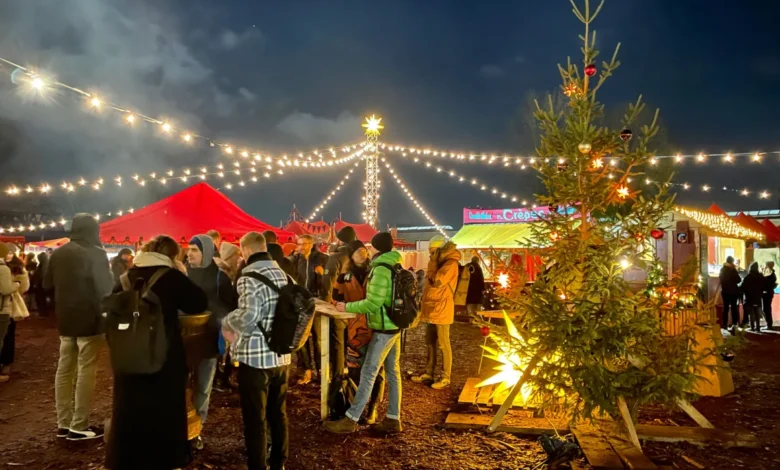
Berlin transforms during the Advent season, shifting from a sprawling metropolis into a constellation of distinct neighborhood celebrations. Unlike other German urban centers such as Munich, Nuremberg, or Stuttgart—each famously anchored by a single, massive historical town square market—Berlin’s approach to the holiday season reflects its decentralized geography and multicultural identity. With more than 70 distinct Christmas markets (Weihnachtsmärkte or Adventsmärkte) scattered across the capital’s boroughs, the city offers an expansive array of experiences ranging from imperial baroque courtyards and medieval historical reenactments to Scandinavian-themed village squares and alternative riverside arts hubs.
Historically, Berlin’s holiday markets lacked the centuries-old singular pedigree found in Southern Germany. However, over the past three decades, the city has cultivated a rich, decentralized festive culture. This evolution has turned Berlin into a premier destination for winter tourism, drawing millions of domestic and international visitors between late November and early January.
The Evolution and Cultural Significance of Berlin’s Holiday Markets
The tradition of the German Christmas market traces its roots back to the Late Middle Ages, initially serving as localized trade fairs where citizens could purchase meat and winter supplies before the onset of deep winter. Over centuries, these gatherings evolved into festive community anchors defined by the scents of roasted almonds, gingerbread (Lebkuchen), and spiced mulled wine (Glühwein).

In Berlin, this tradition adapted to the city’s complex urban layout following reunification. Because the city grew from a patchwork of independent towns and villages, each modern Berlin neighborhood maintains its own civic identity. Consequently, local authorities, cultural foundations, and community associations organize localized markets that cater to specific cultural aesthetics and community interests.
Urban sociologists note that these markets play a vital social role in Berlin, offering an essential communal counterweight to the shortening daylight hours of the Northern European winter. With the sun setting before 4:00 PM throughout December, illuminated market squares become vital public gathering spaces where neighbors, families, and colleagues congregate after the workday.

Major Highlights: Traditional and Architectural Markets
For visitors seeking grand architectural backdrops and classic German holiday traditions, several prominent markets anchor the city’s central districts.
WeihnachtsZauber Gendarmenmarkt
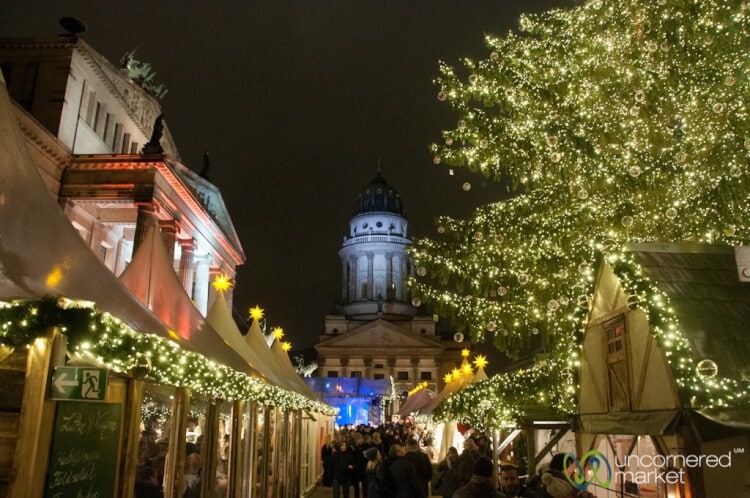
Set against the monumental architecture of the Konzerthaus Berlin and the French and German cathedrals, the Gendarmenmarkt market is widely regarded as one of the city’s most visually stunning festive locations. This market emphasizes high-end handicrafts, artisanal wood carvings, fine art, and gourmet gastronomy rather than mass-produced trinkets. A central heated marquee hosts live classical music, dance performances, and theatrical acts. Visitors frequently seek out the traditional Feuerzangenbowle—a punch made of red wine, rum, cloves, and orange peel, ignited over a sugarloaf—alongside regional culinary specialties. Due to its popularity and historical setting, the market maintains a nominal admission fee to manage visitor capacity.

Schloss Charlottenburg Christmas Market
Framed by the illuminated baroque facade of Berlin’s largest palace, the Charlottenburg market blends fairy-tale aesthetics with grand Prussian history. Operating for over two decades in its current iteration, the market features large traditional wooden Christmas pyramids (Weihnachtspyramiden), festive light displays, and historical carousel rides for children. The surrounding palace grounds provide an expansive promenade where visitors can combine historical sightseeing with seasonal refreshments, including traditional mulled wine and roasted chestnuts.
Niche and Thematic Markets Across the Boroughs
Beyond the central tourist corridors, Berlin’s boroughs host specialized markets that celebrate specific cultural traditions or historical epochs.

Lucia Christmas Market at Kulturbrauerei
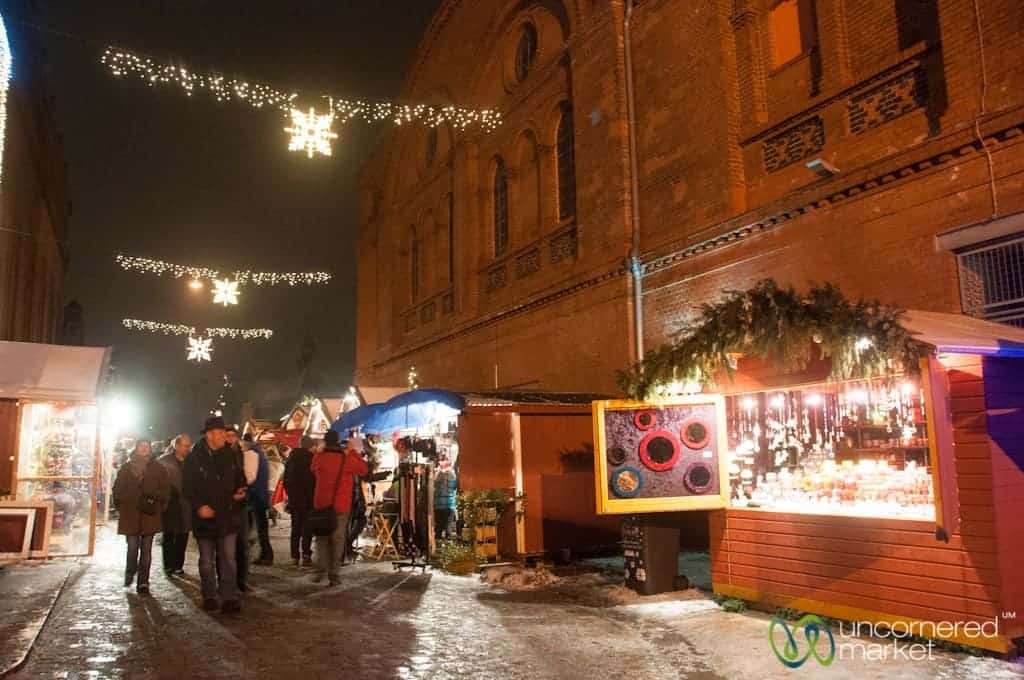
Located within the winding industrial brick courtyards of a 19th-century brewery complex in Prenzlauer Berg, the Lucia Christmas Market focuses entirely on Nordic and Scandinavian traditions. Named after the Swedish festival of lights, the market showcases crafts, textiles, and foods from Sweden, Norway, Denmark, Finland, and Iceland. Culinary offerings depart from standard German fare, featuring Swedish Glögg, reindeer sausage, and Finnish honey treats. Open-air Swedish fire logs (Schwedische Fackel) provide warmth throughout the historic courtyards.
Historical Christmas Market at RAW Friedrichshain
Situated on the alternative cultural grounds of the RAW-Gelände in Friedrichshain, this medieval-themed market transports visitors back to an imagined historical village. Artisans demonstrate traditional trades such as blacksmithing, pottery, and candle-making. The programming includes axe-throwing, archery, hand-operated wooden carousels, and performances by minstrel troupes and fire-jugglers. Food and drink offerings lean toward hearty, historically inspired fare served alongside hot mead and spiced wines in heavy ceramic mugs.
Spandau Old Town and Citadel Markets
Located in Berlin’s westernmost borough, the Spandau Christmas Market transforms the historic Altstadt into a sprawling festive zone. Recognized as one of Berlin’s largest continuous markets, it extends into the Renaissance-era Spandau Citadel. The fortification provides a dramatic backdrop for historical reenactments, craft stalls, and concerts, merging deep historical context with contemporary holiday celebrations.
Neighborhood and Community-Driven Markets
Berlin’s commitment to grassroots community organization is visible in its short-run, neighborhood-specific weekend markets, which often serve charitable purposes.

Alt-Rixdorfer Christmas Market
Held for a single weekend in December around the historic village green of Richardplatz in Neukölln, the Alt-Rixdorfer market is celebrated for its authentic historical atmosphere and charitable mission. The stalls are operated exclusively by local non-profit organizations, schools, and community groups, with proceeds supporting social projects, animal welfare, and neighborhood schools. The market is illuminated entirely by petroleum lamps, avoiding modern electric lighting to preserve a 19th-century village aesthetic.
Heissa Holzmarkt
Positioned directly on the banks of the Spree River in Friedrichshain, Holzmarkt represents Berlin’s contemporary, alternative urban culture. During the Advent weekends, this permanent creative village hosts a winter festival featuring bonfires along the riverbank, silent disco booths, international street food vendors, and independent art installations. It bridges the gap between traditional German market culture and Berlin’s modern artistic ethos.

Practical Planning and Economic Impact
Tourism authorities in Berlin report that the winter holiday season generates significant economic activity, driving hotel occupancy, restaurant patronage, and retail sales across the capital. Most major markets open their gates in late November—typically the Monday following Sunday’s Totensonntag (Sunday of the Dead)—and continue operations through December 23 or 25, with select locations extending through New Year’s Eve.
Visitors planning a holiday trip to Berlin are advised to verify individual market schedules, as many neighborhood and community markets operate exclusively on weekends or during specific Advent windows. Public transportation via the U-Bahn, S-Bahn, and regional rail networks provides efficient access to all major market sites across the city’s boroughs. Entry policies vary; while neighborhood and open-street markets remain free to the public, select historically enclosed markets charge a nominal maintenance fee ranging from one to four euros.

Ultimately, Berlin’s Christmas markets offer a multifaceted reflection of the city itself: a dynamic blend of deep-rooted regional customs, architectural heritage, and contemporary urban reinvention.