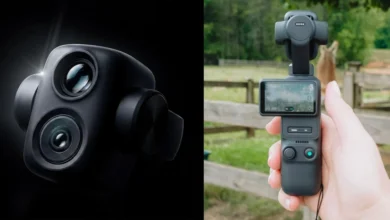
Sony Announces Massive New Video Image Sensor As Nikon Teases ZR Firmware 2.0 And Canon Reports Q3 Financials Amid Rumors Of An Upcoming R7 Mark II


The global digital imaging and photography landscape continues to experience rapid technological shifts, highlighted this week by a series of major developments from the industry’s leading manufacturers. From groundbreaking sensor hardware developments to corporate financial disclosures and upcoming firmware releases, camera brands are pulling out all the stops to capture market share in an increasingly competitive environment. Among the most notable updates are a massive new video-centric image sensor unveiled by Sony, Nikon’s official roadmap for firmware 2.0 targeting the ZR camera line, Canon’s latest Q3 financial results, and mounting industry speculation regarding a potential Canon EOS R7 Mark II.
These developments arrive at a time when content creators, videographers, and professional photographers demand higher performance, greater dynamic range, and more efficient post-production workflows. As hardware capabilities converge with advanced computational photography and color science, manufacturers are under intense pressure to deliver meaningful upgrades that justify high equipment expenditures.
Sony Expands Video Capabilities With a Massive New Image Sensor
Sony Semiconductor Solutions Corporation has long been a dominant force in the global image sensor market, supplying high-performance silicon not only for its own alpha-series mirrorless cameras but also for numerous competing consumer electronics brands, smartphones, and cinema systems. This week, the industry was introduced to Sony’s latest engineering feat: a massive image sensor designed specifically to elevate the standards of professional videography.
While Sony has not yet disclosed every technical specification of the newly announced sensor, industry analysts and hardware insiders suggest that the architecture is optimized for high-resolution, high-frame-rate video capture with significantly reduced rolling shutter artifacts. The modern video landscape relies heavily on large-format sensors that can process vast amounts of data simultaneously without overheating or sacrificing dynamic range. Sony’s new sensor addresses these challenges through advanced pixel-binning techniques, backside-illuminated (BSI) design, and layered CMOS architecture.
The implications of this sensor for future cinema lines and hybrid mirrorless cameras are profound. Videographers have increasingly blurred the lines between dedicated cinema cameras and compact mirrorless bodies. By developing a sensor capable of delivering cinematic performance in a versatile form factor, Sony positions itself to capture an even larger share of the independent filmmaking and broadcast markets. Competitors will undoubtedly need to accelerate their own research and development cycles to match the readout speeds and low-light sensitivities promised by Sony’s new silicon.
Nikon Confirms Firmware 2.0 Release for the ZR Before Year’s End
In an official corporate update this week, Nikon announced that it will roll out the highly anticipated Firmware 2.0 update for the ZR lineup before the conclusion of the calendar year. Firmware updates have become a critical battleground in the mirrorless camera market, transforming existing hardware into vastly more capable tools long after the initial point of sale.
Nikon’s recent strategy has heavily emphasized listening to user feedback, particularly from the hybrid creator community. The announcement of Firmware 2.0 for the ZR series follows a trend of substantial software-based feature additions that Nikon has delivered across its mirrorless ecosystem, including enhancements to autofocus tracking algorithms, custom display layouts, and expanded video recording formats.
Industry observers note that major firmware releases of this scale often include refined subject-detection capabilities, improved white balance stability under difficult artificial lighting, and optimized data transfer speeds. For working professionals who have invested heavily in Nikon glass and bodies, these updates provide substantial added value without requiring the immediate purchase of a new camera body. Nikon’s commitment to delivering Firmware 2.0 before the end of the year reinforces the brand’s dedication to supporting its hardware ecosystem and maintaining customer loyalty in a fiercely competitive market.
Canon Releases Q3 Financial Results Amid Mixed Market Conditions
Corporate transparency remains a vital metric for evaluating the overall health of the imaging industry, and Canon Inc. has officially released its financial report for the third quarter of the fiscal year. As one of the foundational giants in optical engineering and office equipment, Canon’s financial disclosures offer a reliable barometer of broader economic trends affecting consumer electronics and professional imaging gear.
The Q3 report highlights both resilient sectors and ongoing macroeconomic headwinds. While demand for high-end mirrorless cameras and RF-mount lenses among professional and enthusiast demographics has remained relatively strong, supply chain complexities, fluctuating global currencies, and inflationary pressures continue to impact profit margins. Canon’s imaging business segment has leaned heavily on the successful adoption of its EOS R system, which has steadily expanded to cover entry-level full-frame bodies, high-resolution workhorses, and specialized cinema equipment.
Financial analysts reviewing the Q3 data point out that revenue generated from software solutions, remote camera systems, and medical equipment continues to provide a stable financial buffer for Canon. However, the camera division remains the primary focal point for public attention. The steady growth of the RF lens lineup, which now boasts dozens of native options catering to diverse focal lengths and aperture requirements, has played a crucial role in driving hardware upgrades among legacy users transitioning from digital single-lens reflex (DSLR) systems to mirrorless platforms.
Canon Rumors Intensify Regarding the Potential R7 Mark II
Beyond financial data and official hardware roadmaps, the photography world is abuzz with speculation regarding unannounced products. Chief among these rumors is the alleged development of the Canon EOS R7 Mark II, a prospective successor to Canon’s highly regarded crop-sensor flagship mirrorless camera.
The original EOS R7 made significant waves upon its release by offering APS-C shooters a high-speed, high-resolution alternative tailored for wildlife, sports, and action photography. Combining a 32.5-megapixel sensor with blistering electronic shutter
speeds and deep-learning autofocus tracking, the R7 quickly established itself as a formidable tool for enthusiasts who benefit from the "crop factor" reach provided by smaller sensors.
According to emerging industry rumors, a potential R7 Mark II could address minor user critiques of the first-generation model. Speculation points toward potential improvements in buffer capacity, enhanced electronic viewfinder (EVF) refresh rates, refined ergonomics, and potentially a stacked sensor design that would virtually eliminate rolling shutter during high-speed burst shooting. While Canon has neither confirmed nor denied the existence of the R7 Mark II, historical product lifecycles suggest that an update to the APS-C lineup could arrive within the next year to maintain competitive parity with rival offerings from Fujifilm and Sony.
The Broader Implications for the Digital Imaging Industry
When viewed collectively, the events of this week illustrate an industry in constant motion. The technological leap represented by Sony’s new video image sensor underscores the relentless pace of hardware innovation. Simultaneously, Nikon’s targeted firmware updates demonstrate that software longevity is now just as important as initial hardware specifications when consumers evaluate a camera purchase.
Furthermore, Canon’s financial disclosures remind stakeholders of the complex economic realities governing manufacturing, distribution, and research investments. Even as rumors of future gear like the R7 Mark II fuel consumer excitement, manufacturers must carefully balance ambitious engineering goals with pragmatic supply chain management and competitive pricing strategies.
As the year draws to a close, creators and industry professionals alike will closely monitor how these developments materialize. Whether through the official deployment of Nikon’s Firmware 2.0, the eventual commercial integration of Sony’s new video sensor, or official announcements regarding Canon’s next-generation mirrorless bodies, the landscape of digital imaging is poised for continued transformation in the months ahead.
Related posts: