The Dual Lens Xtra Muse 2 Pro Undercuts Insta360 with Sub-$700 Price, But Regulatory Headwinds Loom

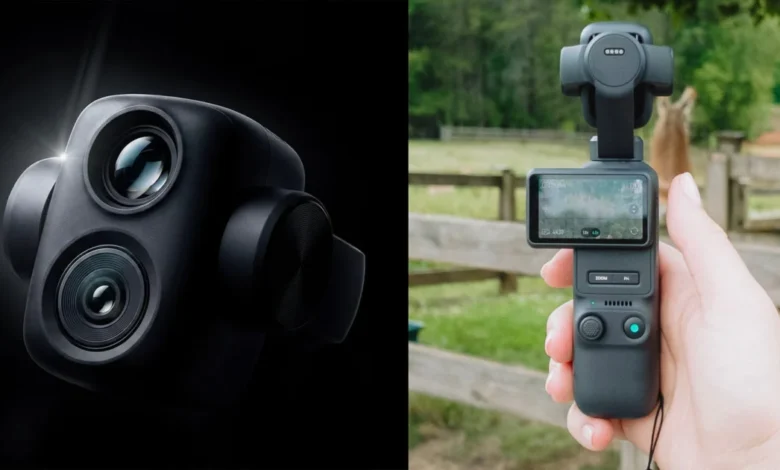
Just days after the U.S. Federal Communications Commission (FCC) intensified its scrutiny of companies allegedly circumventing import restrictions on DJI products, Xtra, a company known for producing camera equipment bearing striking resemblances to DJI’s offerings, has abruptly removed its new Muse 2 Pro from its website. The company has also suspended preorders and initiated a process to refund customers who had placed deposits for the device. This move signals a significant disruption for Xtra and raises questions about the future of similar ventures in the U.S. market.
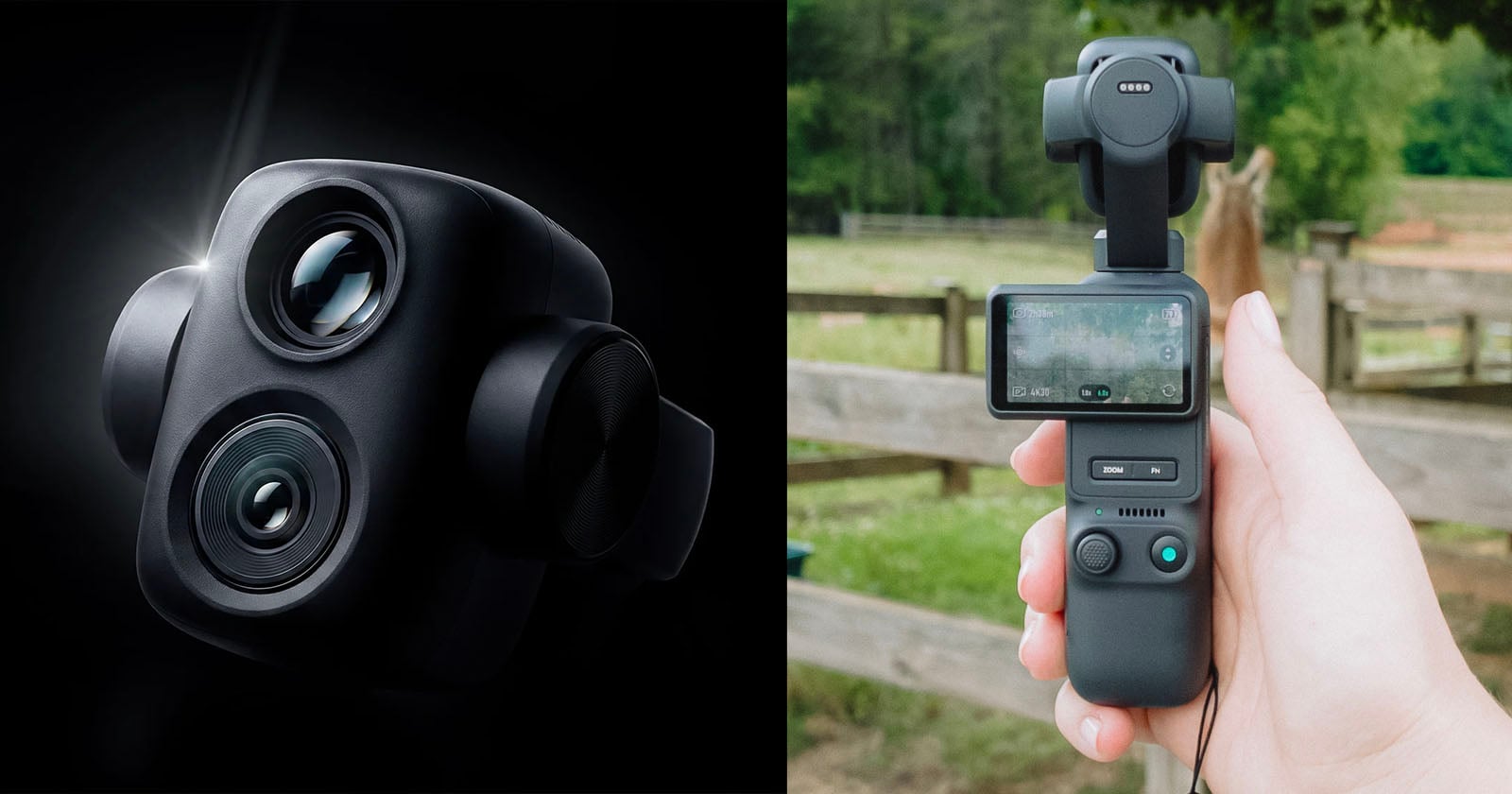
The Xtra Muse 2 and Muse 2 Pro have been widely recognized as near-identical replicas of DJI’s Osmo Pocket 4 and Osmo Pocket 4P models, featuring only minor cosmetic and functional variations. These devices were positioned to enter the U.S. market at a price point significantly below DJI’s own offerings, a strategy that has previously allowed Xtra to successfully introduce other DJI-like products to American consumers despite official DJI products being unavailable due to import restrictions. These restrictions, initially stemming from national security concerns and tariffs, have been a persistent challenge for consumers seeking the latest DJI innovations in the United States.
A Timeline of Regulatory Action and Xtra’s Response
The FCC’s recent actions mark an escalation in its efforts to police the import of technology that may violate existing regulations. The commission began by issuing fines to multiple companies, including Xtra, earlier in July. These initial fines were levied due to the companies’ alleged failure to adequately disclose the origin of the technology used in their products. The prevailing assumption within the industry and among observers is that these undisclosed origins point to the use of banned DJI components.
Following the fines, the FCC announced broader bans targeting companies suspected of bringing banned DJI technology into the U.S. While these new bans are not immediately enforceable, a mandatory 30-day public comment period is in effect, allowing for review and potential objections. However, Xtra’s swift action suggests the company is not willing to wait for the conclusion of this period, indicating a proactive approach to mitigate potential repercussions.
Photographer Francis Alvarez, an early adopter who had preordered the Muse 2 Pro, shared on the social media platform Threads that he received an email from Xtra confirming the suspension of the Early Bird program for the Muse 2 Pro. According to Alvarez’s post, Xtra cited an "inability to confirm a reliable launch timeline at this stage" as the reason for pausing the program. This phrasing leaves the door ajar for a potential future launch in the U.S. market, contingent on regulatory clarity or changes. However, in the interim, the company is proceeding with refunding all customer deposits, a move that underscores the current uncertainty surrounding the product’s market entry.
In its communication to customers, Xtra stated, "We have not announced a new product launch timeline at this time. Further information will be shared separately once the relevant plans are confirmed." This statement reinforces the immediate halt to the Muse 2 Pro’s U.S. market ambitions.
The FCC’s Stance and the "Front Company" Allegations
The FCC’s crackdown on companies like Xtra is rooted in their alleged role as "front companies" that import technology that is otherwise restricted. The commission’s investigations have focused on the lack of transparency regarding the sourcing of components. When companies fail to provide a clear explanation of where their technology originates, especially when the products closely mimic those of a restricted manufacturer like DJI, the FCC can infer that the technology in question is indeed the banned DJI tech. This lack of disclosure is a critical factor in the FCC’s enforcement actions.
The implications of the FCC’s bans are substantial. With no immediate prospect of the import ban on affected DJI products being lifted, the long-term viability of companies like Xtra, which rely on supplying similar technology to the U.S. market, is cast into serious doubt. The regulatory environment has become significantly more challenging, and the FCC appears determined to enforce existing restrictions rigorously.
Background: DJI’s Market Position and U.S. Regulatory Landscape
DJI has long dominated the consumer and professional drone and camera gimbal markets. However, its rapid ascent has also attracted scrutiny from governments worldwide, including the United States. Concerns have ranged from data security and potential espionage risks associated with Chinese technology to trade imbalances and the impact on domestic industries.
The U.S. government has implemented various measures to address these concerns. Tariffs on goods from China have increased the cost of importing DJI products. More significantly, specific bans have been enacted, preventing certain DJI products from entering the U.S. market, often citing national security or intellectual property concerns. These restrictions have created a market vacuum, which companies like Xtra have sought to fill by offering functionally similar, and often cheaper, alternatives.
Xtra’s strategy has been to leverage the demand for DJI-like functionality without directly importing DJI-branded products. By redesigning or re-branding components and devices, they have attempted to navigate the complex web of import regulations. This approach has been successful in the past, allowing them to gain a foothold in the U.S. market. However, the FCC’s recent actions indicate that this strategy is now under intense pressure. The agency appears to be moving beyond simply targeting direct DJI imports to addressing the broader ecosystem of companies that facilitate the entry of restricted technology.
The "Clone" Debate and Intellectual Property Concerns
The practice of creating "clones" or near-identical replicas of popular electronic devices is a contentious issue. While proponents argue it fosters competition and provides consumers with more affordable options, critics contend that it infringes on intellectual property rights, stifles innovation, and can sometimes involve the use of substandard components or unethical manufacturing practices. In the context of Xtra and its relationship with DJI, the debate is further complicated by the regulatory actions of the U.S. government. The FCC’s intervention suggests that the issue transcends simple market competition and enters the realm of national security and compliance with import laws.
The specific products in question, the Osmo Pocket 4 and 4P, represent DJI’s advancements in compact, high-performance camera technology, designed for creators, travelers, and videographers. Their appeal lies in their portability, advanced stabilization, and high-quality imaging capabilities. Xtra’s ability to replicate these features at a lower price point, while attractive to some consumers, has clearly drawn the attention of regulators concerned about the underlying supply chain and intellectual property.
Broader Market Implications and Future Outlook
The current situation has significant implications for the consumer electronics market, particularly for companies operating in the shadow of established giants like DJI. Xtra’s retreat from the U.S. market for the Muse 2 Pro could serve as a cautionary tale for other manufacturers attempting similar strategies. The FCC’s proactive enforcement suggests that the regulatory landscape will likely become more stringent, making it harder for companies to bypass existing import restrictions.
This increased regulatory scrutiny could lead to several outcomes:
- Increased Compliance Costs: Companies will need to invest more in ensuring their supply chains are transparent and compliant with U.S. regulations, potentially increasing the cost of their products.
- Shift in Manufacturing Strategies: Some companies might reconsider their reliance on components that are subject to import restrictions or explore alternative markets outside of the U.S.
- Innovation Focus: The heightened regulatory environment might push companies to focus more on genuine innovation and differentiation rather than on replicating existing designs.
- Market Opportunities for Legitimate Brands: The removal of grey market or replica products could create more opportunities for authorized distributors and manufacturers to offer their products without facing such direct competition.
Xtra’s silence on the matter, beyond the customer-facing refund announcement, and its cessation of communication with publications like PetaPixel, further highlight the sensitive nature of the situation. The company, like many others in this space, faces a precarious future. The FCC’s firm stance and the ongoing regulatory challenges suggest that the era of easily accessible DJI-like alternatives in the U.S. market may be drawing to a close. The outcome of the FCC’s public comment period and any subsequent actions will be closely watched by the industry, as they will undoubtedly shape the future of consumer electronics imports and the competitive landscape in the U.S.
The dual-lens camera market, particularly in the compact gimbal category, has seen tremendous growth, fueled by the demand for high-quality, portable video solutions. While Xtra’s attempt to capitalize on this demand with an affordable alternative was met with commercial interest, its ultimate success in the U.S. market has been stymied by regulatory intervention. The future of such offerings will likely depend on a delicate balance between market demand, technological innovation, and strict adherence to evolving international trade and regulatory policies.