The landscape of digital photography is experiencing a significant and somewhat unexpected shift: the genuine revival of the premium compact camera. Once relegated to the sidelines by the ubiquitous smartphone, these specialized fixed-lens cameras are now experiencing a surge in demand, leading to sell-outs of previously overlooked models, escalating prices, and a re-engagement from manufacturers who had largely abandoned the segment. This resurgence is fueled by a discerning consumer base, primarily individuals who have grown up with smartphone photography but now crave a more deliberate, aesthetically distinct, and ultimately superior image-making experience. Premium compacts are carving out their niche by excelling in one or more key areas where smartphones falter: superior image quality, extended optical reach, advanced video capabilities, or the sheer tactile pleasure and sophisticated user experience they offer.
This comprehensive guide delves into the leading premium fixed-lens compact cameras spearheading this revival. Each camera is evaluated based on its sensor technology, lens performance, handling characteristics, and suitability for specific photographic needs. It is important to define the scope of this analysis. At the upper echelons of the market, cameras like the Leica Q3 and the anticipated Sony RX1R III, while possessing fixed lenses, push the boundaries of what is typically considered "compact" in terms of size and price. Similarly, medium format offerings, such as the Fujifilm GFX100RF, are excluded from this guide due to their substantial physical dimensions, despite their fixed lens configuration. The unifying factors across all cameras discussed are their fixed, non-interchangeable lenses and an unwavering commitment to image quality above the versatility offered by interchangeable lens systems.
The selection process for a premium compact camera often begins with a fundamental choice: prime versus zoom. Fixed prime lenses generally offer superior sharpness, wider apertures for better low-light performance and shallower depth of field, and importantly, encourage a more thoughtful compositional approach by requiring the photographer to "zoom with their feet." Conversely, a short zoom lens provides greater compositional flexibility at the cost of minor compromises in ultimate sharpness and aperture speed. The second critical decision point revolves around sensor size, which directly dictates the camera’s potential for image quality, dynamic range, and low-light performance. Another key consideration is the necessity of a viewfinder – whether an optical viewfinder (OVF), an electronic viewfinder (EVF), or a hybrid system is preferred. Finally, budget remains an ever-present factor, with this category now spanning a wide spectrum from a few hundred dollars to the price of a pre-owned automobile. For those transitioning from smartphone photography, foundational knowledge of camera operation and editing techniques is paramount. Resources such as introductory photography tutorials can provide the essential skills to maximize the potential of any chosen camera.
Fujifilm X100VI: The Benchmark of the Premium Compact Revival
The Fujifilm X100VI has emerged as the definitive camera of the current compact revival, building upon the viral success of its predecessor, the X100V. It continues to set the standard against which other premium compacts are measured. This camera masterfully integrates a large APS-C sensor with a fixed 35mm equivalent lens, a design that appeals to photographers seeking a classic shooting experience. The camera’s exterior is adorned with dedicated physical dials for shutter speed and aperture, offering tactile control that many users find highly rewarding. A signature feature is its innovative hybrid viewfinder, which seamlessly transitions between an optical and an electronic view, catering to different shooting preferences. Fujifilm’s renowned film simulations are a significant draw, enabling photographers to produce distinctive, often post-processing-free JPEGs that many users are content with straight out of the camera. While not the most practically versatile camera in its class, the X100VI arguably delivers the most enjoyable shooting experience, which is the very essence of this category’s appeal.
Ideal For: Photographers who desire a singular, high-performance camera capable of producing exquisite images, coupled with a deliberate and immersive shooting process. It is best suited for those comfortable with a fixed focal length. The primary challenge remains its consistent demand, which often outstrips supply, leading to availability issues.
Ricoh GR IV: The Epitome of Pocketable Prowess
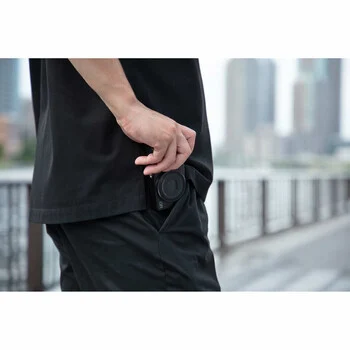
Where many compact cameras offer portability, the Ricoh GR IV achieves true pocketability, a characteristic that has cemented its status as a favorite among street photographers for generations. Set to launch in September 2025, the GR IV retains the esteemed APS-C sensor and a remarkably sharp 28mm equivalent lens within a body so compact it virtually disappears into a jacket pocket, ready for immediate use. This fourth-generation iteration introduces significant enhancements, including improved image stabilization, refined autofocus and low-light focusing capabilities, and integrated crop modes. These advancements are housed within an even more streamlined chassis compared to its predecessor. Ricoh is also offering an HDF (Highlight Diffusion Filter) variant for approximately $1,599, and a dedicated GR IV Monochrome, released in February 2026 at $2,199.95, which features a color-filterless sensor for unparalleled monochrome image rendition.
Ideal For: Street and everyday photographers who prioritize discretion and speed above all else, and for whom video functionality is a secondary concern. For individuals seeking a camera that is consistently on hand, the GR IV stands unmatched.
Panasonic Lumix L10: Versatility Through Zoom
Marking 25 years of the Lumix brand, the Panasonic Lumix L10, announced in May 2026, represents Panasonic’s first premium LX100-style fixed-lens compact in eight years, serving as the spiritual successor to the beloved LX100. Its most compelling feature is the Leica-branded 24-75mm equivalent f/1.7-2.8 zoom lens, paired with a multi-aspect Four Thirds sensor. This versatile range effortlessly transitions from expansive street scenes to intimate short telephoto portraits without the need to change lenses. A dedicated Real Time LUT button allows for in-camera application of custom color grades, and the camera boasts an unusually robust video specification for a stills-focused compact. A notable point for handheld shooting is that the L10 relies on lens-based optical stabilization, unlike the sensor-shift stabilization found in the X100VI and GR IV. The camera is slated for release in June 2026.
Ideal For: Travelers and hybrid shooters who require a compact camera offering a useful zoom range and genuinely capable video performance. It provides a flexible alternative to the fixed-lens commitment of cameras like the X100VI.
Sony RX100 VII: The Pocketable Powerhouse with Extended Reach
The Sony RX100 VII, released in 2019, stands as the oldest camera on this list but continues to be the benchmark for achieving an extraordinary zoom range within a truly pocketable form factor. While its smaller 1-inch sensor cannot rival the image quality of APS-C or full-frame options, its 24mm to 200mm equivalent zoom range is unparalleled in its size class. Leveraging autofocus technology derived from Sony’s professional camera lineup, it delivers remarkably swift performance. It is worth noting that the combined impact of global supply chain challenges and increased tariffs has significantly elevated its price from its initial launch, diminishing its previous value proposition.
Ideal For: Travelers who are unwilling to compromise on pocketability but still require substantial telephoto reach. This camera is best chosen for its exceptional zoom capabilities and speed, rather than its sensor performance.
Sony RX1R III: Full-Frame Power in a Compact Frame
For photographers seeking full-frame image quality in a fixed-lens body at a price point below Leica’s premium offerings, the Sony RX1R III emerges as a compelling option. Announced in July 2025, following a nearly decade-long hiatus for the RX1 series, this camera pairs the acclaimed 61-megapixel sensor found in Sony’s high-resolution Alpha cameras with a fixed Zeiss 35mm f/2 lens and advanced AI-driven autofocus. The resulting image quality is nothing short of extraordinary. The "Step Crop Shooting" feature allows for in-camera framing at 50mm and 70mm equivalent focal lengths, adding a layer of versatility. However, potential buyers should be aware of certain compromises: the absence of in-body image stabilization, a fixed rear screen (not tilting), and modest battery life.
Ideal For: Photographers prioritizing maximum resolution within a pocketable full-frame body, particularly those who favor a 35mm field of view. It represents a direct competitor to the Leica Q3, offering comparable image quality at a significantly lower, albeit still substantial, price point.
Leica Q3: The Pinnacle of Ultra-Premium Full-Frame Compacts
When budget is no constraint, the Leica Q3 stands as the most luxurious compact camera available. It integrates a 60-megapixel full-frame sensor behind a stabilized 28mm f/1.7 Summilux lens, all housed within a meticulously crafted body. The high resolution empowers photographers to make significant crops while retaining remarkable image integrity. For those who prefer a more traditional portrait focal length, the Leica Q3 43 offers an alternative configuration with a 43mm f/2 APO-Summicron lens for approximately $7,950. Both models are testaments to exceptional image quality and artisanal craftsmanship, prioritizing the photographic experience over pure value. Leica has consistently adjusted its US pricing upwards for these models. Furthermore, a Leica Q3 Monochrom variant is available for photographers who exclusively shoot in black and white, featuring a dedicated monochrome full-frame sensor.
Ideal For: The discerning photographer who demands the absolute finest fixed-lens image quality in a compact form factor and is prepared to invest in Leica’s renowned optics, build quality, and esteemed brand prestige.
Leica D-Lux 8: An Accessible Entry into the Leica Ecosystem
For those seeking a taste of the Leica experience at a more attainable price point than the Q3, the Leica D-Lux 8 presents an attractive proposition. It combines a Four Thirds sensor with a versatile 24-75mm equivalent f/1.7-2.8 zoom lens, mirroring the focal range and aperture of the Panasonic Lumix L10. While sharing lens specifications, their capabilities diverge. The L10 benefits from a newer sensor with superior video and autofocus performance, whereas the D-Lux 8 is designed with a stronger emphasis on style and user simplicity. The eighth-generation model incorporates a user interface inspired by the Q-series and, for the first time in the D-Lux line, offers RAW DNG capture, significantly enhancing its appeal to enthusiasts who engage in post-processing.
Ideal For: Buyers who desire the distinctive Leica aesthetic, branding, and color science in a flexible zoom compact without the premium associated with full-frame models. It is the logical choice for those who appreciate the Lumix L10’s lens but desire the "red dot" prestige.
Fujifilm X Half: Embracing Distinctiveness and Character
The Fujifilm X Half, officially designated the X-HF1, stands apart from the conventional, embracing its unique identity. Inspired by half-frame film cameras, it shoots vertically using a compact 1-inch sensor and outputs JPEGs exclusively. The camera is a celebration of Fujifilm’s renowned color science and incorporates playful film camera elements, such as a film advance lever and a faux film window. Its design philosophy prioritizes capturing a specific feeling and aesthetic over raw technical specifications, an objective it achieves with remarkable success. Fujifilm has subsequently reduced the US list price to approximately $649.95, making it the most affordable entry point into this curated selection of premium compacts.
Ideal For: Casual photographers or content creators seeking a fun, characterful everyday camera to complement their smartphone. It is ideal for those who are not driven by specification sheets or the need for RAW file capture.
Canon PowerShot V1: Optimized for Video and Vlogging
For creators whose primary focus lies in video production rather than still photography, the Canon PowerShot V1 warrants serious consideration. This creator-centric compact camera is built around a larger 1.4-type sensor and a wide 16-50mm equivalent zoom lens. It features an integrated neutral density filter, Canon’s highly regarded Dual Pixel autofocus system, and a cooling fan that enables extended recording times. While it may not offer the same level of enthusiast-grade still photography capabilities as the X100VI or L10, it is purpose-built for vlogging, on-camera presentations, and run-and-gun video acquisition in a way that few other cameras in this category can match.
Ideal For: Content creators who require a pocketable camera optimized for video as its primary function, with stills photography as a capable secondary capability.
Navigating Your Choice: A Strategic Approach
The selection of a premium compact camera should fundamentally align with an individual’s shooting style and priorities. For those seeking a single, versatile camera capable of producing exceptional results across a broad range of scenarios and who are comfortable with a fixed focal length, the Fujifilm X100VI remains the undisputed champion. If the paramount consideration is a camera that is invariably with you, the Ricoh GR IV offers unparalleled portability and immediacy. For photographers who value zoom flexibility, the Panasonic Lumix L10 provides a useful focal range with robust video capabilities, while the Sony RX100 VII achieves an even greater reach within a smaller form factor, albeit with a compromise in sensor size.
When the pursuit of the finest image quality is the overriding objective, irrespective of cost, the Leica Q3 leads the pack. The Sony RX1R III offers comparable full-frame resolution at a notably more accessible price point. For those drawn to the Leica brand and its distinctive rendering but seeking a more attainable entry, the Leica D-Lux 8 presents a compelling option. If video production is the primary driver, the Canon PowerShot V1 is the purpose-built solution. Finally, for photographers who simply wish to rediscover the joy and playfulness of the photographic process, the Fujifilm X Half provides a uniquely engaging experience. For those prioritizing maximum resolution above all else, even in a fixed-lens camera, the medium format Fujifilm GFX100RF, though beyond the scope of this "compact" guide, represents the ultimate fixed-lens solution.
Regardless of the chosen camera, a premium compact rewards the dedicated photographer who carries it consistently and develops a deep understanding of its capabilities. For those looking to expand their photographic horizons beyond a single camera system, resources that explore various genres of photography can be invaluable. Furthermore, mastering the art of capturing compelling images while traveling can be significantly enhanced by dedicated guides on landscape photography and post-processing techniques. Ultimately, the premium compact camera renaissance signifies a return to deliberate image-making, a conscious choice to engage with the photographic process on a more intimate and rewarding level.