Tourists Defy Extreme Danger, Tread on Yellowstone’s Grand Prismatic Spring for Photos

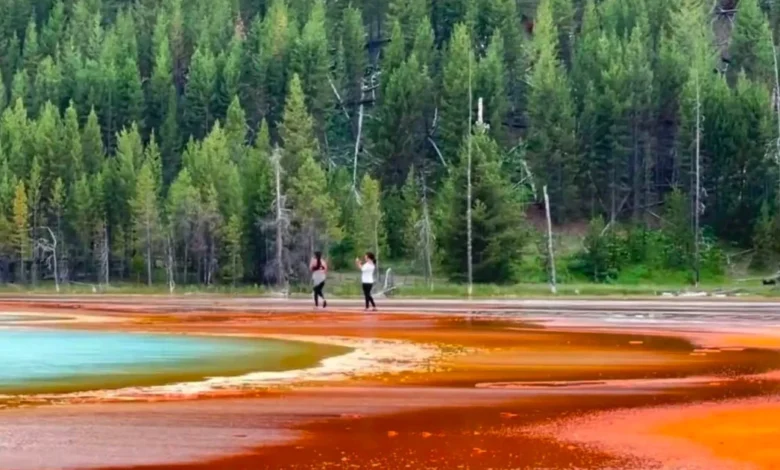
Two tourists have ignited widespread condemnation and outrage after brazenly venturing onto the fragile and perilously hot surface of Yellowstone National Park’s iconic Grand Prismatic Spring, an act that jeopardized their lives and threatened the delicate ecosystem that gives the natural wonder its vibrant hues. The incident, which occurred around 7 P.M. on Sunday, saw the women disregard explicit warning signs and the inherent dangers of thermal features in the park, opting instead to capture photographs of themselves on the geyser’s crust.
Witness Tanya Saueressig, who was present on the Grand Prismatic boardwalk at the time, described her disbelief and horror. "I stopped in my tracks and was like, ‘Is that people? That can’t be people. Nobody’s that dumb,’" Saueressig recounted to Cowboy State Daily. The sight of the individuals casually walking on the spring, mere feet from its scalding waters, sent a wave of anxiety through onlookers who feared a tragic outcome. This fear is rooted in a history of fatal incidents within Yellowstone’s thermal areas.
The Perilous Allure of Grand Prismatic Spring
The Grand Prismatic Spring, the largest hot spring in the United States and third largest in the world, is renowned for its breathtaking spectrum of colors. These vivid shades are not the result of mineral deposits alone, but are created by thermophilic (heat-loving) bacteria and archaea that thrive in the varying temperature gradients of the spring. Different species of these microorganisms, each adapted to specific temperature ranges, produce pigments that range from deep blues and greens in the cooler outer edges to vibrant yellows, oranges, and reds closer to the boiling center. The crust surrounding the spring, which appears solid, is in fact a delicate microbial mat, highly susceptible to damage. Walking on it can crush these organisms, disrupting the ecosystem and potentially altering the spring’s iconic coloration.
The water temperature at the Grand Prismatic Spring can reach a staggering 188 degrees Fahrenheit (87 degrees Celsius), well above the boiling point of water at sea level. This extreme heat makes any direct contact with the water instantly lethal and can cause severe burns even from proximity. Park regulations strictly prohibit visitors from leaving designated boardwalks and pathways in thermal areas to protect both the public and the sensitive geological and biological features.
A Chronicle of Reckless Behavior
According to Saueressig, the two women appeared unconcerned by the extreme risks involved. "You could tell they were just strolling along, taking their selfies, without a care in the world," she observed. "They were totally oblivious to what was right under their feet. You’re causing so much damage with every step you take, and you don’t care." The pair reportedly paused multiple times to pose for photographs, their focus seemingly solely on documenting their illicit excursion.
The incident occurred approximately a year after a similarly distressing event in the same area. In that instance, horrified tourists witnessed a bison fall into the Grand Prismatic Spring and perish. The graphic nature of the bison’s death served as a stark reminder of the deadly forces at play in Yellowstone’s thermal regions. The memory of this event likely amplified the fear and anger experienced by those who witnessed the tourists’ reckless actions.
Official Condemnation and Potential Consequences
While details regarding the identification of the women and whether they were reported to park rangers remain unconfirmed, Yellowstone National Park has a clear and stringent policy against thermal trespasses. Violations can result in significant penalties, including substantial fines, a ban from entering the park, and even jail time. The park service invests heavily in infrastructure, such as boardwalks and warning signs, to guide the vast majority of visitors—estimated at 99.9%—who adhere to safety regulations.
Greg Jackson, formerly the deputy chief of enforcement and security at the National Park Service, commented on the mindset of individuals who disregard such warnings. "Some people see the world differently than the mainstream," Jackson explained to Cowboy State Daily. "You build an infrastructure that’s dedicated to the 99.9% of people that don’t do this, and then you get people who don’t see that infrastructure or decide it doesn’t apply to them." This perspective highlights a persistent challenge for park management: ensuring that a small minority’s disregard for rules and safety does not undermine the experience or endanger the environment for others.
Broader Implications for Yellowstone’s Fragile Ecosystem
The damage inflicted by walking on the microbial mats extends beyond the immediate visual impact. These microorganisms are integral to the unique biogeochemical processes that characterize Yellowstone’s hydrothermal systems. Their destruction can lead to long-term ecological imbalances, potentially affecting the diversity and abundance of other species that rely on these environments. Furthermore, such incidents contribute to a broader narrative of human impact on protected natural areas, raising concerns about the effectiveness of current visitor management strategies and public education efforts.
Yellowstone National Park, a UNESCO World Heritage site, is a global treasure, attracting millions of visitors annually. The park’s geothermal features, including geysers, hot springs, and fumaroles, are a primary draw, offering a glimpse into the Earth’s dynamic geological processes. Maintaining the integrity of these features while accommodating a large visitor base requires a delicate balance and a commitment from both park authorities and the public.
The Grand Prismatic Spring, with its vivid colors and sheer scale, is particularly vulnerable. Its delicate surface crust can be easily fractured, leading to the collapse of the underlying microbial communities. The scientific community has long emphasized the importance of preserving these unique ecosystems, which offer valuable insights into extremophile biology and the origins of life on Earth.
Precedents and the Ongoing Struggle for Safety
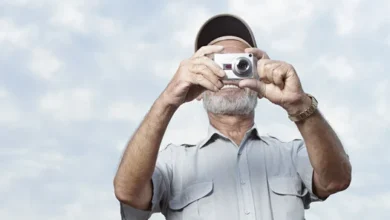
This incident is not an isolated event. Yellowstone has a documented history of visitors engaging in dangerous and destructive behavior. Earlier in the month, a widely circulated video captured a bison tossing a grandfather eight feet into the air after he stopped to take a photograph near the animal at Yellowstone. These recurring events underscore a persistent issue of visitors underestimating the power and unpredictability of wildlife and the inherent dangers of the park’s unique geological features.
The park service continuously strives to educate visitors about the importance of respecting wildlife and adhering to safety guidelines. Information campaigns, interpretive programs, and visible ranger presence are all part of this effort. However, the allure of extreme environments and the desire for unique photographic opportunities can, for some, override judgment and a sense of responsibility.
The condemnation from the public and environmental advocates following the Grand Prismatic incident highlights a growing awareness and concern for the preservation of natural wonders. Social media platforms have become powerful tools for disseminating information about such transgressions, amplifying the outrage and increasing pressure on authorities to enforce regulations effectively.
Future Outlook and the Importance of Responsible Tourism
The long-term implications of repeated thermal trespasses could include increased erosion, alteration of water flow, and a permanent degradation of the microbial communities responsible for the Grand Prismatic’s beauty. This not only diminishes the aesthetic value of the spring but also compromises its scientific and ecological significance.
For Yellowstone National Park to continue to serve as a sanctuary for both its natural wonders and its visitors, a collective commitment to responsible tourism is paramount. This involves not only adhering to park regulations but also fostering a deeper appreciation for the delicate balance of the natural world and understanding the profound impact of human actions. The incident at the Grand Prismatic Spring serves as a stark reminder that some of the most beautiful and awe-inspiring places on Earth demand the utmost respect and caution, a lesson that, for the sake of preservation and safety, must be heeded by all who visit. The park service faces the ongoing challenge of balancing accessibility with conservation, ensuring that the unique and fragile ecosystems of Yellowstone are protected for generations to come, even in the face of human curiosity and a drive for the perfect photograph.
Related posts: