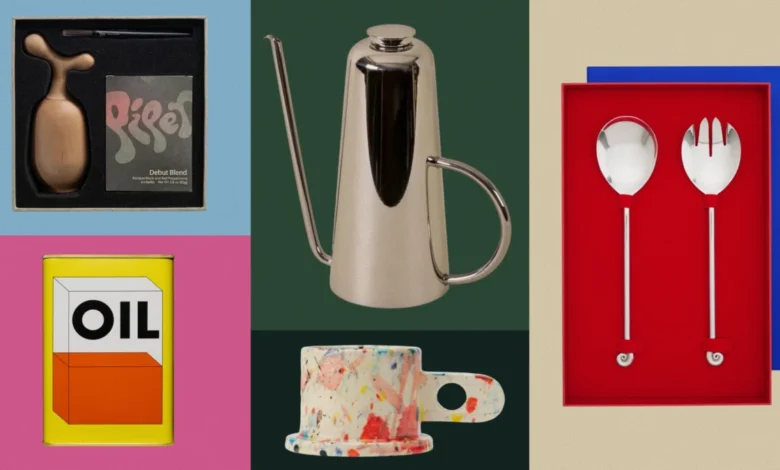
The annual tradition of holiday gift-giving serves as a barometer for consumer trends in the culinary landscape, reflecting an increasing emphasis on both functional utility and aesthetic craftsmanship. As the 2026 holiday season approaches, market data indicates a shift away from generic kitchen gadgets toward artisanal, specialized tools and curated experiences that enhance the home-cooking environment. This year’s selection process prioritizes items that balance professional-grade performance with the design-forward sensibilities of modern home interiors.

For the food-focused individual, the ideal gift increasingly bridges the gap between professional equipment and home comfort. This curated list explores essential categories, ranging from high-design tabletop accents and sophisticated kitchen accessories to experiential subscriptions that cater to the evolving tastes of the modern gourmand.

The Rise of Design-Forward Tabletop Essentials
In recent years, the intersection of culinary utility and interior design has become a significant focal point for consumer spending. The modern kitchen is increasingly treated as a central living space, driving demand for products that are as display-worthy as they are functional.

The Sophie Lou Jacobsen Verre Glasses exemplify this trend. By offering a product that serves equally well for casual daily use—such as iced lattes or water—and as an elegant vessel for dinner parties, manufacturers are addressing a consumer desire for versatility. Sturdy, borosilicate glass designs that resist the wear of daily handling are currently outpacing more fragile, purely decorative glassware in sales volume.

Similarly, the market for olive oil storage has seen a transition from plastic or mass-produced glass to durable, aesthetic vessels. The Holcomb stainless-steel oil can serves as a prime example. Beyond the functional benefit of a dripless pour, these items cater to the trend of keeping staples readily accessible on kitchen counters. This shift is supported by broader interior design movements that favor minimalism and high-quality materials like stainless steel, wood, and ceramic.

For those who prioritize the sensory experience of dining, the inclusion of "whimsical" serving sets, such as those from Lazy Jamie, highlights a desire for personality in the dining room. Dishwasher-safe materials that do not sacrifice design complexity indicate that contemporary consumers are unwilling to choose between convenience and style. Furthermore, the resurgence of butter as a culinary cornerstone is reflected in the popularity of specialized storage. The East Fork handblown glass butter keeper, which utilizes a water-seal mechanism to maintain room-temperature freshness, represents a return to traditional, analog cooking methods that have found a new audience among modern home cooks.

Kitchen Accessories: Precision and Longevity
The kitchen accessory market is currently dominated by a demand for "heirloom-quality" items. This shift is a reaction against the culture of disposable kitchenware. Consumers are increasingly willing to pay a premium for products that offer a lifetime of use.

The Field Company No. 5 Cast Iron Chef Skillet is a case study in this philosophy. By refining the traditional, heavy-set cast iron design into a lighter, more ergonomic tool with sloped edges, manufacturers are making high-performance cooking accessible to a wider demographic. Industry analysts note that sales of premium cast iron have seen a consistent upward trajectory since 2023, as home cooks prioritize durability and the non-stick properties that develop over time with proper maintenance.

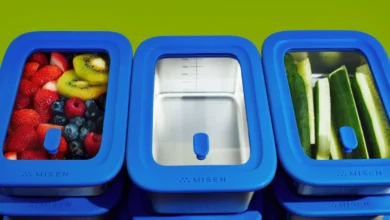
Storage solutions have also seen a technological upgrade. Misen’s recent line of stainless-steel containers represents a departure from traditional plastic or glass storage. By focusing on modularity, leak-proof seals, and oven-safe durability, brands are capturing a market segment tired of replacing cracked or stained containers. The "Gear of the Year" status often attributed to such products suggests that utility, combined with superior material engineering, remains the most effective driver of brand loyalty in the kitchenware sector.

Professional-grade tools have also entered the domestic space. The Niwaki Mainichi kitchen scissors are a prime example of repurposing professional-grade Japanese steel for home use. With added features such as integrated nutcrackers and bottle openers, these tools reduce the need for clutter while maintaining a high standard of sharpness and precision.

The Growth of Curated Culinary Subscriptions
The subscription economy has matured significantly in the food sector, shifting from simple convenience boxes to highly curated, specialized discovery services. This is particularly evident in the coffee industry.

The Podium Coffee Club, specifically their "Podium Platinum" tier, illustrates a pivot toward educational and experimental consumption. By sourcing beans that have been recognized at major US coffee competitions, the company provides a gateway for consumers to explore complex flavor profiles and processing techniques—such as the Black Honey process or lactic fermentation—that were once reserved for professional baristas. According to internal industry reports, the demand for "experimental" coffee processing has grown by approximately 15% year-over-year, as consumers look to replicate the experience of artisanal cafes at home.

Wine subscriptions, such as those offered by Parcelle, have also evolved. Instead of offering broad, randomized selections, these services are increasingly focusing on regional expertise and curated themes. This allows consumers to build a palate-specific collection over time. The success of these models is rooted in the "curation-as-a-service" concept, where the consumer pays for the expertise of the merchant as much as the product itself.

The "Merch" Renaissance: Brand Identity in the Kitchen
The branding of food-related companies has transcended traditional product placement. Today, food brands such as Fly By Jing, Fishwife, and Barney Greengrass operate as lifestyle entities. This has led to a "merch renaissance," where fans of a particular brand purchase apparel and accessories that signify their alignment with a specific culinary subculture.

Whether it is a branded sweatshirt from a popular chili crisp manufacturer or a vintage-style t-shirt celebrating the 100-year anniversary of a legendary appetizing store, these items function as social signaling. For the gift-giver, this category provides a low-risk, high-reward option. It connects the recipient to a community of like-minded enthusiasts, turning a simple purchase into a form of identity expression.

Cookbooks and the Preservation of Culinary Knowledge
Despite the digitization of recipes, the physical cookbook remains a cornerstone of the culinary gift market. High-end, comprehensive volumes that provide both technique and cultural context are experiencing a resurgence.

Phaidon’s massive, multi-volume sets—such as the Le Cordon Bleu Culinary Arts School series—serve as both educational resources and status objects for the home library. Simultaneously, publishers are finding success with books that blend narrative history with culinary application. The "Curious Lives of Vegetables" by Ali Francis serves as a prime example, providing readers with the cultural and historical context of their ingredients, thereby elevating the act of cooking from a chore to a scholarly pursuit.

Summary of Market Implications
As we move into 2026, the food gift market is clearly defined by three main pillars:

- Craftsmanship and Durability: The decline of "fast kitchenware" in favor of items that are built to last and designed to be displayed.
- Expertise and Education: The growth of subscription services that allow home cooks to learn about complex processes, varietals, and flavor profiles.
- Community and Identity: The blurring of lines between food brands and fashion, where apparel and accessories serve as markers of culinary literacy.
This holiday season, the most successful gifts will be those that provide value beyond the initial exchange—either through the longevity of a well-made tool, the discovery provided by a subscription, or the cultural enrichment found in a well-researched cookbook. As consumers become more discerning, the focus on "methodically perfected" quality will likely continue to dictate the trends for the coming year.