Why The Grand America Hotel Stands Out as a Premier Destination for Families Visiting Salt Lake City


The Grand America Hotel, located in the heart of Salt Lake City, Utah, has solidified its reputation as a premier destination for travelers, particularly those navigating the challenges of family tourism. While the property’s architectural grandeur—characterized by its European-inspired aesthetic and 24-story stature—often leads observers to categorize it as a strictly adult-oriented luxury venue, recent operational trends indicate a strategic pivot toward inclusive, multi-generational hospitality. By integrating specialized amenities, such as dedicated children’s programming, unique retail experiences, and high-end culinary options that accommodate younger palates, the hotel has become a central point of interest for domestic family travel in the Mountain West.
Historical Context and Architectural Significance
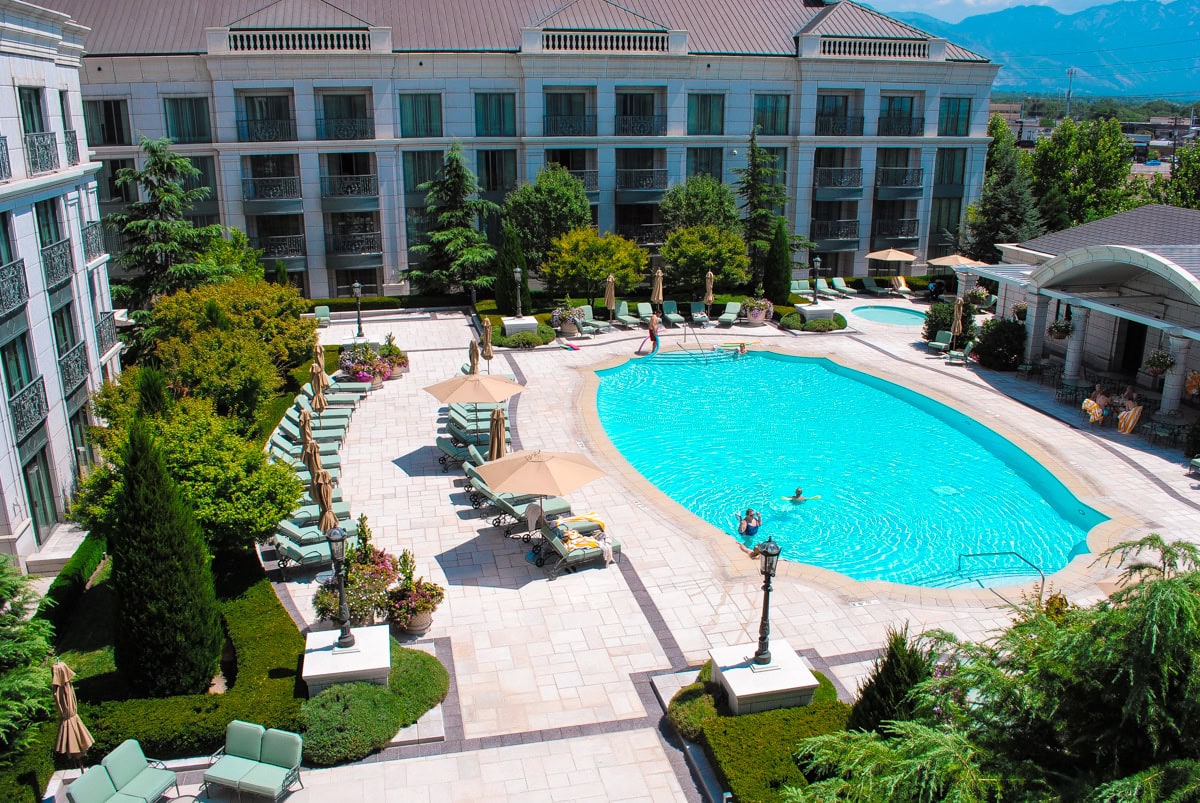
Opened in 2001, The Grand America Hotel was conceived as the cornerstone of luxury lodging in Salt Lake City, coinciding with the city’s preparation for the 2002 Winter Olympics. The property was designed to project a sense of timeless elegance, utilizing extensive marble, custom-designed furniture, and fine art. Over the past two decades, the hotel has navigated the evolution of the hospitality industry, shifting from a focus on international summit-level luxury to a more diverse portfolio that includes family-centric leisure travel. The integration of family-oriented services has not compromised the venue’s architectural integrity; rather, it has expanded the demographic reach of the property, proving that luxury and family accessibility are not mutually exclusive.
Infrastructure for Families: Pools and Recreation
Central to the hotel’s appeal for families are its dual-pool facilities, which serve different seasonal needs. The outdoor pool, situated within a courtyard designed to evoke a sophisticated, early-20th-century aesthetic, offers a controlled environment for family recreation. The inclusion of comprehensive beverage services directly to poolside seating reflects an operational model that prioritizes convenience for parents managing active children.
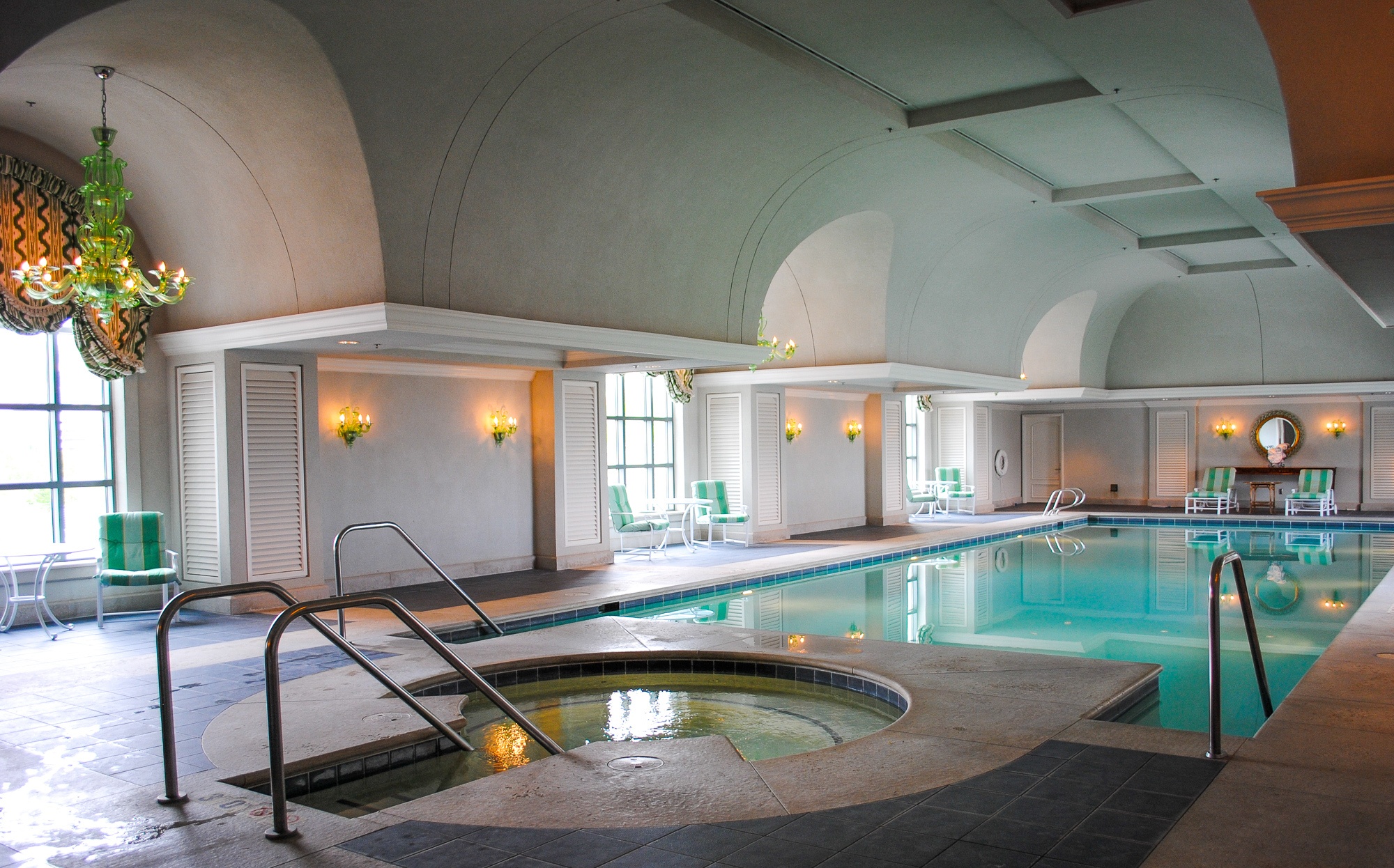
Complementing the outdoor space is the year-round indoor pool, located on the fourth floor. This facility is notable not only for its utility but for its integration of high-design elements, such as Chihuly-inspired blown-glass chandeliers. From a logistical standpoint, the indoor pool provides a reliable recreational outlet during Utah’s colder months, allowing the hotel to maintain high occupancy rates regardless of external weather conditions.
Retail and Culinary Integration: The JouJou Experience
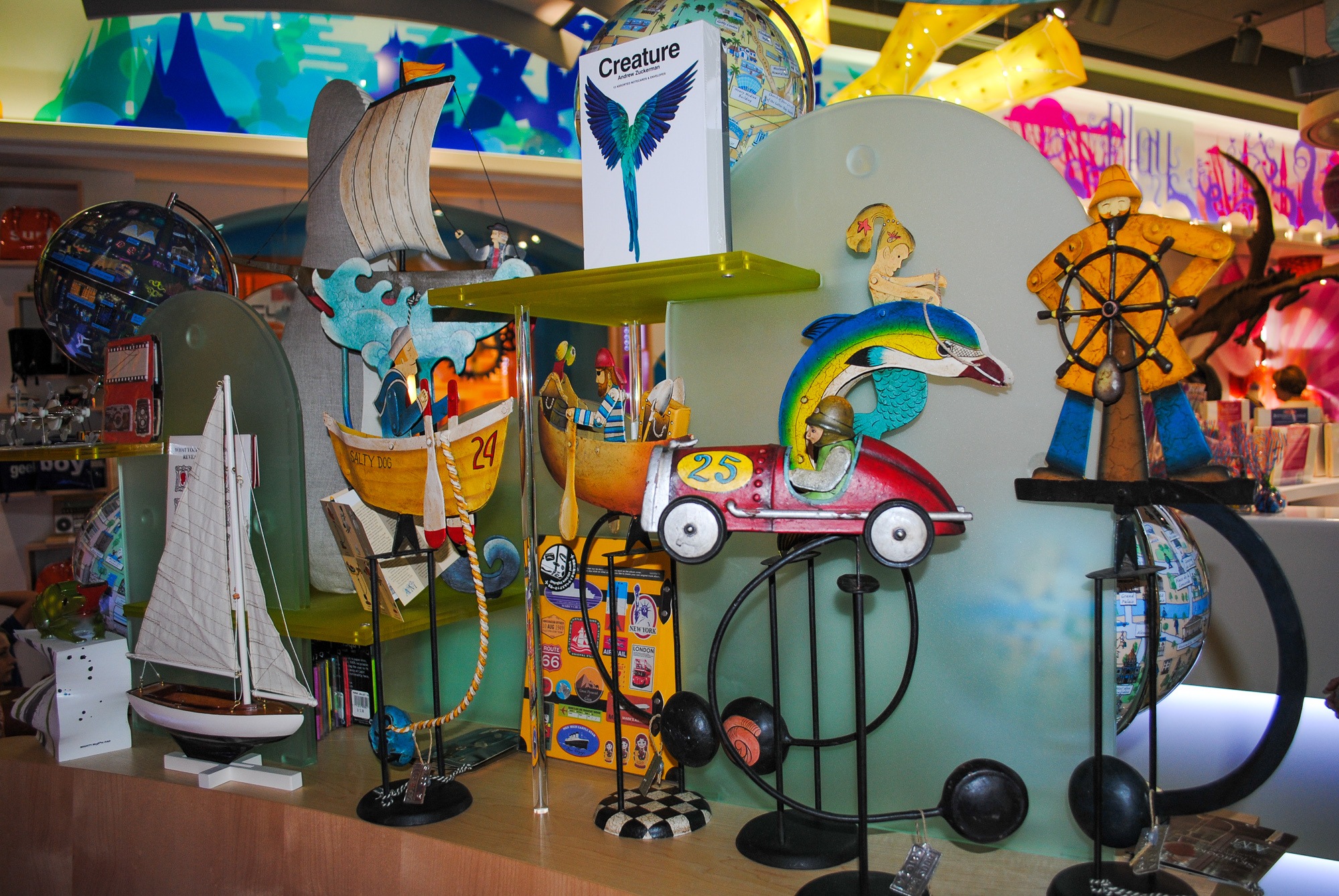
A significant differentiator for The Grand America is its on-site retail and dining strategy. The JouJou Toy Store serves as more than a standard gift shop; it functions as an interactive, experiential destination for children. By incorporating kinetic displays, interactive art, and a curated selection of both vintage and modern toys, the hotel enhances the value proposition for guests traveling with children.
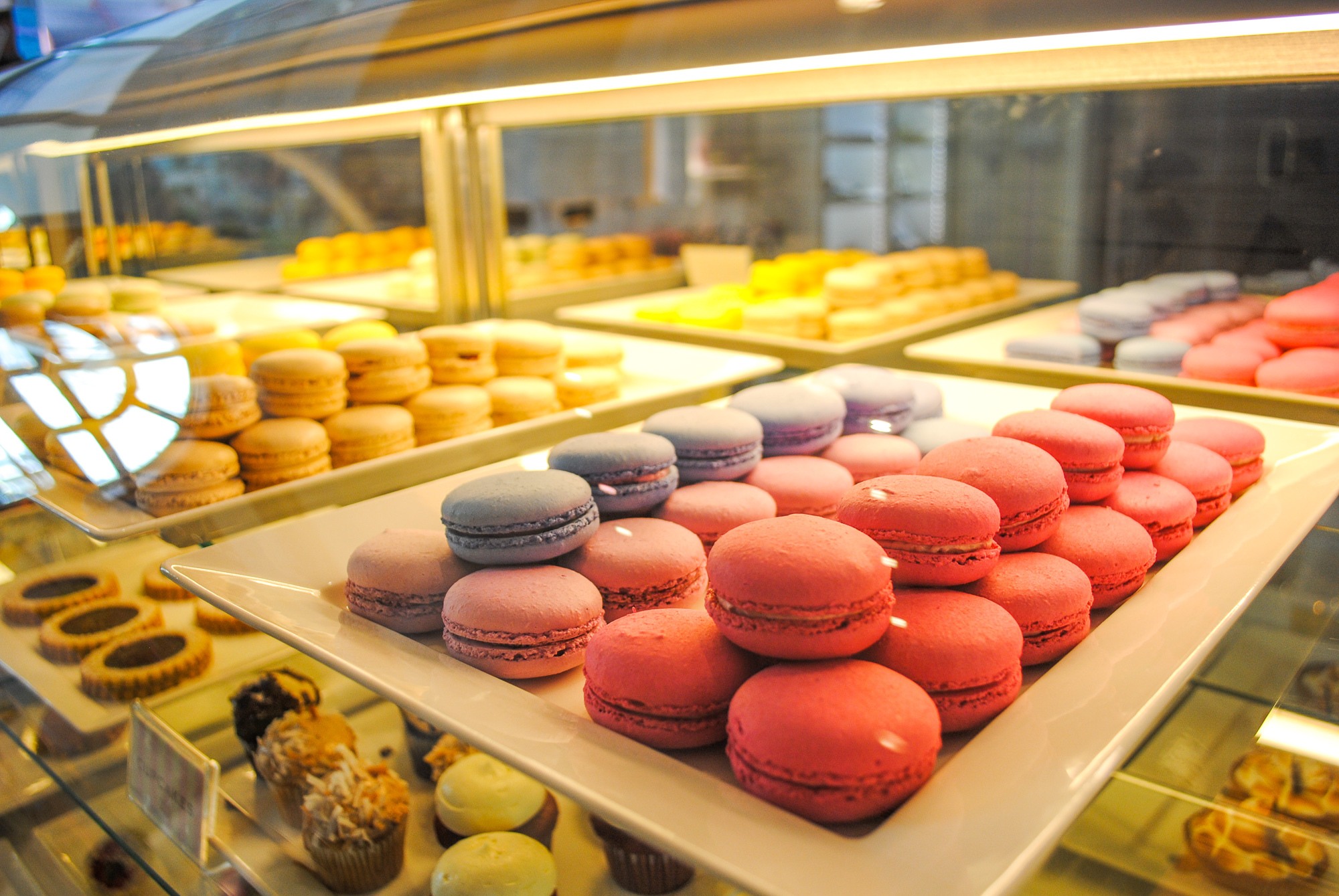
Parallel to this, the culinary offerings at the hotel—specifically at the on-site patisserie, La Bonne Vie—cater to a younger demographic without abandoning the hotel’s high-end identity. The focus on artisanal French-style pastries, gelato, and high-quality confections provides a secondary revenue stream while simultaneously creating memorable experiences for families. Data from recent hospitality surveys suggest that properties offering "destination" retail experiences within the hotel grounds see a 15% increase in guest satisfaction scores among families with children under the age of 12.
Family-Centric Dining Dynamics
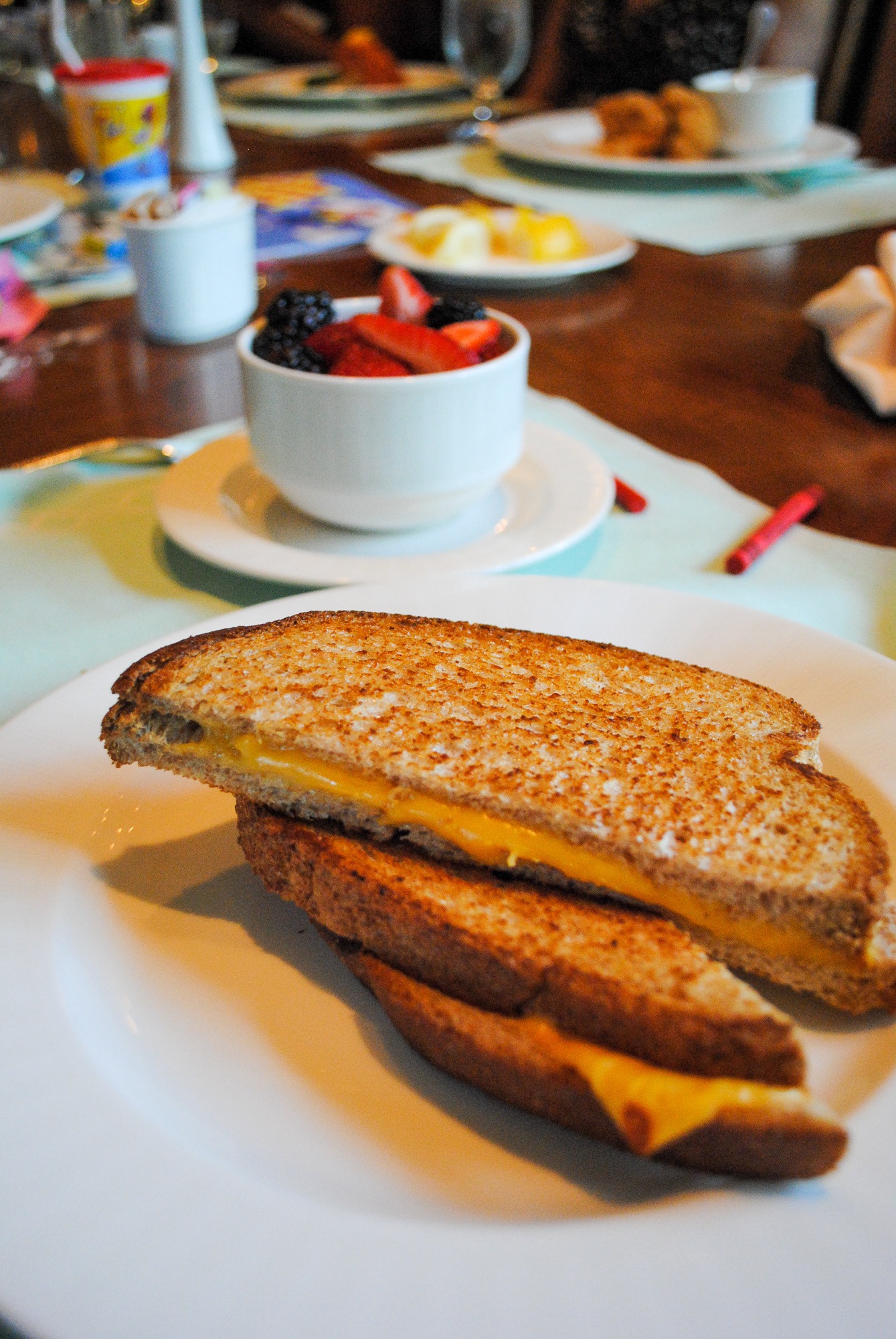
The Laurel Brasserie & Bar, a primary dining venue on the property, illustrates the hotel’s approach to family-friendly fine dining. The venue bridges the gap between sophisticated service and accessibility through features such as dedicated children’s sections during brunch hours and live cooking stations that minimize wait times—a critical factor for parents with young children. Furthermore, the hotel’s commitment to afternoon tea, often incorporating themed events such as princess-focused programming, highlights an intentional effort to capture the "special occasion" travel market. These activities provide a structured itinerary for families, reducing the friction often associated with planning excursions in an unfamiliar city.
Operational Amenities and Logistics
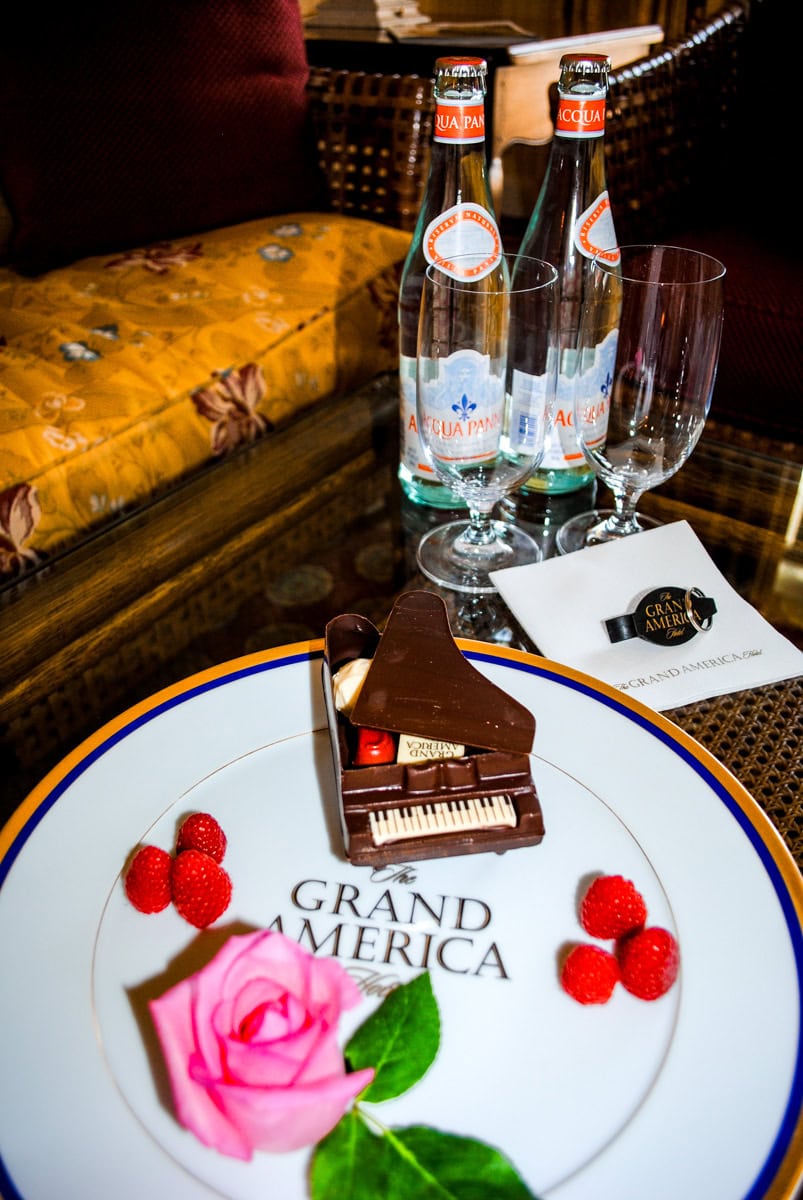
The Grand America Hotel’s operational efficiency is bolstered by a suite of amenities specifically requested by parents. These include the standard availability of cribs, high chairs, and bottle-warming services, which are fundamental for modern family travel. Furthermore, the hotel offers "VIP Amenities," such as the signature Chocolate Grand Piano, which allows guests to customize their stay. This level of service, while common in ultra-luxury segments, is increasingly being demanded by the mid-to-high-tier family market. By standardizing these offerings, the hotel reduces the stress of logistics for parents, a factor that correlates strongly with return-guest loyalty.
Broader Impact and Local Tourism Implications
The presence of a luxury hotel that actively courts families significantly impacts the tourism ecosystem of Salt Lake City. As the city continues to promote itself as an outdoor adventure hub, The Grand America serves as an anchor for those visiting the nearby Natural History Museum of Utah, Red Butte Garden, and the various children’s museums in the downtown core.
Analysis of the local tourism sector suggests that the hotel’s ability to attract families acts as a catalyst for local economic activity. When families choose to stay at a centrally located luxury property that provides extensive on-site amenities, they are more likely to utilize downtown transit and visit adjacent cultural centers. This "hub and spoke" model of tourism—where the hotel acts as the secure, high-comfort base for daily excursions—is becoming the preferred strategy for affluent families traveling to metropolitan areas.
Fact-Based Analysis of Future Trends
Looking ahead, the hospitality sector in the United States is seeing a shift toward "lifestyle-integrated luxury." Hotels that fail to cater to the logistical needs of modern families are finding themselves limited to business or convention travel. The Grand America’s success suggests that the future of urban luxury lies in the ability to balance high-design environments with the practicalities of child-rearing.
The hotel’s commitment to maintaining its aesthetic standards—marble surfaces, original floral arrangements, and high-end furniture—while simultaneously welcoming a demographic that is inherently more "active" (and at times, less delicate) than the traditional business traveler, serves as a case study in effective operational management. By providing a "best-of-both-worlds" experience, the hotel minimizes the traditional trade-off between comfort and convenience.
Conclusion: A Strategic Equilibrium
The Grand America Hotel has successfully navigated the complexities of positioning itself as a luxury brand that is simultaneously accessible to families. By focusing on high-quality, tangible experiences—from the artistry of the indoor pool to the curated retail of the toy store—the property has ensured its relevance in a competitive market. For families planning a visit to Salt Lake City, the hotel provides a consistent, high-standard environment that simplifies the logistics of travel while offering a level of opulence that enhances the vacation experience. As the industry continues to evolve, the integration of these family-focused services will likely remain a hallmark of successful, modern, luxury-tier hospitality.