Fly Tot Plus Review: Assessing the Utility of Inflatable Airplane Bed Technology for Modern Family Travel

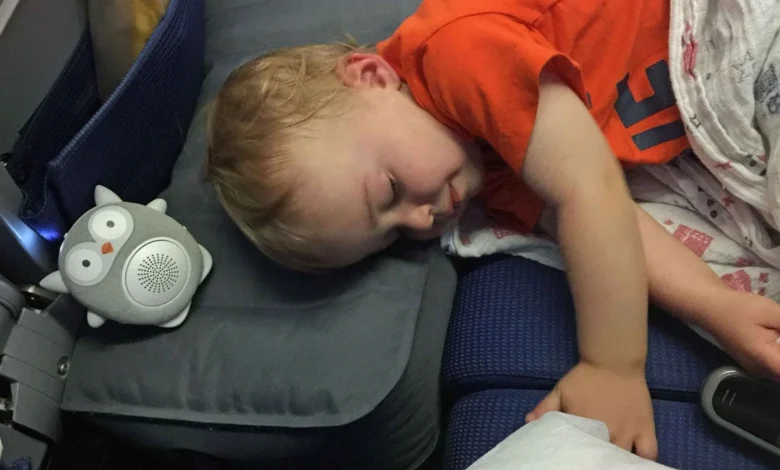
Flying with young children remains one of the most significant logistical challenges for modern families, particularly during long-haul international transit. The physical constraints of standard economy-class seating, combined with the physiological and behavioral needs of toddlers, often result in sleep deprivation and heightened stress for both parents and children. In recent years, the market for "inflatable airplane beds"—cushions designed to fill the legroom gap between an airplane seat and the seat in front—has expanded to address these challenges. Among the most prominent products in this category is the Fly Tot Plus, an evolution of the original inflatable travel bed that has become a staple for many traveling families.

The Evolution of In-Flight Comfort for Toddlers
The fundamental concept behind the Fly Tot is to create a flat, extended surface area that allows a child to lie down, effectively turning an economy seat into a makeshift bed. This design originated from a necessity identified by frequent travelers who found that traditional lap-carrying methods were unsustainable for flights exceeding several hours. The original version of the product gained popularity roughly a decade ago, providing a solution that allowed children to sleep horizontally, thereby reducing the irritability associated with prolonged sedentary travel.

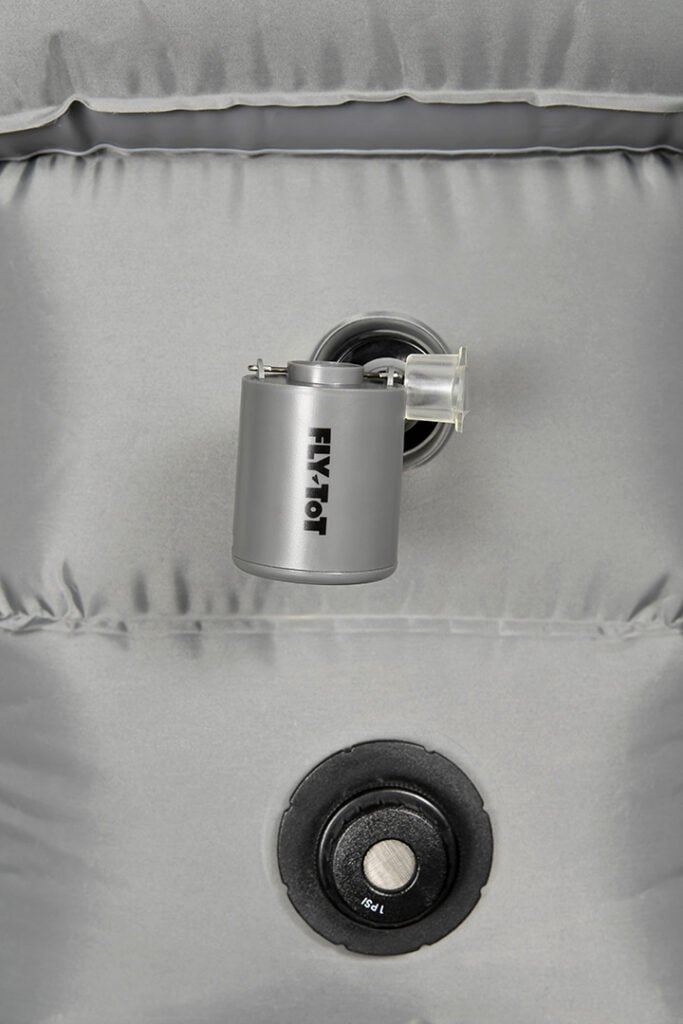
The current iteration, known as the Fly Tot Plus, incorporates several engineering updates designed to address common criticisms of earlier models and to align with evolving aviation standards. Key enhancements include a patented two-width design, which allows the cushion to fit a wider range of aircraft seat configurations, and the inclusion of a rechargeable electric pump. This replaces the bulky manual pumps of the past, significantly reducing the weight and volume of travel gear required in carry-on luggage. Furthermore, the product now features an automatic safety release valve, a critical addition designed to mitigate risks associated with sudden changes in cabin pressure.
Operational Guidelines and Safety Considerations
It is important to distinguish between a convenience product and a child restraint system. Manufacturers and aviation safety experts emphasize that the Fly Tot Plus is not a replacement for a child’s safety belt or an FAA-approved car seat. When in use, children must remain securely buckled according to the airline’s safety regulations.
A critical, often misunderstood aspect of these devices is the variation in airline policy. There is no global, unified standard for the use of inflatable leg rests or bed extensions. Airlines categorize these devices differently, with some explicitly permitting them, others prohibiting them, and a vast majority leaving the final determination to the discretion of the flight crew on a case-by-case basis. Consequently, the consensus among industry experts is that parents must contact their specific carrier well in advance of their departure date to confirm the legality of the device on their specific flight route and aircraft type.

Structural and Technical Enhancements
The technical design of the Fly Tot Plus demonstrates an effort to integrate with modern in-flight environments. The two-width configuration is intended to accommodate both standard economy and premium economy seats, while the tapered base is specifically engineered to avoid obstructing access to life jackets or in-flight entertainment hardware stored beneath the seats.

The integration of the "Tiny Pump"—a palm-sized, rechargeable unit—represents a shift toward minimizing the physical footprint of travel accessories. Inflation can now be completed in under sixty seconds, a notable improvement in efficiency for parents operating in the cramped quarters of an economy cabin. The incorporation of a safety-conscious automatic deflation valve is perhaps the most significant structural change, ensuring that in the event of an emergency or cabin depressurization, the device does not interfere with safety protocols.
Chronology and User Experience Trends

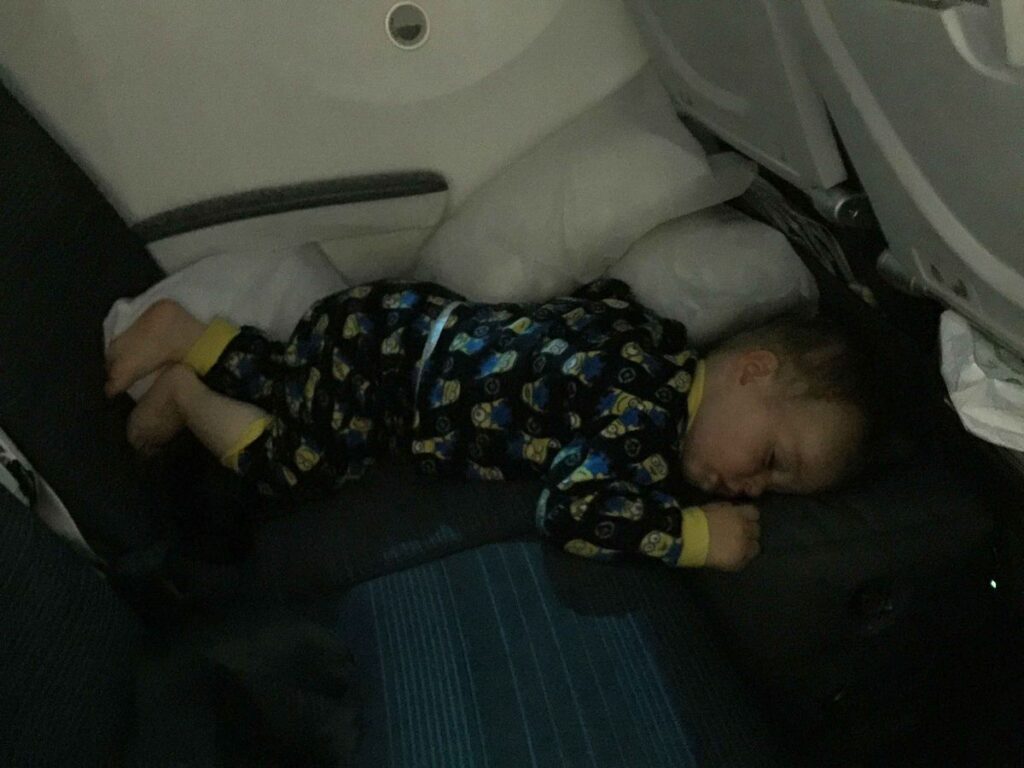
For families embarking on long-haul travel, the use of such devices often correlates with a marked shift in the quality of the flight experience. Data from long-term users suggests that children who are provided with a dedicated, flat space to lie down are more likely to achieve sustained sleep, which subsequently reduces the likelihood of disruptive behavior.
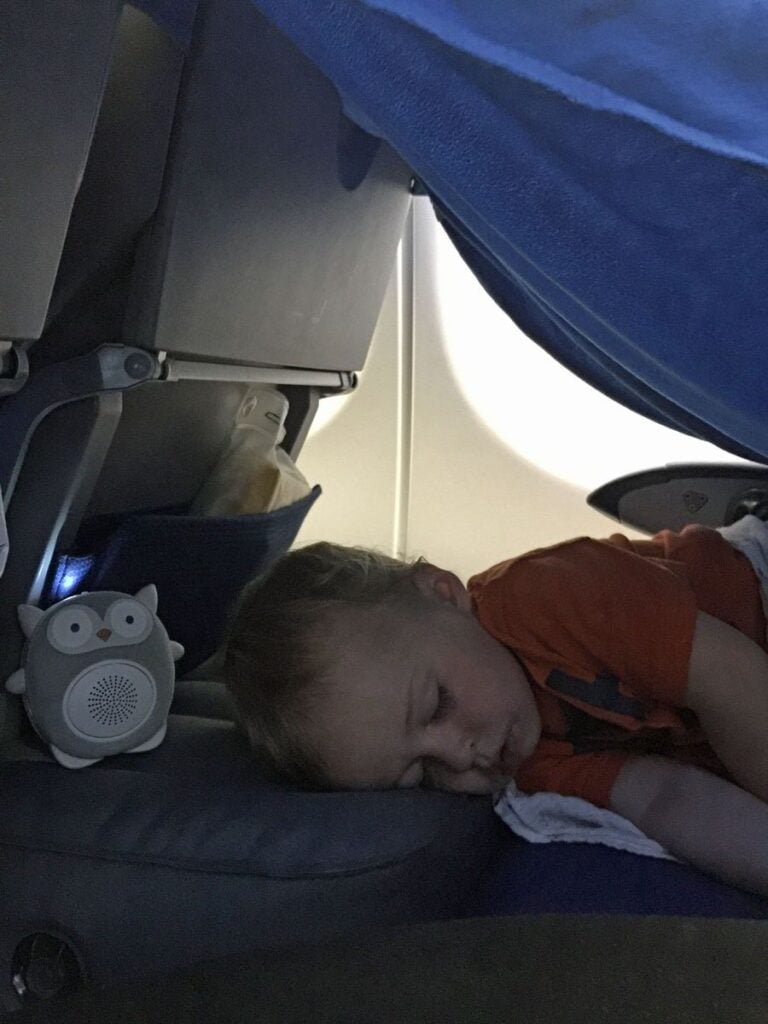
In a typical case study of an international flight, such as a ten-hour red-eye from North America to Asia, the use of a seat extender allowed toddlers to transition from an agitated state—characterized by the inability to sit still—to a state of rest. By providing a flat surface, the device allows for a variety of postures, including lying on one’s side or stretching out completely, which is nearly impossible in a standard, fixed-position airplane seat. This physical comfort, combined with the psychological security of having a "personal space" on the plane, has been cited as a primary factor in successful long-haul trips.
Analysis of Impact and Economic Considerations
From an economic perspective, the decision to invest in an inflatable travel bed requires a cost-benefit analysis based on travel frequency. For families planning a single trip, the cost may be difficult to justify relative to the rental or alternative options available. However, for frequent travelers, the cost of the device is often offset by the reduction in travel-related stress and the increased probability of arriving at a destination with a well-rested child.

There is also a broader impact on cabin logistics. Flight attendants, who are responsible for the safety and comfort of all passengers, generally approach these devices with caution. While they can be a boon for parents, they must not impede the flow of passengers or the ability of others to reach the aisle. The "Hall of Fame" of successful usage, as documented by many families, consistently highlights that the most successful flights are those where the device is used in a window seat or a middle seat that does not block another passenger’s access to the aisle.
The Role of Cabin Crew and Discretionary Approval
Regardless of a product’s technical specifications or manufacturer claims, the final word on any flight rests with the cabin crew. It is standard operating procedure for flight attendants to require the immediate stowage of any device that they deem a safety hazard or an obstruction. Consequently, parents are advised to maintain a cooperative and respectful demeanor toward the crew.
Recent industry reports indicate that some airlines have become more stringent regarding the use of "seat extenders" due to concerns regarding passenger evacuation protocols. As a result, the "pro-tip" for modern travelers is to remain prepared for a scenario where the crew may request that the device be deflated and stored. Having a backup plan—such as extra entertainment or comfort items—is essential for mitigating potential frustration if the device is disallowed.

Best Practices for Modern Travelers
To maximize the efficacy of a product like the Fly Tot Plus, experienced travelers recommend a rigorous set of best practices:

- Verification: Do not rely on outdated forums or third-party websites. Contact the airline directly via official channels to confirm the policy regarding "inflatable seat extenders."
- Pre-Flight Preparation: Familiarize yourself with the inflation and deflation mechanisms at home. Understanding how to operate the pump and the valve system under stress is vital for a smooth boarding process.
- Strategic Placement: Book window seats or center seats in a row where the child’s placement will not force other passengers to climb over the device.
- Timing: The device should never be used during critical phases of flight, such as taxi, takeoff, or landing. It should only be deployed once the aircraft has reached cruising altitude and the seatbelt sign has been switched off.
- Compliance: Always adhere to the cabin crew’s instructions without hesitation. If asked to deflate the item, do so promptly and politely.
The Future of Toddler In-Flight Comfort
The market for travel accessories designed for children continues to grow as airlines recognize the importance of catering to the "family travel" demographic. While the Fly Tot Plus represents the current state of the art in inflatable bed technology, the industry is likely to see further iterations. These may include even more compact inflation systems, improved ergonomic designs, or materials that further integrate with the safety standards of modern aircraft.

Ultimately, the goal of these devices is to humanize the experience of air travel for the youngest and most vulnerable passengers. By creating a physical environment that more closely mirrors a child’s natural sleep habits, parents can significantly lower the barriers to international travel. While these products are not a panacea for the inherent difficulties of flying with toddlers, they serve as a valuable tool for families looking to make the journey as manageable as possible. As the aviation industry continues to evolve, the integration of passenger-friendly technology—provided it meets rigorous safety standards—remains a key component in the future of comfortable, efficient, and family-oriented air travel.