Exploring the Wonders of Egypt with a Baby: A Comprehensive Guide for Adventurous Families

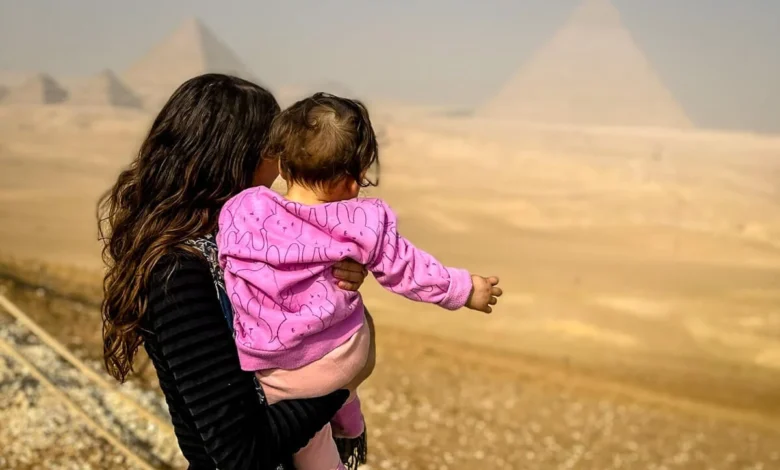
Traveling to Egypt with a young infant is an endeavor that defies conventional wisdom for many parents, yet it offers a uniquely enriching experience for those who value cultural immersion. While the logistical complexities of navigating a country with deep historical roots and a bustling modern infrastructure can seem daunting, with meticulous planning, a family excursion from the iconic pyramids of Cairo to the serene waters of the Red Sea is entirely achievable. This guide synthesizes travel experiences and logistical data to provide a framework for a successful two-week Egyptian itinerary, ensuring both safety and comfort for families with infants.

Pre-Departure Logistics and Entry Requirements
The primary step for international visitors is navigating the visa process. To minimize travel-related stress upon arrival at Cairo International Airport, it is strongly advised that travelers from eligible nations—including the United States and most European Union member states—apply for an e-Visa well in advance. This avoids the time-consuming queues often encountered at arrival kiosks.

Financial preparation is equally critical. While credit cards are increasingly accepted in major hotels and upscale establishments, Egypt remains a cash-reliant society. Travelers should ensure they have access to local currency, the Egyptian Pound, upon arrival. Utilizing official ATM machines or authorized currency exchange bureaus located within the terminal is the most reliable method. Furthermore, visitors should be cognizant of the local tipping culture, known as "baksheesh," which is deeply ingrained in the service industry; setting aside funds for a 10% gratuity is standard practice for drivers and service staff.

Strategic Transportation and Safety Considerations
Navigating the vibrant, often chaotic traffic of Cairo requires a departure from standard rental car practices. Due to the high density of urban traffic and unpredictable road conditions, renting a vehicle is generally not recommended for international tourists.

The most reliable mode of transit involves utilizing ride-sharing services like Uber or pre-arranged private transfers through hotels. A significant safety concern for parents is the inconsistency of seat belt functionality in local taxis. As an essential safety measure, parents should travel with their own portable, internationally recognized car seats. If a vehicle arrives without functional restraints, it is standard practice to decline the ride and request an alternative. This persistence ensures the safety of the infant and adheres to the high standards of care expected by international travelers.

Accommodations: Balancing Comfort and Culture
Selecting appropriate lodging is the cornerstone of a successful trip. In Cairo, the Maadi district is highly recommended for families. Known for its lush greenery and expatriate community, it offers a quieter atmosphere compared to the city center while remaining proximate to the Nile.

For those drawn to the historical allure of the Pyramids, choosing a reputable, full-service hotel with half-board options provides a controlled environment for food and rest. In Aswan, the cultural experience is best served by staying on Elephant Island. The island, which remains largely free of vehicular traffic, provides a tranquil respite from the mainland. Guesthouses here, often family-run, offer an authentic look at Nubian culture while providing necessary creature comforts. In resort hubs like Hurghada and El Gouna, the focus shifts to private, all-inclusive beach resorts, which are essential for maintaining dietary safety and consistent routines for infants.

A Two-Week Itinerary: From Ancient Wonders to Modern Relaxation
The ideal two-week journey through Egypt is structured to balance rigorous exploration with necessary periods of rest.

Days 1–4: Cairo and Giza
The initial phase focuses on the heart of the country. A visit to the Citadel of Saladin and the Mosque of Muhammad Ali Pasha provides a panoramic view of the capital’s architectural history. In Coptic Cairo, families can explore the Hanging Church and the Coptic Museum. The National Museum of Egyptian Civilization, opened in 2021, is a highlight for its modern accessibility and stroller-friendly infrastructure. The Pyramids of Giza, while a must-see, are best approached via a pre-arranged tour or a reservation at the 9 Pyramids Lounge, allowing for a comfortable experience away from the crowds.
Days 5–7: The Nubian Experience in Aswan
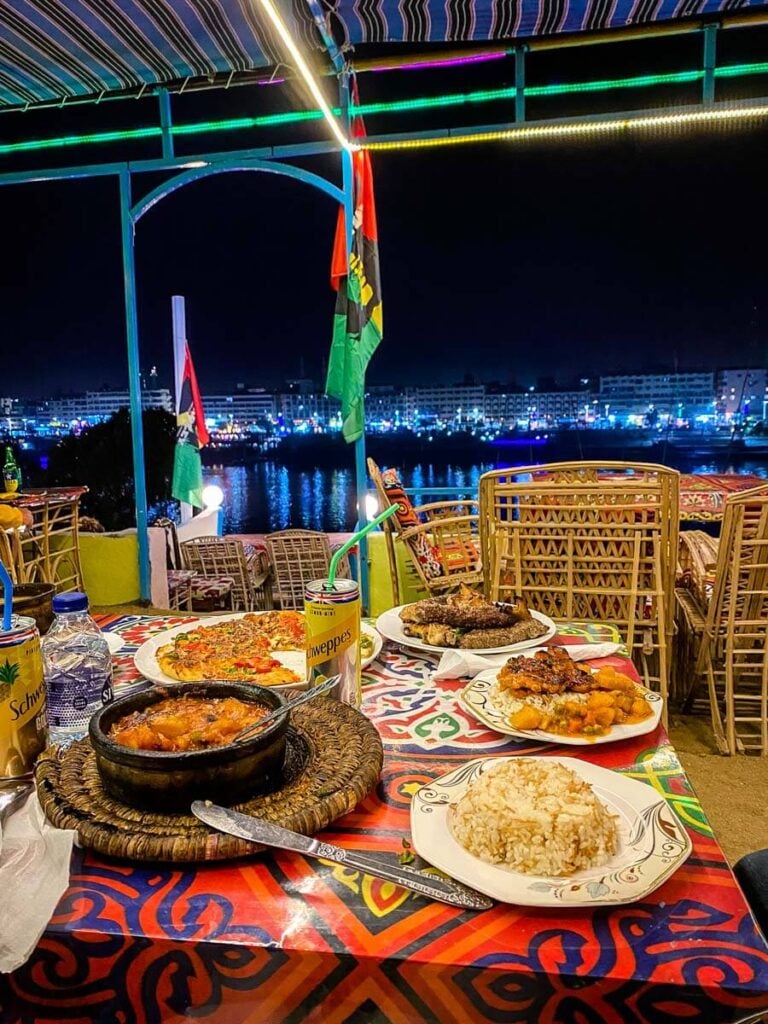
The transition to Aswan by air provides a necessary break. Aswan serves as the gateway to the Philae Temple, accessible by motorboat. The city’s relaxed pace is best enjoyed through tours of the Unfinished Obelisk and the Aswan High Dam. A boat excursion to the Nubian Village offers a colorful, authentic cultural encounter.

Days 8–10: Luxor’s Archaeological Treasures
The journey continues to Luxor, often described as the world’s greatest open-air museum. The Valley of the Kings, the Temple of Hatshepsut, and the sprawling Karnak Temple Complex are accessible through private guides. Utilizing private transfers from Aswan allows for stopovers at the temples of Kom Ombo and Edfu, ensuring that the travel time is productive and educational.

Days 11–14: The Red Sea Coast
The final leg in Hurghada or El Gouna serves as a period of decompression. The turquoise lagoons and private beaches of these regions offer the perfect environment for infants to play in the sand and for parents to recover from the intense schedule of the previous ten days.

Health and Nutrition Guidelines
Maintaining infant health in a foreign environment requires strict adherence to hygiene protocols. The golden rule for food and water in Egypt remains: "Boil it, cook it, peel it, or forget it." Bottled water should be used exclusively for drinking and brushing teeth.

For families, the convenience of modern technology cannot be overstated. Apps like "breadfast" for grocery and supply delivery, and "Talabat" for restaurant orders, are invaluable tools for sourcing formula, diapers, and age-appropriate food. Most high-end restaurants in major tourist centers are well-equipped with high chairs, though bringing a portable, clip-on high chair remains a recommended piece of travel gear.

Analysis of Tourism Trends and Future Outlook
Egypt’s tourism sector has seen a robust resurgence, with a clear focus on modernizing facilities to accommodate diverse traveler demographics, including young families. The rise of family-centric amenities in hotels—such as dedicated "mommy rooms" in major shopping centers like Cairo Festival City Mall—reflects a shift in catering to a broader, more global audience.

However, travelers must remain cognizant of the geopolitical landscape. While the vast majority of tourist areas are safe and heavily guarded, it is incumbent upon all travelers to monitor their home country’s travel advisories, avoid demonstrations, and practice general vigilance in crowded public spaces.

Final Recommendations for Parents
Traveling to Egypt with a baby is a testament to the fact that parenthood does not necessitate the end of exploration. It requires a shift in pace, prioritizing quality over quantity, and an unwavering commitment to safety. By utilizing reputable private transport, choosing family-friendly, full-service accommodations, and adhering to strict health protocols, parents can introduce their children to one of the world’s most significant civilizations while creating enduring family memories. The key is flexibility; in a land as ancient and complex as Egypt, the most rewarding experiences are often those that allow for spontaneity within a secure and well-planned structure. As thousands of families continue to discover, the warmth of the Egyptian people and the grandeur of its history provide a backdrop that is as welcoming to a nine-month-old as it is to an adult, proving that the world remains open to those who choose to venture forth with curiosity.