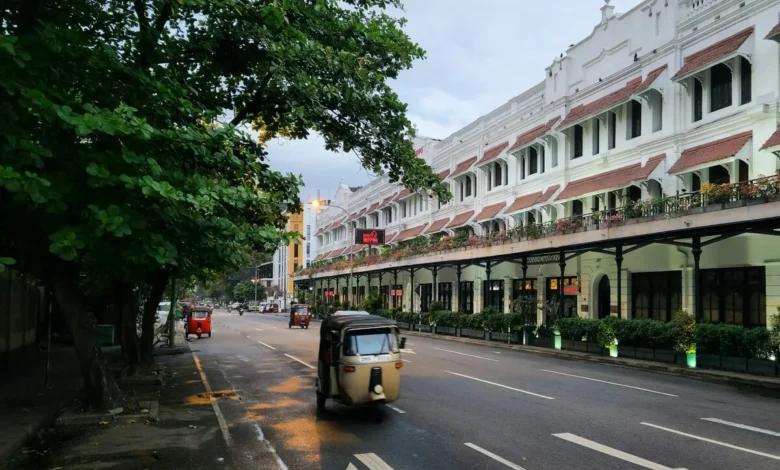
Colombo, the vibrant capital of Sri Lanka, serves as an intricate tapestry of colonial history, rapidly evolving modern infrastructure, and bustling street-level commerce. Navigating a city that blends the frenetic energy of the Pettah markets with the serene, expansive coastline of the Indian Ocean requires a mode of transport that balances efficiency with the ability to pause and observe. For many travelers and local observers, the three-wheeled, open-air auto-rickshaw—commonly referred to as a tuk-tuk—has become the definitive way to experience the capital’s diverse districts. By shedding the rigid constraints of bus schedules or the detachment of air-conditioned taxis, the tuk-tuk offers a sensory-rich, flexible approach to urban exploration that is increasingly favored by those seeking a deeper understanding of the city’s complex geography.
The Evolution of Colombo’s Urban Transit
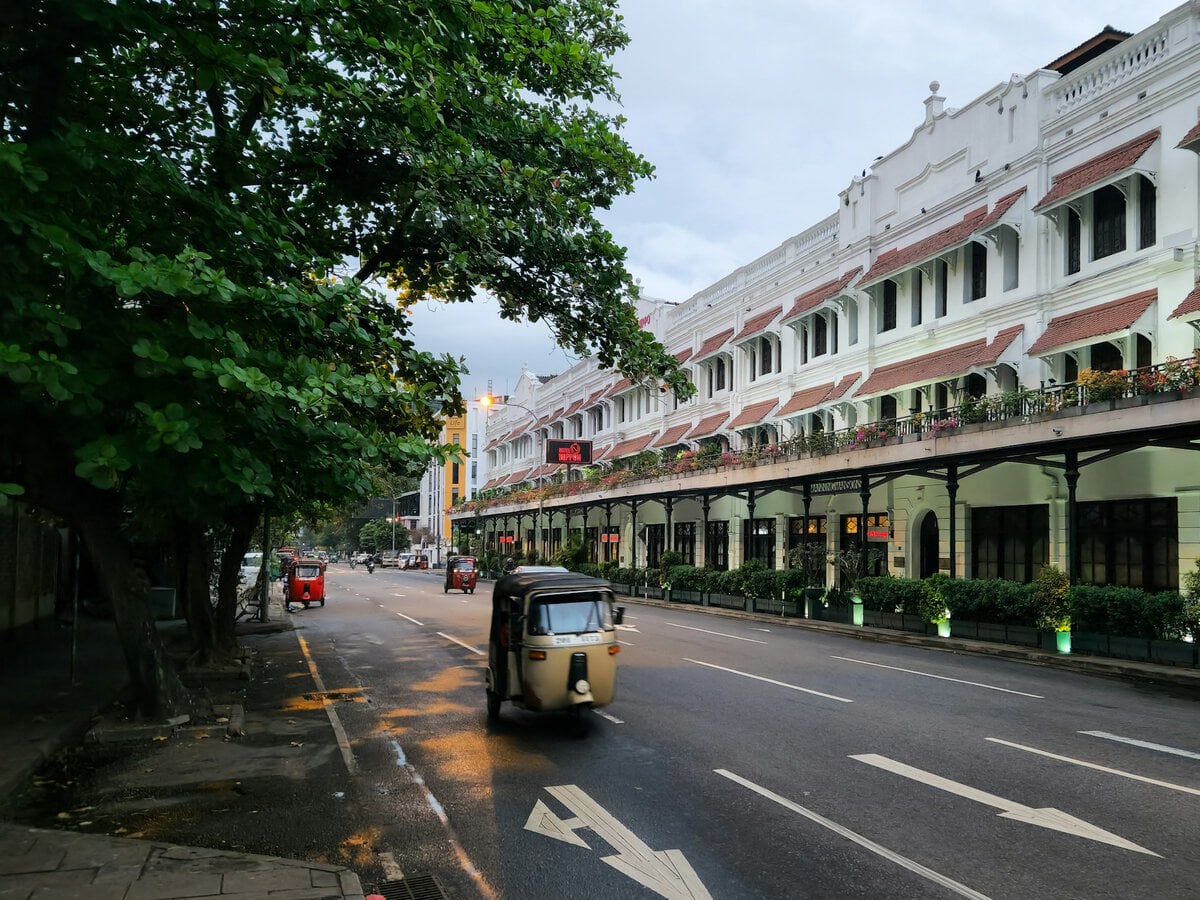
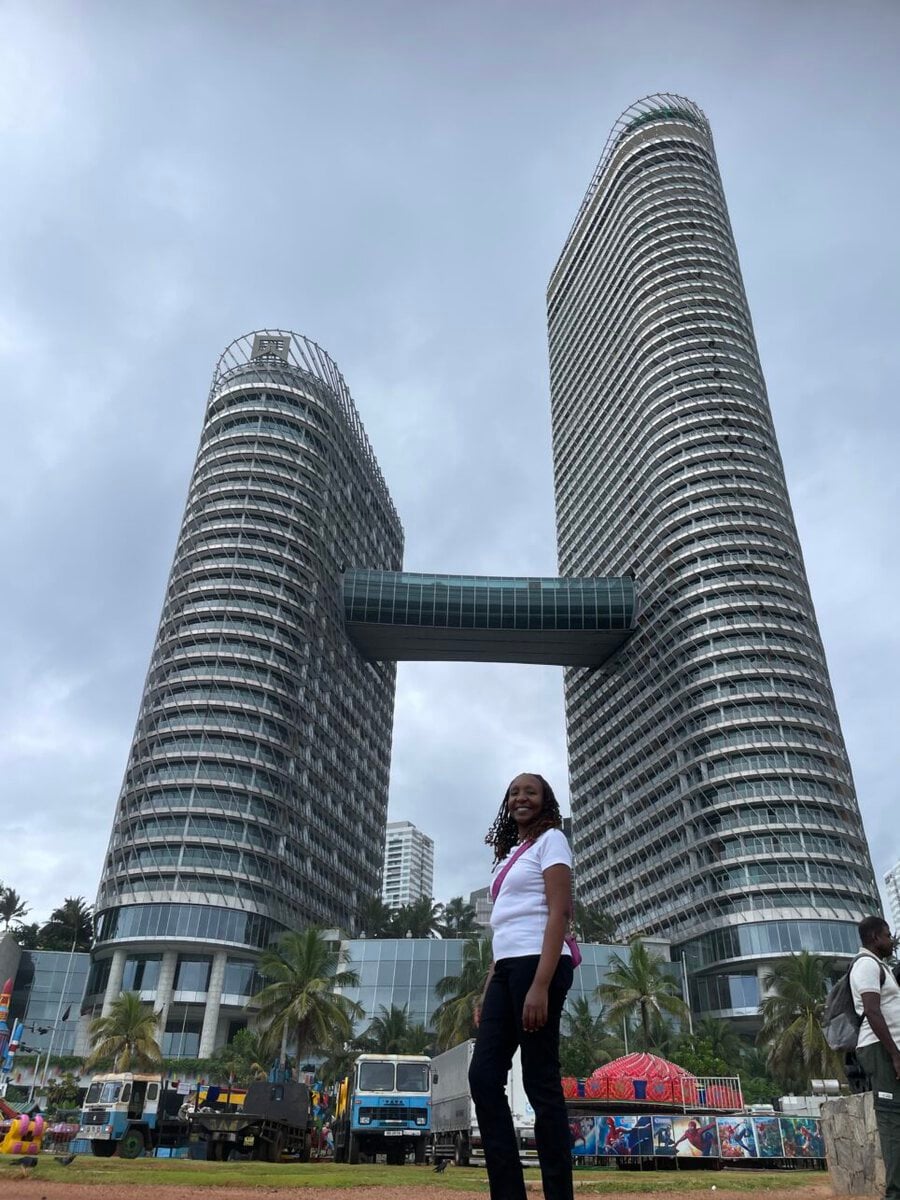
Historically, Colombo’s urban layout was designed to facilitate colonial trade, with the Pettah district acting as the primary commercial hub under Dutch and British influence. Today, that layout remains, but it is now overlaid with contemporary developments such as the Lotus Tower, which officially opened its doors to the public on September 15, 2022. Standing as South Asia’s tallest self-supported structure at approximately 350 meters, the tower provides a vertical contrast to the low-slung colonial architecture found in the Fort area.
The shift from colonial outpost to modern metropolis has necessitated versatile transit solutions. While Colombo features an extensive network of public buses and a developing rail system, these modes often fail to reach the granular, narrow corridors where the city’s cultural pulse is strongest. The private tuk-tuk sector has filled this gap, functioning as both a taxi service and a bespoke, on-demand tour platform. According to industry data from local tourism operators, the demand for personalized, four-hour city tours has surged as visitors increasingly prioritize authentic interactions over passive sightseeing.
A Four-Hour Architectural and Cultural Itinerary
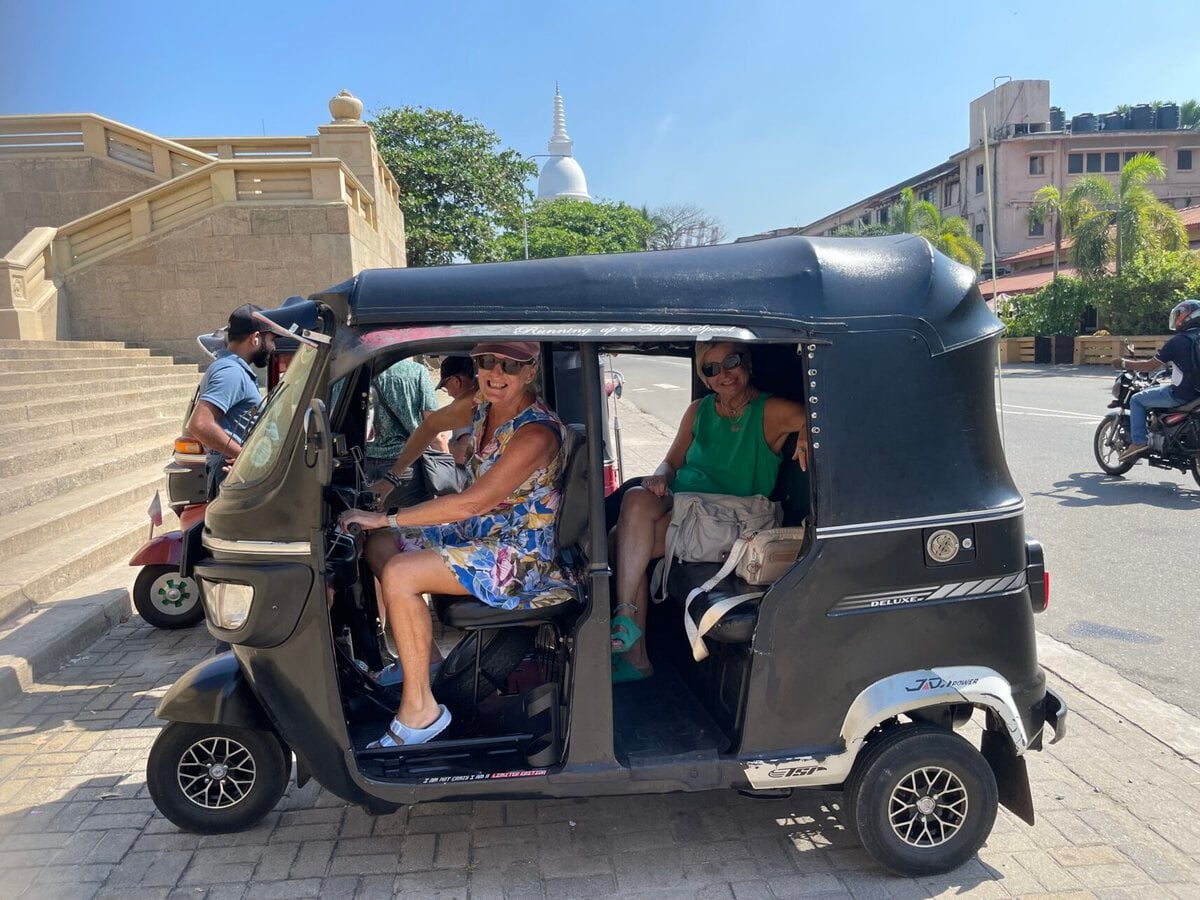
A standard, comprehensive city tour of Colombo typically centers on a four-hour window, providing sufficient time to bridge the gap between the city’s historical landmarks and its contemporary expansion.
The Pettah Market District
Pettah serves as the city’s sensory epicenter. Navigating this district involves passing through a labyrinth of wholesale markets where goods ranging from electronics to traditional spices are traded. A focal point within this district is the Jami Ul-Alfar Masjid, or the Red Mosque. Constructed in 1908, its distinctive candy-striped, red-and-white architecture remains a testament to the diverse cultural influences that define Colombo. The scale of this district is immense, and it is here that the advantage of the tuk-tuk becomes clear; the vehicle can navigate narrow lanes that are inaccessible to larger transport, allowing for spontaneous stops.
The Coastal Promenade: Galle Face Green
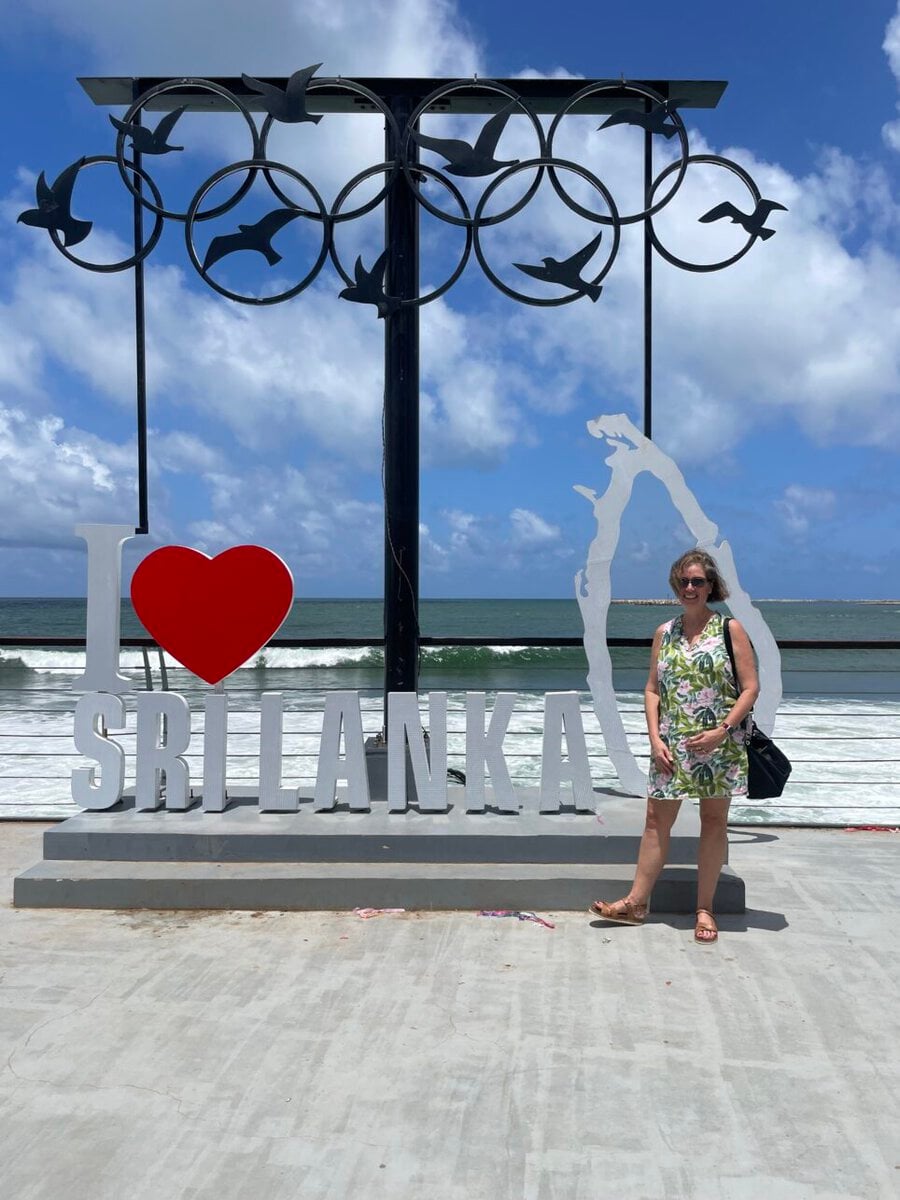
Contrasting the dense, urban interior is the expansive Galle Face Green. Established in 1859 as a cricket ground and horse racing track, the five-hectare ocean-side park has evolved into the city’s primary public promenade. It provides a necessary atmospheric shift, offering a reprieve from the congested street markets and serving as a social gathering point for locals, particularly during sunset. The ability to transition from the historical, high-density environment of Pettah to the open, breeze-swept coast is a core component of the Colombo experience.
Colonial and Religious Landmarks
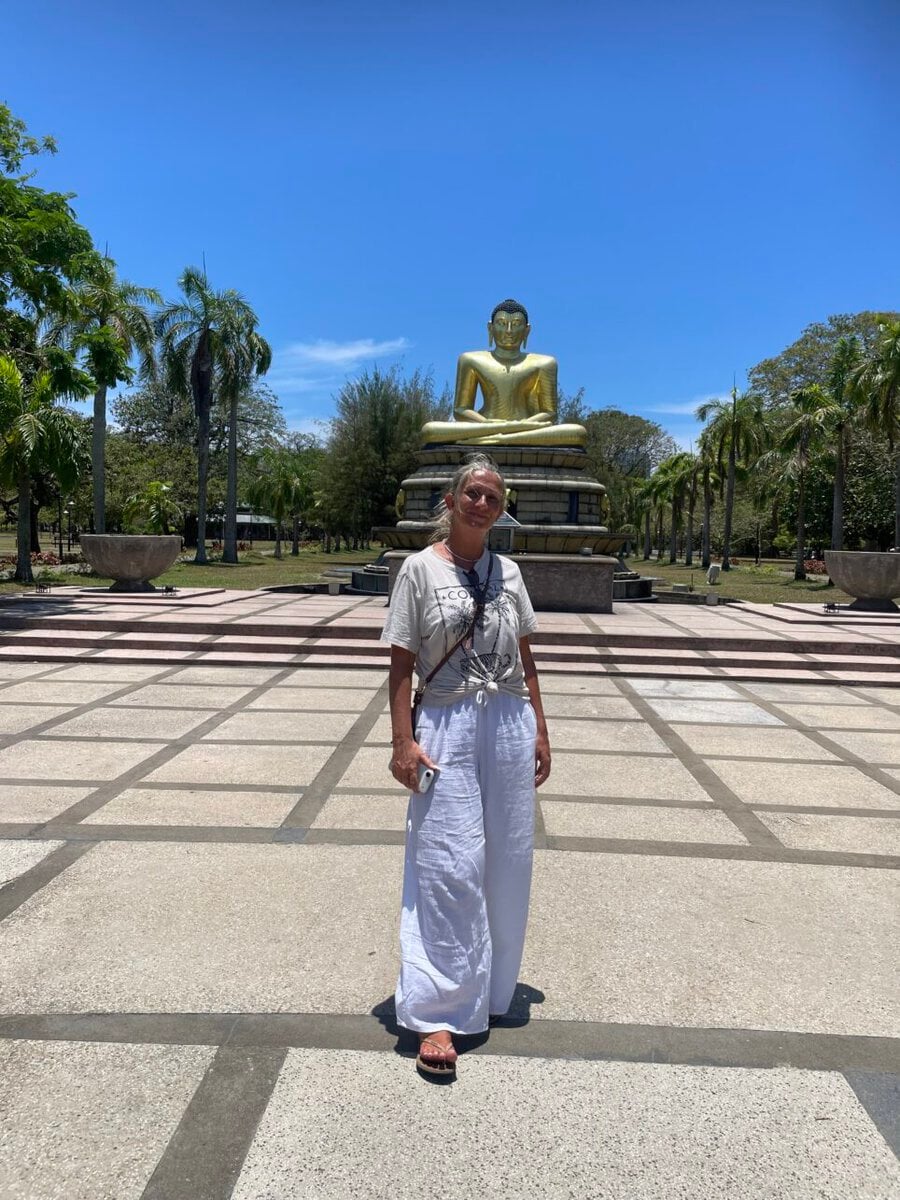
Beyond the markets and the coast, the city features a dense cluster of significant sites, including the Old Parliament Building and a variety of Dutch-era churches. These structures, built during the colonial administration, stand in proximity to contemporary Buddhist and Hindu temples. This juxtaposition illustrates the religious and cultural pluralism of Sri Lanka’s capital. Engaging a private driver allows for a curated, non-linear progression between these sites, enabling visitors to linger at religious centers during periods of worship or activity.
Economic and Social Implications of Street-Level Tourism
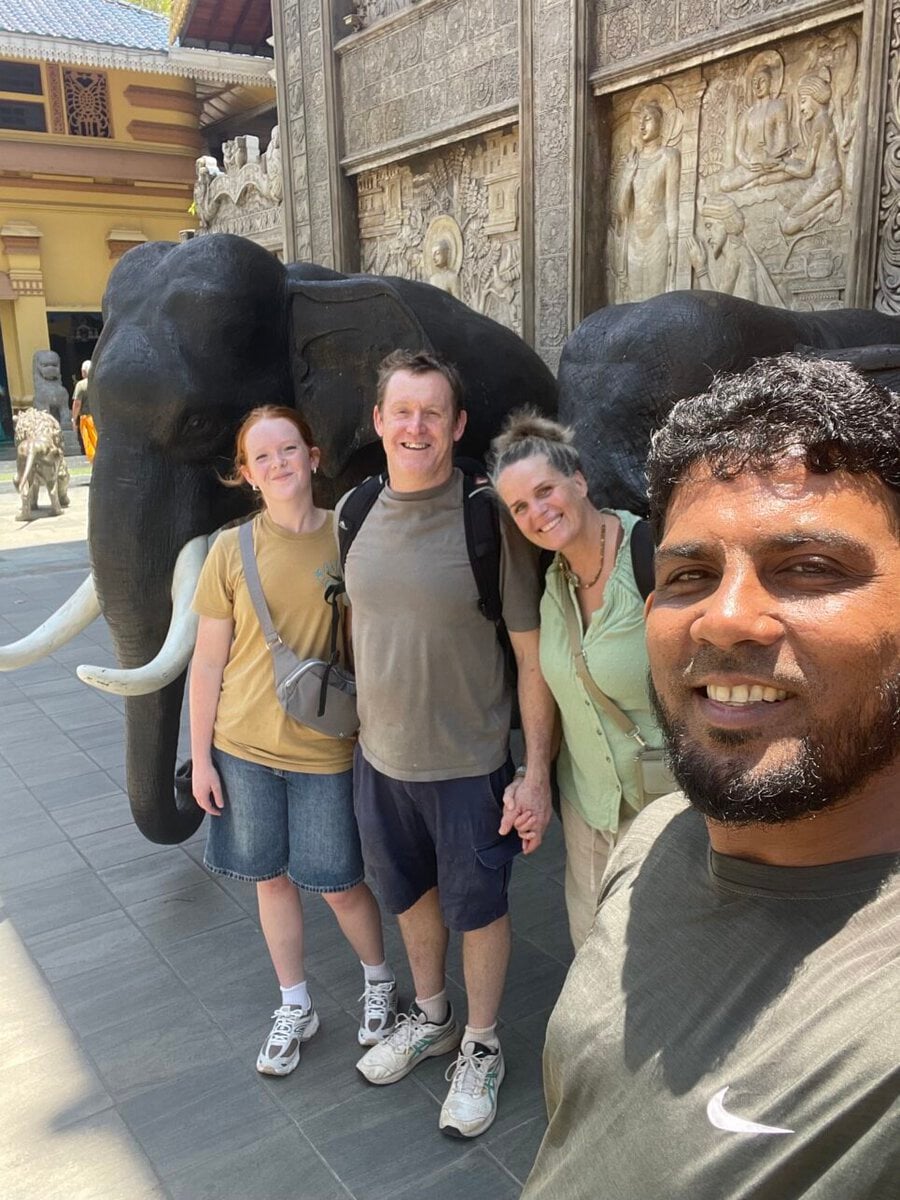
The choice to utilize a private tuk-tuk is not merely a logistical one; it carries socio-economic implications. By bypassing standardized tour buses, travelers engage directly with the local economy. Conversations with street vendors, artisans, and small-scale food producers are frequent, as the pace of a tuk-tuk ride encourages brief, authentic exchanges.
The prevalence of "street food" culture in Colombo, particularly the consumption of kottu—a staple dish consisting of chopped roti, meat, egg, and spices—is best observed at the local level. The distinctive rhythmic sound of kottu being prepared on a metal griddle often serves as a signal for both locals and visitors to pause for a meal. Observations from tourism operators suggest that travelers who spend more time on the ground, engaging with these local food stalls, report a significantly higher level of satisfaction and cultural immersion compared to those on fixed-schedule tours.
Practical Considerations for the Modern Traveler
For those planning an arrival in Colombo, the entry point is typically Bandaranaike International Airport, located roughly 30 to 45 kilometers north of the city center. Transport options from the airport include pre-booked private taxis, ride-hailing services, and public shuttle buses. Transit times are generally estimated at 45 minutes to one hour, though this is heavily dependent on traffic conditions, which can be volatile in the metropolitan area.
Timing and Climate
The optimal window for visiting Colombo is the dry season, which spans from January through March. During this period, humidity levels are generally more manageable, and the risk of sudden, heavy tropical rainfall is reduced. However, visitors should be prepared for micro-climates; even during the dry season, brief, intense showers are a feature of the region’s climate.
Etiquette and Cultural Sensitivity
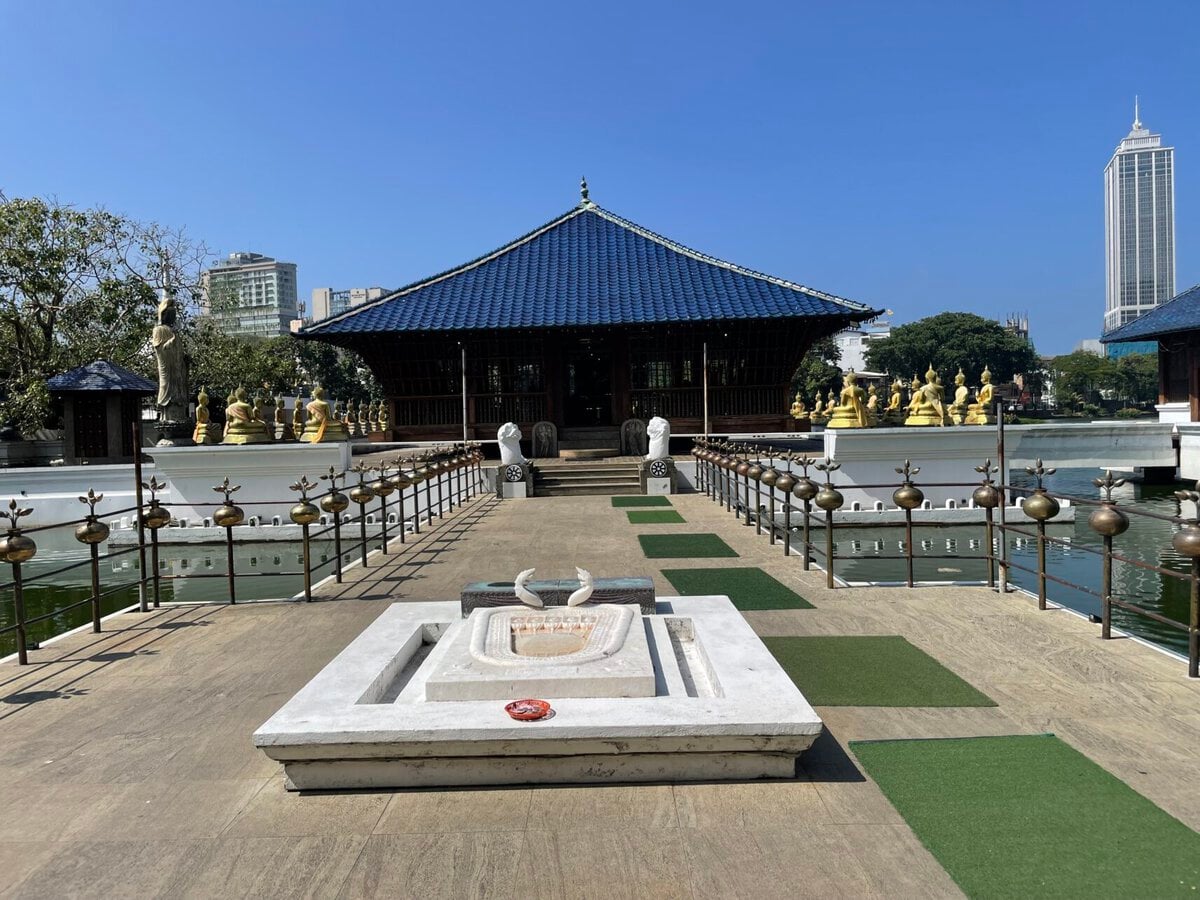
When visiting religious sites, including the various temples scattered throughout the city, visitors are expected to adhere to local customs. Modesty is paramount; both shoulders and knees should be covered. These expectations are particularly strictly enforced on Sunday mornings, which are peak times for local religious observance. Travelers are encouraged to respect these spaces, as they are functioning community hubs rather than mere tourist attractions.
A Case for Extended Exploration
Many travel guides advocate for a quick stopover in Colombo, positioning it primarily as a gateway to the broader Sri Lankan landscape, such as the tea plantations of the central highlands or the coastal beaches of the south. However, historical and sociological analysis suggests that this approach often fails to capture the city’s complexity. The diversity of neighborhoods, ranging from the colonial-era Fort to the bustling commercial hubs of Pettah and the residential pockets of Kollupitiya, requires time to navigate and understand.
Data regarding visitor behavior indicates that those who dedicate at least two to three full days to the capital tend to form a more nuanced view of the country’s history. A rushed visit often results in a surface-level interaction, whereas an extended stay allows for a deeper appreciation of the city’s role as the nation’s political, economic, and cultural center. By utilizing the flexibility of local transport, the city transitions from a transit point to a destination in its own right, offering a multifaceted view of a country in the midst of significant social and economic transition.
Conclusion
The experience of Colombo is defined by its constant movement and its ability to reconcile the old with the new. The private tuk-tuk serves as a vital conduit for this experience, facilitating a mode of travel that is as fluid and dynamic as the city itself. Whether navigating the historic streets of the Pettah district, observing the modern skyline from the vicinity of the Lotus Tower, or enjoying the ocean air at Galle Face Green, the traveler is encouraged to maintain a pace that allows for discovery. By prioritizing local engagement and allowing for a flexible itinerary, the visitor is able to move beyond the conventional tourist experience and gain a genuine perspective on the life of this resilient and multifaceted capital city. As infrastructure continues to develop and the city continues to expand, the role of the humble tuk-tuk as an essential urban navigation tool remains, bridging the gap between the past and the future of Colombo.