A Ghostly Glimpse: Caracal Confirmed in Kuno National Park Amidst Cheetah Reintroduction Efforts

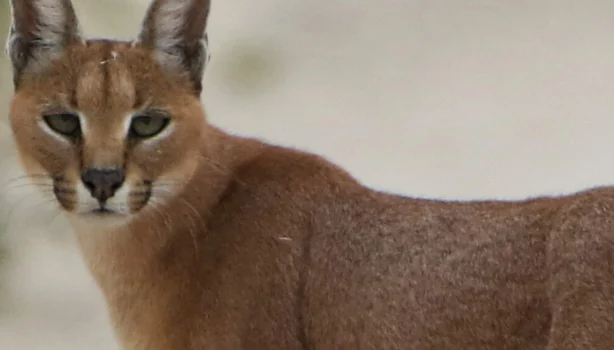
The faint click of a camera trap in the heart of Madhya Pradesh’s Kuno National Park has etched a significant new chapter in India’s wildlife conservation narrative, confirming the elusive presence of the caracal, one of the nation’s most rarely seen wild cats. Captured in the nocturnal glow by two motion-sensitive devices, the lean, long-legged feline with its distinctive black-tufted ears was documented in the very landscape now synonymous with the ambitious reintroduction of cheetahs to India. This sighting, while a cause for excitement among conservationists, also underscores the delicate nature of interpreting wildlife data and the ongoing challenges of understanding and protecting India’s most vulnerable species.
The Elusive Caracal: A Rare Spectacle in Kuno
The discovery, first reported by Mongabay India, marks the first confirmed record of a caracal within Kuno National Park in the four years that Uttam Kumar Sharma, the park’s field director, has been stationed there. This revelation has prompted a deeper dive into existing park records, with the forest department meticulously scrutinizing older data to ascertain if caracals have ever been documented in Kuno or its adjoining territories prior to this recent encounter. The implications of this sighting are multifaceted, extending beyond mere confirmation of presence to raise questions about territoriality, habitat connectivity, and the broader ecological health of Kuno.
The caracal, scientifically known as Caracal caracal, is a medium-sized wild cat native to Africa, the Middle East, Central Asia, and India. Its most striking feature is its long, black ear tufts, which are believed to aid in communication and sensing prey. Globally, the IUCN classifies the caracal as a species of "least concern," a testament to its relatively widespread distribution across its extensive range. However, within the Indian subcontinent, the species faces a significantly more precarious situation. It is listed under Schedule I of India’s Wildlife (Protection) Act, 1972, affording it the highest level of legal protection. Despite this stringent safeguard, the caracal is considered "near threatened" in India, a designation that reflects its dwindling numbers and fragmented distribution.
Expert Caution: Presence vs. Population
While the camera trap images provide undeniable proof of the caracal’s passage through Kuno, experts are exercising a measured approach to the findings. Shekhar Kolipaka, a seasoned researcher specializing in caracal distribution across India and a senior landscape developer at the Commonland Foundation, emphasized the crucial distinction between a confirmed sighting and the establishment of a resident population. "A single camera-trap photograph confirms the presence of a caracal, but does not indicate the existence of a resident population," Kolipaka stated in a written response to Mongabay India.
His caution is rooted in the inherent dispersal patterns of these felines. Young adult caracals, particularly males, are known to embark on extensive journeys in search of their own territories. These nomadic tendencies often see them traversing vast distances, navigating diverse terrains that include rivers, agricultural lands, human settlements, and even critical transportation infrastructure like roads and railway lines. Therefore, a single individual observed in Kuno could simply be a transient visitor, passing through as part of its wider migratory circuit. The true test of a resident population, Kolipaka explained, lies in sustained monitoring that can ascertain whether the observed animal establishes a territory, breeds, or continues its nomadic existence.
The Indispensable Role of Camera Traps
The caracal’s nocturnal and exceptionally shy nature makes it an incredibly difficult subject for direct observation. Years of fieldwork, even from vehicles, might yield no sightings of this elusive predator. This is precisely where the indispensable role of modern camera trap technology comes to the fore. Motion-triggered cameras offer a non-intrusive method of documenting wildlife, capturing rare animals in their natural behaviors without causing disturbance. In situations where evidence is scarce, as with the caracal in Kuno, these devices often serve as the sole proof of a species’ presence in a given area, providing invaluable data for conservation planning.
The technology allows researchers to gain insights into species distribution, habitat use, and population dynamics that would be impossible to obtain through traditional observational methods. The Kuno sighting is a textbook example of how camera traps are "doing the heavy lifting" for species that remain largely hidden from human eyes. The data collected can inform crucial decisions regarding habitat management, anti-poaching strategies, and the establishment of wildlife corridors.
A Shrinking Realm: The Caracal’s Grim Indian Footprint
The background context surrounding the caracal in India amplifies the significance of the Kuno sighting. The species has witnessed a drastic decline in its historical range. A comprehensive study conducted in 2020 revealed that the caracal’s Indian range had contracted by a staggering 96 percent from its pre-1947 extent. This alarming shrinkage has confined the species to fragmented pockets, primarily in parts of Rajasthan, Gujarat, and Madhya Pradesh.
There is a notable lack of robust, official population estimates for caracals within India. Widely circulated figures suggesting around 50 individuals are largely unverified and lack scientific backing. Recent confirmed sightings of caracals outside of their known strongholds have been exceptionally rare and often serendipitous. Examples include accidental captures on camera traps deployed for tiger monitoring in Rajasthan’s Mukundra Hills and evidence gathered through radio-collaring and camera work near the sensitive India-Pakistan border in Jaisalmer. These instances highlight the precariousness of the caracal’s existence and the urgent need for comprehensive surveys and conservation interventions.
Kuno’s Evolving Landscape: Cheetahs and Corridors
The discovery of the caracal in Kuno has also been linked by some officials to the ongoing ecological transformations within the park, particularly since the commencement of the ambitious cheetah reintroduction project. Field Director Uttam Kumar Sharma suggested a potential correlation between the improved habitat conditions in Kuno and the caracal’s appearance. He noted an increase in water availability and a general enhancement of grassland ecosystems within the park, attributing these improvements partly to the conservation efforts associated with the cheetah project.
Madhya Pradesh Chief Minister Mohan Yadav echoed this optimistic sentiment, articulating in a social media post that the cheetah project’s broader objective is to safeguard not only cheetahs but also the entire spectrum of wildlife and their habitats within the region. This perspective frames the caracal’s sighting as a positive indicator of the project’s success in fostering a healthier ecosystem.
However, researchers most closely involved with caracal conservation advocate for a more grounded approach, emphasizing the need for further fieldwork before drawing definitive conclusions about the impact of the cheetah project on other species. The immediate next steps for the forest department are critical: a thorough review of historical park records and intensified monitoring efforts around the specific locations where the camera traps were deployed. This focused approach aims to ascertain whether the caracal observed is a solitary wanderer or an indicator of a more established, albeit small, resident population within Kuno.
Broader Implications for Wildlife Corridors and Biodiversity
The confirmed presence of the caracal in Kuno National Park, a landscape now at the forefront of a major rewilding initiative, carries significant implications for the broader understanding of species dispersal and the interconnectedness of ecosystems. The caracal’s confirmed presence, even if transient, suggests that Kuno’s improving habitat might be acting as a magnet, or at least a temporary haven, for species venturing from surrounding areas.
The long-term success of the cheetah reintroduction project hinges on the creation of a robust and connected landscape that can support not only the reintroduced species but also the existing native fauna. The caracal, being a wide-ranging predator, requires substantial territories and a healthy prey base. Its potential presence, however fleeting, underscores the importance of maintaining and expanding wildlife corridors that link Kuno to other protected areas and natural habitats. The fragmented nature of the caracal’s Indian range, as highlighted by the 2020 study, emphasizes the critical need for such connectivity. If Kuno can serve as part of a larger ecological network, it could offer a lifeline to species struggling to survive in isolated pockets.
Furthermore, the caracal’s documented vulnerability within India serves as a potent reminder that conservation efforts must adopt a holistic approach. The focus on the cheetah, while vital, should ideally complement and bolster initiatives aimed at protecting other endangered and near-threatened species that share these landscapes. The caracal’s plight, marked by a dramatic range reduction and an absence of reliable population data, mirrors the challenges faced by many other Indian wild species.
The ongoing investigation by the forest department into older records and enhanced monitoring at the caracal sighting locations represents a crucial step. It is through such diligent, science-based fieldwork that conservationists can move beyond anecdotal evidence to build a comprehensive understanding of species distribution and population status. The data gleaned from these efforts will be instrumental in shaping future conservation strategies for the caracal and other elusive species in Madhya Pradesh and across India. The ghost of the caracal, captured by a fleeting camera trap flash, has emerged from the shadows, demanding a closer look and a renewed commitment to safeguarding India’s rich, yet increasingly fragile, biodiversity. The story of this rare sighting is far from over; it is a call to action, urging us to look beyond the charismatic megafauna and ensure that every thread in the intricate tapestry of India’s wildlife is protected.
Related posts: