People Changing How We See the World: Innovators, Artists, and Documentarians Redefining Our Relationship with the Environment

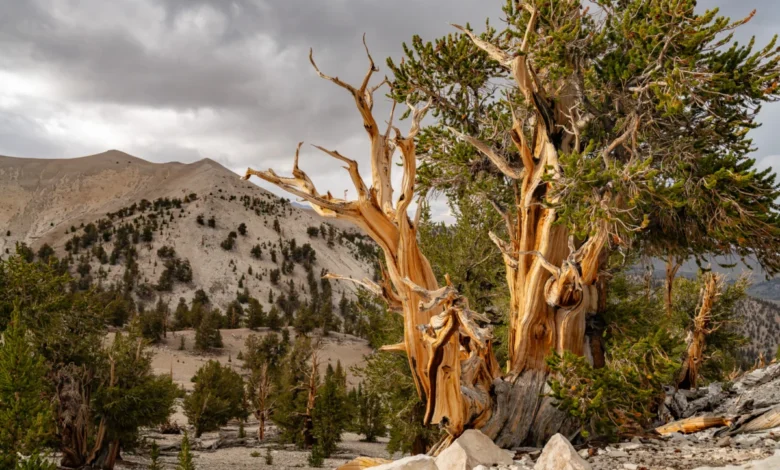
The modern relationship between humanity and the natural world is frequently defined by distance, digital mediation, and a growing disconnect from the physical landscapes that sustain us. Yet across the United States, a distinct cohort of creators, archivists, and visual storytellers is working to bridge that gap. Through unconventional archives, artistic interpretations of forest ecology, and large-scale public lands advocacy, these individuals are fundamentally altering how society perceives, interacts with, and protects the environment.
From the storm-battered coastlines of the Pacific Northwest to the ancient groves of Northern California and the vast, federally managed wilderness areas of the American West, three distinct creative forces are challenging conventional perspectives. Their work—encompassing grassroots material culture, ecological fine art, and cinematic conservation—offers a multifaceted examination of humanity’s imprint on the planet.
The Archival Edge: Preserving Human History on the Coastline
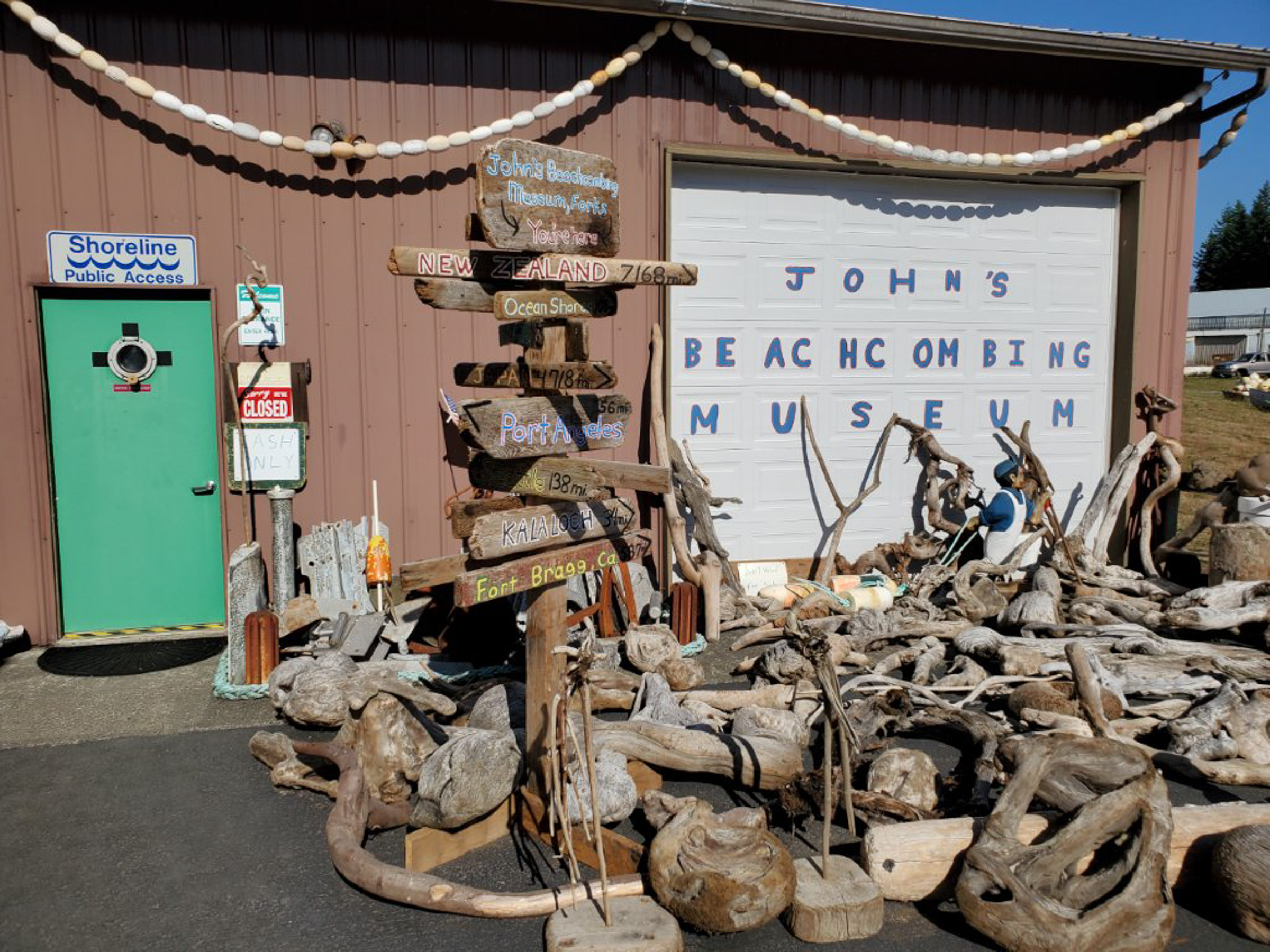
On the wind-swept, driftwood-choked shores of Washington State’s Olympic Peninsula, the tides deliver more than just natural flotsam; they carry the discarded, lost, and forgotten debris of global commerce and human migration. For nearly half a century, former plumber John Anderson has dedicated his life to intercepting these items before they are reclaimed by the sea or buried beneath the shifting sands.
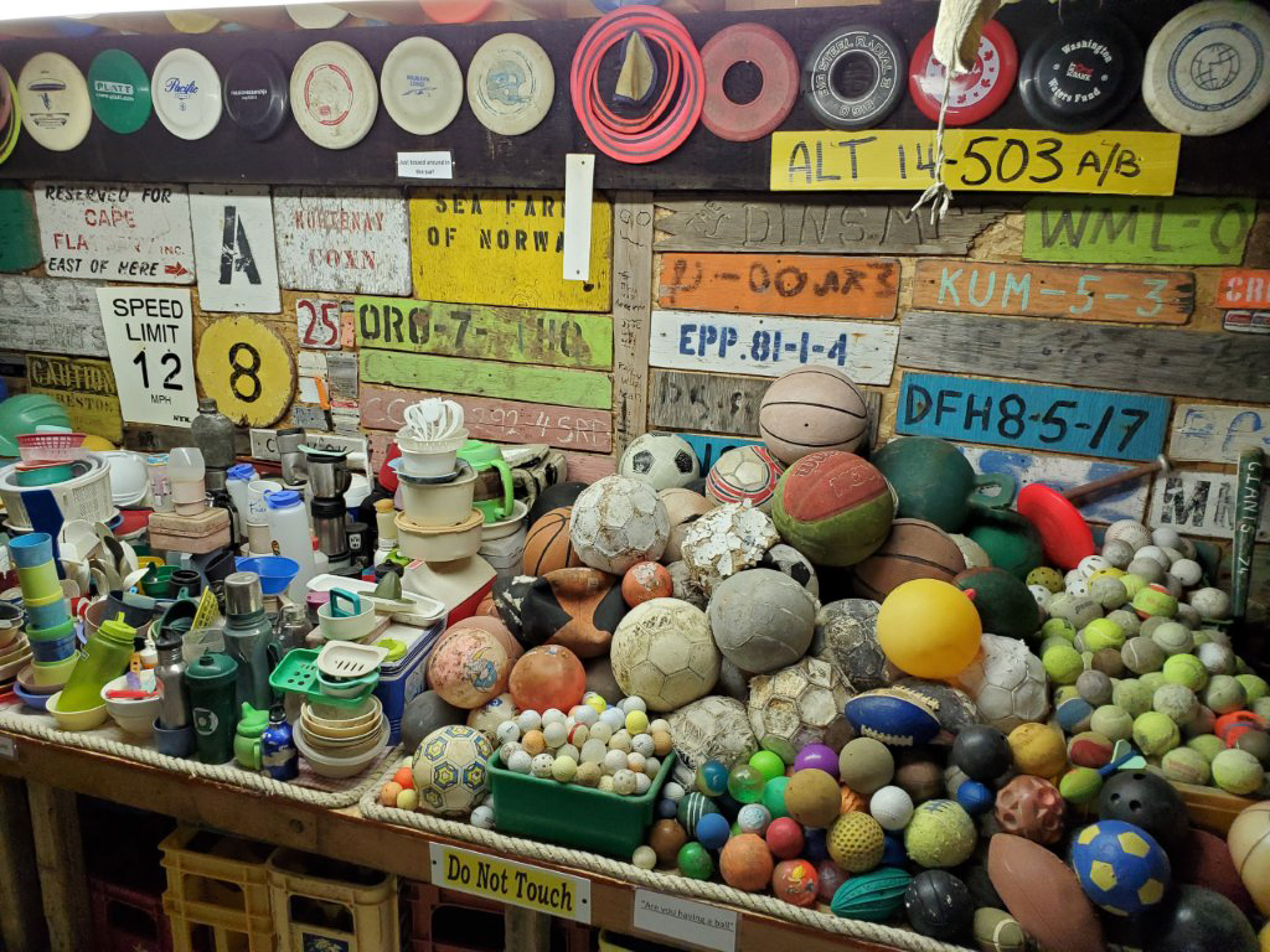
Anderson’s enterprise, officially recognized as John’s Beachcombing Museum, operates out of what was once his functioning plumbing workshop. The venue stands as the United States’ first institution dedicated entirely to the cultural and material artifacts of beachcombing. To the casual visitor, the interior mimics a rustic regional tackle shop. Weather-beaten fishing buoys, tangled commercial nets, and glass display cases filled with vintage lures line the walls. However, a deeper inspection reveals a more eccentric and poignant catalog of human history: rows of weathered sneakers, antique bottles, skeletal remains, wagon wheels, and an extensive collection of aged Raggedy Ann dolls.
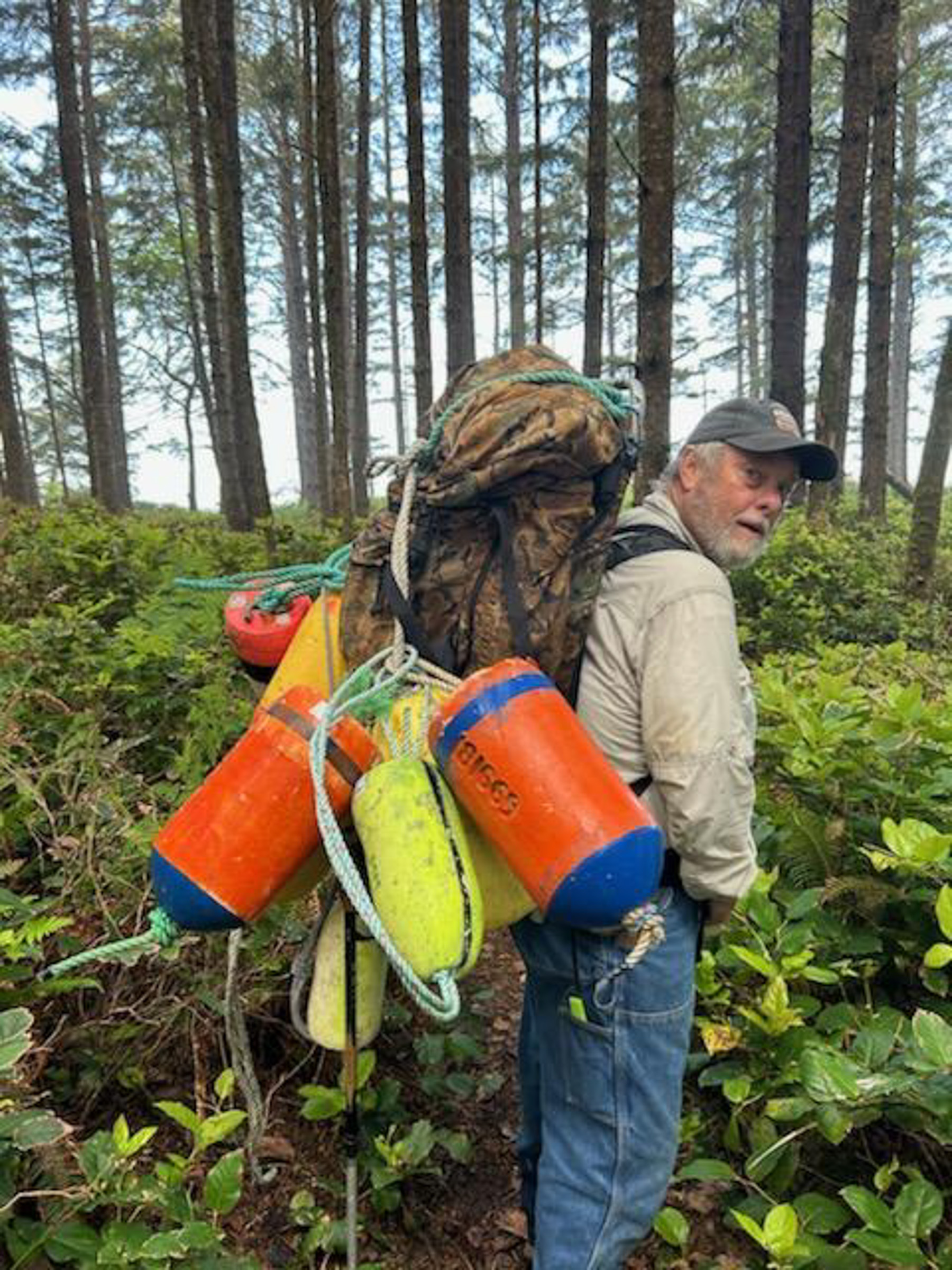
Anderson’s methodology extends far beyond casual shoreline strolls. He characterizes his work as "extreme beachcombing," an endeavor that frequently involves solo hikes through dense, remote temperate rainforests to reach isolated deposition zones. His endurance is well-documented; his excursions have included continuous expeditions lasting upwards of sixty-two hours of sustained walking, scanning, and packing heavy loads of recovered material. These efforts have yielded extraordinary discoveries, including the spinner cone of a Boeing 727 jet engine washed ashore on a local beach.
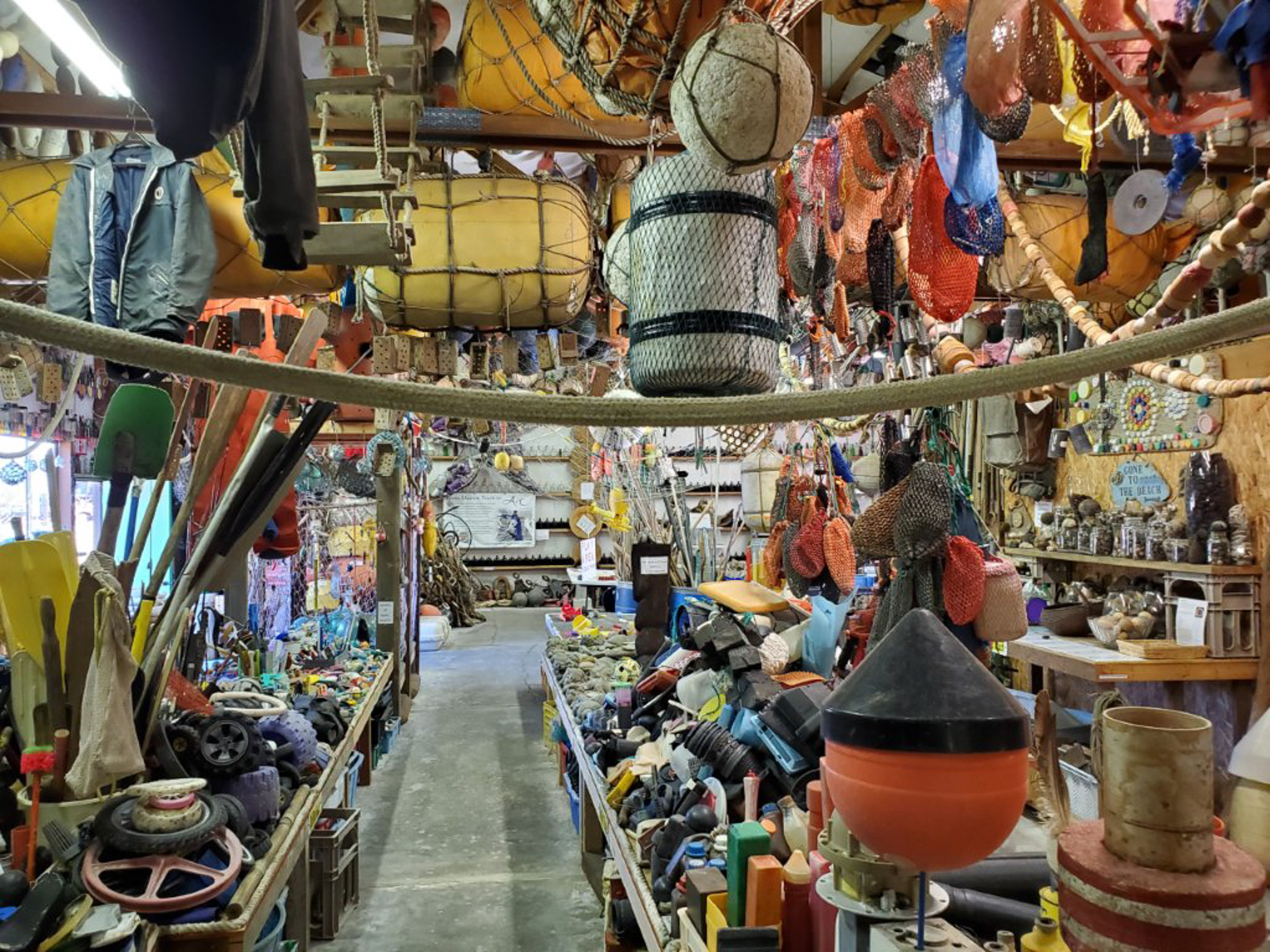
Beyond the physical oddities, Anderson’s collection serves as an informal sociological archive. He places significant emphasis on human connection, gathering artifacts that bear the direct touch of daily life—such as toys belonging to children from decades past or structural timbers displaced by tsunamis. Among his most carefully preserved acquisitions are handwritten notes recovered from sealed glass bottles cast into the ocean currents. Whenever possible, Anderson utilizes the traditional postal service to reply to the originators of these messages, leveraging land-based delivery systems to close loops opened by the unpredictability of wind and tide.
Visualizing the Unseen: Ecological Art in the Redwoods
While Anderson preserves the detritus deposited by the sea, artist Jane Kim directs her focus inland, examining the complex, hidden mechanics of ancient forest ecosystems. Kim’s creative trajectory is rooted in a lifelong fascination with the intersection of art and biology. Growing up near Chicago, she sought solace and identity in local natural spaces, developing an early appreciation for the intricate relationships that sustain native ecosystems.
Kim’s artistic profile rose significantly with her Migrating Mural series, a public art initiative designed to bring portraits of vulnerable native wildlife directly into urban environments. Notable installations included a fifty-foot mural of a monarch butterfly rendered on the exterior wall of a building in San Francisco. The project underscored her foundational artistic philosophy: shifting environmental narratives away from insular gallery spaces and into daily public sightlines.
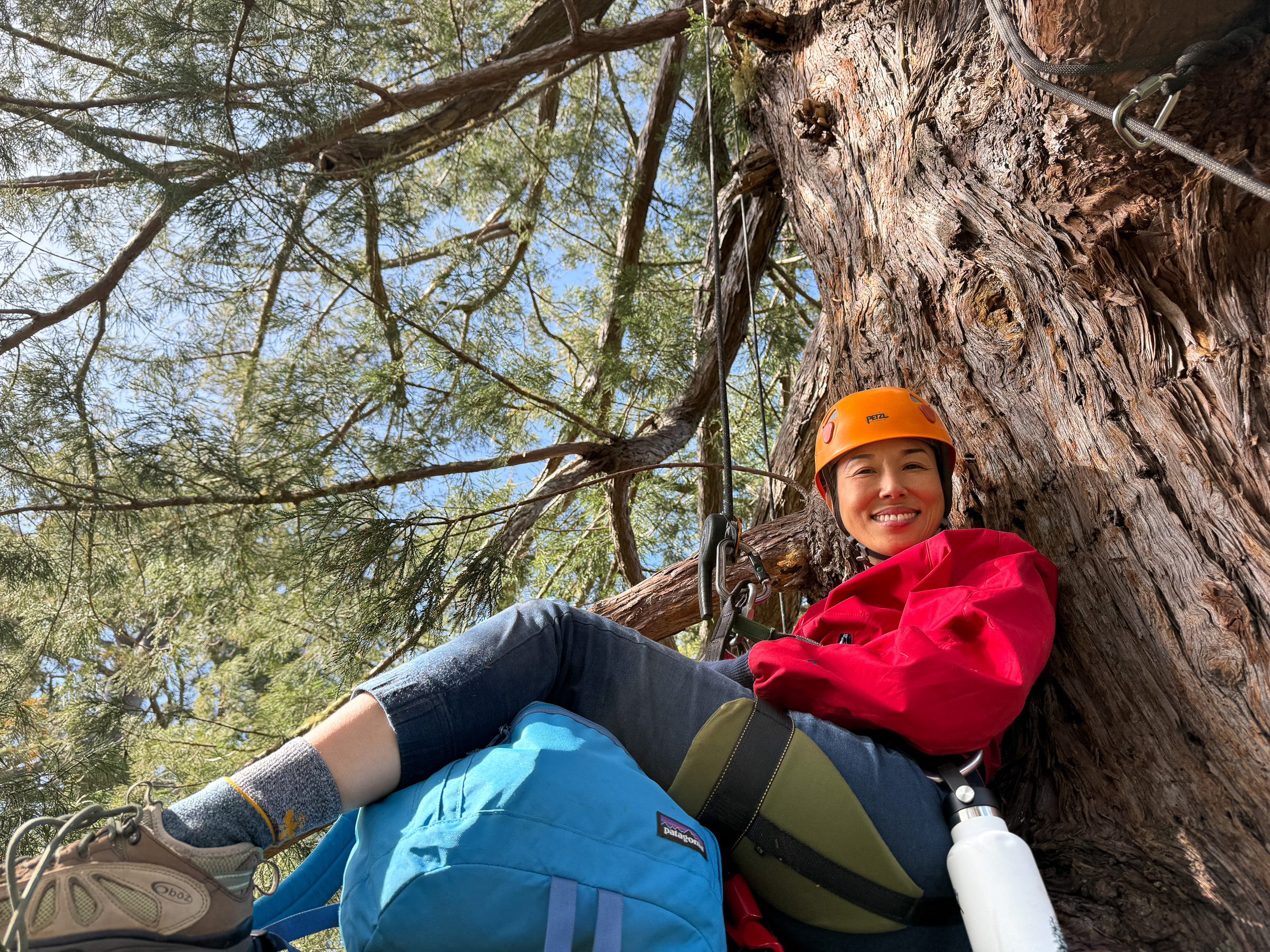
Most recently, Kim accepted a groundbreaking appointment as the inaugural Forest Fellow for the Sempervirens Fund, a prominent conservation nonprofit organization dedicated to protecting redwood forests. This fellowship immersed her directly in redwood ecology, collaborating alongside field foresters, researchers, and naturalists. To fully comprehend the scope of the ecosystem, Kim undertook a 200-foot ascent into the forest canopy, experiencing firsthand the unique ecological dynamics of the upper environment—including fog-dependent hydration strategies, subterranean fungal networks, and the reciprocal nutrient exchanges between ancient trees and Pacific salmon populations.
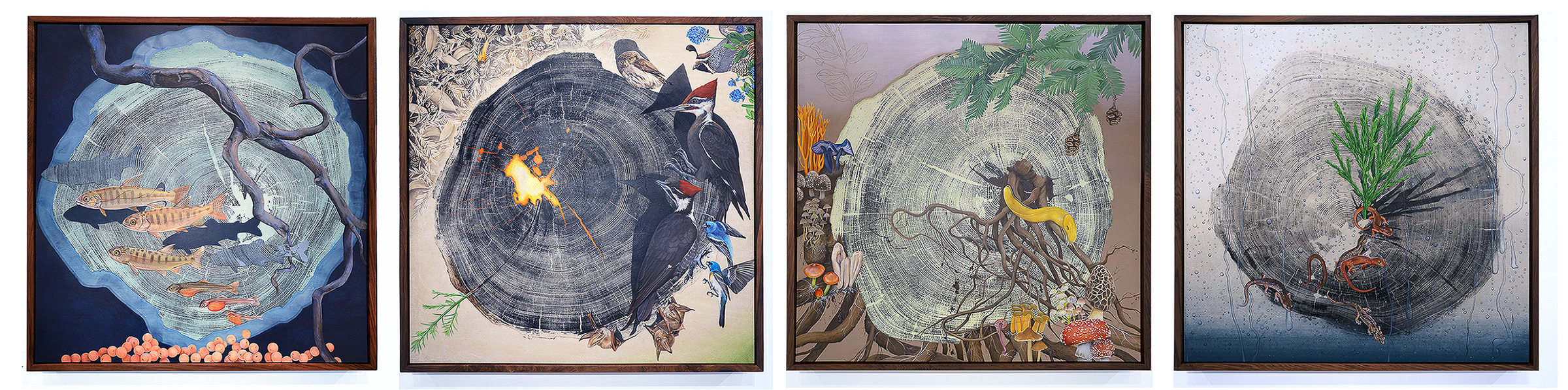
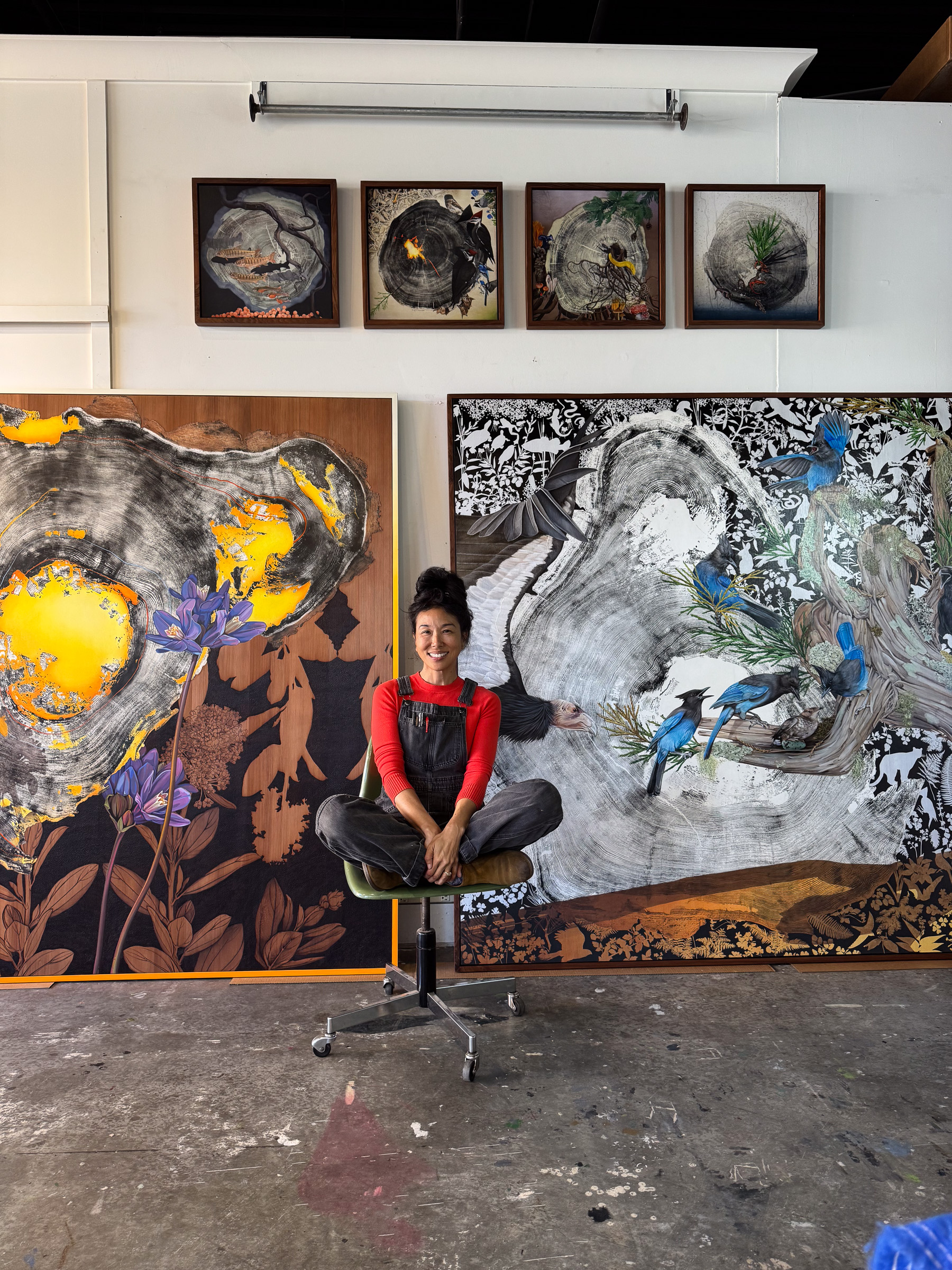
The cornerstone of Kim’s fellowship work revolves around analyzing "cookies"—forester terminology for cross-sections cut from timber. Working with a chainsaw alongside researchers near Silicon Valley, Kim obtained cross-sections from a 500-year-old old-growth redwood stump. These wooden disks function as chronological time capsules, bearing concentric rings that record centuries of climatic fluctuations, severe droughts, catastrophic wildfires, and regenerative growth cycles.
By translating these biological records into monumental paintings and large-scale prints, Kim exposes the complex historical narratives embedded within the wood. Her works challenge simplistic perceptions of forest management; one notable painting illustrates a fire-scarred redwood ring erupting with new flora and fauna. This piece visually articulates the ecological reality that fire, long viewed exclusively as a destructive hazard, is an essential catalyst for renewal and biodiversity within redwood habitats. Furthermore, Kim’s research highlights lesser-known biological phenomena, noting that mature redwoods emit specific organic molecules that induce physiological responses of calm and tranquility in humans who walk among them.
Cinematic Advocacy: The Evolution of More Than Just Parks
In an era defined by digital media consumption, brothers Jim and Will Pattiz recognized early on that visual storytelling could serve as a powerful catalyst for public lands engagement. Their enterprise, widely known as More Than Just Parks, originated from a modest, cross-country road trip undertaken in a borrowed Toyota Prius. Departing from their home state of Georgia, the brothers journeyed westward, encountering the expansive public lands of the American West for the first time.
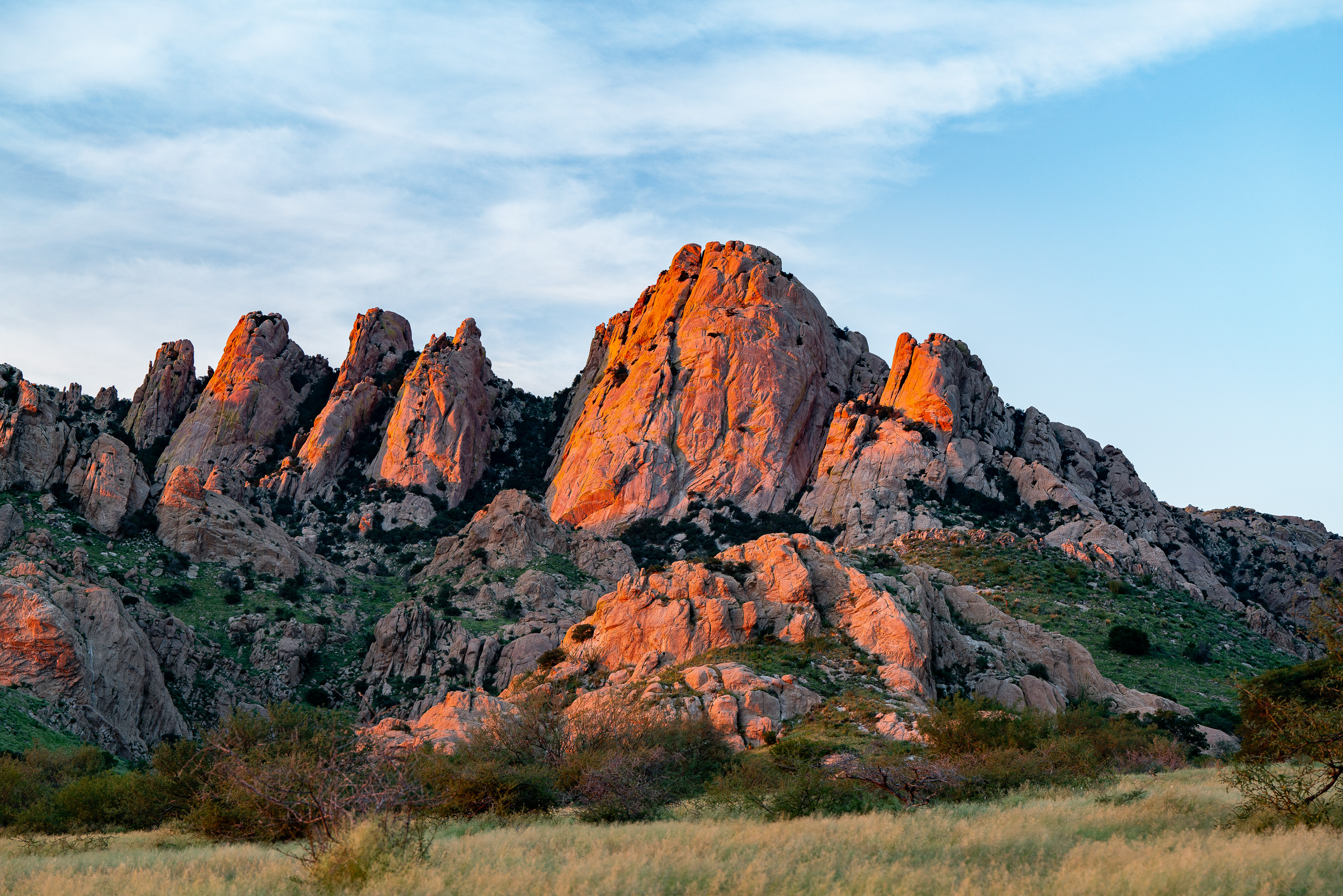
The experience proved transformative. Impressed by the stark beauty of desert thunderstorms, pristine night skies in New Mexico, and the rugged terrain of the Grand Canyon, the brothers identified a significant demographic gap: millions of citizens possessed little to no firsthand exposure to the federally protected landscapes owned collectively by the American public.
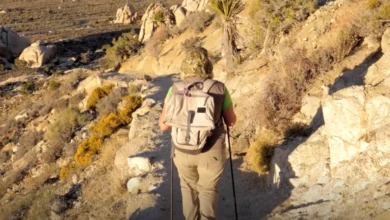
Initially operating with limited financial resources and grueling logistics—such as enduring weeks in rain-soaked tents while filming Olympic National Park—the Pattiz brothers produced a series of high-definition short films celebrating national parks and monuments. Their cinematic approach prioritized atmospheric immersion, capturing sweeping vistas, seasonal migrations, and delicate ecological details.
The quality and impact of their visual advocacy eventually attracted the attention of federal land management agencies. The brothers subsequently entered into official collaborations with the United States Forest Service, state tourism boards, and the National Park Service. Their fieldwork expanded into remote backcountry environments, documenting wilderness river systems, active wildfire suppression efforts, bat conservation initiatives in Nevada cave systems, and Alaskan salmon runs. These expeditions were not without operational hazards; during filming in Grand Teton National Park, Jim Pattiz experienced a direct charge from a territorial black bear, necessitating an immediate retreat.
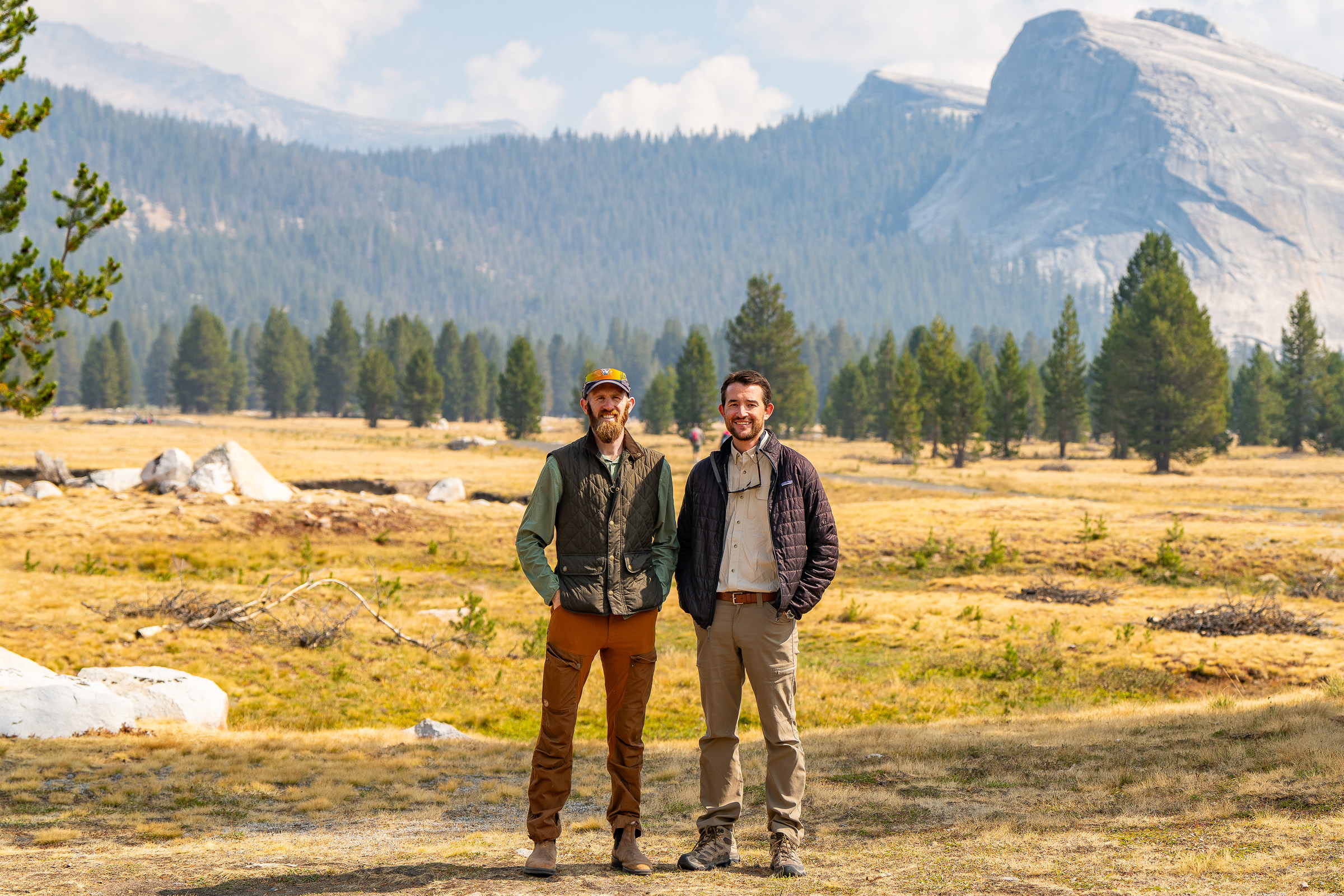
Over the past decade, More Than Just Parks has evolved significantly beyond a conventional independent filmmaking duo. Recognizing mounting policy threats to federally protected areas, the organization transitioned its operational model to incorporate rigorous conservation advocacy, investigative journalism, and legislative analysis. Today, the platform deploys sophisticated digital tools—including congressional public lands scorecards, interactive mapping software tracking threatened ecosystems, and coordinated public action networks. What began as a decentralized visual celebration of wilderness areas has transformed into an active defense mechanism, mobilizing public engagement to safeguard public lands against commercial exploitation and policy rollbacks.
Chronology of Environmental Engagement
The convergence of these distinct practices illustrates a broader cultural shift spanning several decades:
- 1970s–Present: John Anderson initiates his continuous beachcombing activities along the Olympic Peninsula, eventually amassing a comprehensive archive of marine debris that forms the basis of the nation’s first beachcombing museum.
- 2010s: Jim and Will Pattiz launch More Than Just Parks, utilizing independent digital filmmaking to document and promote public lands, eventually securing federal agency partnerships and evolving into a political advocacy organization.
- 2020s: Jane Kim expands her ecological art portfolio through urban mural projects and her specialized residency with the Sempervirens Fund, utilizing scientific research and ancient tree cross-sections to visualize forest histories.
Broader Impact and Implications
The combined efforts of archivists like Anderson, artists like Kim, and media advocates like the Pattiz brothers highlight a crucial evolution in contemporary conservation culture. As industrialized societies face compounding environmental challenges—including habitat fragmentation, climate change, and the erosion of public lands protections—traditional academic communication frequently struggles to engage the general populace effectively.
By translating raw ecological data into tangible artifacts, aesthetic experiences, and cinematic narratives, these individuals demonstrate the efficacy of multidisciplinary approaches to environmental awareness. Whether through a rusted toy washed ashore in Washington, a scientifically accurate visualization of a centuries-old redwood ring in California, or an Emmy-style digital campaign defending federal wilderness in the West, these initiatives demonstrate that cultural connection remains a vital precursor to environmental stewardship.