Unearthing Culinary History: The Enduring Legacy of Hainanese Chicken Rice Balls at Melaka’s Kedai Kopi Chung Wah

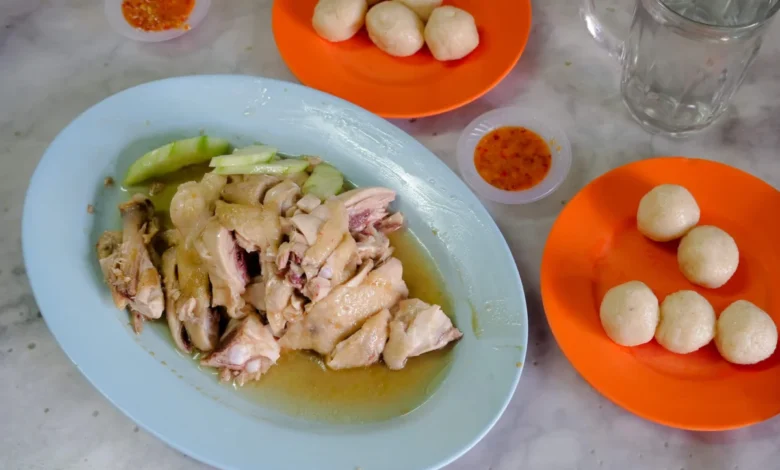
Nestled at the bustling corner of Jonker Street in Melaka, Malaysia, the modest kopitiam known as Kedai Kopi Chung Wah stands as a living testament to centuries of culinary migration and cultural synthesis. While Hainanese chicken rice is widely recognized as a cornerstone of Southeast Asian street food, this particular establishment has elevated the regional staple through a distinct preparation method: hand-rolled, spherical portions of aromatic rice. As food tourism increasingly drives regional travel, understanding the historical origins, operational dynamics, and cultural significance of institutions like Kedai Kopi Chung Wah offers valuable insight into the broader tapestry of Malaysian gastronomy.
Historical Context and Migration Patterns
The presence of Hainanese chicken rice in Malaysia is intrinsically linked to historical migration waves from China’s southernmost island province of Hainan during the 19th and early 20th centuries. However, the historical footprint of Melaka as a major trading hub extends much further back. Since the mid-15th century, the strategic geography of the Straits of Malacca attracted merchants, diplomats, and travelers from across Asia and Europe.
When maritime trade routes brought Chinese immigrants to the Malay Peninsula, these communities adapted their native culinary traditions to local ingredient availability. The classic Hainanese Wenchang chicken was paired with rice cooked in rich poultry broth and fat, served alongside chili and ginger dips. In Melaka, however, a unique adaptation emerged: the compression of the seasoned rice into tightly packed spheres, or rice balls.
Historical accounts indicate that these portable rice spheres were originally devised by early Hainanese laborers and families as a practical solution for outdoor dining and agricultural work. By rolling the cooked rice into compact balls, it remained intact and palatable during long journeys into the hills or fields, effectively serving as an early iteration of portable, functional fast food. Today, this practice has transformed from a matter of practicality into a celebrated culinary art form preserved by multigenerational Chinese-Malay families.
Anatomy of a Traditional Meal
Operating out of a traditional coffee shop environment—locally referred to as a kopitiam—Kedai Kopi Chung Wah maintains a strict adherence to traditional preparation methods. The culinary process requires significant labor and precise timing, proving the adage that traditional comfort foods rely heavily on meticulous execution.

The menu structure is famously streamlined to maximize efficiency during peak operating hours. Upon entering, parties are assessed by staff to determine the appropriate quantity of rice ball plates, followed by a simple binary choice regarding the poultry: a half-chicken or a whole chicken. This rapid-fire ordering system is necessitated by the constant queues that form daily outside the establishment.
The components of the meal are divided into three distinct culinary elements:
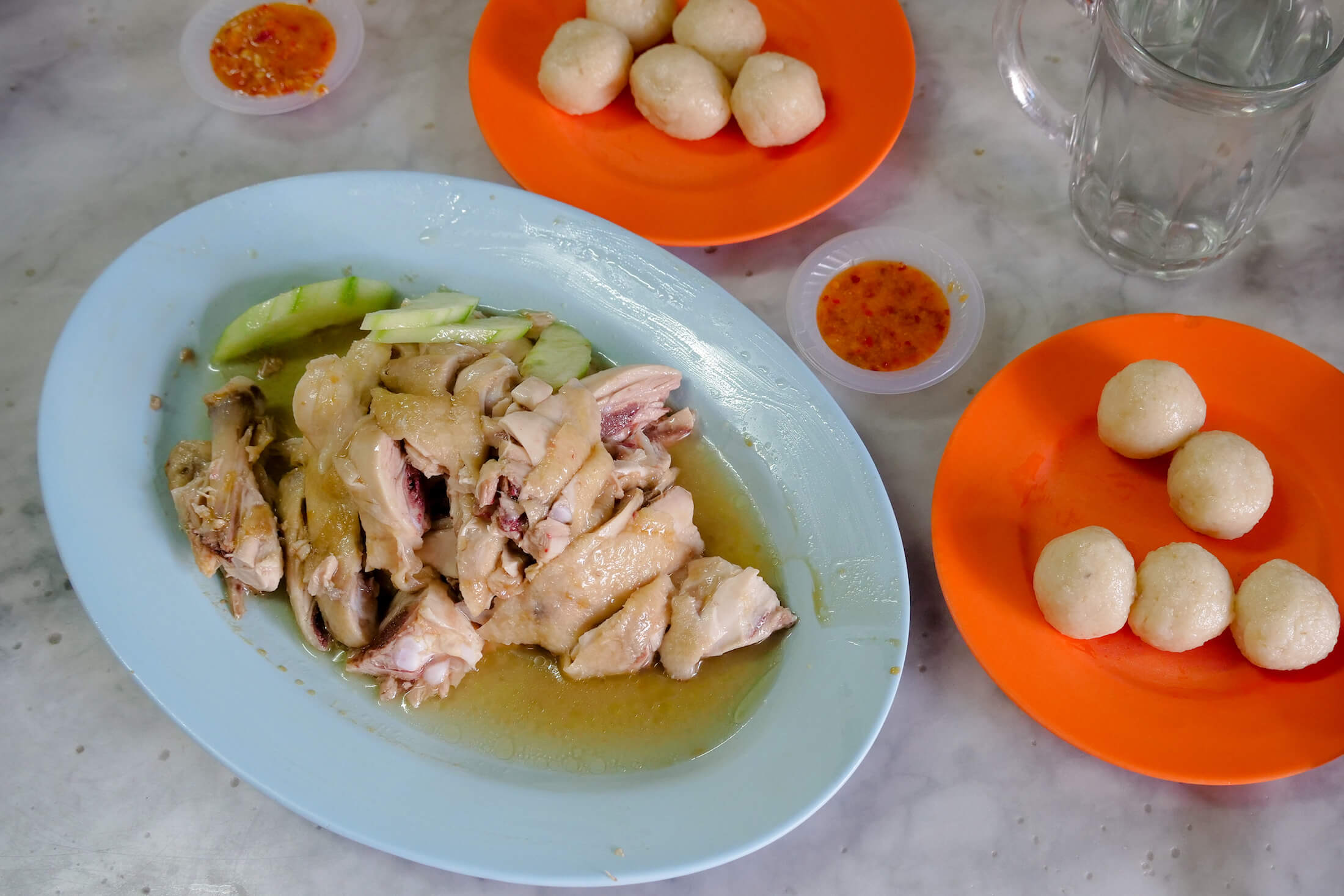
The Chicken: Poached to a precise internal temperature to maintain tenderness, the poultry is chopped rapidly by kitchen staff to match the relentless pace of customer turnover. Served steaming hot, the meat features a delicate, gelatinous skin infused with subtle aromatics, garlic, and traditional seasoning broths.
The Dipping Sauce: While the poached chicken relies on delicate flavors, the accompanying chili-and-vinegar sauce provides a sharp, robust contrast. Heavily seasoned with crushed garlic, fermented chili, and local vinegar, the condiment bridges the gap between traditional Chinese poultry preparation and bold Malay flavor profiles, elevating the dish from a simple protein-and-grain combination to a complex sensory experience.

The Rice Balls: The establishment’s signature offering consists of white rice cooked in concentrated chicken broth, rendered chicken fat, and pandan leaves, then compressed by hand while hot. The resulting texture is remarkably firm yet cohesive, bearing a structural density reminiscent of glutinous rice without the actual use of sticky rice varieties. Patrons frequently note a distinct, smoky aroma and a texture similar to the prized crispy bottom crust of a traditional rice cooker.
Socio-Economic Impact and Tourism Dynamics
Kedai Kopi Chung Wah represents a vital micro-economy within Melaka’s broader tourism sector. Located just across the pedestrian bridge overlooking the Melaka River, the restaurant acts as a focal point for visitors navigating the UNESCO World Heritage site of Jonker Walk.
The establishment’s enduring popularity generates significant foot traffic for surrounding local businesses, contributing to the revitalization of the historical district. Despite logistical challenges—such as congested urban parking and limited seating capacity—the restaurant routinely processes hundreds of covers daily between its opening at 9:00 AM and closing time (3:00 PM on weekdays, 4:00 PM on weekends).

Culinary researchers and hospitality experts note that establishments preserving endangered or labor-intensive heritage recipes play a crucial role in safeguarding intangible cultural heritage. As modern commercial kitchens increasingly adopt automation, the manual labor required to shape hundreds of rice balls by hand daily at Kedai Kopi Chung Wah underscores the dedication of family-run enterprises to maintaining historical authenticity.
Broader Culinary Implications across Malaysia
The phenomenon observed at Kedai Kopi Chung Wah is part of a wider ecosystem of distinct regional cuisines across Malaysia. While Melaka is celebrated for its Peranakan and Nyonya culinary traditions—characterized by complex, spice-heavy curries and nyonya kuih—the Hainanese contribution highlights the harmonious integration of immigrant Chinese techniques with Malay ingredients.
Furthermore, culinary experts frequently recommend exploring Malaysia’s northern states, such as Kelantan and Terangganu, to experience similarly distinct regional specialties, including unique fermented durian preparations like Tempoyak. These diverse gastronomic touchpoints reinforce Malaysia’s status as a primary destination for international food research and cultural tourism.

For travelers and culinary historians alike, a visit to Kedai Kopi Chung Wah offers more than a simple meal; it provides a tangible connection to the historical migration, adaptability, and enduring traditions of Southeast Asia’s diverse multicultural landscape.