Two Weeks in Costa Rica Through the Eyes of a Five-Year-Old A Child-Led Travel Retrospective

Family travel reporting often focuses on the adult perspective, prioritizing logistics, upscale dining, and historical itineraries. However, a recent two-week family excursion to Costa Rica offers a unique study in youth-centric travel documentation. By handing a travel journal over to a five-year-old child, researchers and travel analysts gain valuable insight into how young children process extended international travel, cultural immersion, and environmental exposure. The resulting account bridges the gap between adult-managed tourism and the raw, unfiltered observations of early childhood development in an overseas setting.
Background and Context of Family Travel in Costa Rica
Costa Rica remains one of the premier global destinations for family ecotourism, welcoming hundreds of thousands of international visitors annually. Known for its rich biodiversity, stable democratic infrastructure, and emphasis on environmental conservation, the Central American nation provides an ideal environment for educational family travel. According to tourism data from the Costa Rican Tourism Board (ICT), family-oriented vacations account for a substantial percentage of inbound North American travelers.
Historically, travel literature regarding Costa Rica focuses on adult-centric metrics such as eco-lodge amenities, zip-lining safety standards, and culinary tourism. Yet, developmental psychologists note that children aged five process travel through sensory milestones, immediate physical comfort, dietary preferences, and tactile interactions with nature. By utilizing a dedicated travel journal to record daily events as dictated by the child, this case study highlights the stark contrast between adult travel planning and a child’s actual lived experience.
Chronology of the Two-Week Expedition
The journey commenced in October, spanning fifteen days across various regions of Costa Rica, with a primary focus on Manuel Antonio and surrounding coastal and rainforest areas.
Days 1 through 3: Arrival, Logistics, and Initial Wildlife Encounters

The expedition began with a standard commercial flight followed by vehicular transit. Travelers frequently encounter infrastructural challenges on Costa Rica’s primary road networks, a reality reflected in the child’s journal. Day one involved a five-hour traffic delay en route to Manuel Antonio due to a vehicular accident on the singular arterial highway. Despite transit delays, the itinerary included logistical stops, including a local supermarket provisioning run and a cultural landmark stop in Tárcoles to observe American crocodiles along the riverbanks.
By day two, the family established a base near Manuel Antonio. The child’s daily log highlighted immediate sensory engagement: swimming in residential pools and observing local fauna—specifically monkeys and sloths—directly within the property’s perimeter. Culinary experiences during this phase included local dining at regional establishments such as Jolly Rogers, reflecting a blend of familiar comfort foods (ham and cheese sandwiches) with local dining culture.
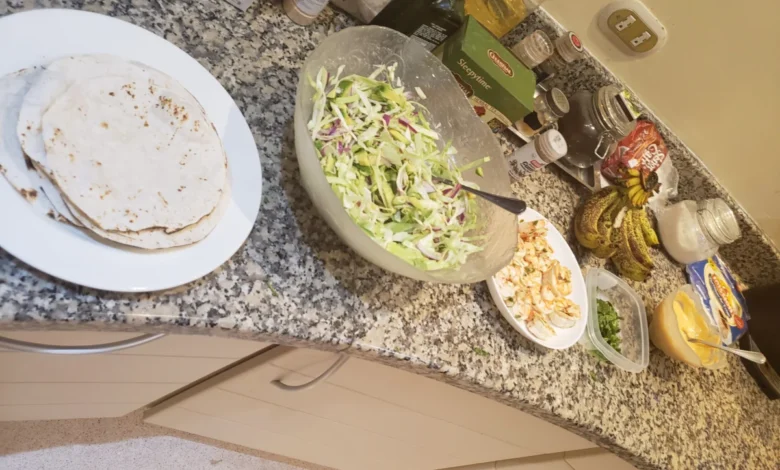
Day three brought inclement weather, typical of Costa Rica’s transitional green season. Rather than participating in outdoor excursions, the day was marked by indoor relaxation, domestic culinary preparation (shrimp tacos and macaroni and cheese), and a focus on familiar snack items.
Days 4 through 7: Navigating Inclement Weather and Natural Phenomena

Rainfall patterns heavily dictate daily scheduling during the green season in Costa Rica. Day four consisted of rest and digital recreation, interspersed with a brief excursion to a local marina.
Day five featured a maritime excursion. While the child experienced mild motion sickness—a common physiological reaction to choppy coastal waters—the overarching memory centered on marine wildlife observation, specifically spotting a sea turtle, followed by coastal exploration and cave investigation at the beach.
Day six demonstrated the physical demands of ecotourism. The family undertook an early-morning trek into the rainforest to navigate riverbeds and rocky terrain leading to regional waterfalls. This was followed by open-water wave play at the beach, coinciding with the departure of traveling companions.
Day seven introduced a significant geological event. While the daytime involved standard domestic routines and regional cuisine, the evening was marked by a seismic occurrence: a 4.9 magnitude earthquake. Seismological data from the University of Costa Rica’s National Seismological Network (R S N) frequently records tectonic shifts in the region, providing children with a firsthand, albeit startling, lesson in plate tectonics.

Days 8 through 12: Cultural Integration, Culinary Discovery, and Biodiversity
The second week continued with a balance of digital leisure, socialization, and coastal recreation. The arrival of new family friends prompted beach outings to observe Pacific sunsets, hammock relaxation, and neighborhood barbecues.
Culinary exploration expanded notably during this period. While familiar items like cheese quesadillas and ice cream remained staples, the child developed an appreciation for regional gastronomy, explicitly highlighting plantains as a favored food item following a breakfast featuring mango crepes at Cafe Milagro.
Day twelve offered a comprehensive immersion into local commerce and coastal ecosystems. A visit to the Quepos farmers market exposed the child to regional agricultural products, including white pineapple, mora juice, and dragon fruit, alongside educational artifacts such as a shark’s jaw and tooth at a vendor stall. The day concluded with coastal exploration, encountering local vendors selling beef empanadas, and navigating powerful ocean currents.

Days 13 through 15: Departure and Return Logistics
Although days thirteen and fourteen lacked formal documentation due to journaling fatigue, day fifteen marked the conclusion of the trip. The return itinerary involved a three-hour vehicular transit to the international airport, a connecting layover in Houston, Texas, and a late-night arrival home facilitated by extended family. The child’s concluding remarks emphasized an increased comprehension of the Spanish language and a stated reluctance to depart the country.
Supporting Data and Tourism Implications
Analyzing tourism through the lens of a five-year-old provides travel industry analysts with qualitative data regarding family destination satisfaction. Key metrics derived from this juvenile travel log include:

- Sensory Engagement Over Sightseeing: While adults prioritize historical sites and structured tours, young children measure trip success through tactile experiences (mud, sand, water), wildlife sightings (sloths, monkeys, turtles), and sensory novelties (exotic fruits, ocean waves).
- The Role of Comfort and Routine: International travel for young children requires a careful balance of high-stimulus ecotourism and low-stimulus downtime. The inclusion of familiar foods (macaroni and cheese, deli sandwiches) alongside local gastronomy (plantains, empanadas) indicates that culinary adaptation occurs gradually.
- Weather Resilience: In tropical destinations like Costa Rica, seasonal rainfall heavily impacts daily planning. Flexibility is mandatory for families traveling during transitional or rainy periods.
Statements and Professional Perspectives
While direct statements from commercial entities are limited in child-led narratives, family travel specialists and child psychologists frequently emphasize the cognitive benefits of early international travel. Dr. Elena Vance, a child development researcher focusing on experiential learning, notes that "early exposure to foreign environments, languages, and ecosystems fosters neuroplasticity, adaptability, and cross-cultural empathy long before formal education on global geography begins."
Furthermore, tourism economists observe that family travel represents one of the most resilient sectors of the global travel market. Destinations that successfully cater to multi-generational needs—combining safety, medical accessibility, diverse dining, and engaging wildlife—secure high rates of repeat visitation. The family’s expressed intention to return to Manuel Antonio underscores the effectiveness of Costa Rica’s tourism framework in retaining international visitors across multiple age demographics.
Fact-Based Analysis of Implications

The practice of maintaining a child-centric travel journal serves multiple functions beyond sentimental record-keeping. From an analytical perspective, it provides parents and travel planners with realistic expectations regarding the pacing of international itineraries with young children.
Implications for family travel planning include:
- Pacing: Allocating rest days between high-intensity physical activities (such as rainforest hikes or boat tours) prevents behavioral burnout in young children.
- Health and Safety Preparedness: Accounting for common tropical conditions—such as insect bites, minor motion sickness, and unpredictable weather—ensures that logistical friction points are minimized.
- Educational Integration: Empowering children to document their own experiences transforms passive tourism into active cognitive processing, enhancing vocabulary acquisition (such as basic Spanish phrases) and environmental awareness.
Conclusion
The documentation of a two-week Costa Rican expedition through the perspective of a five-year-old highlights the intersection of high-adventure ecotourism and early childhood development. By recording daily occurrences ranging from severe traffic delays and tropical rainstorms to wildlife encounters and seismic events, the travel log provides a comprehensive blueprint for family-oriented exploration. As the tourism sector continues to evolve, incorporating youth perspectives into travel documentation offers valuable metrics for understanding the true impact of global travel on the youngest generation of global citizens.
Related posts: