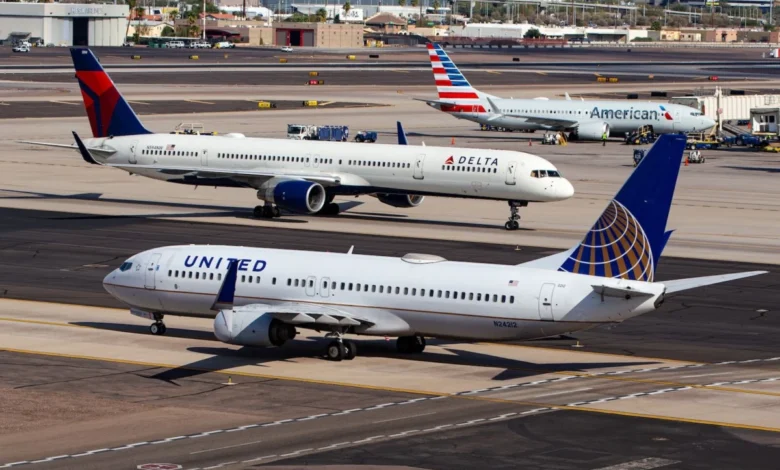
The American traveler often wonders why, despite the ubiquity of global air travel, domestic flights remain the exclusive domain of a handful of domestic carriers. While travelers can easily book a flight from Dubai to New York or Frankfurt to Los Angeles on a foreign carrier, they are strictly prohibited from purchasing a ticket on those same airlines for the domestic leg between New York and Los Angeles. This phenomenon is rooted in a little-known but rigid aviation principle known as "cabotage." By preventing foreign airlines from transporting passengers or cargo between two points within the United States, cabotage laws effectively insulate domestic carriers from international competition, creating a market environment that has become a flashpoint for debate among economists, industry analysts, and frustrated passengers.
The etymology of the term provides insight into its protectionist origins. Derived from the French word caboter, meaning "to sail along the coast," the term historically described French laws that restricted maritime trade to domestic entities. As global commerce evolved, this concept was adapted to various transportation sectors, including trucking, shipping, and, eventually, aviation. In the United States, this legacy is codified in regulations like the Passenger Vessel Services Act, which governs the cruise industry, and the Federal Aviation Act of 1958, which solidified the aviation ban.
A Chronology of Protectionism
The legal architecture governing American skies did not emerge overnight. It is the result of nearly a century of legislative efforts to maintain domestic control over aviation infrastructure. The journey began with the Air Commerce Act of 1926, the first major federal attempt to regulate the burgeoning industry. Signed into law in May 1926, the act contained a blunt prohibition: no foreign aircraft was permitted to engage in interstate or intrastate air commerce.
This isolationist stance was reaffirmed following the devastation of World War II. In 1944, representatives from dozens of nations convened in Chicago for the Convention on International Civil Aviation, commonly known as the Chicago Convention. While the convention sought to standardize global air travel, it explicitly granted sovereign states the right to prohibit foreign carriers from conducting domestic flights within their borders. The United States leveraged this provision to solidify its stance in the 1958 Federal Aviation Act, a statute that remains the bedrock of modern US aviation policy.
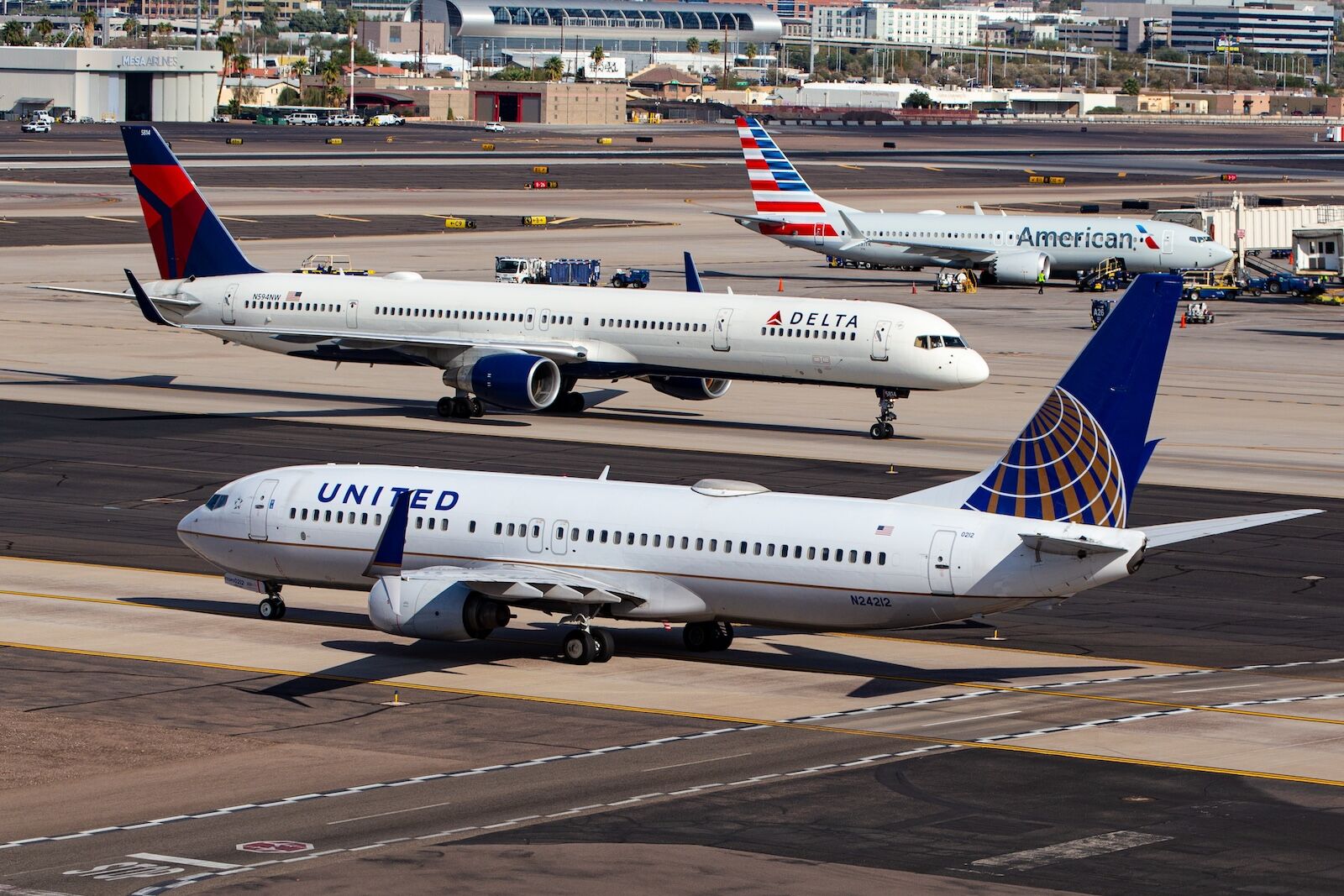
In the subsequent decades, the market evolved significantly. The period between 2008 and 2013 was particularly transformative, characterized by a wave of consolidation that saw eight major airlines merge into the "Big Four"—United, Delta, American, and Southwest. Today, these four entities control more than 75 percent of the domestic market, a level of concentration that critics argue is directly protected by the continued enforcement of cabotage laws.
Data-Driven Perspectives on Market Concentration
The current landscape of US aviation is defined by a lack of competitive pressure compared to international hubs. Data from the US Department of Transportation indicates that as of July 2026, the industry employed over 555,000 people. However, supporters of the current laws, including trade associations such as the Air Line Pilots Association (ALPA), argue that these regulations are essential to protecting those jobs and ensuring national security. A key pillar of this argument is the Civil Reserve Air Fleet (CRAF) program, which allows the Department of Defense to access civilian aircraft during national emergencies. In exchange for this contingency, participating US carriers receive preferential treatment for lucrative government contracts.
Conversely, critics point to the correlation between market concentration and declining service quality. A 2026 report by the Government Accountability Office (GAO) underscored the tangible impacts of this consolidation. The report revealed that in instances where mergers reduced the number of competitors on a route, customers faced higher fares and diminished service quality. Perhaps most telling was the finding that when the number of airlines on a specific route dropped from three to two, average flight delays increased by 25 percent, while cancellation rates climbed by seven percent.
The International Comparison
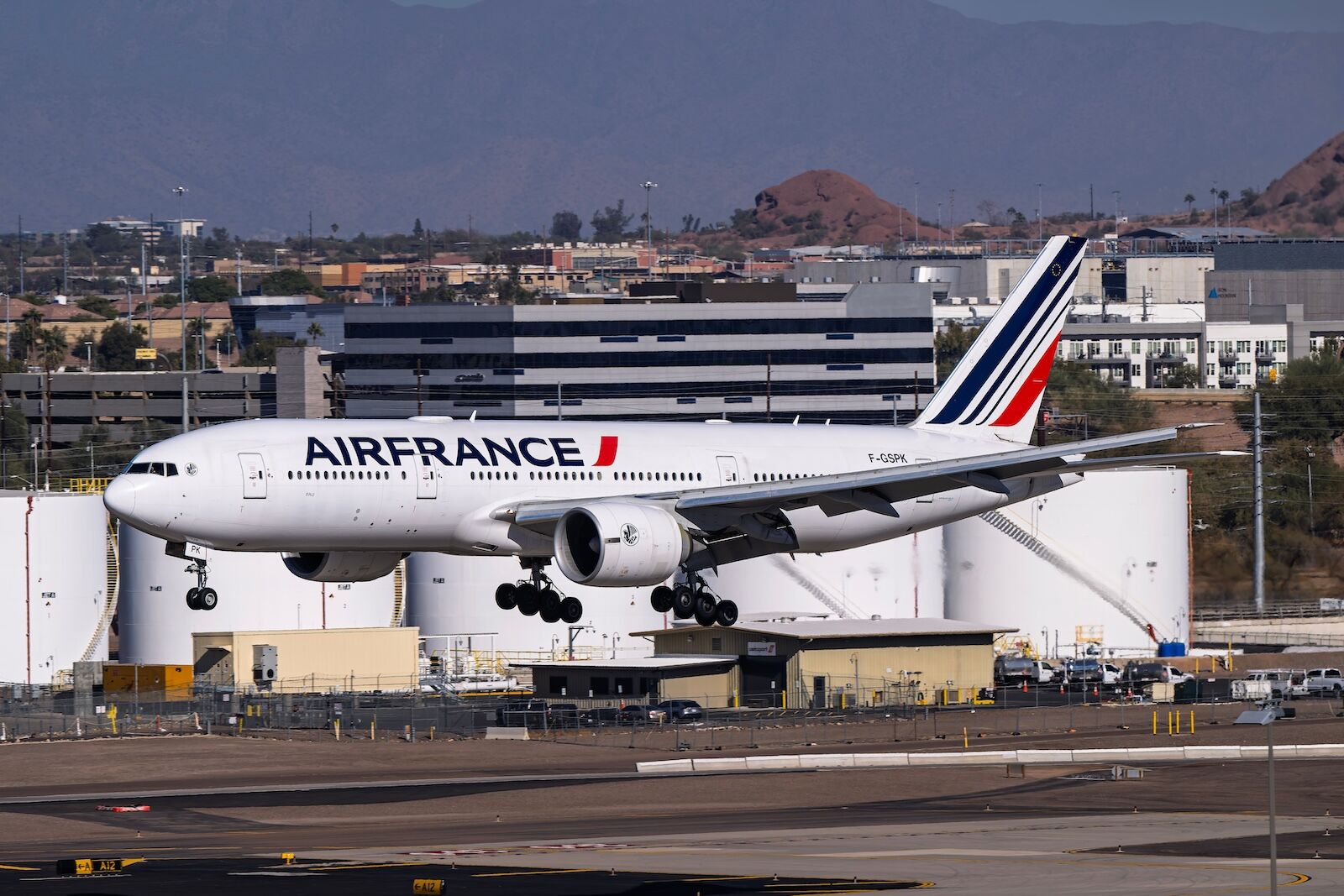
The disparity between US domestic service and the international standard is stark. In the 2025 Skytrax World Airline Awards—a benchmark based on surveys of passengers from over 100 countries—no US-based carrier appeared in the top 20 rankings. The top 10 list was dominated by international giants such as Qatar Airways, Singapore Airlines, Cathay Pacific, Emirates, and All Nippon Airways (ANA).
Industry experts often highlight the connectivity of global hubs as the primary reason for this gap. Istanbul Airport, for instance, serves 116 airlines, while Hong Kong and Dubai accommodate 140 and 106 carriers, respectively. In contrast, the busiest airport in the world, Hartsfield-Jackson Atlanta International, manages its massive volume with only 28 passenger carriers. Even major US coastal hubs like San Francisco International Airport rely heavily on a small handful of domestic players, with only 12 domestic carriers operating out of a total of 57.
Official Responses and Industry Stance
The debate over cabotage frequently pits labor interests against consumer advocacy groups. Unions argue that opening the market to foreign competition would create an uneven playing field. They contend that foreign carriers operate under vastly different labor laws, immigration policies, and government subsidies, which would enable them to undercut US pricing and jeopardize the livelihoods of American aviation workers.
Conversely, the Department of Justice has historically emphasized that competition is the primary driver of quality and affordability. In a 2024 news release regarding airline competition, the department stated that robust market rivalry is essential for producing "lower airfare and higher quality." Advocates for reform argue that by maintaining the current cabotage restrictions, the US government is effectively shielding domestic airlines from the very competition that would incentivize them to improve their service standards and operational reliability.
Implications for the Future
As the aviation industry continues to grapple with the long-term effects of consolidation, the role of cabotage remains a significant, albeit often invisible, factor. For the average passenger, the inability to choose between a wider variety of international-tier service providers is the hidden cost of the current regulatory framework.
Academic research provides further weight to the argument for competition. A study by economist Daniel Greenfield of the Federal Trade Commission found that increased competition consistently improves on-time performance. Furthermore, a 2008 multi-university research project concluded that airlines are significantly more likely to invest in service quality when they face the threat of new competitors entering their routes.
While it is clear that cabotage is not the sole variable influencing the state of US aviation, it remains a critical structural barrier. Whether the US will eventually move toward a more open-skies model—or whether the perceived national security and labor benefits of the current system will continue to outweigh the potential for consumer gains—remains a central question for policymakers. As of now, the "Big Four" continue to dominate the American landscape, operating within a protective bubble that has remained largely undisturbed since the mid-20th century. For travelers, the debate serves as a reminder that the aviation industry is not only a matter of logistics and engineering but also a reflection of deeply ingrained economic and protectionist policies that govern how the world moves.